
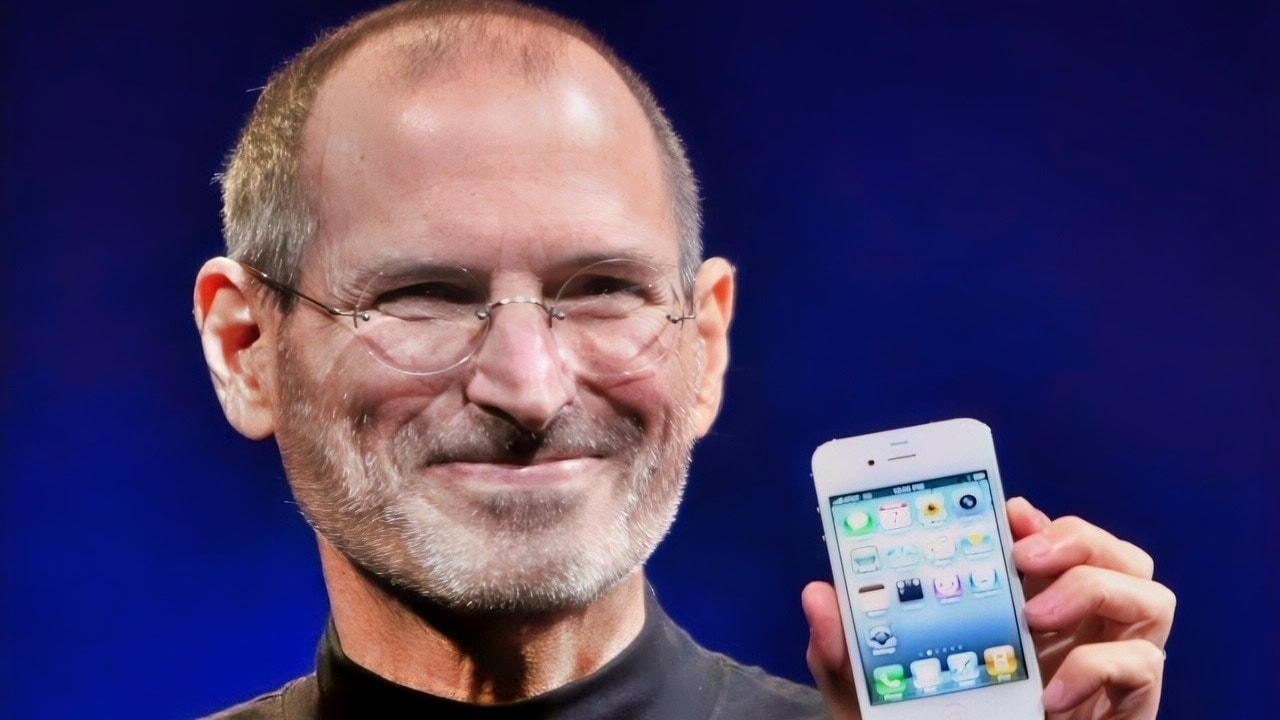
Summary and Key Points: Steve Jobs stood up at Stanford in June 2005 and opened by noting the irony: he had never graduated from college, and this was the closest he had ever been to a graduation. What followed ran about fifteen minutes and is probably the most widely quoted commencement address of the century. He talked about dropping out of Reed and staying on as a “drop-in,” sitting in on a calligraphy class that he later credited with making the Macintosh the first computer with beautiful typography. He talked about being fired from Apple at thirty, founding NeXT, acquiring Pixar, and coming back.
Steve Jobs Changed the World
“Your time is limited, so don’t waste it living someone else’s life.” -Steve Jobs
Steve Jobs is one of the most legendary entrepreneurs and technologists ever. Born in California in 1955, Jobs dropped out of college and co-founded what was then called Apple Computer with Steve Wozniak in 1976.
Fired from Apple in 1985 after he was forced out by new CEO John Sculley, Jobs founded two more companies before returning to the then-ailing Apple in 1997, becoming CEO.
He then oversaw the development and release of a historic run of major products, including the iMac, iPod, iPhone, and iPad, often introducing them at public events while wearing his trademark black turtleneck and jeans.
Jobs’ historic run was sadly cut short when he died of cancer in 2011.
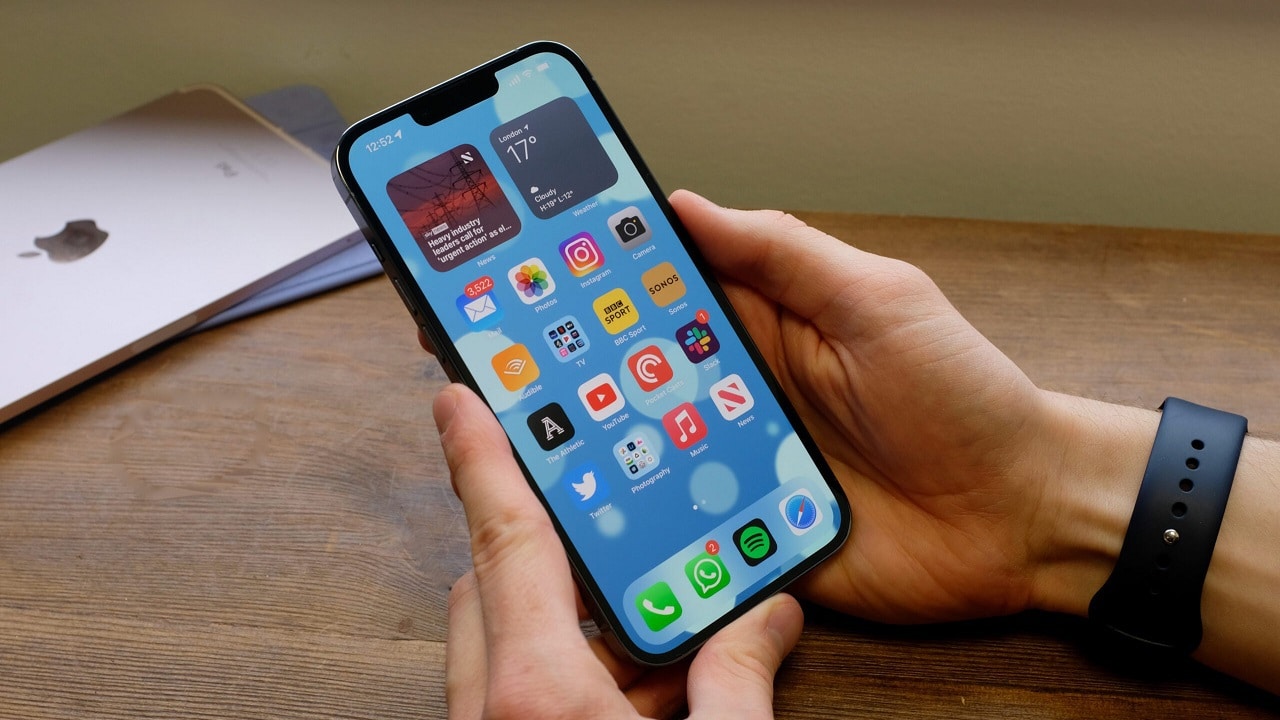
iPhone 13. Image Credit: Creative Commons.

Image Credit: Apple.

Image: Creative Commons.
Six years before that, Jobs talked about all of that — his early life, his departure and return to Apple, his health battles, and what he learned from all of that — in an address to college graduates.
Jobs’ First Graduation
Jobs’ commencement speech at Stanford University in 2005, though it lasted just 15 minutes, is probably the most memorable and widely cited graduation speech of the current century.
In the speech, the Apple CEO noted the irony of addressing a college despite never graduating from one himself; he said it was the closest he’d ever been to a college graduation.
Jobs had dropped out of Reed College early in his tenure, though he did hang around for a while as a college “drop-in.”
During that time, he took a calligraphy class, and he later credited what he learned with inspiring him, during Apple’s early years, to make the Macintosh “the first computer with beautiful typography.”
There was a lesson in this, Jobs said in the speech.
“You have to trust in something — your gut, destiny, life, karma, whatever. This approach has never let me down, and it has made all the difference in my life,” Jobs told the graduating students.

iPhone 12 Pro Max. Image: Apple.
In the speech, Jobs also talked about being fired from his first stint at Apple at age 30.
Unsure what to do at first, he went on to found another computer company, NeXT, as well as Pixar Animation Studios.
Apple later bought NeXT, leading to Jobs’ return to the company, while Pixar became the leading American animation studio and was later bought by Disney.
Jobs’ Health
Jobs, in the speech, also talked about something else: That he had been diagnosed with pancreatic cancer the year before.
This was public knowledge, since Jobs emailed Apple employees in 2004.
Jobs told the students that doctors had told him that he likely only had a few months to live, and that he should “get your affairs in order.”
However, later that night, Jobs said in the speech that doctors looked at the cancer cells under a microscope and discovered that he had a form of pancreatic cancer that could be cured with surgery.
“I had the surgery, and I’m fine now,” Jobs said in the speech, although he had learned a lot from the experience of believing that he didn’t have much time left.
Jobs passed away from cancer in October of 2011, about six weeks after he announced his resignation as Apple’s CEO.
In the six years between the Stanford speech and his death, the CEO’s health was frequently a topic of public interest, as he sometimes took the stage at Apple events with an alarmingly gaunt appearance, leading observers, investors, and others to speculate about whether Jobs was sick again.
CNN and other outlets later reported that the timeline wasn’t exactly as Jobs had presented in the Stanford speech, as he had pursued alternative therapy for a time before undergoing surgery.
To this day, the timeline is somewhat fuzzy when it comes to when exactly Jobs’ cancer returned.
The Quote
“Your time is limited, so don’t waste it living someone else’s life,” Jobs said near the end of the Stanford speech. “Don’t be trapped by dogma — which is living with the results of other people’s thinking.
Don’t let the noise of others’ opinions drown out your own inner voice. And most importantly, have the courage to follow your heart and intuition.”
About the Author: Stephen Silver
Stephen Silver is an award-winning journalist, essayist, and film critic, and contributor to the Philadelphia Inquirer, the Jewish Telegraphic Agency, Broad Street Review, and Splice Today. The co-founder of the Philadelphia Film Critics Circle, Stephen lives in suburban Philadelphia with his wife and two sons. For over a decade, Stephen has authored thousands of articles that focus on politics, national security, technology, and the economy. Follow him on X (formerly Twitter) at @StephenSilver, and subscribe to his Substack newsletter.