
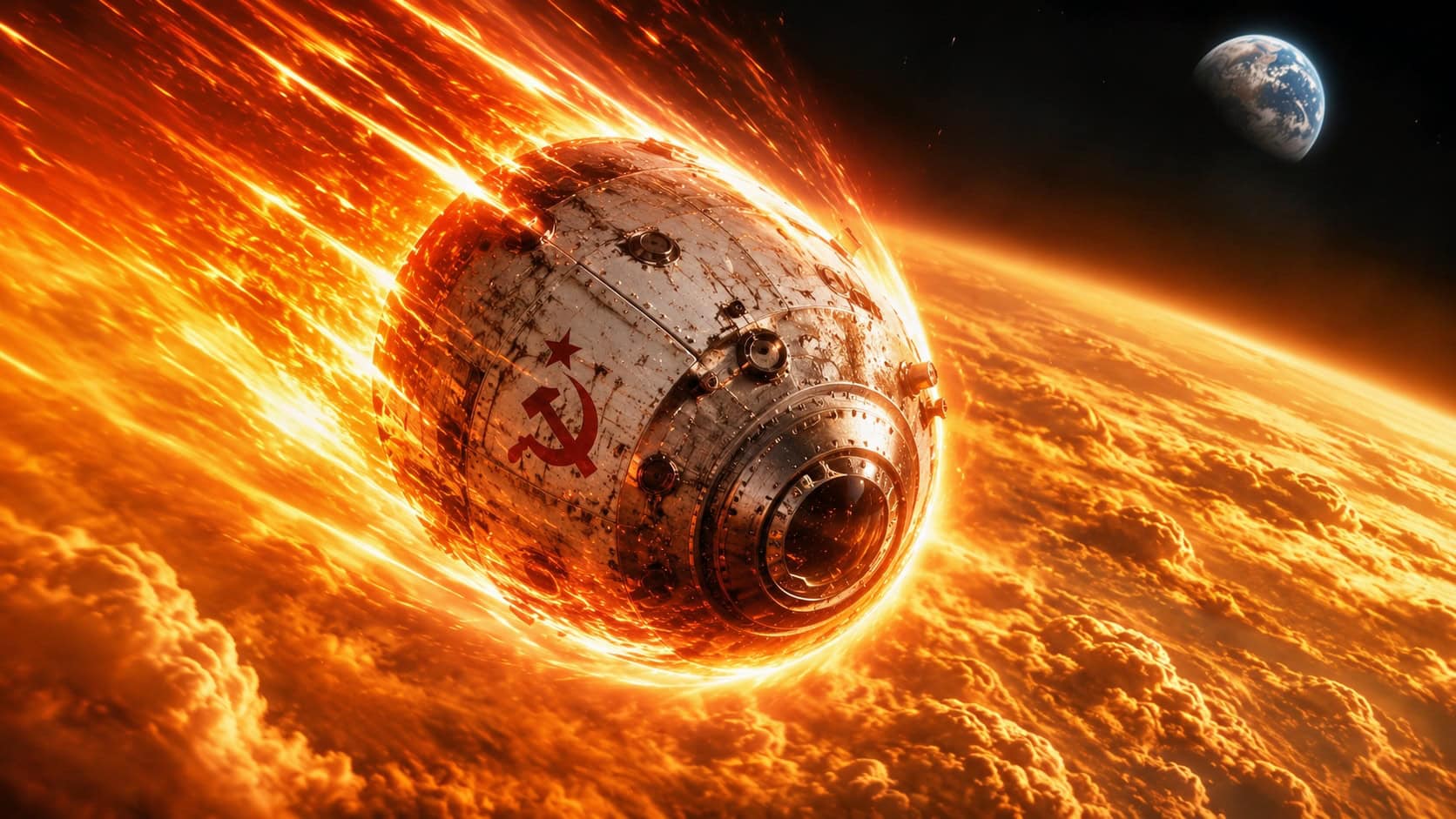
Summary and Key Points: In December 1978, the Soviet Union did something extraordinarily difficult twice in four days. Venera 12 reached the surface of Venus on 21 December, and Venera 11 followed on 25 December, both surviving the descent into an atmosphere that sits at roughly 870 degrees Fahrenheit and around 90 times Earth’s sea-level pressure — the equivalent of standing 900 meters underwater, in an oven hot enough to melt lead. Both carried cameras. Neither returned a photograph.
The Soviet Union Heads to Venus: The Venera Missions
In December 1978, the Soviet Union accomplished something exceedingly difficult twice in just four days. Venera 12 landed on Venus on December 21. Venera 11 followed on December 25.
Both landers survived the descent through the planet’s unforgiving atmosphere.
Both reached a surface environment of roughly 870 degrees Fahrenheit and about 90 times Earth’s sea-level atmospheric pressure.
Both carried cameras to photograph Venus’s surface, returning images to Earth of one of the most hostile surfaces in the Solar System.
Yet, neither lander returned a single photograph, marking a failure in one of the missions’ more important objectives.
The reason had nothing to do with the atmosphere, radiation, pressure, or heat.
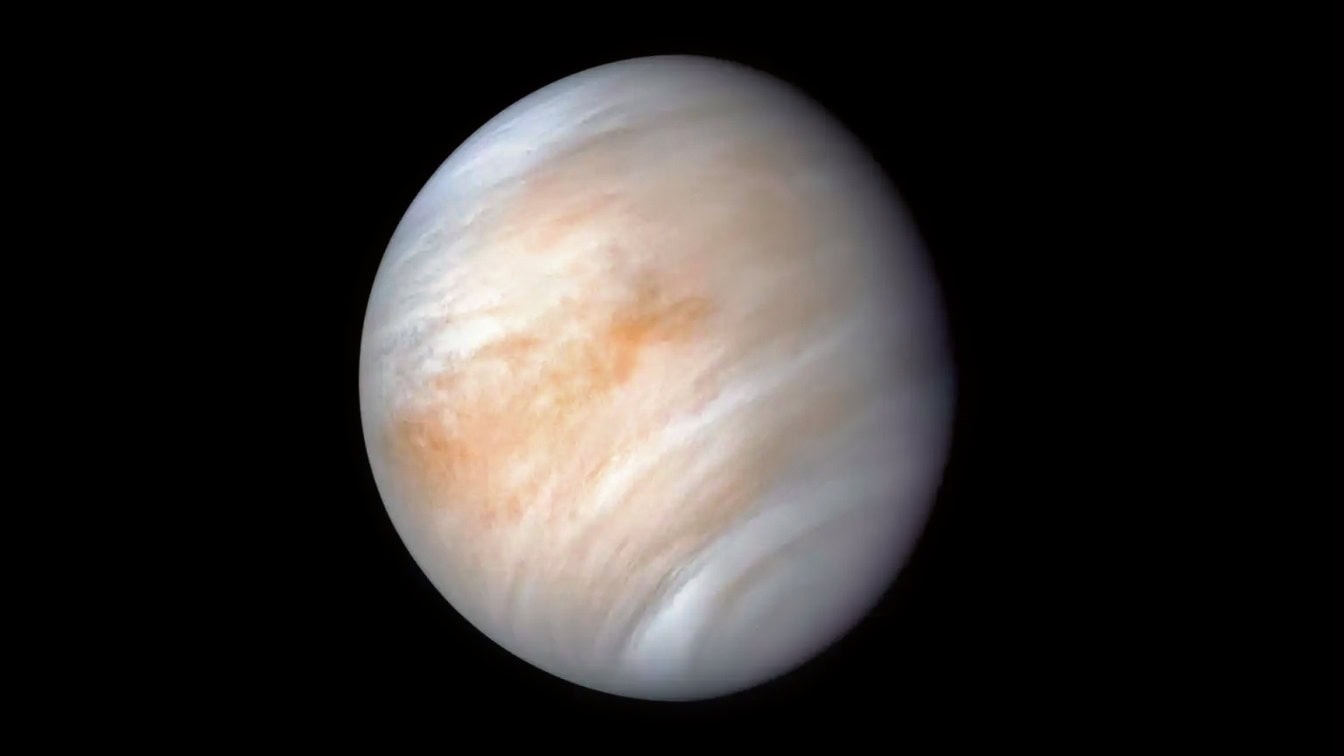
Venus. NASA Image.
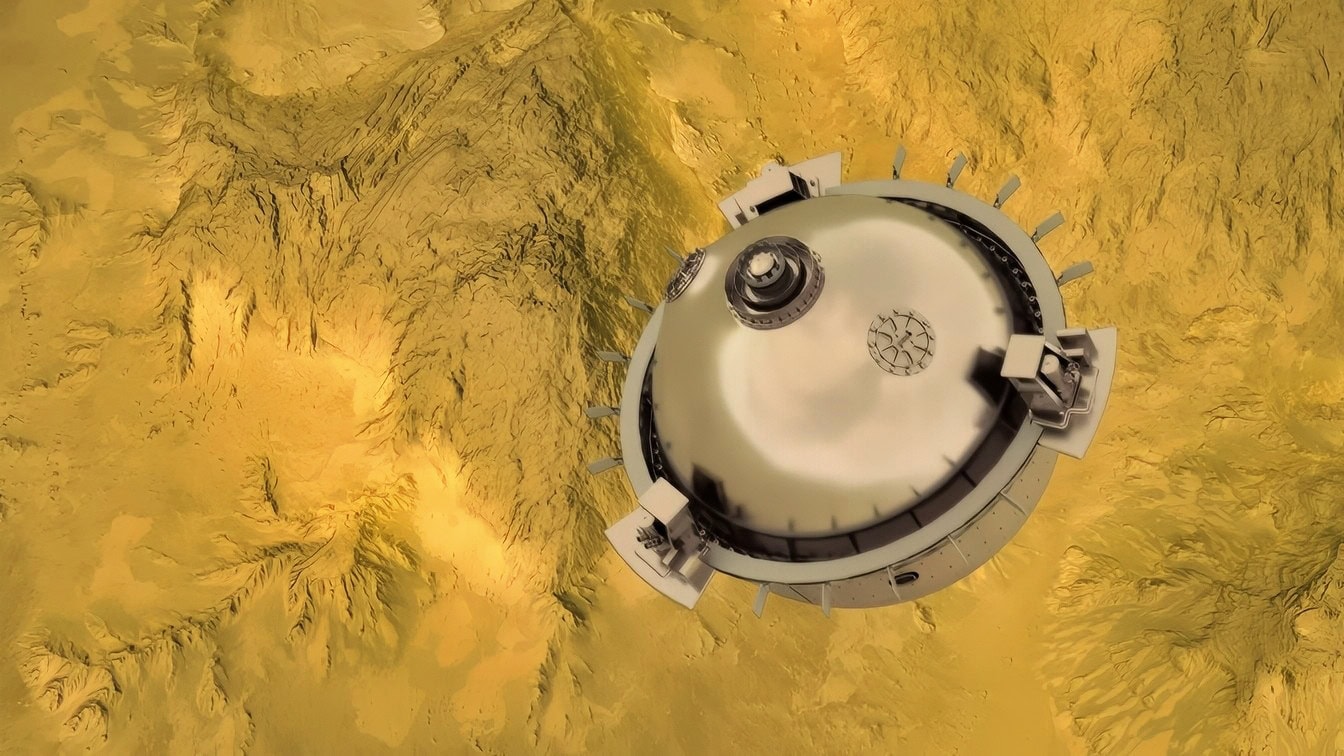
NASA Venus Lander Artist Rendition Picture
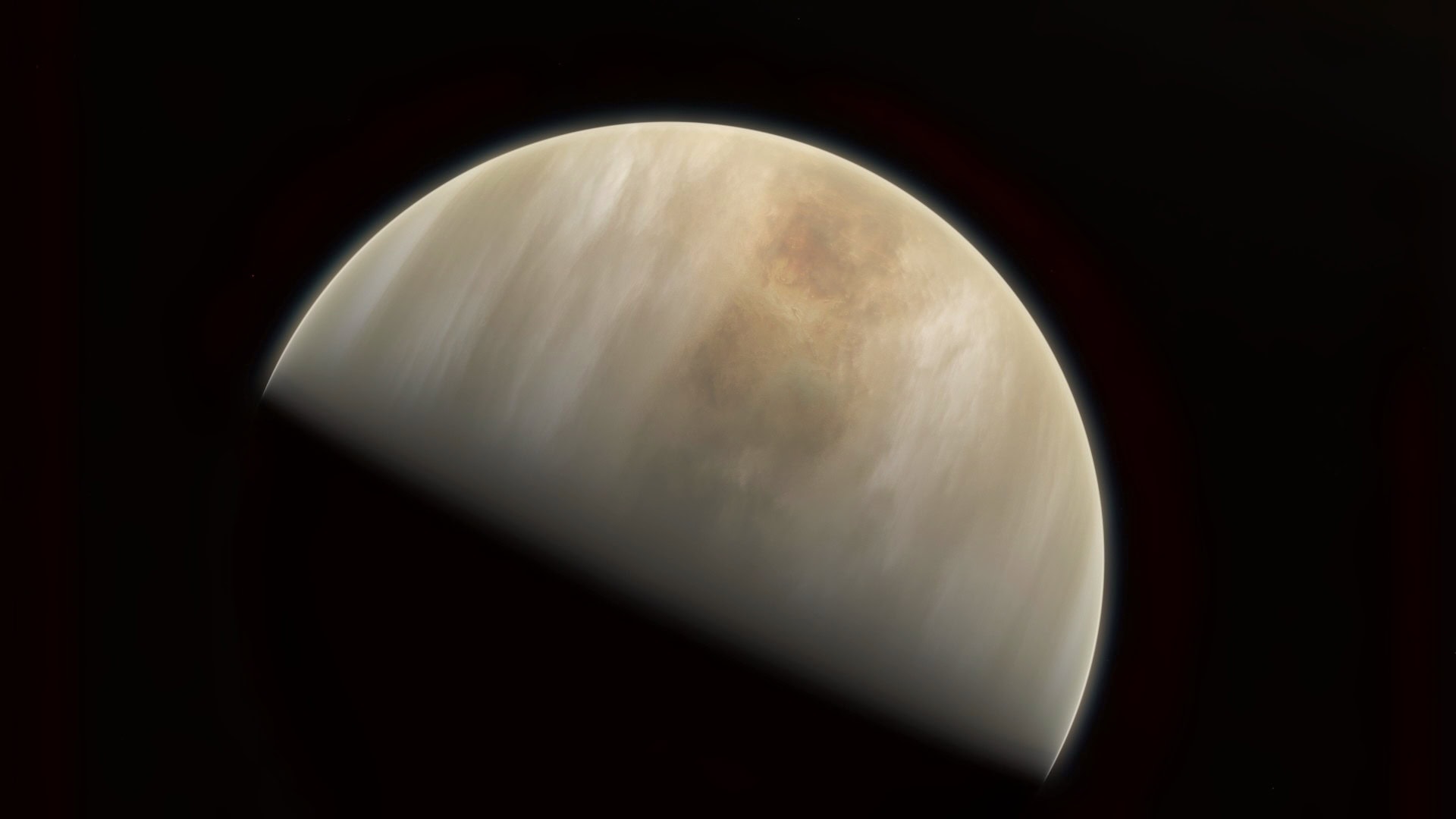
This artistic impression depicts our Solar System neighbor Venus, where scientists have confirmed the detection of phosphine molecules. The molecules were detected in the Venusian high clouds in data from the James Clerk Maxwell Telescope and the Atacama Large Millimeter/submillimeter Array, in which ESO is a partner. Astronomers have speculated for decades that life could exist in Venus’s high clouds. The detection of phosphine could point to such extraterrestrial “aerial” life. NASA Photo.
Rather, the protective lens caps covering the cameras failed to eject—one of the most mundane failures imaginable.
Both cameras survived the grueling trip through interplanetary space and the Venusian atmosphere, but captured only images of their own covers.
It was a moment of profound frustration, but also a stepping stone to the USSR’s eventual success as the only nation to repeatedly photograph and analyze the surface of Venus.
Why the Caps?
Why put lens caps on the cameras in the first place? Because the Venusian descent could destroy or contaminate exposed optics.
On the way to the surface, the lander fell through a deep, chemically hostile atmosphere containing carbon dioxide, sulfuric acid clouds higher in the atmosphere, and enormous changes in temperature and pressure.
Camera windows protect against launch, cruise, atmospheric entry, and descent; accordingly, the USSR covered the air optical windows with lens caps.
Only once safely on the surface did pyrotechnic mechanical systems eject the covers, allowing the camera to photograph the landscape.
Indeed, the concept had worked on earlier Soviet missions. Venera 9 and Venera 10, both in 1975, had already returned humanity’s first photographs from the surface of another planet.
Venera 11 and Venera 12 were intended to build on that achievement.
Instead, a tiny mechanical failure in the final seconds of an enormously complicated mission left the lens caps in place, obscuring the Venusian surface from the Soviet cameras.
Built for Pressure
Venus isn’t a place where engineers could simply modify lunar landers. The environment was far too hostile.
Surface pressure is roughly equivalent to being 900 meters (3,000 feet) underwater on Earth.
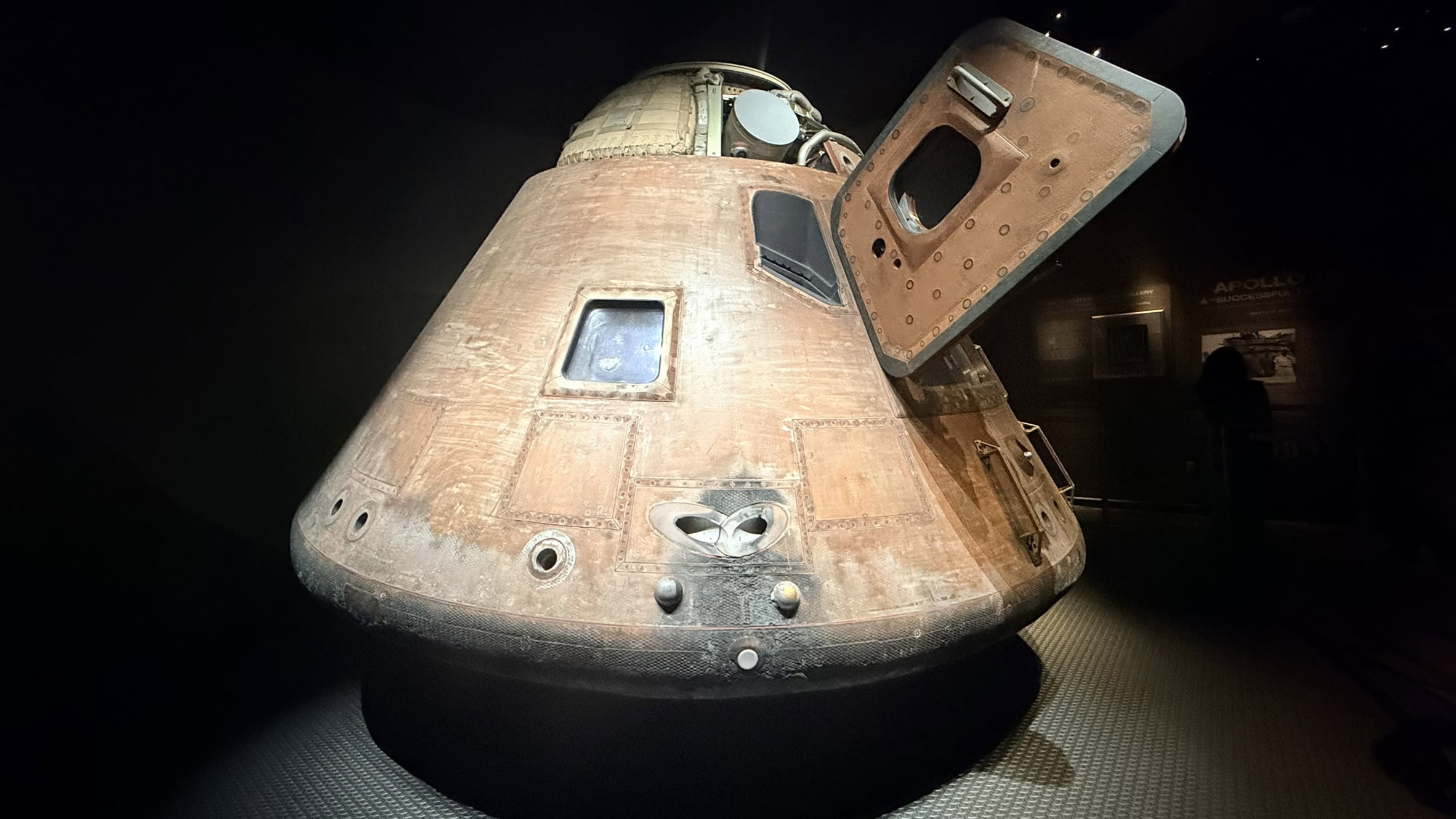
Apollo 11 Capsule. NASA Kennedy Space Center 19FortyFive Image Taken on June 28, 20226.
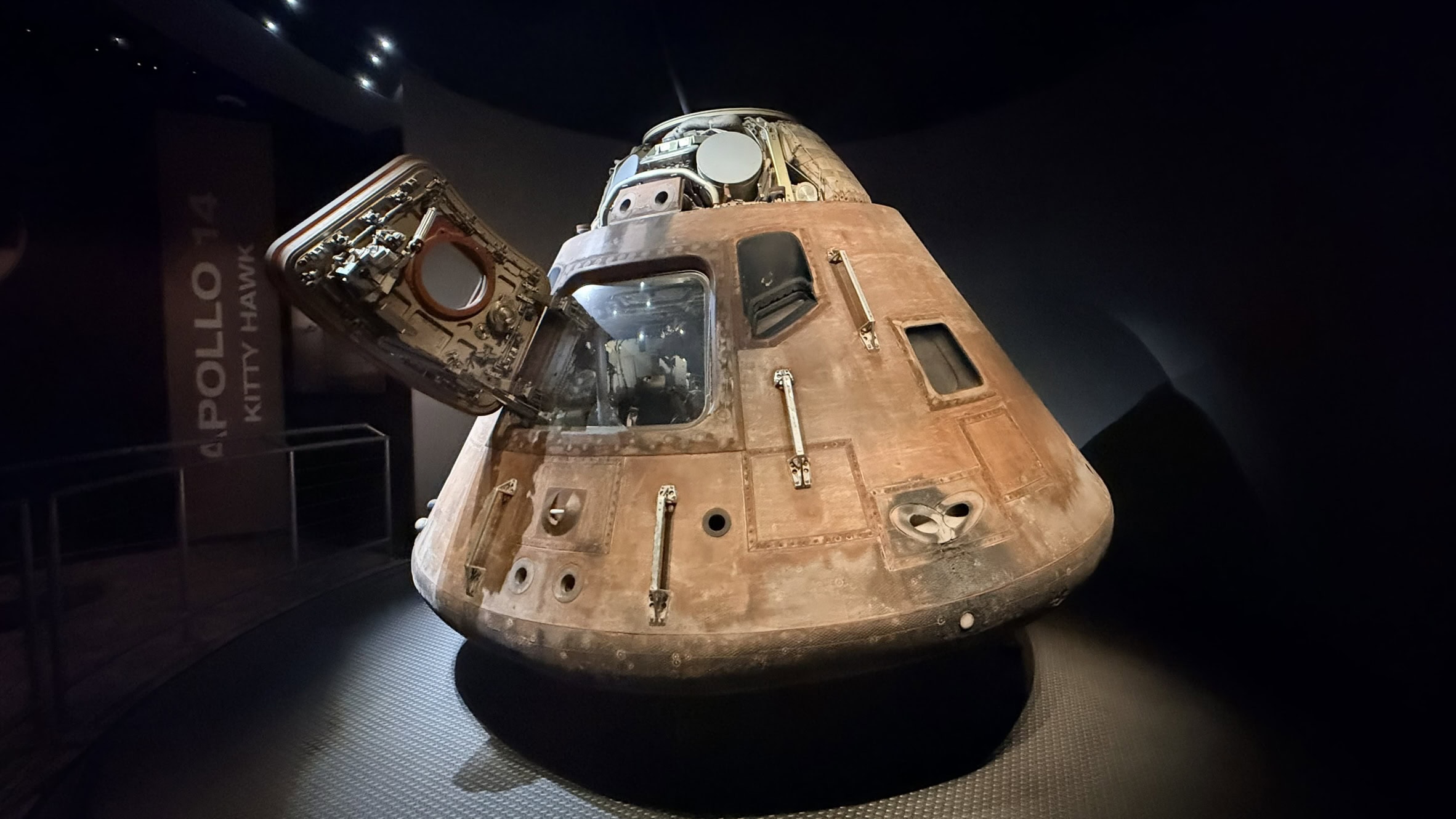
Apollo 11 Capsule. NASA Kennedy Space Center 19FortyFive Image Taken on June 28, 20226.
The temperature is hot enough to melt lead and destroy ordinary electronics, lubricants, seals, and wiring.
So the Soviet solution focused on building a remarkably durable, robust spherical pressure vessel with the electronics protected inside.
The lander was pre-cooled before atmospheric entry, which initiated a race against the heat.
Once on the surface of Venus, the heat inevitably penetrated inward.
The Soviets accepted the inevitability of that condition and understood that the mission didn’t need to survive indefinitely.
It only needed to perform experiments and transmit data before internal temperatures became fatal.
Accordingly, the Venera missions operated on an unusual metric for success: surviving for just tens of minutes could constitute an extraordinary engineering victory.
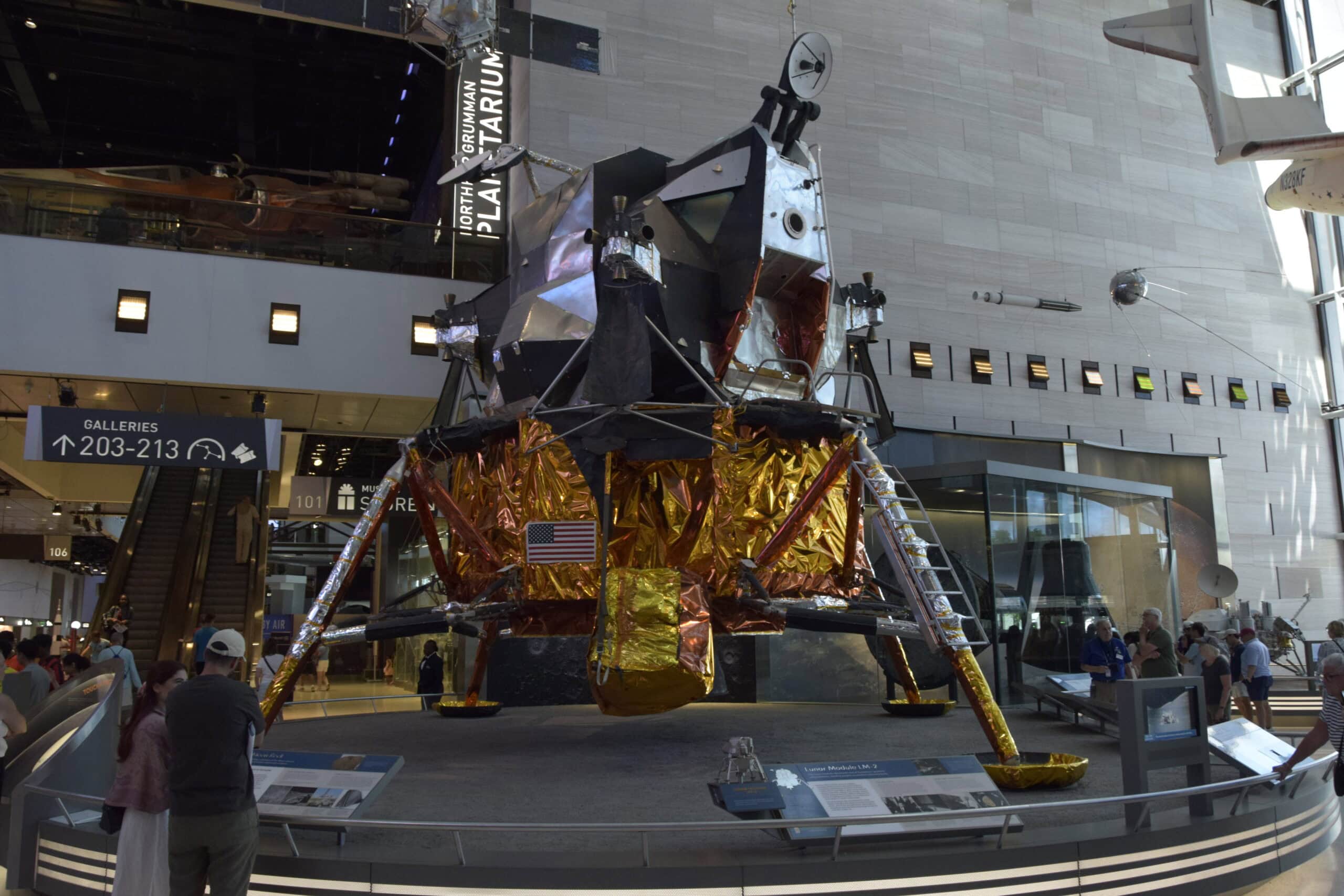
Apollo 11 Lander. Image Taken by 19FortyFive on 6/24/2026.
Knowing What to Do
Venera 9 and 10 had succeeded three years earlier.
Their black-and-white panoramas revealed rocky terrain, flattened slab-like rocks, and surprisingly clear visibility beneath Venus’s cloud deck.
So Venera 11 and 12 weren’t just speculative attempts to discover whether surface photography was possible. Surface photography had already been accomplished.
So expectations expanded to include more imagery from different landing sites.
Instead, both spacecraft suffered the same camera-cover problem.
The irony is that the Soviets sent two probes to provide redundancy. But common-mode failures defeated the redundancy.
Both spacecraft shared the same vulnerable mechanism, so launching two copies simply reproduced the same failure twice.
The Soviets fixed the problem, however; they didn’t abandon the pursuit of Venus photography.
The next major landers, Venera 13 and Venera 14, arrived in March 1982.
They carried improved imaging systems.
This time, the protective covers came off successfully, and both returned color panoramas from Venus, arguably marking the high point of Soviet surface exploration of Venus.
About the Author: Harrison Kass
Harrison Kass is a writer and attorney focused on national security, technology, and political culture. His work has appeared in Tablet, City Journal, The Hill, The Spectator, and The Cipher Brief. He holds a JD from the University of Oregon and a master’s in Global & Joint Program Studies from NYU. More at harrisonkass.com.