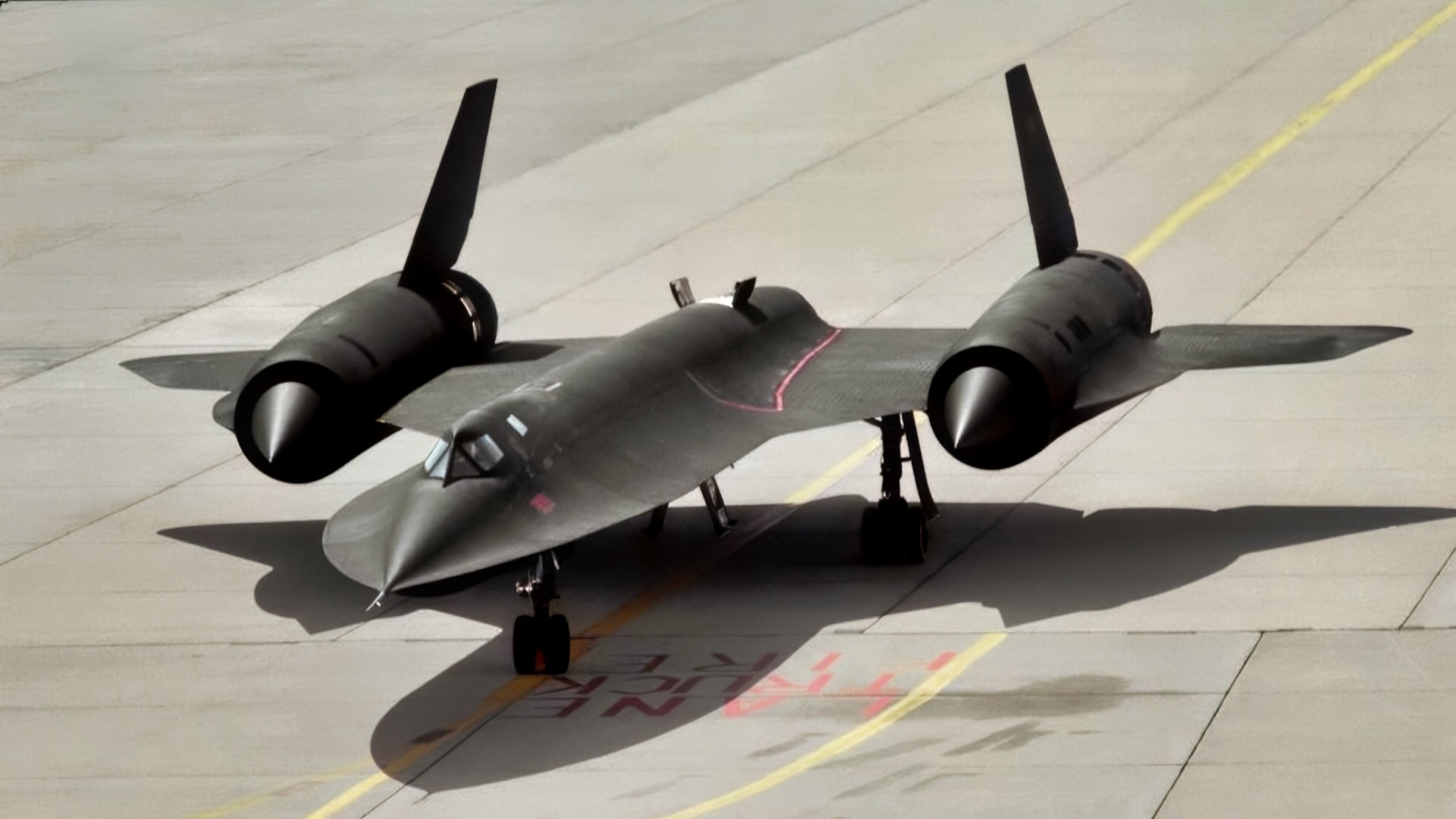
The SR-71 Blackbird was never really known for its gas mileage. The reconnaissance jet, developed back in the 1960s and retired in 1998, was famed for its speed and technical prowess. During a high-speed Mach 3 cruise, it could guzzle some 8,000 gallons of fuel an hour. But the pilots who managed these vehicles learned exactly how to master them.
The SR-71 Blackbird Took Everything a Pilot Had for Mach 3 Speed and 80,000 Feet
To run these jets, their best pilots had to delicately manage weight, center of gravity, trim, speed, and inlet airflow.
Atmospheric temperature, which pilots obviously had little control over, also impacted the aircraft’s performance on any given mission.
The Blackbird’s operation and propulsion system will receive fresh publicity this month when the Museum of Aviation in Warner Robins, Georgia, holds its “Blackbird Days” celebrations from September 24 to 26.
The museum promises visitors a chance to “hear directly from the people who made history,” with sessions on an operational day, aircraft dynamics, and “Propulsion-Inlet, Engine, Ejector.”
The Drag Issue
The scale of the jet’s fuel-requirement issue was hardly small.
There was little point in operating a fast, powerful jet if it could not keep in the air.
Propulsion specialist Peter Law notes that the jet’s engine had an unfueled range of 3,000 Miles, which could stretch to 15,000 miles with refueling. Smithsonian magazine attributed a blunt summary to designer Kelly Johnson: “Everything had to be invented—including the gas.”

SR-71 Blackbird over the Earth Creative Commons Photo
Former SR-71 pilot David Peters described the crew’s fuel-saving methods to The Aviation Geek Club.
Peters said that after departing from the tankers, the crew would manually select tank two for an aft transfer to “get the CG (center of gravity) aft as soon as possible.”
Shifting the CG rearward reduced the aerodynamic work required to maintain the pilot’s desired attitude.
“After level off at Mach 3, I would get the CG situated where the trim was at zero for a slight cruise climb, thus eliminating induced drag. Next I would have the aft doors in A position and manipulate the speed to close the forward doors as much as possible without creating an unstart. This might be anywhere from 3.0 to maybe as high as 3.04 or 5,” Peters detailed.
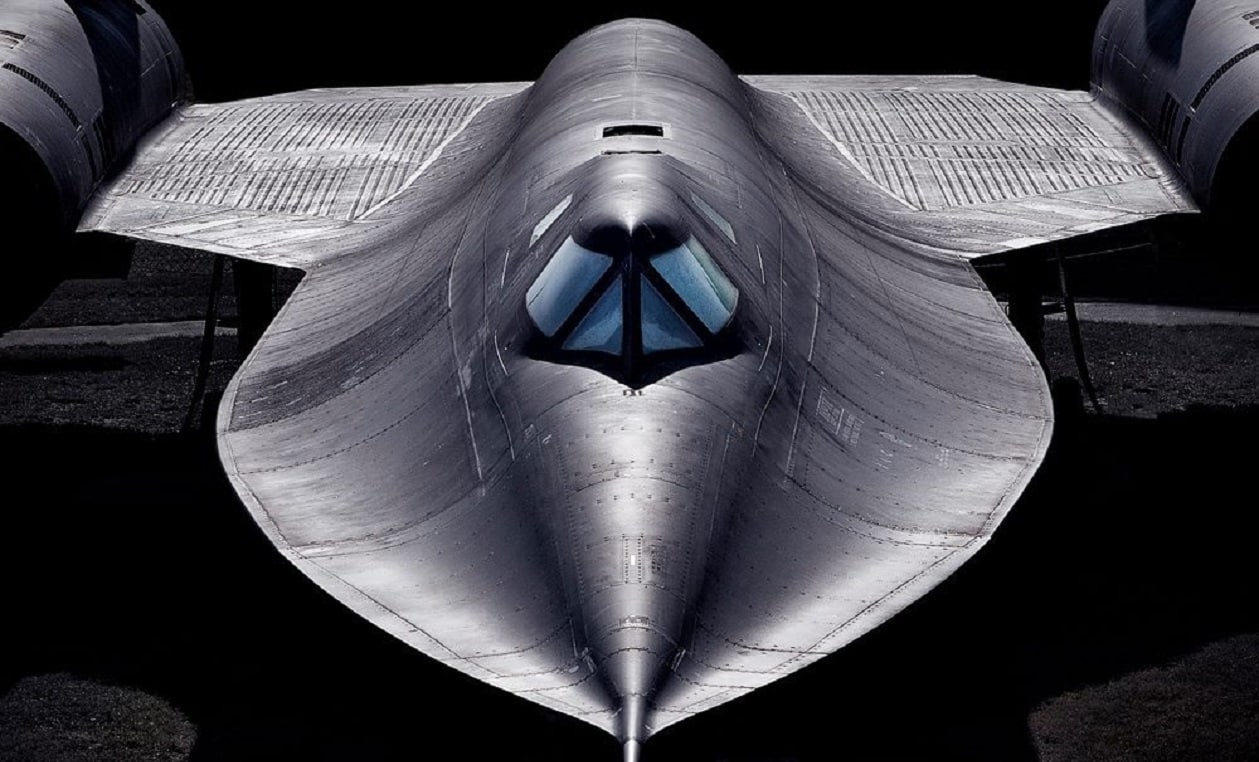
Upclose image of SR-71 Spy Plane. Image Credit: Creative Commons.
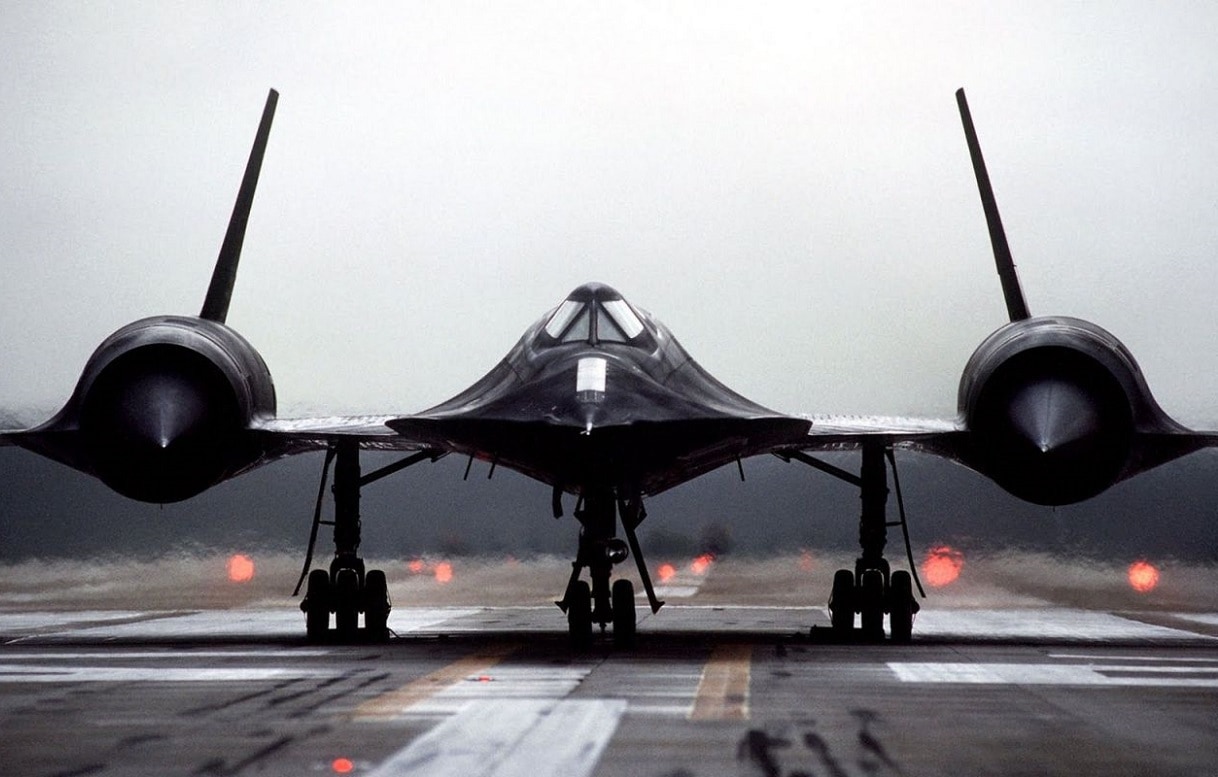
SR-71 Blackbird. Image: Creative Commons.
He also specified that if the air was “colder than standard,” it yielded better results. Warmer air did not.
‘Part Turbojet’
The American Society of Mechanical Engineers offers another concise description: the J58 “transitions from pure turbojet to part ramjet as it climbs to 90,000 ft. Its 9-stage compressor only provided 8.5:1 pressure ratio.”
Air reached the engine only after the inlet spike and shock-wave system had compressed and slowed it.
The Tankers Made the Range Possible
Specialized KC-135Q tanker support carried what the Michigan Air National Guard calls the SR-71’s “unique, low-volatility JP-7 fuel” in segregated tanks.
The Smithsonian notes that a typical mission could require “several aerial refueling operations,” which would take the Blackbird down from cruise altitude and back below supersonic speed.
Former SR-71 instructor pilot Col. Buzz Carpenter put the issue plainly: “If you flew a tanker, you are my hero.” He added, “I don’t think we ever missed a rendezvous with a tanker.”
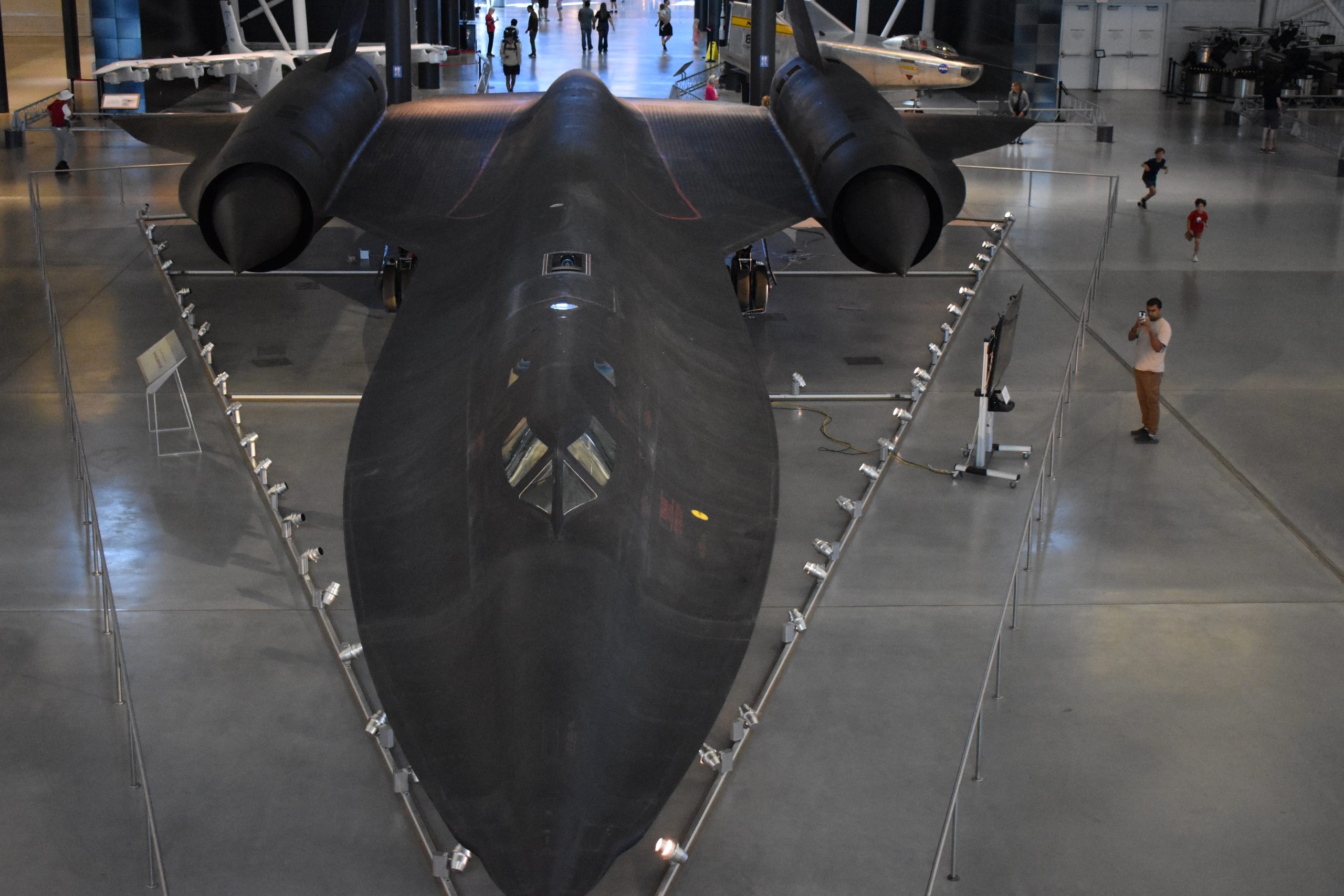
SR-71 at the Smithsonian. 19FortyFive Photo Archive Photo.
The Air Force’s official account says such missions usually require refueling about every two hours.
Despite its limitations, the aircraft was clearly formidable in its day.
The Smithsonian site’s summary wrote that: “No reconnaissance aircraft in history has operated globally in more hostile airspace or with such complete impunity than the SR-71, the world’s fastest jet-propelled aircraft. The Blackbird’s performance and operational achievements placed it at the pinnacle of aviation technology developments during the Cold War.”
While the times and technology have surely moved on, it is no wonder this powerful piece of kit continues to attract visitors and generate attention.
About the Author: Georgia Gilholy
Georgia Gilholy is a journalist based in the United Kingdom who has been published in Newsweek, The Times of Israel, and the Spectator. Gilholy writes about international politics, culture, and education.