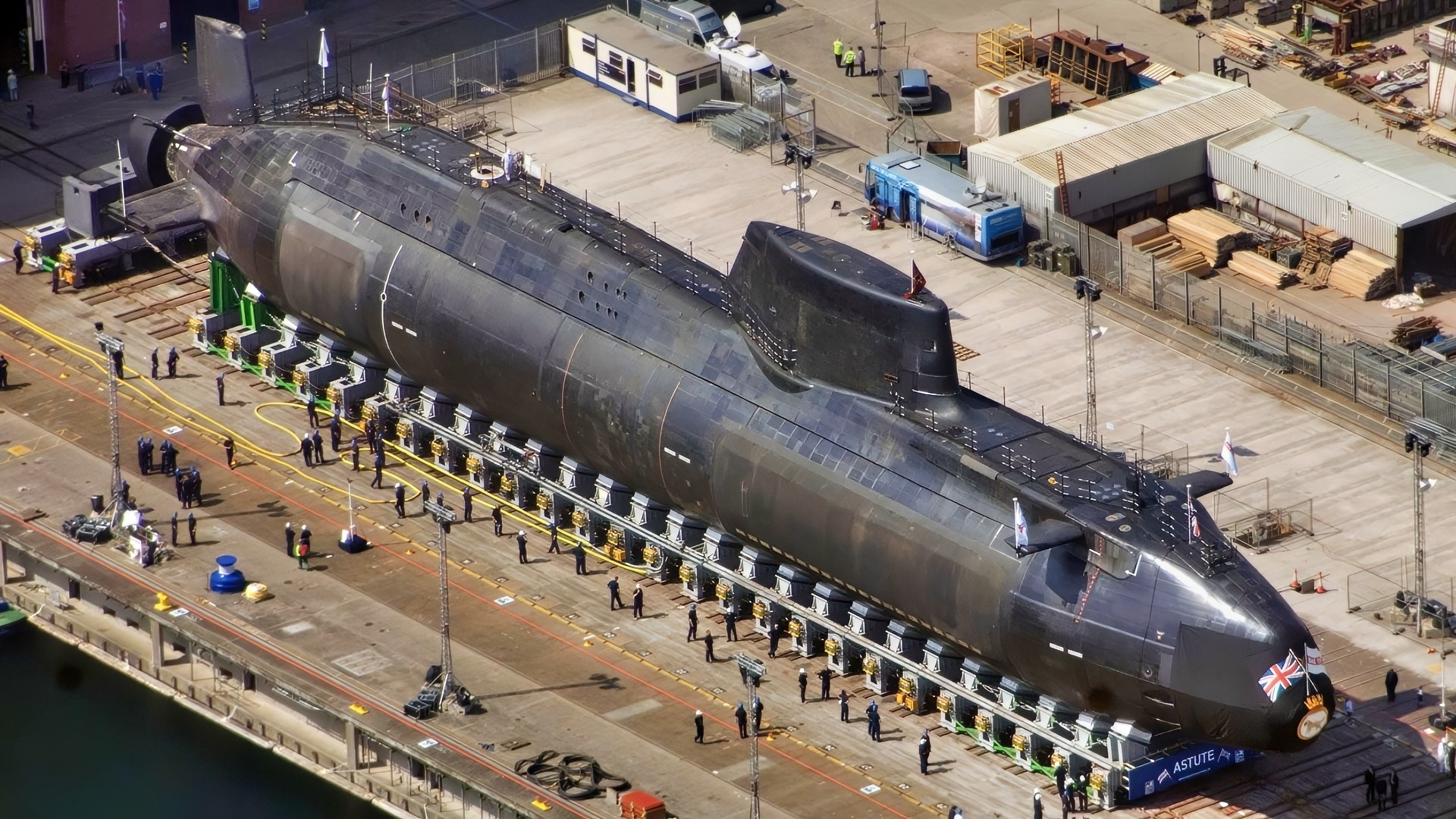
Summary and Key Points: Britain’s five Astute-class nuclear attack submarines were all in port in June, and Brandon Weichert argues the cause is a shipyard crisis: only two nuclear-certified yards and a mandate that puts the Vanguard missile submarines first. HMS Ambush has not sailed since 2022 and is being stripped for parts. HMS Agamemnon, launched in 2024, awaits sea trials, and HMS Achilles sits unfinished. Construction of the SSN-AUKUS replacement is due to begin in 2027.
The Astute-Class Submarine Crisis?
The British Royal Navy has been in decline since its peak (you know, when it controlled the world’s oceans a little more than a century ago?).
Anyway, the Royal Navy, once the greatest maritime force ever, now operates a nuclear-powered submarine fleet of just five Astute-class nuclear attack submarines.
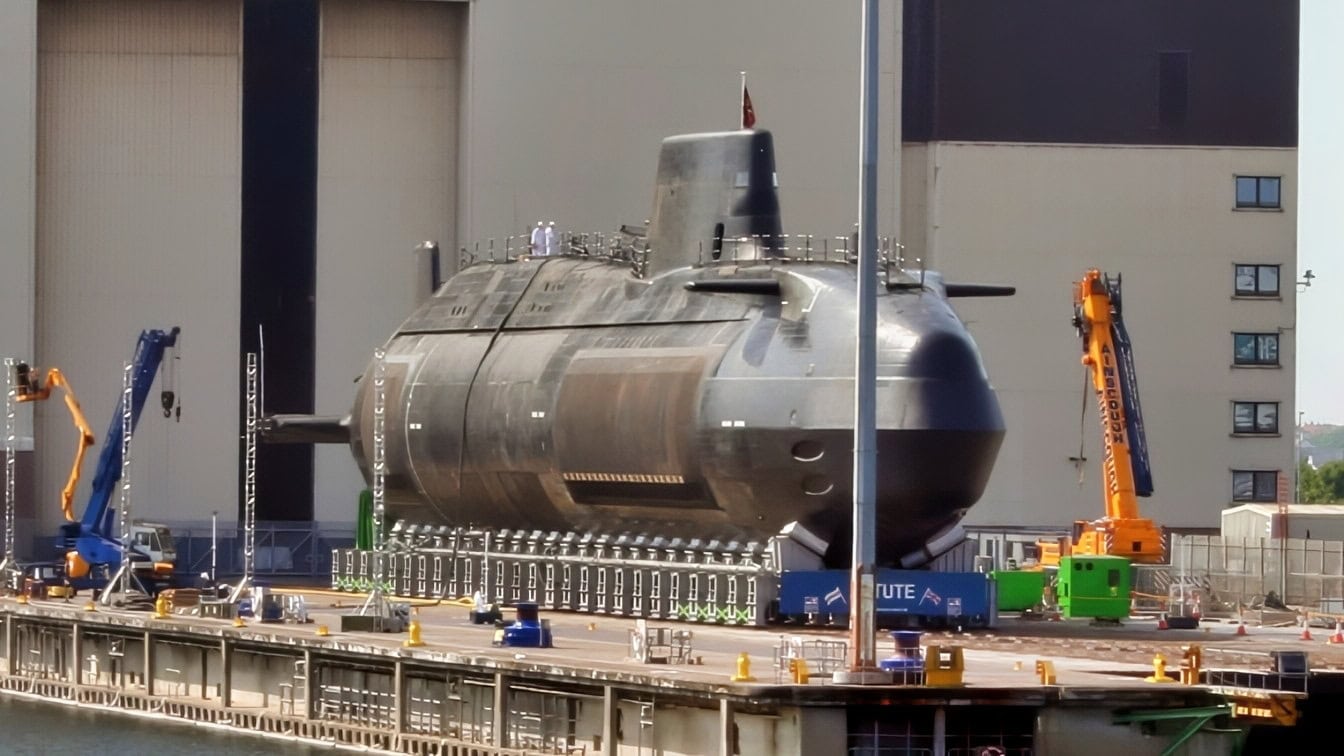
Astute-Class Submarine Creative Commons Photo
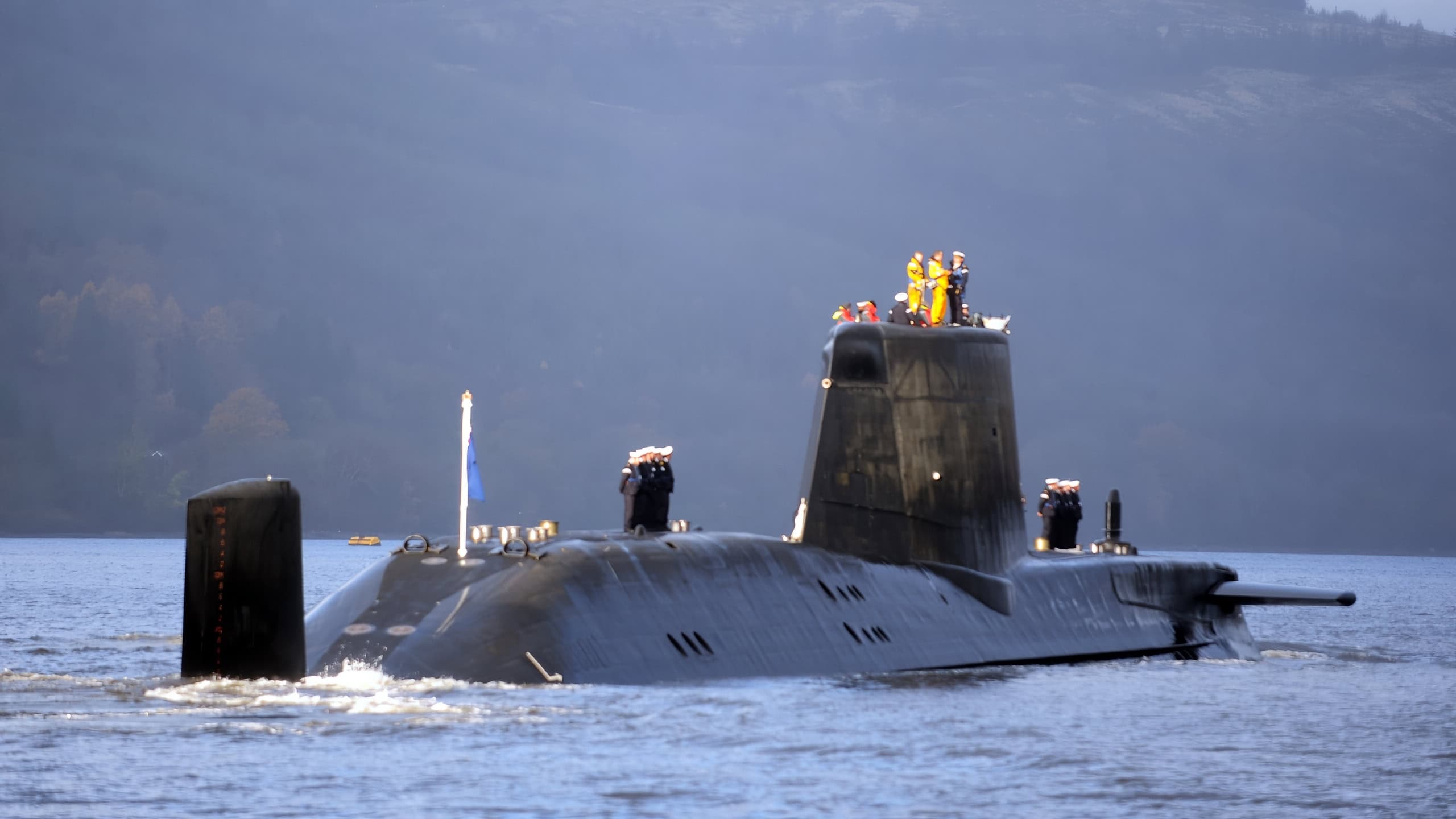
Astute-Class SSN Royal Navy
And those five Astute-class submarines were famously unavailable back in June, as the Royal Navy committed the cardinal sin of (lack of) readiness: not keeping them on a rotation so some are available while others are in port for maintenance.
This situation was not by choice.
London certainly did not want to be down to just five operational Astute-class subs. What’s more, the British Royal Navy certainly didn’t want a zero readiness rating for its Astute-class submarines.
Lack of Nuclear-Certified Drydocks
Britain doesn’t have a nuclear-powered attack-submarine crisis.
It has a naval shipyard crisis. Like the United States, Canada, and all the other Western powers, it does, too. Today, serious infrastructure bottlenecks cause significant backlogs.
Right now, the lack of nuclear-certified dry docks is a major problem. Even if Britain wanted to expand those nuclear-certified dry docks, it would take years and be subject to the whims of an unstable political leadership (and the painful realities of a turgid economy).
Until the nuclear-certified dry dock problem is resolved, the British Royal Navy will continue enduring a painful capabilities gap.
This comes as the British military warns it must expand its ranks because it perceives an increased threat from the Russian Federation. Britain is not ready for war with Russia.
In fact, Britain isn’t even ready for wartime production and maintenance. Even if it were, as the Royal Navy’s overall number of attack submarines suggests, the British military can’t meet the threat.
Under current conditions, British shipyards can service Astute-class nuclear-powered submarines only at specialized facilities in Devonport or Faslane.
But the British prioritize their nuclear deterrence mission set over their conventional undersea attack mission set; therefore, the aging Vanguard-class nuclear ballistic missile (SSBN) submarines take priority over the Astute-class submarines (even though the perceived threats that Britain faces on the High Seas today require more attack submarines being ready for war rather than the SSBNs).
The lack of space at Britain’s two nuclear-certified shipyards, combined with the legislative mandate to prioritize the Vanguard-class submarines, has created a perfect storm for Britain’s nuclear-powered attack submarine fleet.
And the rest of the British Royal Navy fleet isn’t doing much better, so it can’t plug the readiness and capability gaps this bottleneck in the Astute-class submarine force created.
If the British want to chase off Russian submarines in the North Sea or operate in the Arctic, they’ll struggle because of this major readiness crisis, driven by poor military support infrastructure in Britain.
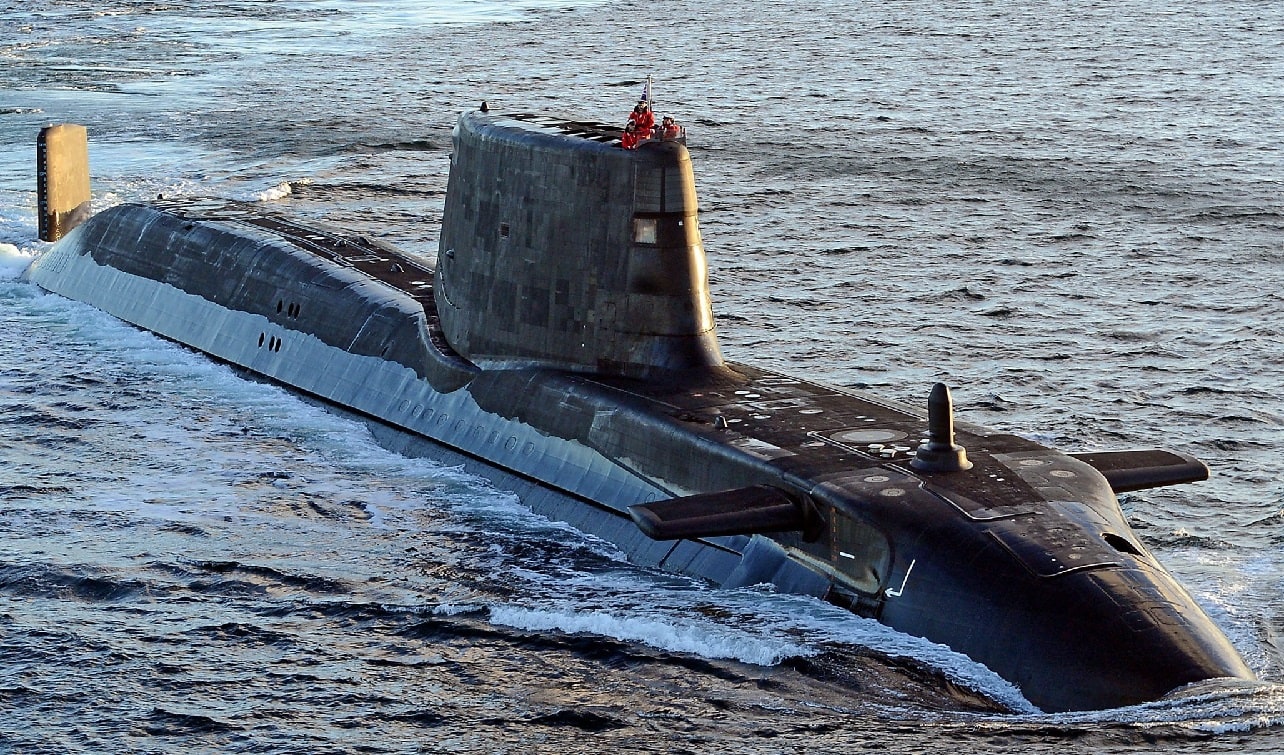
Astute class submarine HMS Ambush is pictured during sea trials near Scotland. Ambush, second of the nuclear powered attack submarines, was named in Barrow on 16 December 2010 and launched on 5 January 2011.
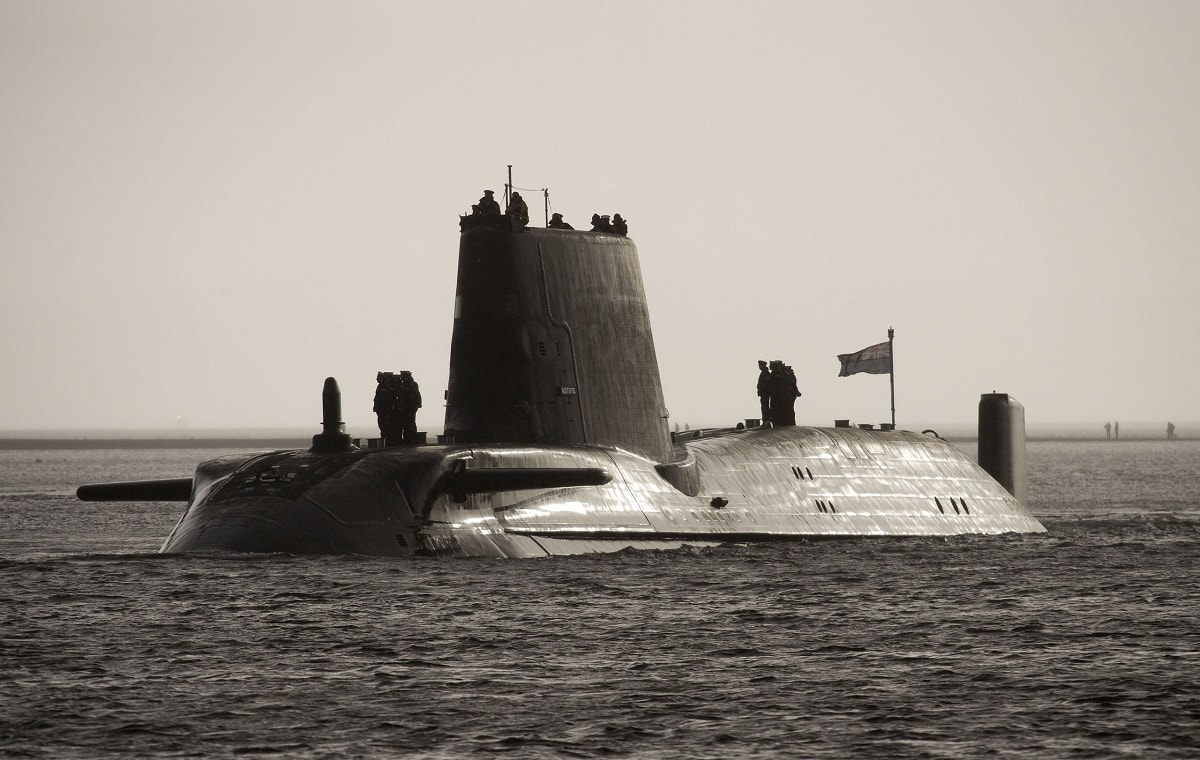
Image of Astute-class Submarine. Image Credit: Creative Commons.
Indeed, delays have become so severe and demands so high that the Royal Navy is drastically cannibalizing its Astute-class submarines to keep others operational.
For example, a report said HMS Ambush, which hasn’t sailed since 2022, was stripped for parts to keep the other four Astute-class hulls operational.
Development Hell
Meanwhile, the final two Astute-class units still under construction, HMS Agamemnon and HMS Achilles, are stuck in what Hollywood types call “Development Hell.” Agamemnon was launched in 2024. Yet it is now in the final stages of commissioning, and it has been there too long.
Experts don’t expect her to reach sea trials until, at the earliest, the end of this year.
As a point of speculation, how much do you want to bet on another delay for the Agamemnon, given the immense bottlenecks and slowdowns at Britain’s few remaining naval shipyards?
This is the cost of deindustrialization.
As for the final Astute-class submarine, HMS Achilles sits unfinished at BAE Systems.
That prioritization has slowed its development, and shipyard and supply-chain bottlenecks have slowed the force.
On top of that, London is pushing to build the Astute-class replacement, the SSN-AUKUS. There has already been steel-cutting for the first SSN-AUKUS.
Construction on that will begin in 2027. These submarines are supposed to enter service in the next decade.
How This Impacts AUKUS
The SSN-AUKUS is important because it is Britain’s role in the Australia-United Kingdom-United States (AUKUS) deal, which was meant to elevate the submarine development capabilities of both the United Kingdom and the United States while ensuring Australia became a bulwark against China’s growing naval power in the Indo-Pacific.
Given the sustainment issues with the five Astute-class nuclear attack submarines, it beggars belief that Britain can now fix that problem, build the final two Astute-class submarines, and have the SSN-AUKUS subs ready by next decade.
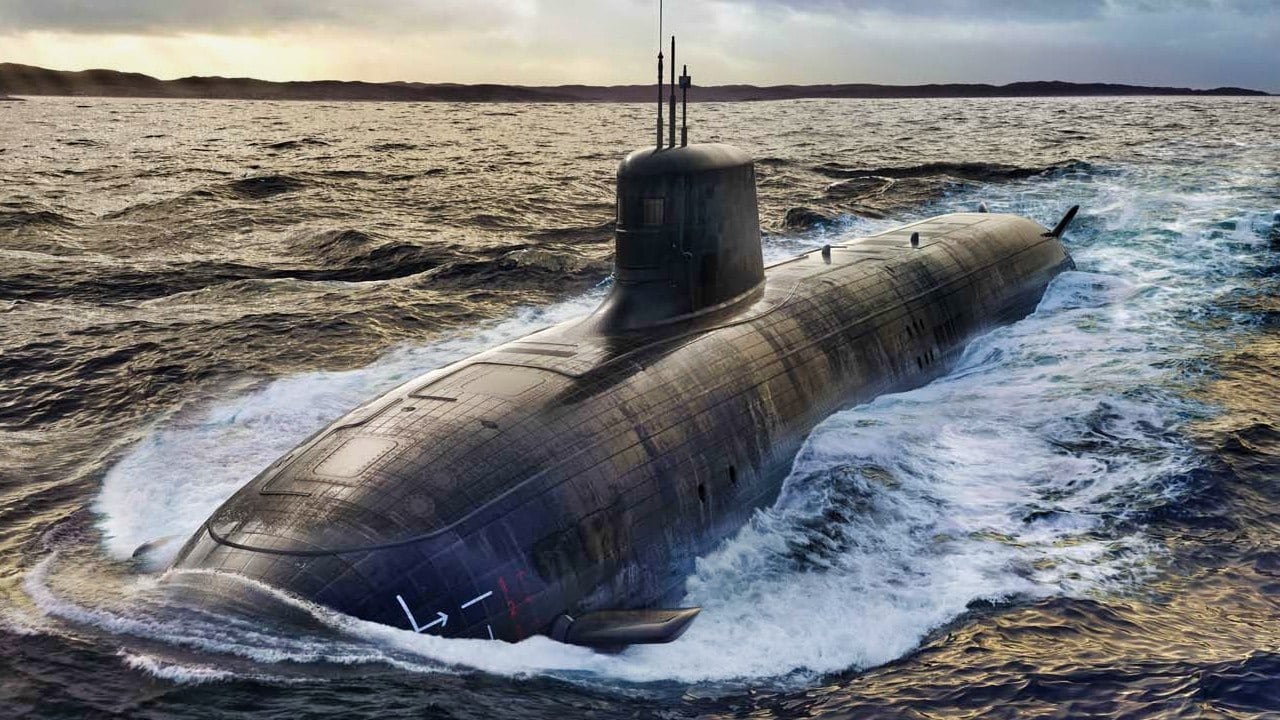
SSN-AUKUS Submarine. Image is Creative Commons Artist Rendering.
In fact, it’s completely unbelievable.
The entire West is experiencing a shipyard crisis. But the British crisis is particularly acute.
London has no real plan for overcoming it.
So, the chances that the Royal Navy will have the means to sustain its indigenous nuclear-powered attack submarine force in any meaningful way over the coming years are low.
About the Author: Brandon J. Weichert
Brandon J. Weichert is the Senior National Security Editor at 19FortyFive.com. He also manages The Weichert Brief on Substack. Weichert is the co-host for The Mario Nawfal Show on Twitter/X. He is the author of four bestselling national security books, most recently A Disaster of Our Own Making: How the West Lost Ukraine (Encounter Books). His next book, Fortress Americas: A New Monroe Doctrine (Tucker Carlson Books), is due out December 8. Follow him via Twitter/X @WeTheBrandon.