Does Ukraine need to change its message? – For four and a half years, Ukraine’s message to its allies has been simple: “Give us aid, and we’ll do the fighting.” Ukraine’s main request of its backers was simply to write a check. No Western troops needed to go into harm’s way. NATO nations would provide intelligence and logistics help, but Ukraine’s army would do all the fighting against Russian forces. In so doing, Ukraine would not only save its own independence but cripple Russia’s ability to wage war on anyone else.
Ukraine has essentially held to this public position since Russia’s full-scale invasion in 2022. But under current circumstances, is such a bargain still possible? With Russia striking Ukraine ever harder and Ukraine’s support in the West faltering, does Ukraine need much more help than it is getting now? If so, its public messaging needs a significant shift in tone and content.
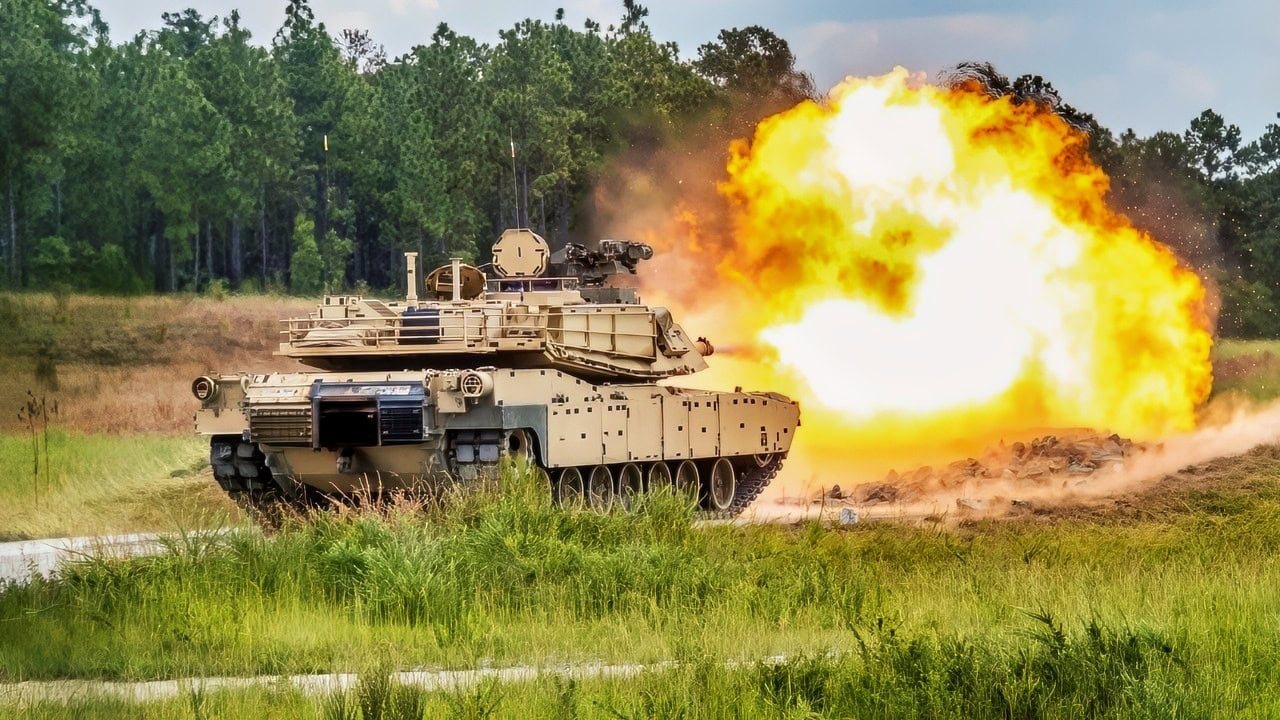
An M1 Abrams tank, operated by U.S. Soldiers assigned to the 2nd Battalion, 69th Armor Regiment, 2nd Armored Brigade Combat Team, 3rd Infantry Division, conduct a Table V live-fire exercise during Spartan Focus at Fort Stewart, Georgia, Feb. 1, 2026. The Marne Division is innovating, experimenting and investing in emerging technologies to dominate the battlefield. (U.S. Army photo by Staff Sgt. Anthony Herrera)

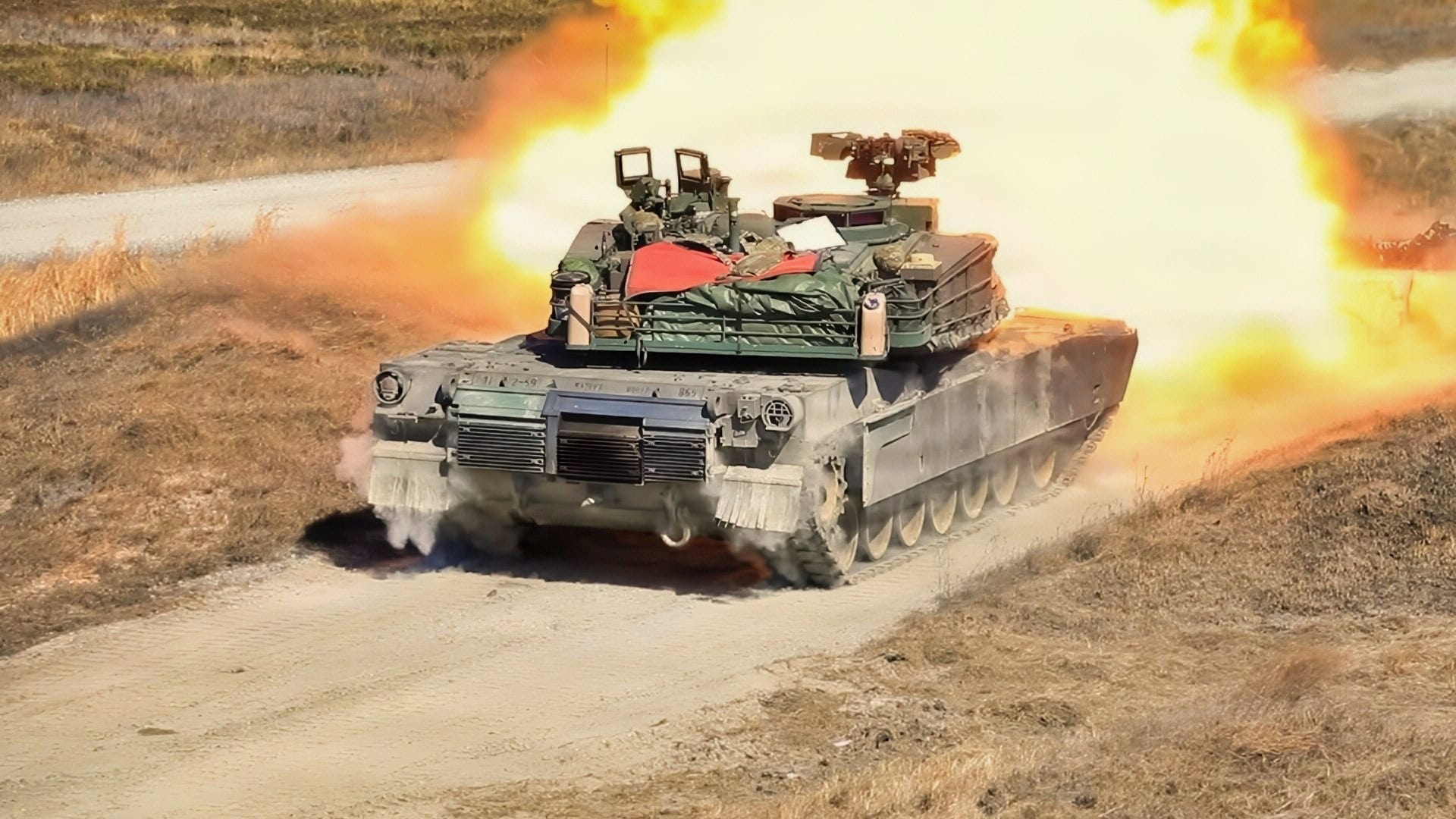
U.S. Soldiers assigned to the 1st Armored Brigade Combat Team, 1st Armored Division fire at a target from an M1 Abrams main battle tank during Rotation 26-01 at the National Training Center, Fort Irwin, Calif., Oct. 17, 2025. Rotations at the National Training Center ensure Army Brigade Combat Teams remain versatile, responsive, and consistently available for future and current contingencies. (U.S. Army photo by Cpl. Anna Mae Tumacder, Operations Group, National Training Center)
Western nations supported Ukraine in the war’s first years with minimal effort. From a safe distance, they were able, politically and economically, to keep Kyiv in the fight while Russia bled lives and treasure. Sanctions on Russia, especially those barring oil and gas imports, were costly but not devastating to their economies. Popular support for Kyiv was high. Each winter, grim warnings emerged about whether Ukraine could survive, but each year it endured. For Europe and the United States, the war was not a daily emergency. It was largely a walled-off conflict.
Over the past year or two, however, the situation around the war has changed significantly. Russian bombs are pummeling Ukrainian cities like never before. This winter looks to be unusually grim. The Trump administration, which has reverted to blaming Ukraine for the war, could strip it of vital intelligence and communications support. European nations cannot provide everything Ukraine needs.
Meanwhile, growing instances of arson by Russian agents inside Western countries, cyberattacks against their infrastructure, and drone intrusions into their airspace have punctured the idea that the war is safely isolated “over there.” As their economies struggle, Western citizens are growing impatient with the diversion of large sums of money to Ukraine’s defense. Some can barely remember when the war started and have lost track of what is at stake.
Ukraine has always been proud of its ability to defend itself, arguing that, with proper support, David is more than an equal to Goliath. But some of that support is no longer there. Although it would be psychologically wrenching for Kyiv, does it need to state frankly now that Goliath is gaining over David? Does it need to convey that the war is reaching an existential point where a far more aggressive response by Ukraine’s remaining allies has become essential?
Ukraine’s message would not be that it has lost its prodigious abilities or nerve, but that the war’s overall context has changed dramatically. Through no fault of Kyiv’s, the war has become embedded in a much larger geopolitical contest. Iran, North Korea, and China are all aiding Russia; a victory for Moscow against Kyiv would embolden all three nations in their own strategically critical parts of the world.
If Ukraine adopted a more alarmist tone, what might it ask of its allies? It could seek various forms of direct military intervention in Ukraine, especially in air defense; increased military pressure on Russia in the Baltics; weapons, such as Germany’s Taurus missiles, that are still denied to Ukraine; or partners in a massive messaging campaign to Russia’s population, directly aimed at undermining Vladimir Putin. Ukraine would also undoubtedly like to see Western nations retaliate in some visible way for Russian attacks on their territory.
Ukraine might also adapt its public messaging to be “less Ukraine, more Russia” – that is, to focus on the kind of state Russia is and the need to counter its threat overall rather than talk primarily about Ukraine, with all its complex history and flaws that its enemies exploit.
If Ukraine does decide to convey publicly that its situation has become more critical, time is short to rally its allies to major new action. By April, French President Emmanuel Macron, one of Ukraine’s biggest supporters, could be replaced by Marine Le Pen, who has spoken of cutting off financial aid to Ukraine and scaling down military assistance to defensive equipment and training. Britain’s military budget is under severe strain, and Germany’s rising AfD party favors cutting off all aid to Kyiv. The U.S. could still harden its stand against Ukraine.
Despite all these challenges, Ukraine may still calculate it can stay the course militarily. It continues to receive significant aid, especially from the EU, and now builds many of its own weapons. It still has powerful and reliable allies, including the Nordic nations. Trump’s accommodation of Russia could eventually end if his concessions to the Kremlin fail to bring about a ceasefire.
If Ukraine believes it still has what it needs to fight, it has no need to ring a louder alarm bell. However, if it feels the war has become existential, it may have a limited window to send the world a new, more distressing message.
About the Author: Thomas Kent
Thomas Kent is a senior fellow for strategic communication at the American Foreign Policy Council in Washington, DC, and author of The Propaganda Manual of the Ukraine War (AFPC Press, 2026).