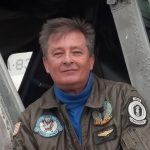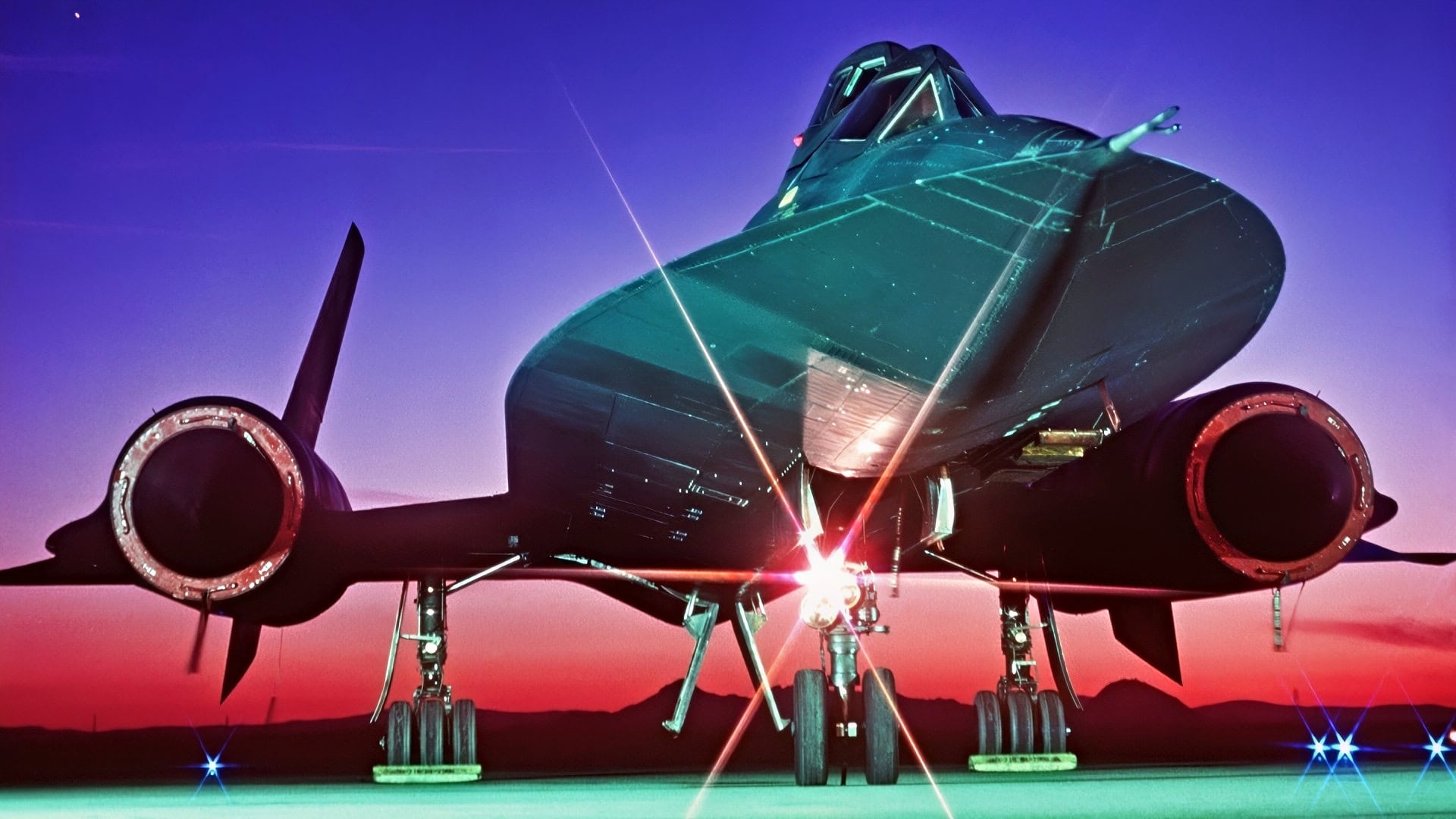
Summary and Key Points: Lockheed SR-71 Blackbird US Air Force pilot Dave Peters took off from Kadena at 10 AM on a Saturday, refueled three times across 6,100 miles of Pacific, and arrived at Beale in time for Friday happy hour at 4:30 PM, 17 1/2 hours before he left. Peters holds the SR-71 flight-time record at 1,217.3 hours. He dead-sticked a Blackbird onto Kadena with both engines out in 1979 and swerved around a volcanic cloud over Cuba in 1980.
Lockheed SR-71 Blackbird Was a ‘Time Machine’
The SR-71 was so fast it could get you to a destination 17.5 hours before you left, according to SR-71 pilot Dave Peters in a 2022 Interview.
He is one of the few men in history to fill out a debriefing report stating he landed at an Air Force Base more than 17 hours before taking off from another.
The Blackbird may be as close to an actual Time-Machine as we mortals will ever know.
The story, as he tells it, goes like this. Peters and his back-seater, Ed Bethart, were at Kadena Air Base in Okinawa as part of an SR-71 detachment.
One SR-71 was scheduled to be swapped out for maintenance for a fresh aircraft.
Peters and Bethart were scheduled to fly it back to Beale Air Force Base in California, on the other side of the Pacific Ocean.
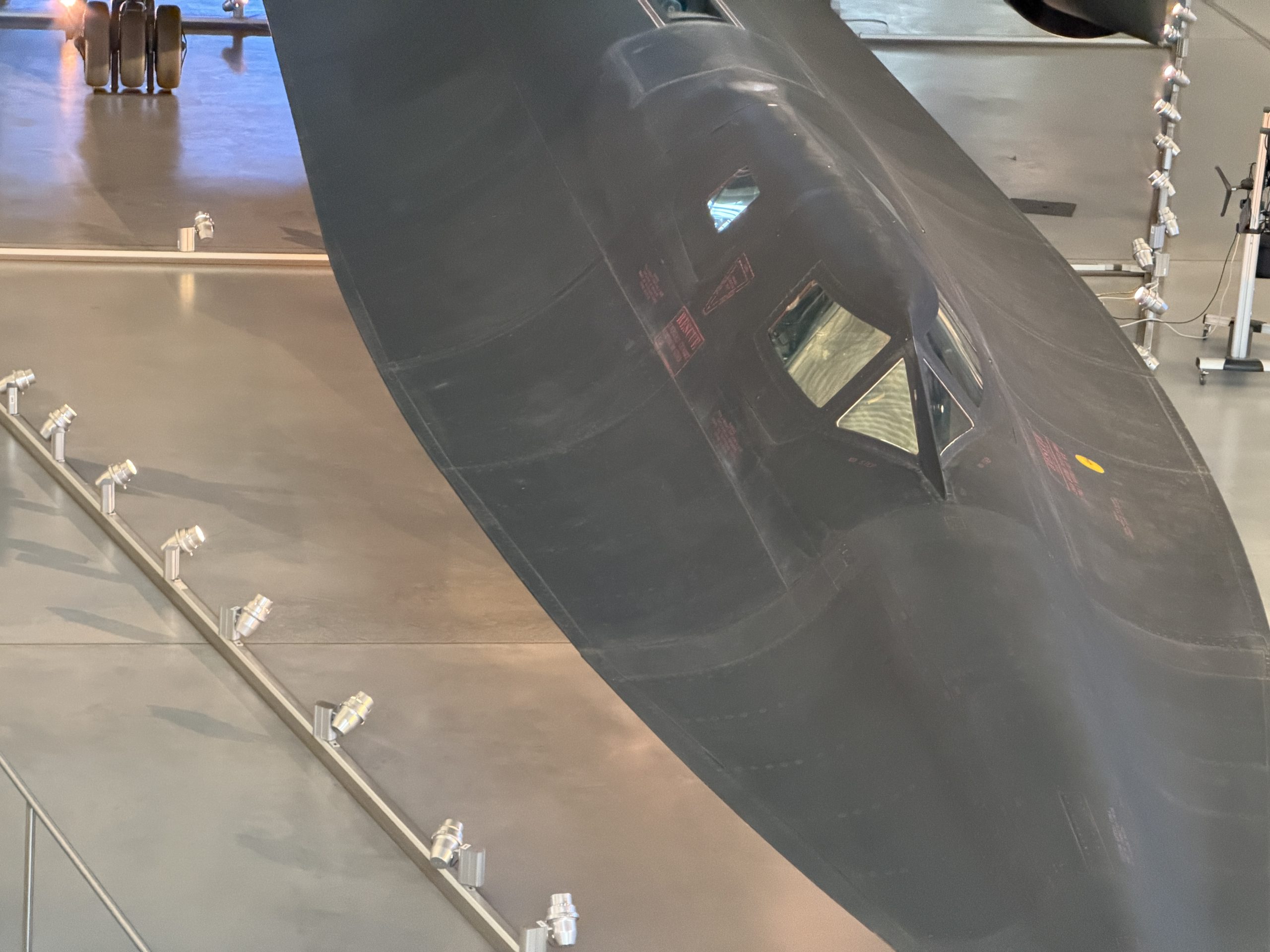
SR-71 Blackbird at Steven F. Udvar-Hazy Center Taken on 10/23/2026.
Peters picks up the story:
“The replacement came in on Friday, and we were to leave Saturday morning.
So, in true Habu tradition,n we welcomed the incoming crew and went to happy hour Friday evening at the officers club (‘Habu’ refers to the nickname of the SR-71).”
“We got up Saturday morning and got ready to go home. Departure was scheduled for 1000 (10 AM). Everything went well, and we departed right on time. We headed out to make a pass through the Korean DMZ, then into the tankers in the Sea of Japan. Good refueling and climb-out, headed for the Sea of Okhotsk and the Kamchatka Peninsula of Russia, then to more tankers off of Adak in the Aleutian Islands. Another good refueling, then on to Beale AFB, California. We arrived with a low approach, pulled up into a closed pattern,n and landed. Following de-suiting and debrief, we deposited our classified flight documents, jumped in a car, and arrived at the officers’ club for Friday night happy hour at 1630, 17 1/2 hours before we left Kadena.”
For SR-71 Pilots, The Extraordinary Was Routine
One remarkable thing about this story is how routine it seemed for SR-71 pilots like Peters to fly 6,100 miles across the Pacific on a long northern arc over Alaska and back down to California.
Another is that, on that time-bending flight, he refueled three times behind a tanker.
The first was at relatively low altitude and speed because the Blackbird only took off carrying about 50-75% of its fuel.
Still, the other two involved the Blackbird descending from 80,000 to less than 30,000 feet and slowing from Mach 3.2 to a subsonic Mach 0.8 to set up behind what seemed to be a lumbering tanker.
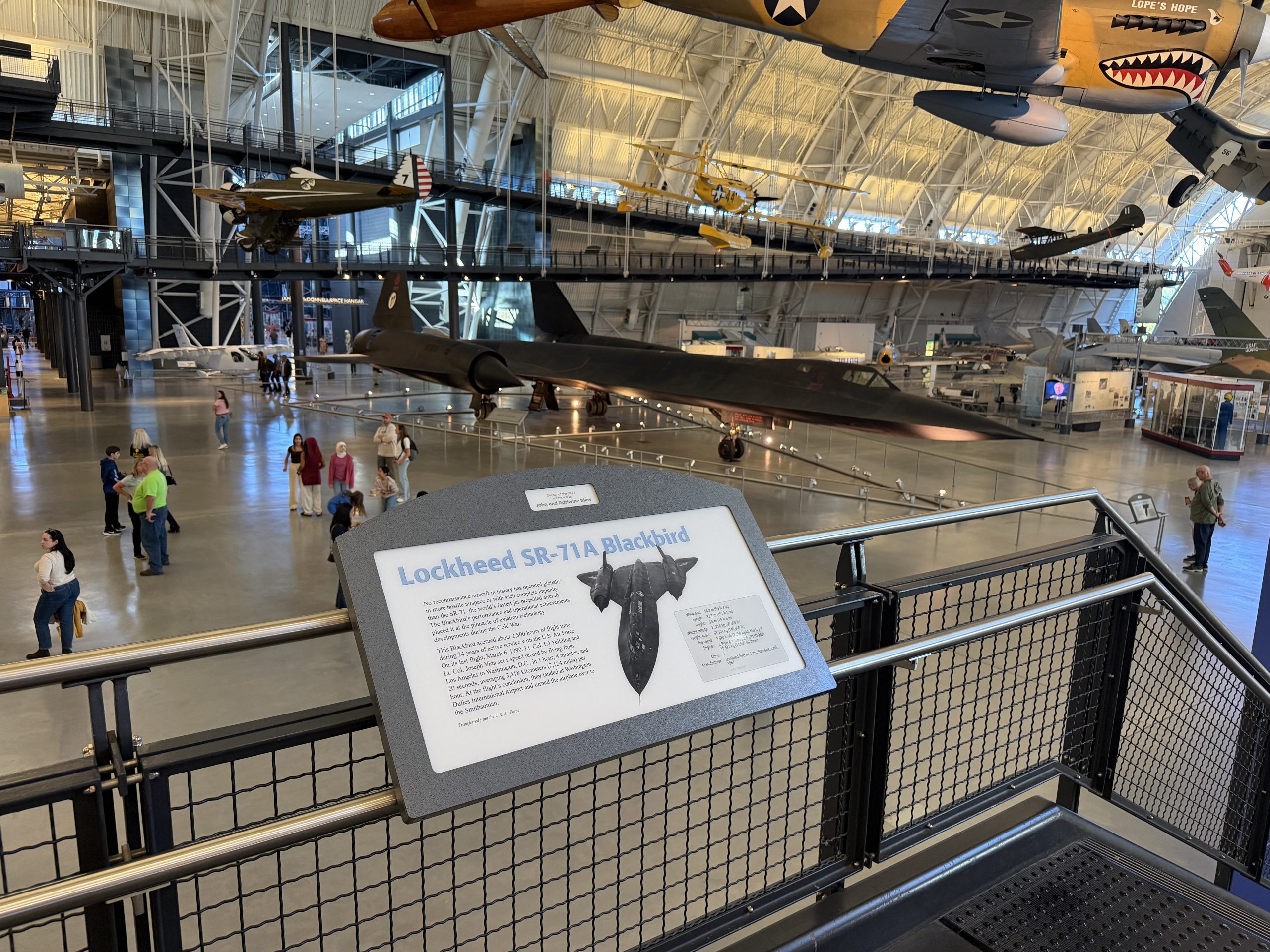
SR-71 Blackbird at Steven F. Udvar-Hazy Center Taken on 10/23/2026.
Each evolution took about 30 minutes and was planned to the second.
Had he not had to refuel, he would have arrived about 19 hours before his departure time, not far off a full day.
Crossing the international date line is one thing; crossing it by more than 17 hours is quite another.
Lt Col Dave Peters Had The Most SR-71 Flight Time Of Any Pilot
Lt Col. Dave Peters holds the record for the most SR-71 flight hours, with 1,217.3, and not without competition.
86 pilots have flown the Blackbird as well.
To give you a sense of how rare a breed SR-71 pilots are, 637 people have been astronauts.
He also holds the distinction of being among the few pilots to fly all three of the US military’s secret reconnaissance aircraft: The SR-71, the RB-57, and the U-2 and its variants.
He Made A Dead-stick Landing In An SR-71 With Both Engines Out Cold
In 1979, after another North Korean flyover, Peters experienced the loss of both engines in an SR-71 while trying to return to Kadena on Okinawa.
He made a dead-stick landing in an aircraft nearly as long as a Boeing 737-700, using a parachute to bring it to a complete stop.
For saving the aircraft and the life of his back-seater, the Air Force awarded Peters the Koren Kolligian Jr. Trophy, given annually for outstanding achievement in preserving an aircraft and its crew.
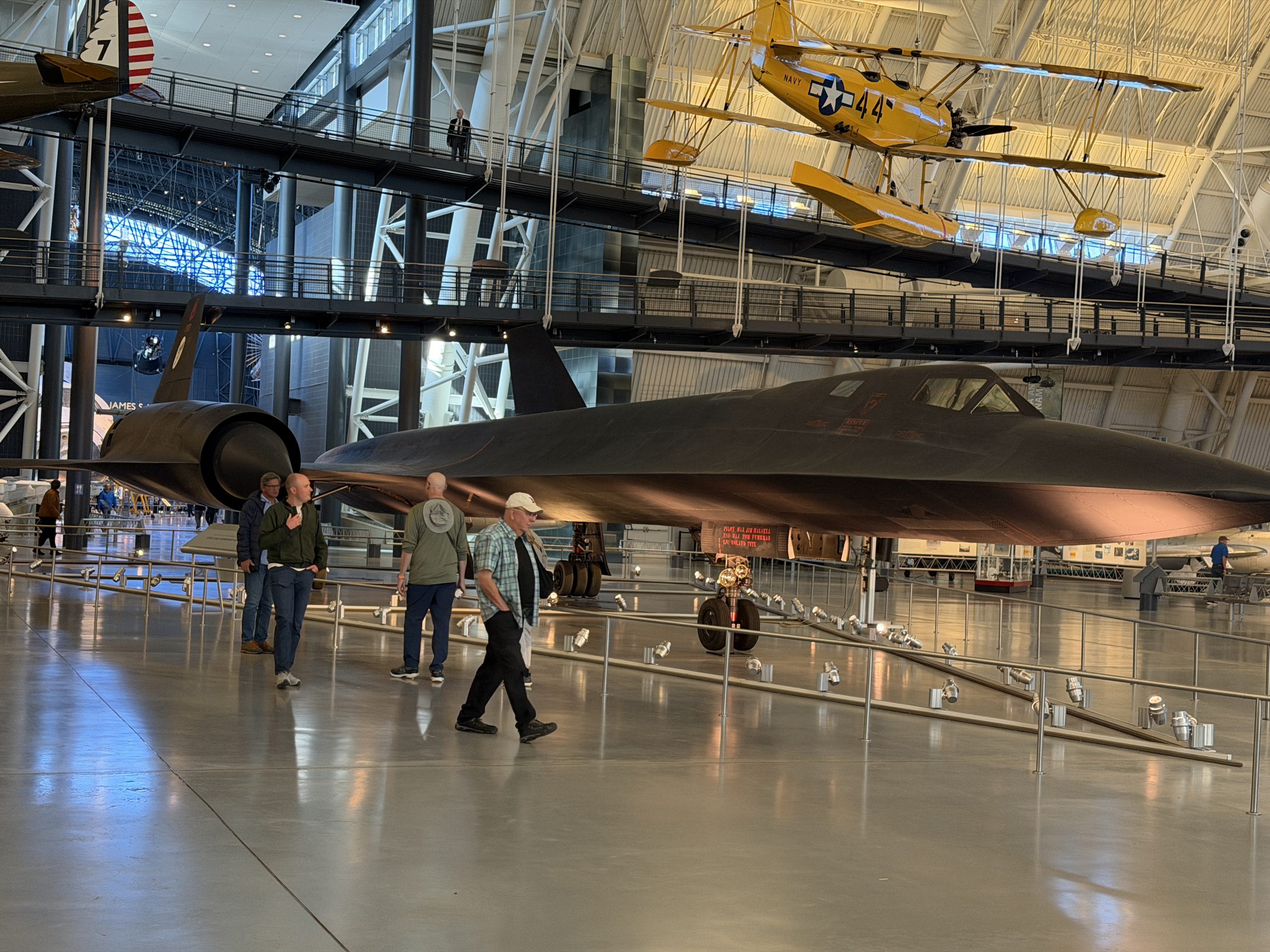
SR-71 Blackbird at Steven F. Udvar-Hazy Center Taken on 10/23/2026.
Peters later said he wasn’t too concerned about landing on just one engine, as he had done it many times.
A Huge Volcanic Cloud Over Cuba Almost Swallowed His SR-71
In 1980, Peters also had a close call with an enormous volcanic cloud over Cuba.
At Mach 3.2, avoiding a cloud covering an entire island is always a close call, especially when it comes of turning and fuel consumption.
Had he entered that cloud, the fine, highly abrasive ash meeting the two turbines spinning at 7,000 rpm would have destroyed his engines at 72,000 feet.
In telling his story about landing more than 17 hours before he took off, Peters offered a whimsical challenge to future pilots, saying in his interview,
“Try that in any aircraft other than the SR-71. Besides, this is actually a true story.”
About the Author: Sean Spoonts
Sean Spoonts is the former Editor-In-Chief of SOFREP.com. He is a military analyst, writer, and commentator whose work has appeared in Newsweek, CNS News, Ukrinform, and various military/veteran media networks and professional publications, including the Military Intelligence Professional Bulletin. He is a U.S. Navy veteran, having served as an Aviation Anti-Submarine Warfare Operator and Search and Rescue Helicopter Aircrewman.