
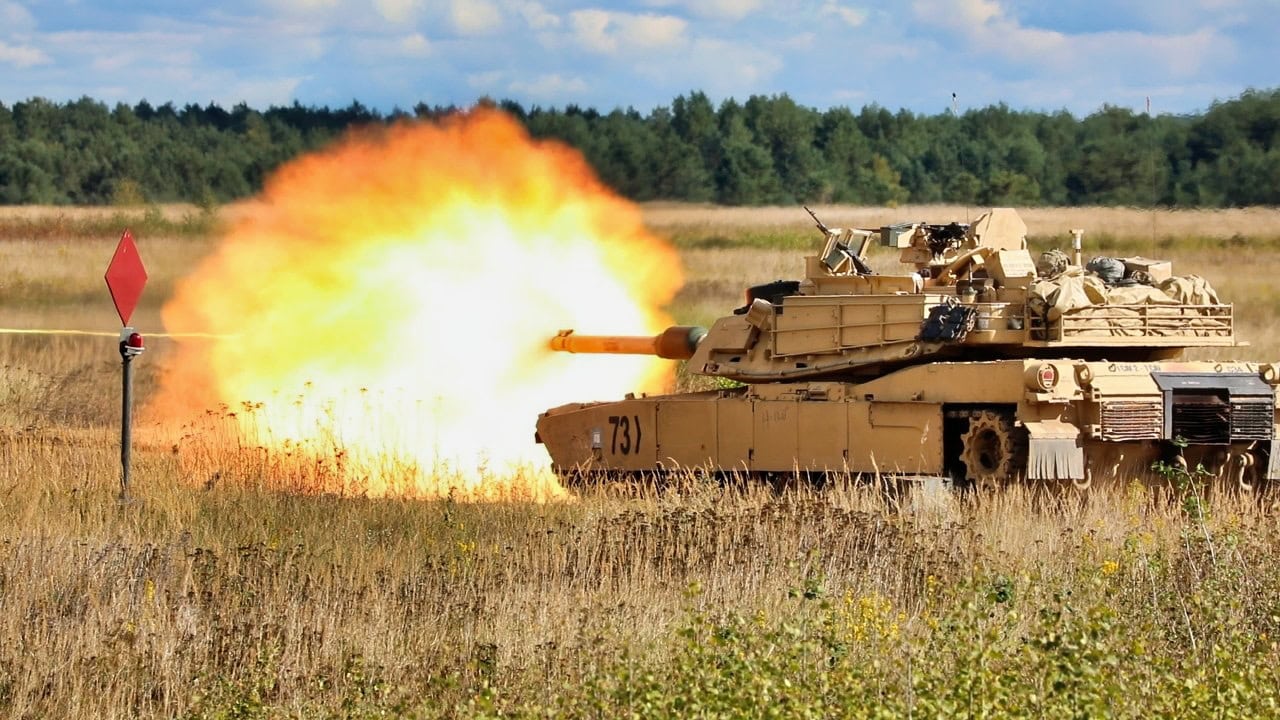
The Trump administration’s policy toward Russia and Ukraine continues to rattle the NATO alliance, as criticism that America appears to be siding with Moscow against Kyiv deepens mistrust in European capitals. The president’s reported receptivity to Putin’s proposal to hold a U.S.-China-Russia trilateral in China to settle the war in Ukraine—without Ukraine or Europe participating—has fueled fears that Washington may be willing to risk the cohesion of the NATO alliance as it pursues a new great power concert. The Russian proposal – if accepted in this format – would elevate Russia and China to the same negotiating table as the United States while excluding Ukraine from the initial discussions. If implemented, the consequences for the transatlantic alliance could be profound.
The “Kissinger-in-Reverse” Argument
Inside the Beltway, supporters of the administration’s current Russia policy maintain that it remains on target. They argue that, whether one likes it or not, the world is heading toward a new spheres-of-influence paradigm, much like the Concert of Europe in the 19th century after the Napoleonic Wars, which deflected the risk of another war and allowed great powers to coexist. Some contend that accommodating Russia’s sphere of influence in Eastern Europe is inevitable and would have the added benefit of widening the gap between Moscow and Beijing, opening lucrative U.S. business opportunities with Russia, and increasing America’s influence vis-à-vis China – all at a relatively low cost.
Since the beginning of the second Trump administration, this “Kissinger-in-reverse” concept, reminiscent of the Nixon administration’s 1971 decision to engage with the PRC to rebalance its relationship with the USSR, has been touted by the administration’s supporters as simply realistic, smart geopolitics. If successful, proponents argue, it will free American resources now committed to Europe for the Indo-Pacific theater while significantly complicating Beijing’s geostrategic calculus in Asia.
In other words, “Kissinger-in-reverse” would square neatly with the pivot to Asia, and at a manageable cost.
Why the Historical Analogy Fails
On paper, this take on Kissinger’s historic design looks like clever great-power politics. In practice, it risks stripping America of most of its European allies and making a U.S.-China war in the Indo-Pacific more, not less, likely.
Moscow has been adept at sustaining Washington’s dreams of a new great-power concert that would replace decades of liberal musing about a rules-based international order. True, as liberalism wanes across the globe, a U.S.-Russia-China deal would undoubtedly validate hard-core realism and end the era of normative, values-laden language in international relations. The problem is that no such deal is on offer.
History offers no case of great-power rivals choosing a soft landing simply because one of them wanted it. The Concert of Europe emerged in the aftermath of a series of devastating wars driven by France’s imperial ambition pushing across Europe and into Russia.
The principals – Britain, Russia, Prussia, and Austria – were all invested in containing France, ending the carnage, and, most importantly, preventing another future Napoleon from wrecking the fragile balance of power. The restored French monarchy was eventually brought into the deal as well. The Concert of Europe aimed to restore the balance of power wrecked by a quarter century of war.
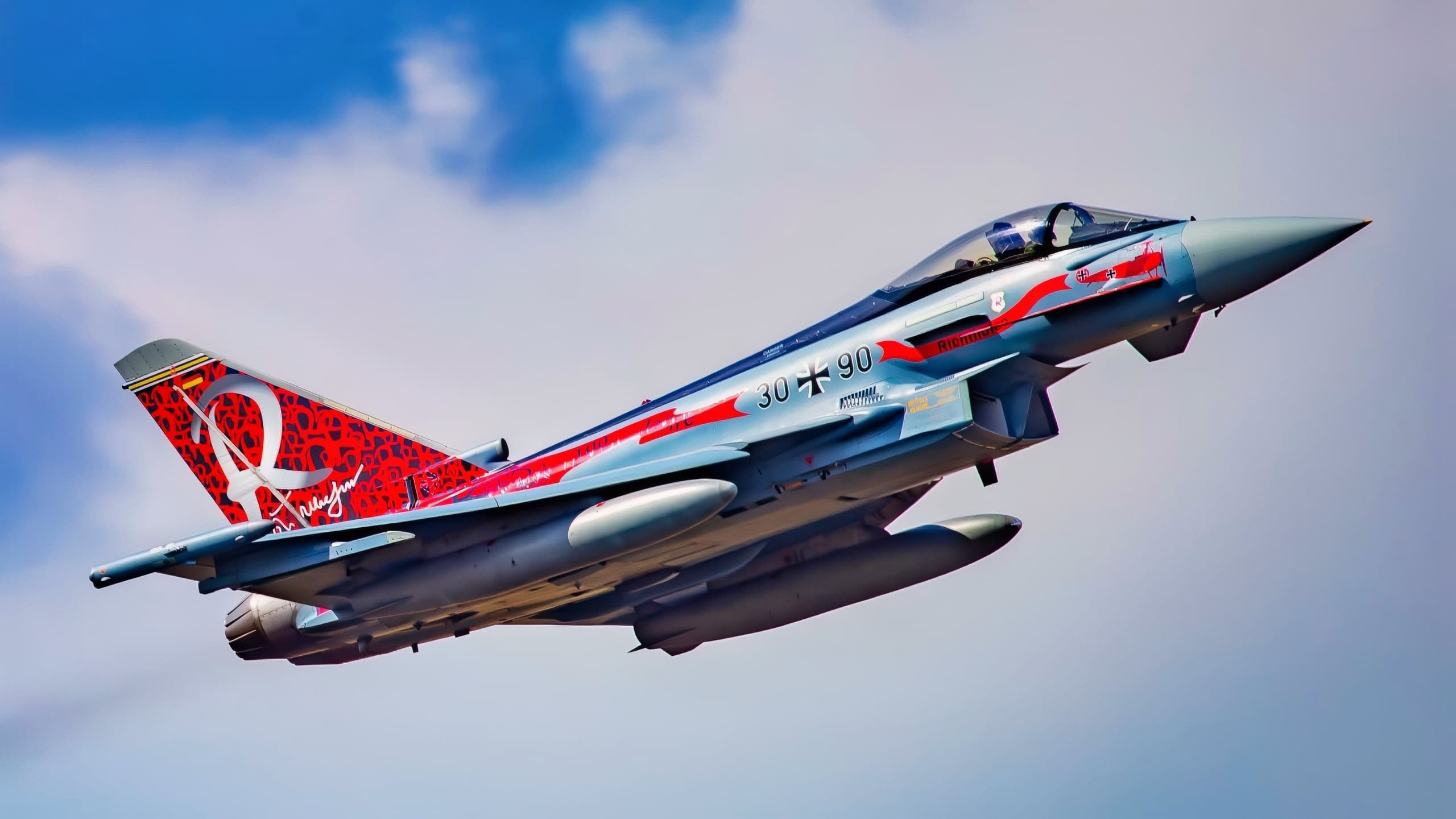
Eurofighter Typhoon In The Sky NATO. Image Credit: Creative Commons.
That is emphatically not the case today, when great power conflict is only in its early stages, China is rising as an ever-more confident challenger to U.S. supremacy in the Pacific, and Russia remains dead set on pursuing its neoimperial revisionist goals in Europe. Unlike in the post-Napoleonic era, there is no basis today for a grand strategic bargain, only for a tactical adjustment to gain advantage in a future system-transforming war.
Holding such a summit in China would serve mainly Beijing and Moscow, raising the former’s standing and validating the latter’s great power aspirations. For the United States, such a summit would mark a significant setback to its great power position, with ripple effects across key strategic theaters.
NATO Would Be the Biggest Loser
The biggest loser if such a policy were implemented would be NATO, since excluding Europe from negotiations to end a war in Europe could amount to invalidating the alliance. It is true that a number of key European powers have dragged their feet on assisting Ukraine and sanctioning Russia, talking out of both sides of their mouths as they continue to buy Russian energy and run backdoor negotiations with Moscow.
With a few notable exceptions among allies along NATO’s eastern flank, especially countries in the Nordic/Baltic Northeast Corridor, they have also been delinquent on defense spending for three decades, leaving Europe largely disarmed at a time when the risk of wider war is rising exponentially.
The second Trump administration pushed Europe hard, and rightly so, to reinvest in defense and assume primary responsibility for NATO’s core conventional defenses. The relationship came under additional stress over tariffs and the alleged plans to seize Greenland from Denmark, but through it all the alliance held, because Europeans still assumed the United States was the ultimate guarantor of their security.
If Washington’s intent now is to discipline the Europeans, it will get the opposite: some allies already see America’s behavior as a license to openly reconnect with Moscow on trade and “negotiate a deal” of their own that can only be reached at the expense of Ukraine and countries in Central Europe. Politicians in Europe already speak of the imperative to open their own channels of communication with Moscow.
The China Factor in Europe
More important still, the Trump administration’s increasingly intense search for a deal on Ukraine is likely to increase China’s standing in Europe, making Beijing a preferred economic partner and, by extension, raising its political influence in Europe.
No other factor will define transatlantic relations going forward more than how Europe positions itself vis-à-vis China, not even Europe’s relations with Russia. For all the grand rhetoric about Europe’s strategic autonomy or the EU evolving into a defense and security provider, Europe is in no position today, nor will it be for at least another decade if ever, to become a unitary, autonomous national security actor.
In short, what is likely to emerge instead is a shifting “paradigm of sponsorship”: as America’s influence in Europe wanes, China’s – and by extension Russia’s – will increase. This is not an outcome the United States should want, because continued access to Europe and the ability to keep a hostile power from dominating it and the Eurasian landmass remain vital national interests. The United States fought two world wars and then pursued more than four decades of Cold War containment to prevent precisely such an outcome. If this policy goes into effect, we risk bringing about the very thing we spent decades and trillions of dollars to forestall.
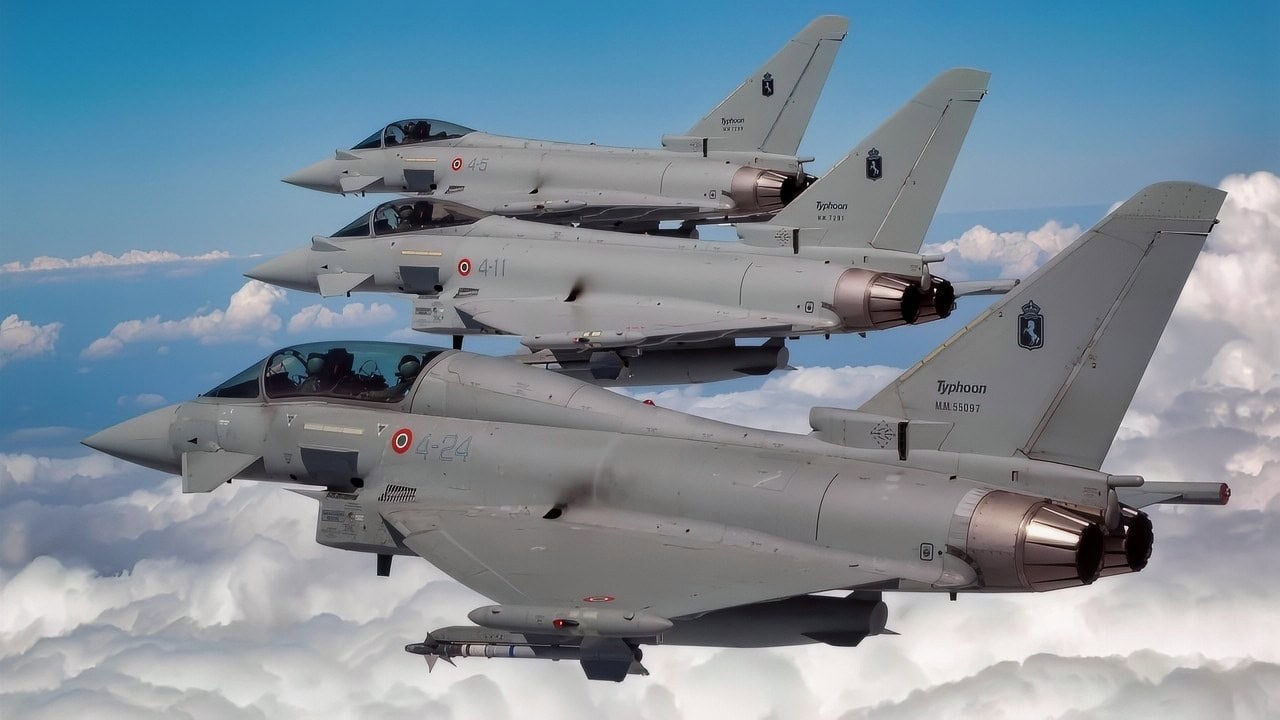
Eurofighter Typhoon Aircraft NATO. Image Credit: Creative Commons.
Alliances Rest on Shared Threats, Not Values
The outcome of the war in Ukraine is first and foremost about the future of transatlantic relations and, by extension, the future of Europe. Alliances rest on shared threats and interests; values and norms can augment them, but they are never the core reason states align.
If there was ever one overarching foundation of NATO during the Cold War, it was the firmly held belief that Europe and America were on the same page about the Russian threat.
No matter how fraught the transatlantic relationship became, and how much tension it had to manage, being on the same side of the equation in relations with Russia overcame even the most vocal fuming on the continent and resentment in the United States.
Europe trusted the United States not simply because it was a democracy, but because it offered the best guarantee against the one power hostile to the West dominating the continent.
After the Cold War, this principle became less pronounced because post-Soviet Russia was on its back, but since Russia invaded Georgia in 2008, seized Crimea in 2014, moved into Syria in 2015, and attacked Ukraine again in 2022, this core principle of transatlantic relations returned with a vengeance.
The Biden administration mishandled its support for Ukraine by committing the United States to support it without a strategy and a vision of victory, but it did reaffirm the founding principle of U.S.-Europe relations.
In contrast, while the Trump administration rightly seeks to end the carnage and bring about a peace settlement in Ukraine, it is doing so in a way that risks America losing Europe to its adversaries. Trust within the alliance, already in short supply, has declined to the point that another shock to the system may destroy it altogether.
About the Author: Dr. Andrew Michta
Andrew A. Michta is Professor of Strategic Studies at the Hamilton School at the University of Florida, a Nonresident Senior Fellow at the Atlantic Council in Washington, D.C., and a Visiting Fellow at the Hoover Institution at Stanford University. The views expressed here are his own.