
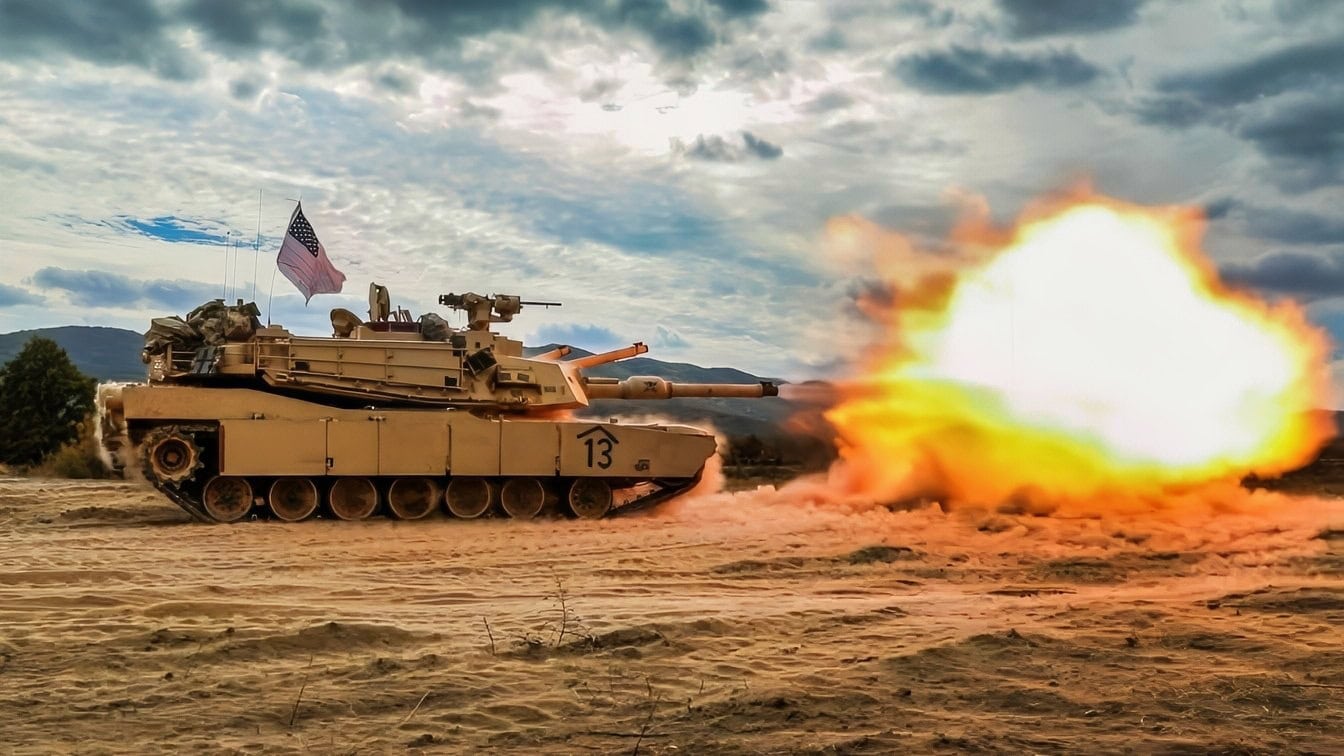
NATO’s problem before the Ankara summit coming up next month is not that the alliance is coming apart.
It is that some of its most important members want NATO’s protection while keeping a freer hand outside the alliance’s core defense mission.
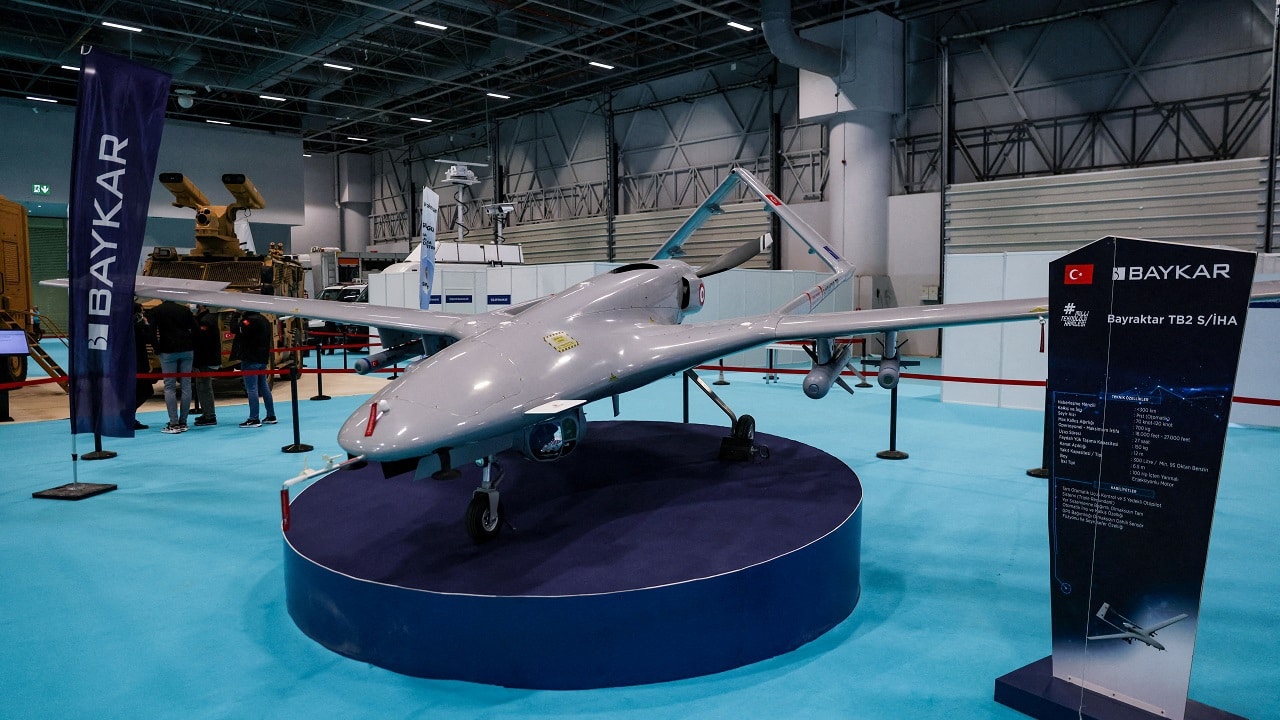
TB2 drone of Turkish drone-maker Baykar is seen at a stand during the first day of SAHA EXPO Defence & Aerospace Exhibition in Istanbul, Turkey, November 10, 2021. REUTERS/Umit Bektas/File Photo
That sounds manageable until one remembers that alliances are not clubs. They are instruments of power.
They work when states believe the bargain still serves them, and they begin to creak when the bargain demands more discipline than members want to give.
NATO is nowhere near collapse. Russia’s invasion of Ukraine gave the alliance a reason to matter again. Finland and Sweden joined.
Defense spending became a political test rather than a ritual promise.
Yet the alliance gathering in Ankara is not the old Atlantic alliance with new members attached.
It is becoming increasingly awkward: a military alliance that remains essential even as it loses some of its power to shape its members’ foreign policies.
Türkiye is where that change is easiest to see.
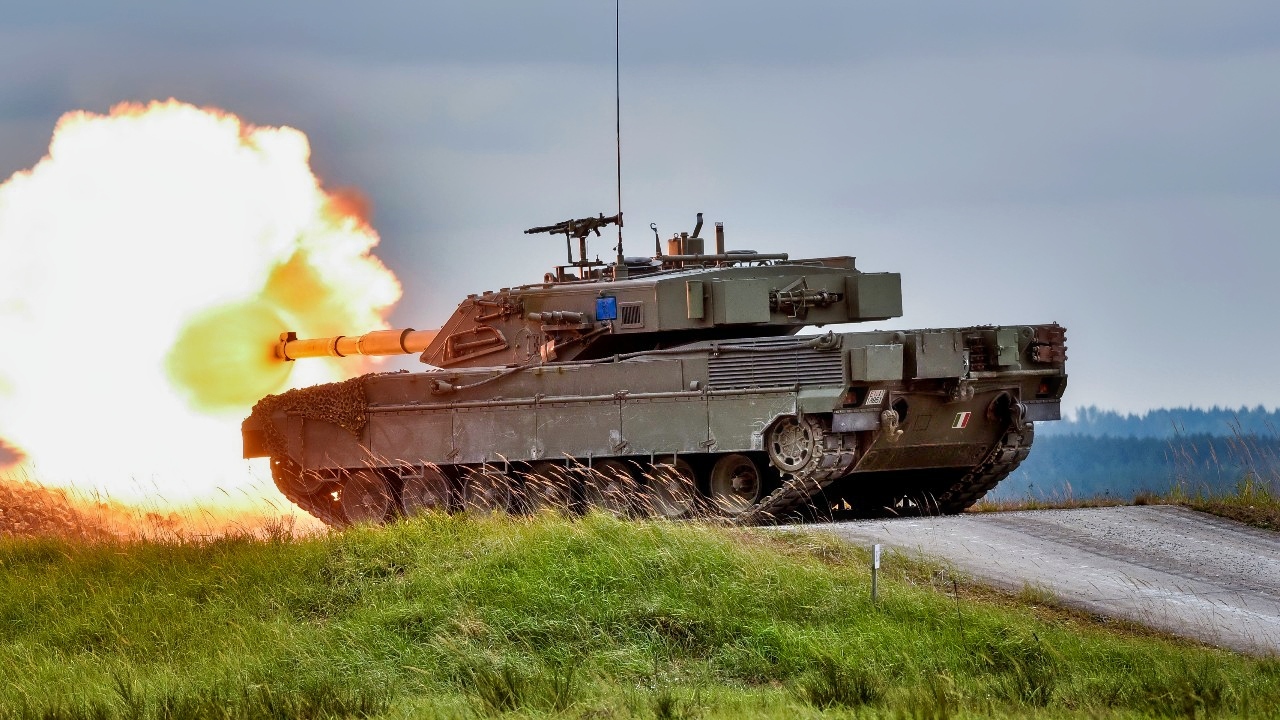
An Ariete Italian tank, fires at their target, during the Strong Europe Tank Challenge (SETC), at the 7th Army Joint Multinational Training Command’s Grafenwoehr Training Area, Grafenwoehr, Germany, May 12, 2016. The SETC is co-hosted by U.S. Army Europe and the German Bundeswehr, May 10-13, 2016. The competition is designed to foster military partnership while promoting NATO interoperability. Seven platoons from six NATO nations are competing in SETC – the first multinational tank challenge at Grafenwoehr in 25 years. For more photos, videos and stories from the Strong Europe Tank Challenge, go to www.eur.army.mil/tankchallenge/ (U.S. Army photo by Spc. Nathanael Mercado/Released)
The Ankara Problem
A NATO summit in Ankara is not just a change of scenery. It puts the alliance in the capital of a country that is too important to ignore and too independent to manage by habit.
Türkiye has one of NATO’s most consequential militaries. It controls access to the Black Sea through the Turkish Straits.
It sits between Europe, Russia, the Middle East, and the Mediterranean. Maps can make Türkiye look peripheral because it is off to the side.
Those maps mislead. In any real crisis involving Russia, the Black Sea, Syria, energy routes, migration, or the eastern Mediterranean, Türkiye is closer to the center than many allies that sound more loyal at summits.
That is why Türkiye irritates Washington. It is not a small ally asking for exemptions. It is a serious power insisting on a room.
Türkiye does not behave like a simple bloc member because it does not live in a simple strategic neighborhood. It faces Russia across the Black Sea, but it cannot treat Russia only as an enemy.
It supports Ukraine in some ways, but it keeps talking to Moscow.
It wants NATO’s protection and military integration. It also wants room in Syria, the Caucasus, the eastern Mediterranean, and the wider Middle East.
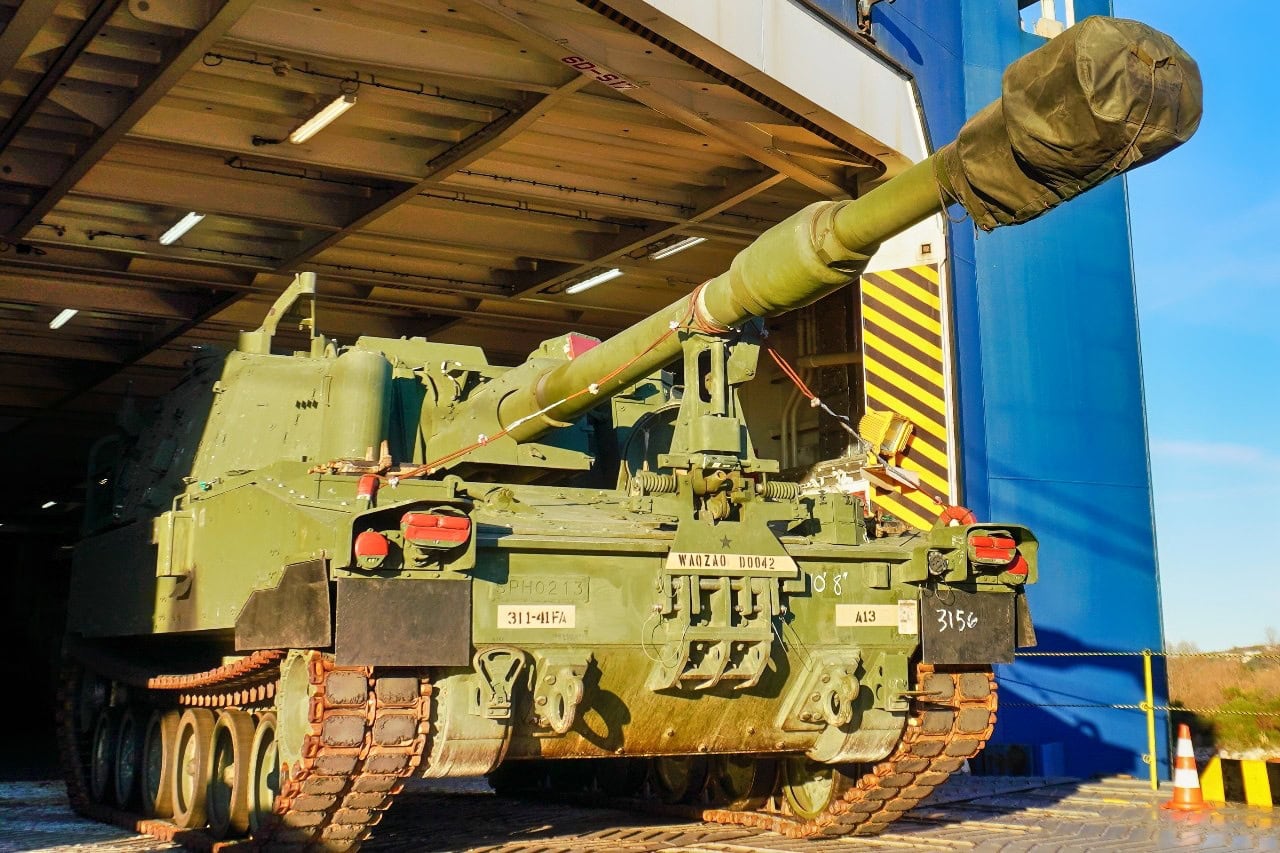
A U.S. M109 Paladin howitzer drives off the vessel Liberty Peace during offloading operations at the port of Koper, Slovenia on December 28, 2024. This Reception, Staging, and Onward Movement (RSOM) operation in the port of Koper is bringing in 1-3ID, the next Regionally Aligned Force (RAF), into the European Theater. These forces will be then transported by the 21st Theater Sustainment Command to their forward operating sites across NATO where they will conduct interoperability training with Allies and partners. The intent of these RAFs is to assure our allies and deter all adversaries.
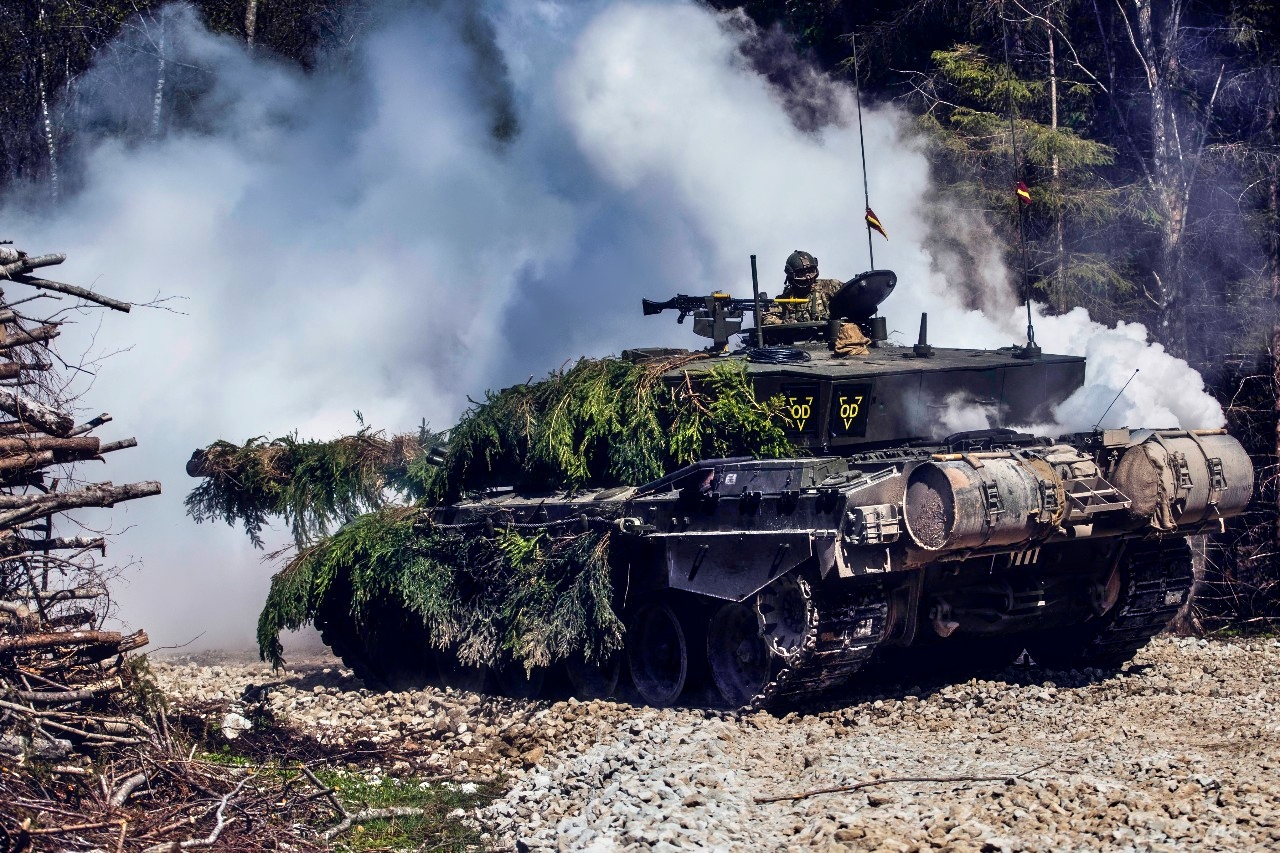
A British Army Challenger 2 Main Battle Tank (MBT) lays down a smoke screen during Spring Storm 19, Estonia’s largest annual military exercise. Roughly 9,000 soldiers from Estonia, other NATO Allies and partner nations have gathered near the town of Jõhvi to engage in a collective defence exercise, strengthening their ability to work together in times of crisis. The exercise runs from 29 April until 10 May.
It only looks incoherent if one assumes NATO membership is supposed to settle every serious question in an ally’s foreign policy.
The fashionable labels are multi-alignment and strategic autonomy. The practice is older and rougher. A state takes what the alliance gives while keeping other doors open.
It may rely on NATO for defense while bargaining with Russia, pursuing its own regional order, and resisting the idea that Washington gets to define the whole field of action.
Türkiye’s foreign minister can warn Moscow about steps that threaten Turkish interests in the Black Sea while keeping Ankara’s mediation role alive between Russia and Ukraine.
From Ankara, the pieces fit together. Türkiye wants to be useful to NATO, useful to Ukraine, audible in Moscow, and sovereign in its own region. The West tends to prefer cleaner categories. Power politics rarely supplies them.
Not Every Ally Is Türkiye
There is a temptation to treat Türkiye as a nuisance case. That would be a mistake. It is not outside NATO’s future.
It is one version of a problem NATO will face more often as the international system becomes less forgiving and less American-led.
This does not mean every ally is becoming Türkiye. Poland is not. Finland is not. Norway and the Baltic states are not hedging between NATO and Russia.
They live too close to the Russian threat for that. Hungary is a different sort of case, one in which national maneuver can shade into obstruction.
France represents an older instinct: the desire for European room inside the Western camp. The alliance’s members are not all drifting in the same direction.
Still, the old expectation has faded. NATO membership no longer guarantees broad political alignment across all theaters and issues. It guarantees less than that.
The difference is that the unipolar moment made the gap easier to ignore.
For years, NATO lived within an American order that softened the harsher aspects of alliance politics. Washington led. Europeans complained and adjusted. Türkiye bargained, sometimes loudly, but the larger structure held.
There were arguments over Iraq, Libya, Syria, defense spending, and European autonomy, but none overturned the basic hierarchy.
That system has thinned. American power remains immense. Europe cannot replace it quickly. But allies now have more incentive to hedge, bargain, and preserve strategic skating room.
Türkiye does it because geography gives Ankara too many problems to outsource.
The Line NATO Has to Hold
The question for NATO is where to draw the line.
NATO can live with members that conduct regional diplomacy.
It can live with different threat priorities. It can live with allies that trade, talk, and maneuver within limits. What NATO cannot live with is obstruction inside the defense plan.
It cannot live with intelligence being compromised, operational planning slowed, Ukraine support held hostage to unrelated demands, or forward defense treated as optional when the crisis arrives.
There is a hard distinction here, and Ankara should force NATO to face it. Autonomy outside the defense plan is one thing. Erosion inside it is another.
That matters more than summit language. NATO leaders will say the alliance is united. They always say that. But deterrence is not built out of a unified language.
It is built out of forces that can move, ammunition that exists, air defenses that arrive before the missiles do, ports and rail lines that work under pressure, and governments that do not discover their red lines only after the shooting starts.
The unpleasant fact is that a less obedient NATO may still be stronger than the polite, underarmed alliance of the post-Cold War years.
At least today’s alliance knows Russia is a threat. It knows that factories matter. It knows that war in Europe is not a subject in a museum. What it does not yet know is whether it can impose enough military discipline on members whose politics are becoming more national, more regional, and more transactional.
That is the question Ankara should raise.
Not whether Türkiye is a good ally in the sentimental sense. Sentiment is not much use in strategy.
Türkiye is useful, armed, difficult, ambitious, and exposed.
That combination is not an exception to NATO politics. It is a preview of how alliances behave when the world becomes more multipolar, and the patron can no longer turn preference into obedience.
NATO can survive that world. But it will have to stop pretending that common statements amount to a common strategy. The test will come later, when defense plans leave the page.
Some allies will matter then. Others may turn out to have liked the language more than the obligations.
About the Author: Dr. Andrew Latham
Andrew Latham is a professor of international relations and political theory at Macalester College in Saint Paul, MN. You can follow him on X: @aakatham. He writes a regular column for 19FortyFive.com.