
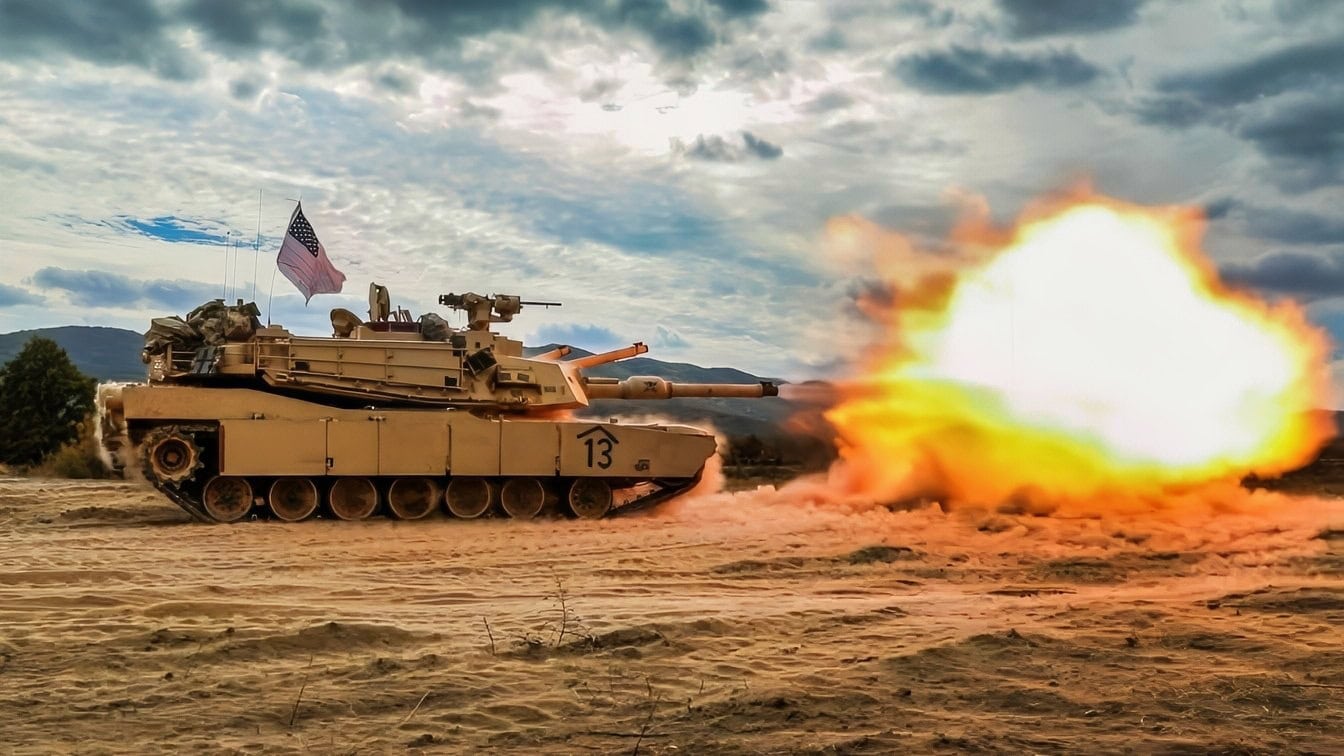
Will Donald Trump Pull the United States Out of NATO? As the world focused on a tenuous ceasefire in the Middle East between the United States and Iran, another storm was brewing. On April 8, President Donald Trump met with NATO Secretary-General Mark Rutte. The president was fuming. He has stressed that the United States will completely pull out of the alliance because its allies have not adequately assisted the United States during its war against Iran. Trump wanted members to help address the crisis in the Strait of Hormuz and offer warships to keep the waterway open.
Frustration Mounts in the White House over NATO
Trump also requested that some NATO countries allow overflights of their airspace during U.S. bombing raids. The president believes he has been ignored by partners who would normally be supportive.
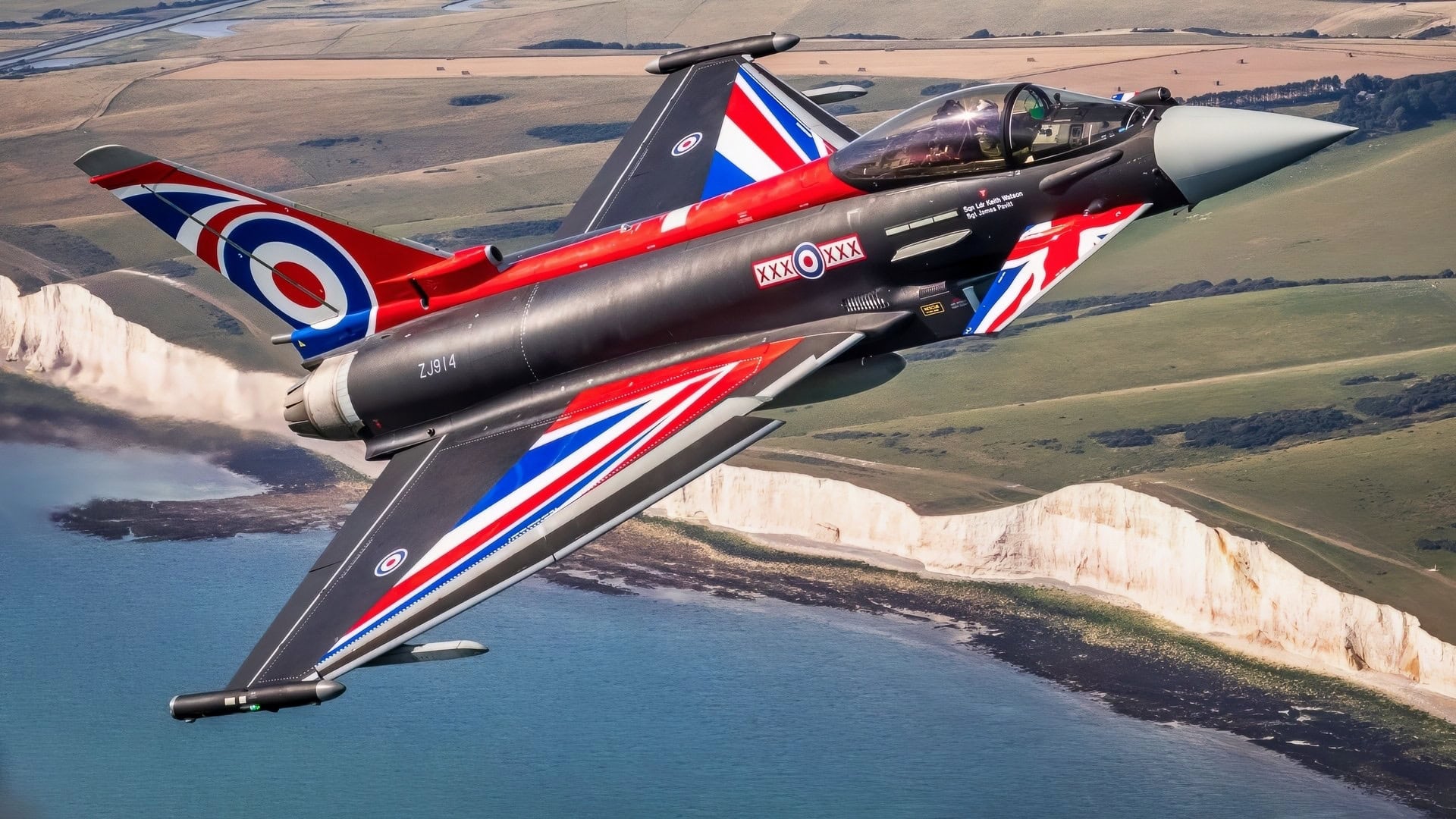
Eurofighter Typhoon Fighter NATO. Image Credit: British Government.
After his closed-door meeting with Rutte, Trump took to social media and exclaimed, “NATO WASN’T THERE WHEN WE NEEDED THEM, AND THEY WON’T BE THERE IF WE NEED THEM AGAIN.”
NATO Secretary-General Has Been a Faithful Sounding Board
Trump and Rutte usually get along well, so if anyone in Europe could soothe the president’s nerves, it would be the secretary-general.
But the president continues to threaten to leave the alliance, jeopardizing European collective security.
Trump Says NATO is a ‘Cowardly Paper Tiger’
During the war, Trump’s rhetoric against NATO was bellicose. He has called members “cowards,” labeled the alliance a “paper tiger,” and insulted the United Kingdom’s Prime Minister Keir Starmer.
Most of the Problems When the U.S. Lusted for Greenland
The president has also rankled members with his desire to somehow buy Greenland for security purposes, which has also caused ruptures in the alliance. “REMEMBER GREENLAND, THAT BIG, POORLY RUN, PIECE OF ICE!!!” Trump posted on Wednesday.
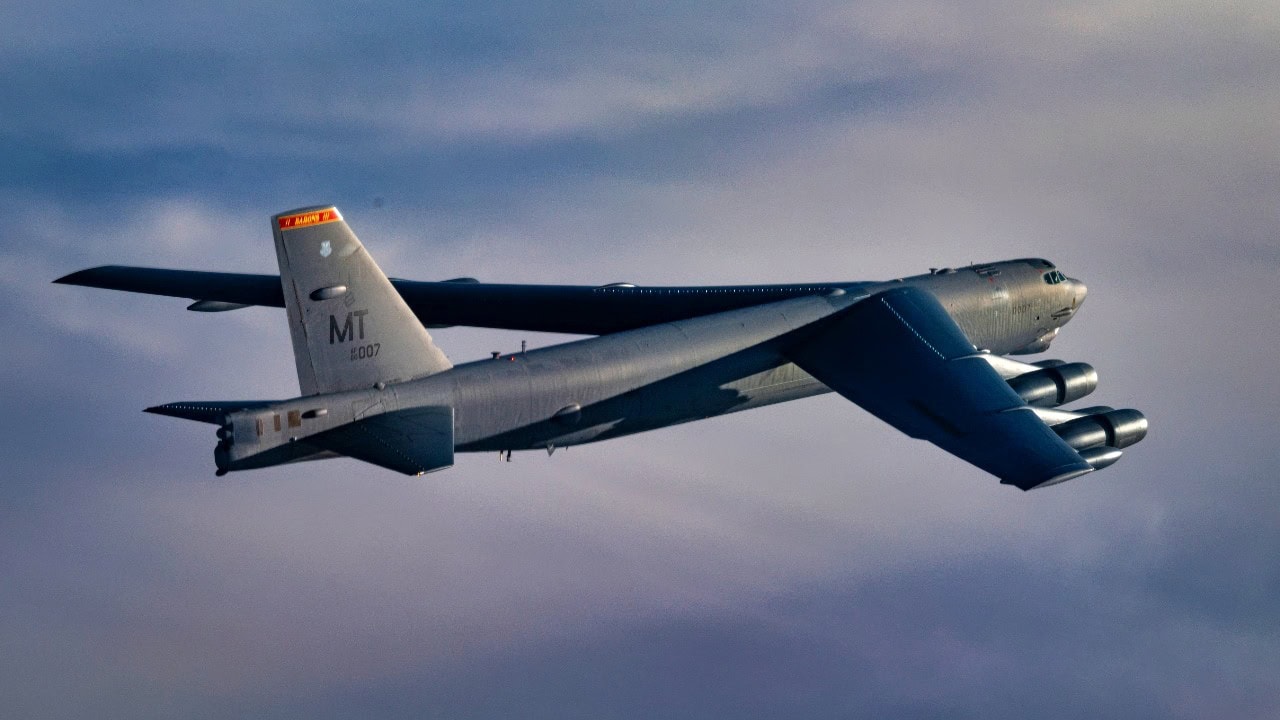
A U.S. Air Force B-52H Stratofortress from the 69th Expeditionary Bomb Squadron flies over the skies of Sweden for their celebration of their acceptance into NATO during Bomber Task Force 25-2, RAF Fairford, United Kingdom, March 11, 2025. These operations demonstrate the ability to rapidly deploy strategic assets in support of global stability. (U.S. Air Force photo by Master Sgt. Chris Hibben)
He threatened to leave NATO in 2018 during his first term, believing partners were not paying enough for their defense.
Mutual Defense Clause Is the Key to NATO
The alliance hinges on a collective defense clause, Article 5, which holds that an attack on one country is a transgression on all 32 members. This was invoked in 2001 after the 9/11 terror attacks. NATO created the International Security Assistance Force to support the war in Afghanistan. But that goodwill has evaporated. The alliance was first created in 1949 to balance against the Soviet Union and strengthen defense ties during the Cold War.
Congress Made NATO ‘Trump-proof’
It is unclear how Trump could unilaterally remove the United States from NATO. A law prevents him from doing so. Congress passed legislation in 2023 that became part of the National Defense Authorization Act in 2024, forbidding a president from acting alone to leave the alliance.
The law declares that the president “shall not suspend, terminate, denounce, or withdraw the United States from the North Atlantic Treaty, done at Washington, DC, April 4, 1949, except by and with the advice and consent of the Senate, provided that two-thirds of the Senators present concur, or pursuant to an Act of Congress.”

A crew chief assigned to the 158th Fighter Wing, taxis an F-35A Lightning II fifth generation aircraft assigned to the wing at the Vermont Air National Guard Base, South Burlington, Vermont, May 2, 2022. The aircraft departed to Spangdahlem Air Base, Germany, to continue NATO’s Enhanced Air Policing mission along the Eastern Flank. (U.S. Air Force photo by Tech. Sgt. Richard Mekkri)
Rubio Was a Designer of the Law
Ironically, then-Senator and current Secretary of State Marco Rubio co-sponsored the legislation. He is now a NATO skeptic. “After this conflict is concluded, we are going to have to reexamine that relationship,” Rubio said. “We’re going to have to reexamine the value of NATO and that alliance for our country. Ultimately, that’s a decision for the president to make, and he’ll have to make it,” according to CBS News.
Can Rutte Save the Day?
Rutte has been able to calm Trump in the past, convey NATO’s wishes, and understand Trump’s frustrations.
“He is clearly disappointed with many NATO allies, and I can see his point,” Rutte said on CNN’s “The Lead with Jake Tapper,” after the meeting. “This was a very frank, very open discussion, but also a discussion between two good friends.

The guided missile destroyer USS Laboon arrives for a routine port visit to the island of Crete. Laboon is on a scheduled six-month deployment in support of Standing NATO Maritime Group (SNMG) 2 and is conducting operations in support of Operation Active Endeavor. Active Endeavor operates in the Mediterranean Sea and is designed to prevent the movement of terrorists or weapons of mass destruction as well as to enhance the security of shipping in general. U.S. Navy photo / Paul Farley.
Not Help During Operation Epic Fury
NATO members are reluctant to support the United States against Iran. Many feel they were not consulted before the conflict and believe that Operation Epic Fury has nothing to do with Europe. These governments on the continent view this as a U.S. war of choice that should not involve them.
While Trump has a right to be frustrated and some of the allies should have at least allowed American airplanes to fly over what was once friendly airspace, the United States still needs the alliance to be healthy and thriving because of the threats from Russia and China.
Trump believes that, since the Strait of Hormuz is a waterway for critical cargo and oil that affect Europe, NATO members should be more receptive to assisting the United States.
My NATO Experience
NATO is near and dear to my heart. I represented the United States in the NATO “Young Leader” program in 2006 at the summit in Riga, Latvia. My diplomatic and political skills were on high alert because the George W. Bush administration was unpopular due to the war in Iraq.
I expected rough waters at the summit. I was assigned to a working group to develop military tactics in Afghanistan, but I noticed my fellow delegates were not interested in warfighting.
This has been a problem for years. NATO can sometimes be more of a “political” than a “military” alliance, and the summit was also a merry time of receptions, networking events, and parties rather than an intense effort to develop a collective defense strategy.
Trump Would Only Help Rival States
However, I still have a positive overall view of the alliance, which is one of the most important security arrangements in the world. If Trump were to unilaterally pull out through an executive order, the level of security in Europe would nosedive. Vladimir Putin would be ecstatic, and Xi Jinping would be pleased. Trump is playing into the hands of our adversaries.
Europe Still Needs to Try Harder
Rutte is a skilled diplomatic individual who could talk Trump out of it. The Europeans should do more of their share to defend themselves, and they could at least have opened up flyover airspace to American military aircraft.
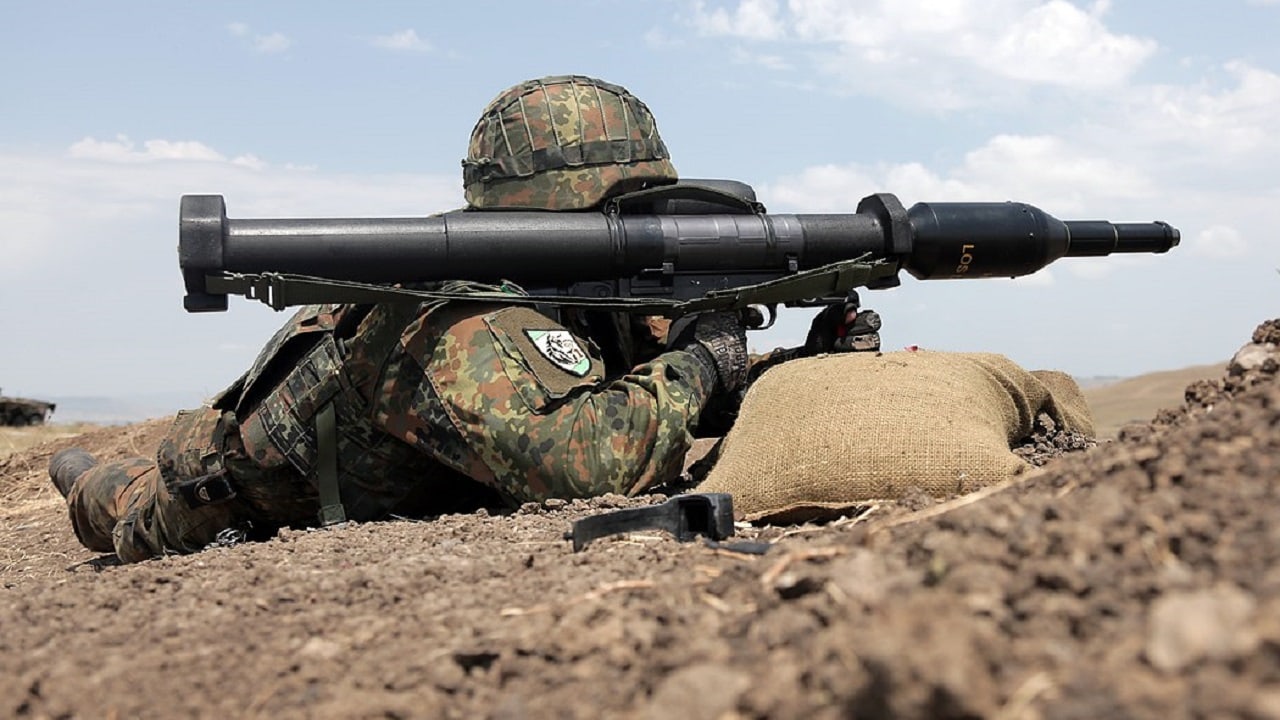
German Army Cpl. Vadim Ganshi, assigned to 2nd Company, Infantry Battalion 291, French German Brigade, awaits orders to fire a Panzerfaust 3. Vaziani, Republic of Georgia, Aug. 5, 2017. Noble Partner 17 supports Georgia in conducting home station training of its second NATO Response Force (NRF) contribution. Noble Partner will further enhance NFR and Operational Capabilities Concept interoperability and readiness in order to support regional stability. (U.S. Army photo by Spc. Hayley Gardner).
Leaving NATO would be a tragedy America may never recover from. Members should be more committed to defense and know when to support an ally in need. If I were advising Trump, I would support remaining in the alliance to reform it rather than quitting completely. The law is not on his side, and there is little appetite in Congress to allow Trump to remove the United States from NATO. Perhaps the alliance can weather the latest storm that is threatening to end a historic and valuable partnership.
About the Author: Dr. Brent M. Eastwood
Author of now over 3,500 articles on defense issues, Brent M. Eastwood, PhD, is the author of Don’t Turn Your Back On the World: A Conservative Foreign Policy and Humans, Machines, and Data: Future Trends in Warfare, plus two other books. Brent was the founder and CEO of a tech firm that predicted world events using artificial intelligence. He served as a legislative fellow for US Senator Tim Scott and advised the senator on defense and foreign policy issues. He has taught at American University, George Washington University, and George Mason University. Brent is a former US Army Infantry officer. He can be followed on X @BMEastwood.