
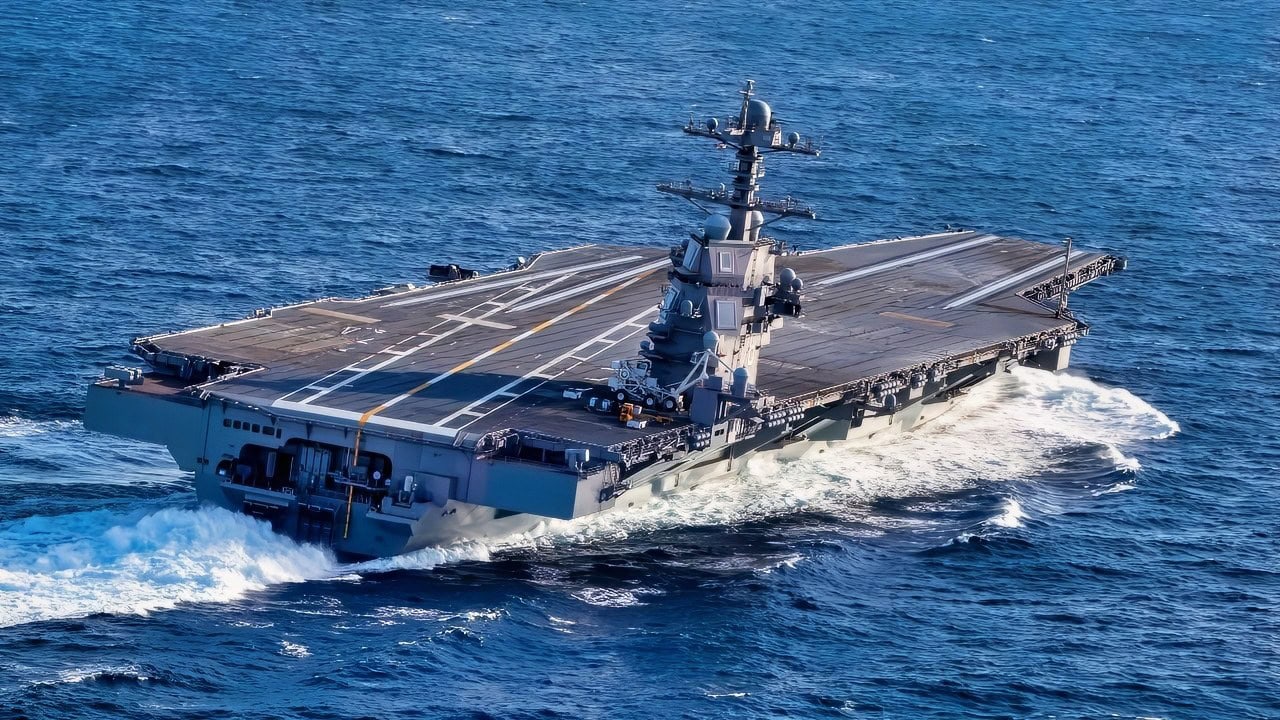
Why Iran Just Closed the Strait of Hormuz – And What It Means – Less than 24 hours after a U.S.-Iran ceasefire agreement formed that included provisions to reopen the Strait of Hormuz, Iran has reversed course and effectively shut the waterway again, according to Iranian state media.
Early signs on the morning of April 8 suggested that the agreement could hold, with maritime tracking data indicating that some vessels had begun moving through the Strait again after the ceasefire announcement, briefly indicating that Iran was prepared to comply.
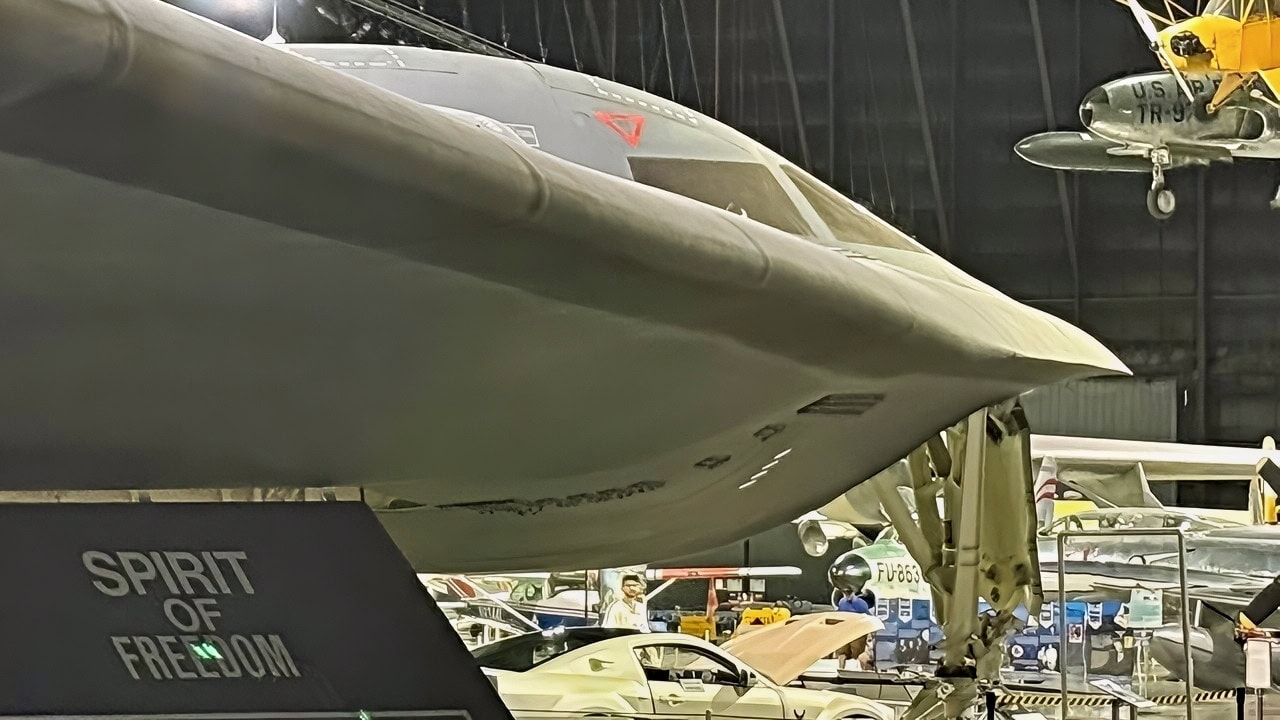
B-2 Spirit. 19FortyFive.com Image.
But by the afternoon, that optimism had begun to collapse, with reports indicating that the Strait had not been fully reopened.
Soon enough, reports confirmed that Iran had once again blocked traffic following Israeli strikes in Lebanon, effectively reneging on the central provision of the deal that was said to have been struck last night.
What the Trump-Iran Deal Required
The ceasefire brokered between the United States and Iran in the final hours before Trump’s 8 pm deadline was always narrow and conditional. No matter how hard some pundits tried to frame it as such, this was never a comprehensive peace deal.
At its core, the agreement required three immediate steps: a halt to direct hostilities, a temporary reopening of the Strait of Hormuz, and the beginning of negotiations toward a framework governing maritime security. Iran had agreed to allow safe passage for commercial vessels through the waterway, effectively pausing its blockade while talks were underway.
There were also indications that the deal could evolve into something more complex, with analysts and reports suggesting Iran was exploring a system in which vessels would require authorization — and pay for passage — through the Strait, in conjunction with Oman.
U.S. President Donald Trump also said that he was considering a “joint venture” with Iran, charging vessels for safe passage.
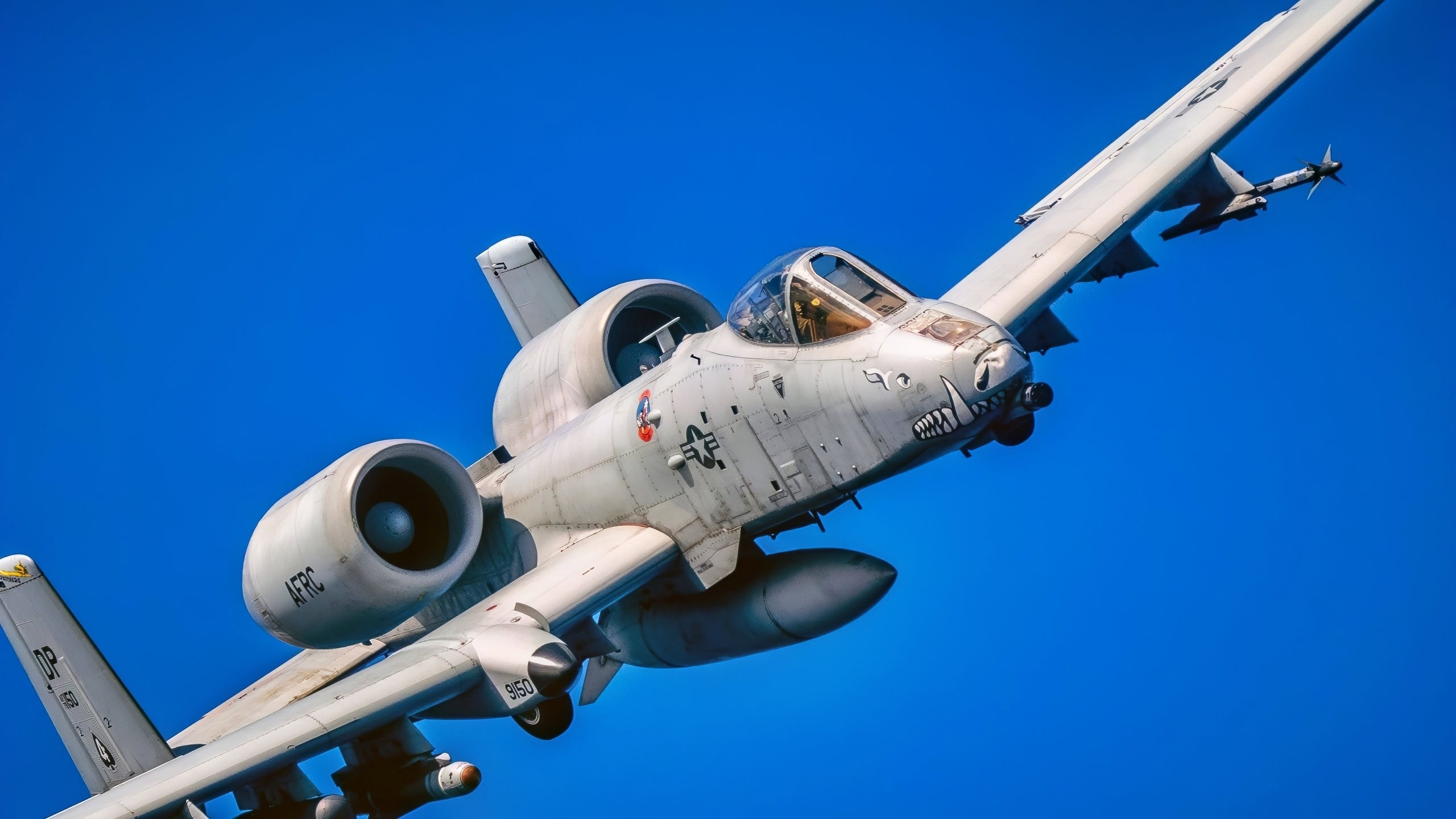
The Legend-class cutter USCGC Midgett (WMSL 757) conducted an Air Raid exercise with a U.S. A-10C Thunderbolt II, the Italian Navy Thaon di Revel-class offshore patrol vessel ITS Montecuccoli (P 432) and the Arleigh Burke-class guided-missile destroyer USS Kidd (DDG 100) as part of Rim of the Pacific (RIMPAC) exercises, July 17, off the coast of Hawaii. Twenty-nine nations, 40 surface ships, three submarines, 14 national land forces, more than 150 aircraft, and 25,000 personnel are participating in and around the Hawaiian Islands, June 27 to Aug. 1. The world’s largest international maritime exercise; RIMPAC provides a unique training opportunity while fostering and sustaining cooperative relationships among participants critical to ensuring the safety of sea lanes and security on the world’s oceans. RIMPAC 2024 is the 29th exercise in the series that began in 1971. (U.S. Coast Guard photo by David Lau)
While it seemed like there was potential for a deal only hours ago, it looks like we could soon be returning to a state of conflict, with tracking data showing a group of U.S. tankers taking off from Israel and heading east towards Iran as of around 1 pm Eastern Time.
What Iran Said
In a statement issued on Telegram, the Iranian Revolutionary Guard Corps said that it would deliver a “regret-inducing response” if Israeli strikes against Lebanon do not end immediately. The statement also attempted to place blame on the United States and Israel for the breakdown of the ceasefire agreement.
“We have a stern warning to the oath-breaking United States and its Zionist partner in slaughter,” the statement reads. “If the aggression against dear Lebanon are not brought to an immediate end we shall fulfil our duty and deliver a regret-inducing response to the malicious aggressors in the region.”
The comments come after Israeli forces launched one of the largest coordinated strikes of the current war against Hezbollah targets across Beirut, southern Lebanon, and the Bekaa Valley. The operation reportedly hit more than 100 targets within minutes, including sites in densely populated urban areas, with civilian casualties reported by Lebanese authorities. Israel conducted the strikes on the basis that the ceasefire with Iran did not apply to its war in Lebanon.
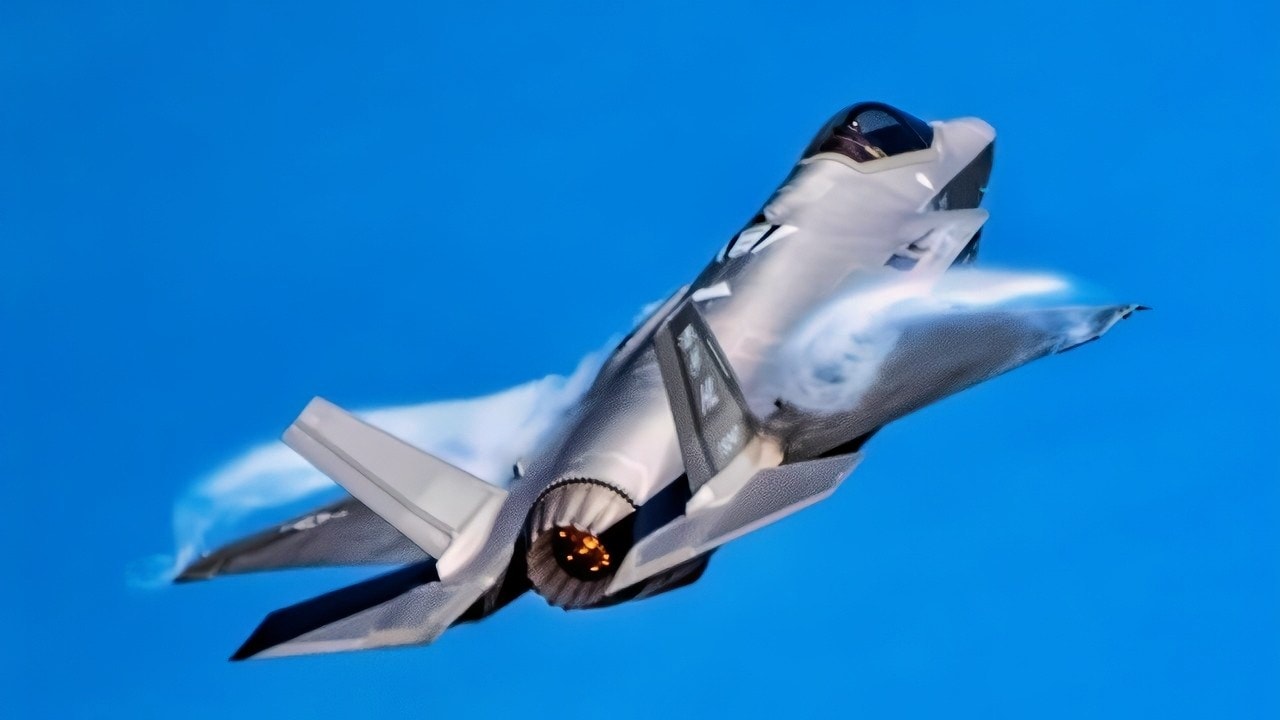
U.S. Air Force Maj. Kristin Wolfe performs a demonstration in the F-35A Lightning II during at the Reno Air Races in Reno, Nevada, September 19, 2021. The F-35 Lightning II Demonstration Team is based out of Hill Air Force Base, Utah. (U.S. Air Force photo by Tech. Sgt. Nicolas Myers)
Israel’s strikes in Lebanon are part of its ongoing campaign against Hezbollah – a direct Iranian proxy force embedded along its northern border and responsible for sustained rocket fire and drone attacks since the escalation began in 2025. Israeli officials have repeatedly stated that degrading Hezbollah’s infrastructure – including missile launch sites and weapons depots in Beirut and southern Lebanon – is essential to restoring deterrence and preventing further attacks on Israeli territory.
From Israel’s perspective, the U.S.-Iran ceasefire does not constrain operations against Hezbollah because it is considered a separate theater of conflict, even if Iran provides funding, weapons, and support to the group. Iran, however, has rejected the distinction entirely, viewing Hezbollah as part of its regional deterrence network and treating attacks on the group as attacks on Iran itself, which is why Iranian officials and commanders have warned that continued Israeli strikes in Lebanon could trigger direct retaliation and further escalation across the region.
Are We Back to Square One?
At first glance, the situation may appear unchanged: Iran controls the Strait, shipping is disrupted, missile fire is still being exchanged, and the risk of escalation remains high. But a lot has changed over the past several weeks, and it’s clear that big decisions must now be made to determine how the conflict ends.
Iran’s military position is not what it was before the conflict. U.S. and Israeli strikes have degraded key elements of its military infrastructure, including many of the capabilities that allow it to sustain a blockade. Gen. Dan Caine laid out the damage done to Iranian military capability in statements made on April 8.
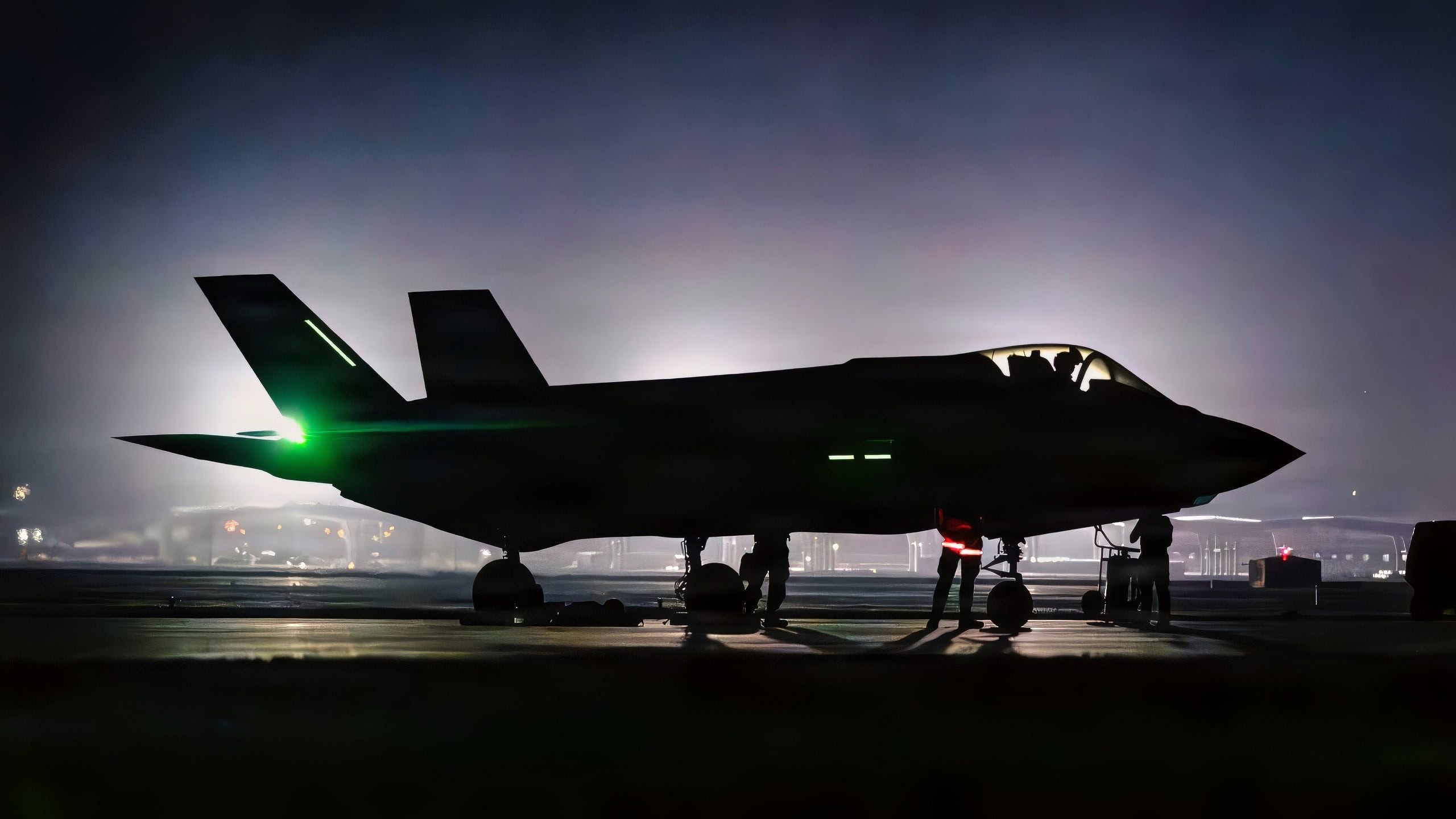
A U.S. Air Force F-35A Lightning II assigned to the 95th Fighter Squadron is parked on the flightline during exercise Noble Panther 26-4 at Tyndall Air Force Base, Florida, March 9, 2026. Airmen participated in night sorties, requiring them to perform their tasks in low-light conditions while staying watch for potential simulated attacks. These high-intensity, realistic scenarios were designed to build the confidence and muscle memory required for combat operations. (U.S. Air Force photo by Senior Airman Zeeshan Naeem)

The Ohio-class guided-missile submarine USS Florida (SSGN 728) departs Naval Submarine Base Kings Bay. Florida will perform routine operations while at sea. (U.S. Navy photo by Mass Communication Specialist 1st Class James Kimber/Released)
“[U.S. Central Command] forces destroyed approximately 80% of Iran’s air defense systems, striking more than 1,500 air defense targets, more than 450 ballistic missile storage facilities, 800 one-way attack drones storage facilities — all of these systems are gone,” Caine said. “We’ve devastated Iran’s command and control and logistical networks, destroying more than 2,000 command and control nodes and degrading their ability to target U.S. and friendly forces.”
That being said, closing the Strait of Hormuz – or, to be more accurate, disrupting safe passage – can be achieved very easily. It takes only one mine to be laid, or for senior Iranian officials to claim that mines have been laid, to seriously disrupt that traffic. But at the same time, the United States has options: it can continue to escalate its bombing campaign, and President Trump can still follow through on this threat of abandoning the Strait and allowing European and Asian forces to reopen it if they determine it necessary.
What Now?
When Trump announced the two-week ceasefire and the expected reopening of Hormuz, Brent fell and dropped below $100 per barrel. But that relief was always conditional. Andrew Lipow, the founder of Lipow Oil Associates, told Reuters that the market is “hopeful” more oil will reach the market, but remains concerned that it is a “very fragile ceasefire” that might not last. That assessment proved to be accurate.
Now comes the real problem. If Iran again restricts or closes the Strait in anything more than a temporary or partial way, it remains unclear how long the current closure may last, and indeed how long the ceasefire will last; then prices will likely spike again.
Oil does not need to stop flowing entirely for prices to rise, either, nor does a permanent closure need to occur immediately. The current uncertainty means that insurance costs will increase and operators will again delay sailings, backing up cargoes and forcing markets to price risk.
Today’s closure could now place the burden of reopening the Strait on a UK-led coalition already being assembled. More than 40 countries — including Britain, France, Germany, and the UAE — committed to restoring safe passage earlier this month.
British Foreign Secretary Yvette Cooper described Iran’s “recklessness” in closing the Strait during a virtual meeting she chaired with officials from partnering countries on April 2.
European leaders, however, remain skeptical of intervening militarily – but if Trump follows through on his repeated threat to degrade Iranian capabilities and leave the Strait issue to others, those countries may have no other choice but to step in.
About the Author: Jack Buckby
Jack Buckby is a British researcher and analyst specializing in defense and national security, based in New York. His work focuses on military capability, procurement, and strategic competition, producing and editing analysis for policy and defense audiences. He brings extensive editorial experience, with a career output spanning over 1,000 articles at 19FortyFive and National Security Journal, and has previously authored books and papers on extremism and deradicalization.