
The 2023 NDAA Blocks Unilateral NATO Withdrawal Without a Two-Thirds Senate Vote — But a De Facto Exit Is Far More Feasible
In April 2026, Trump said that he was “strongly considering” withdrawing from NATO. The intensified rhetoric is consistent with statements Trump has made since his first presidential candidacy in 2015, but the recent comments mark a rhetorical escalation.
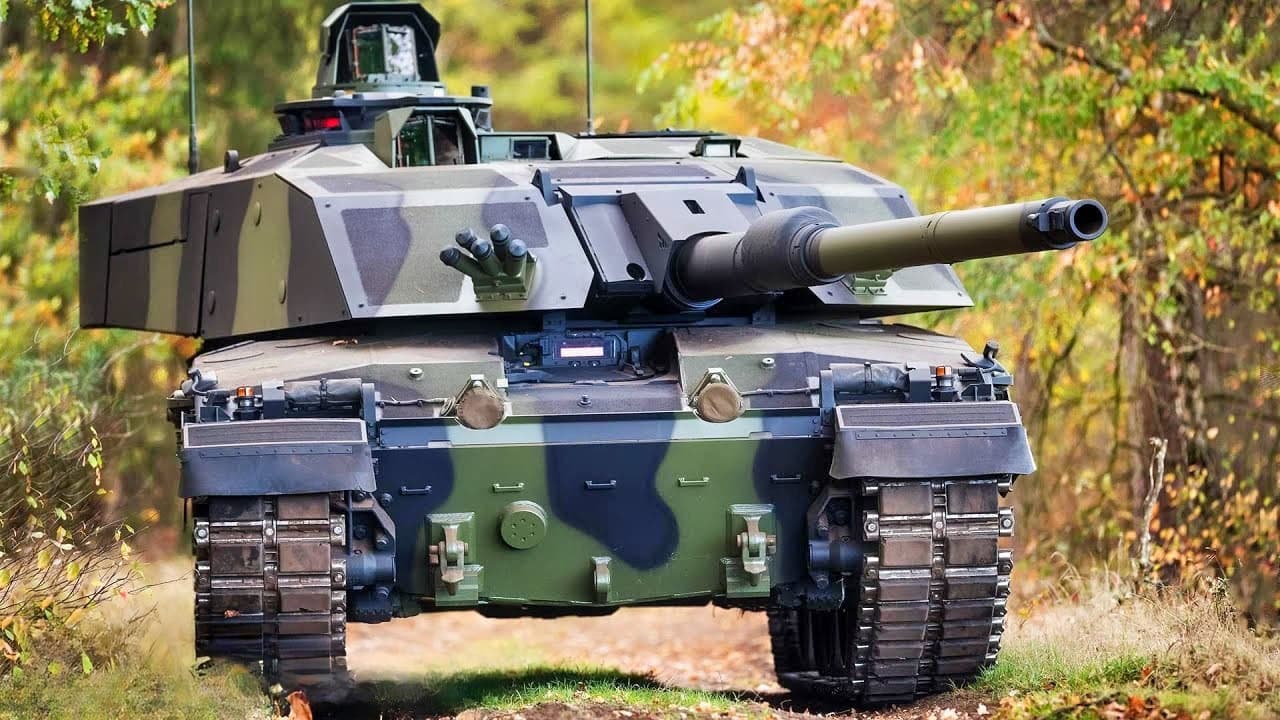
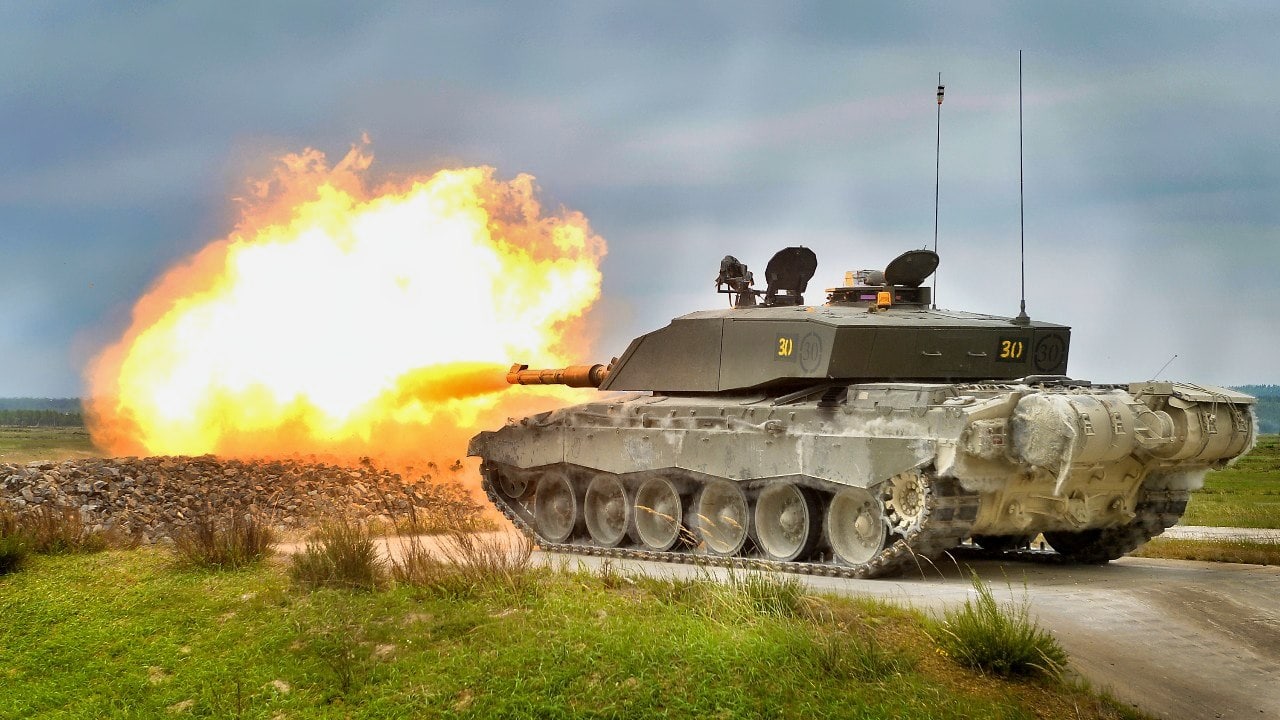
Challenger 3 Tank. Image Credit: Creative Commons.
Still, Trump has a tendency to say things he doesn’t quite mean, and a full-on NATO withdrawal would be legally difficult; a de facto withdrawal, however, would be far more feasible.
Can the US Leave NATO
The 2023 NDAA provision blocks unilateral withdrawal from NATO, requiring either a two-thirds vote in the Senate or an act of Congress. Additionally, federal funds can’t be used to execute the withdrawal.
The executive branch could argue that a treaty withdrawal falls within the president’s power; however, possibly find a realistic loophole. So a formal exit would be politically and legally difficult, at least in the short term, but not necessarily impossible.
The More Realistic Path
The more realistic path would not involve formally leaving NATO, but rather neutralizing US involvement in practice. The Trump administration could pull several levers to this effect.
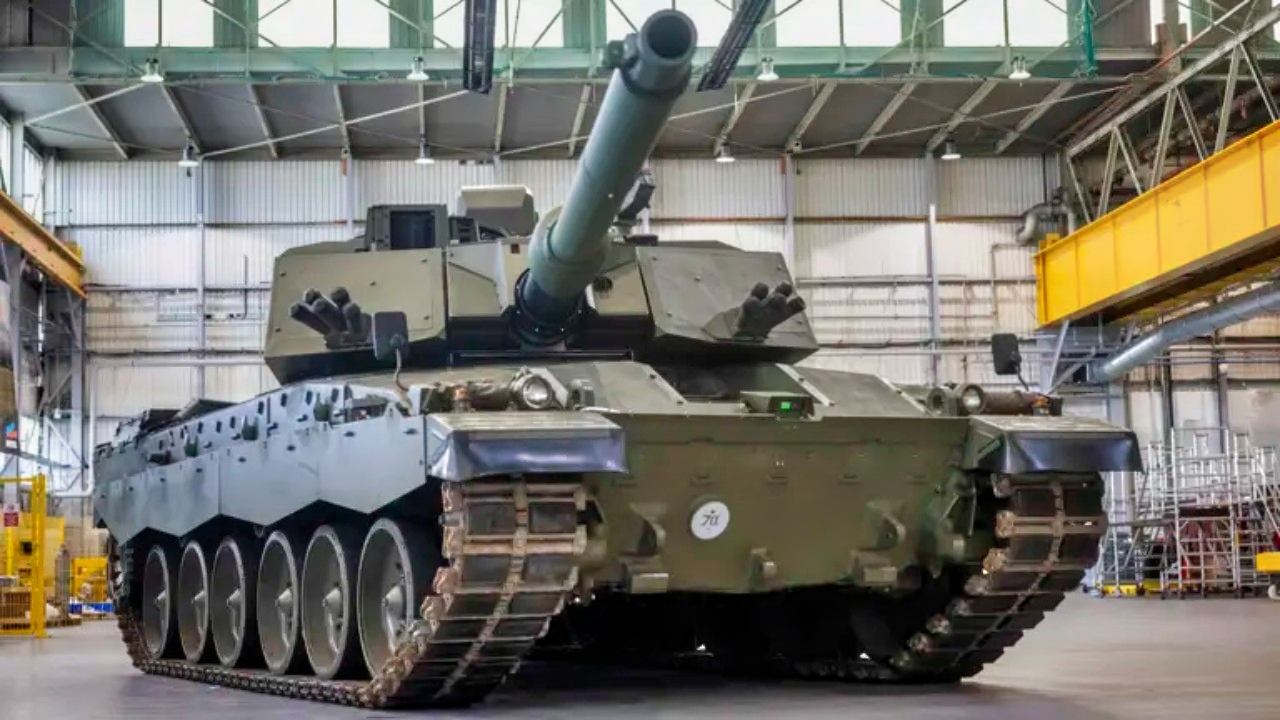
Challenger 3 Tank. Image Credit: Creative Commons.
For example, the US could reinterpret Article 5, under which members take action “as they deem necessary,” and offer only minimal (or zero) support.
The US could also shift forces and support away from non-cooperative allies toward higher-contributing states, thereby incentivizing European partners to contribute more. Another method would be to withdraw US officers from NATO command, thereby reducing operational integration. Basically, the US has the tools to hollow out NATO while leaving the alliance intact on paper.
Why Now?
American presidents have been griping about NATO for generations. Trump began critiquing the alliance during his first presidential campaign.
Operation Epic Fury has brought renewed attention to the treaty, with the administration viewing the partnership as a one-way street in which the US gives, and Europe takes.
Burden sharing and defense spending gaps have long been sensitive subjects, with the US effectively subsidizing the defense of partner nations that fail to meet the annual defense spending threshold. So while the Iran dispute is the modern trigger, the underlying tension has been simmering for years.

U.S. Soldiers assigned to the 1st Armored Brigade Combat Team, 1st Armored Division fire at a target from an M1 Abrams main battle tank during Rotation 26-01 at the National Training Center, Fort Irwin, Calif., Oct. 17, 2025. Rotations at the National Training Center ensure Army Brigade Combat Teams remain versatile, responsive, and consistently available for future and current contingencies. (U.S. Army photo by Cpl. Anna Mae Tumacder, Operations Group, National Training Center)
NATO is an Assumption
NATO is deeply embedded in US strategy and political culture; it’s treated as a baseline, not a variable. But important core questions often go unexamined, like, does this make sense for America? NATO is so ingrained that its value is often taken for granted rather than actively debated.
And while Trump’s methods are coarse and disruptive, the central question he raises—whether the US benefits from NATO membership—is worth asking.
NATO does have important benefits. The collective defense provided for in Article 5 is a deterrence multiplier. Basing in Europe allows for a forward presence and rapid deployment. Political and military integration with allies allows for shared intelligence and standardized practices.
And NATO helps prevent European fragmentation while anchoring US global leadership.
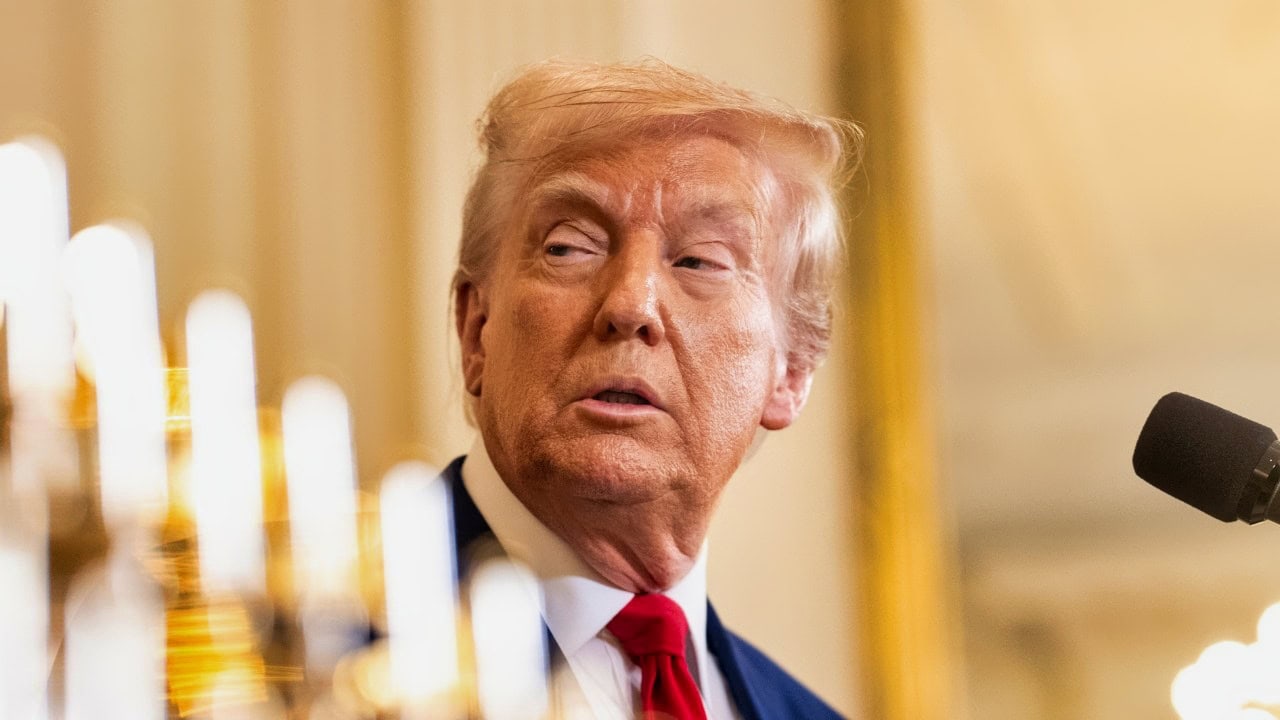
Donald Trump. Image Credit: Creative Commons.
But the treaty’s cons have come into sharper focus amid Trump’s criticism. The US provides a disproportionate share of the alliance’s forces, effectively subsidizing the defense of low-paying nations.
Allies also retain the ability to constrain US action; they can limit basing or deny support. And of course, there’s the strategic mismatch. NATO was built for Cold War Europe, but the current threats are more global and are increasingly centered in the Indo-Pacific rather than Eastern Europe.
Lastly, under Article 5, the US risks being drawn into conflicts that are not directly tied to its core interests.
What if the US Leaves?
If the US leaves, Europe will feel increased pressure to re-arm and act independently. Russia would potentially see an opportunity, but frankly, Russia should be humbled with respect to its ability to grab territory after the quagmire in Ukraine.
Leaving NATO would allow the US to shift more forcefully toward the Indo-Pacific, which is more strategically important than Europe.
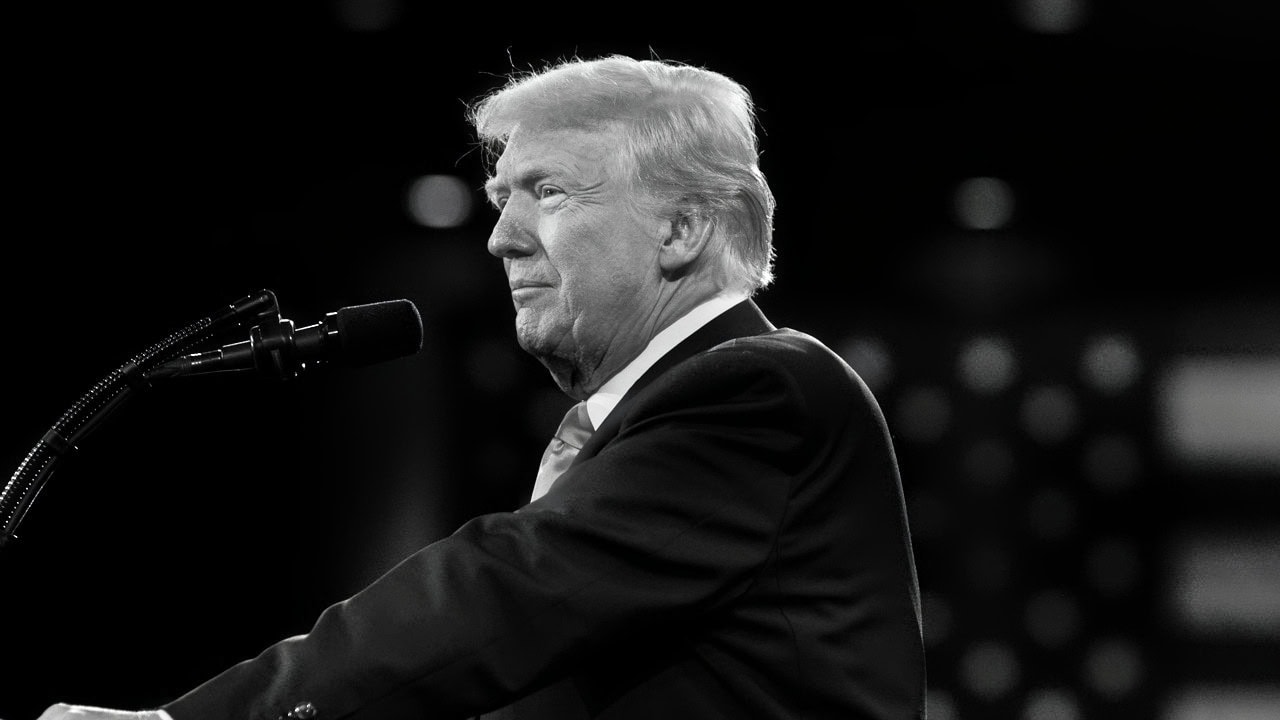
President Donald Trump speaks at the Conservative Political Action Conference at the Gaylord National Resort & Convention Center in Oxon Hill, Maryland, on Saturday, February 22, 2025. (Official White House Photo by Molly Riley
But the departure would also raise global questions about US reliability and alliance durability.
Trump’s rhetoric has been abrasive and transactional, as is his nature. But the underlying issue of burden sharing and reciprocal expectations is real and worth addressing.
Despite the rhetoric, NATO isn’t going to disappear overnight. But the alliance may look different in the future.
About the Author: Harrison Kass
Harrison Kass is an attorney and journalist covering national security, technology, and politics. Previously, he was a political staffer and candidate, and a US Air Force pilot selectee. He holds a JD from the University of Oregon and a master’s in global journalism and international relations from NYU.