
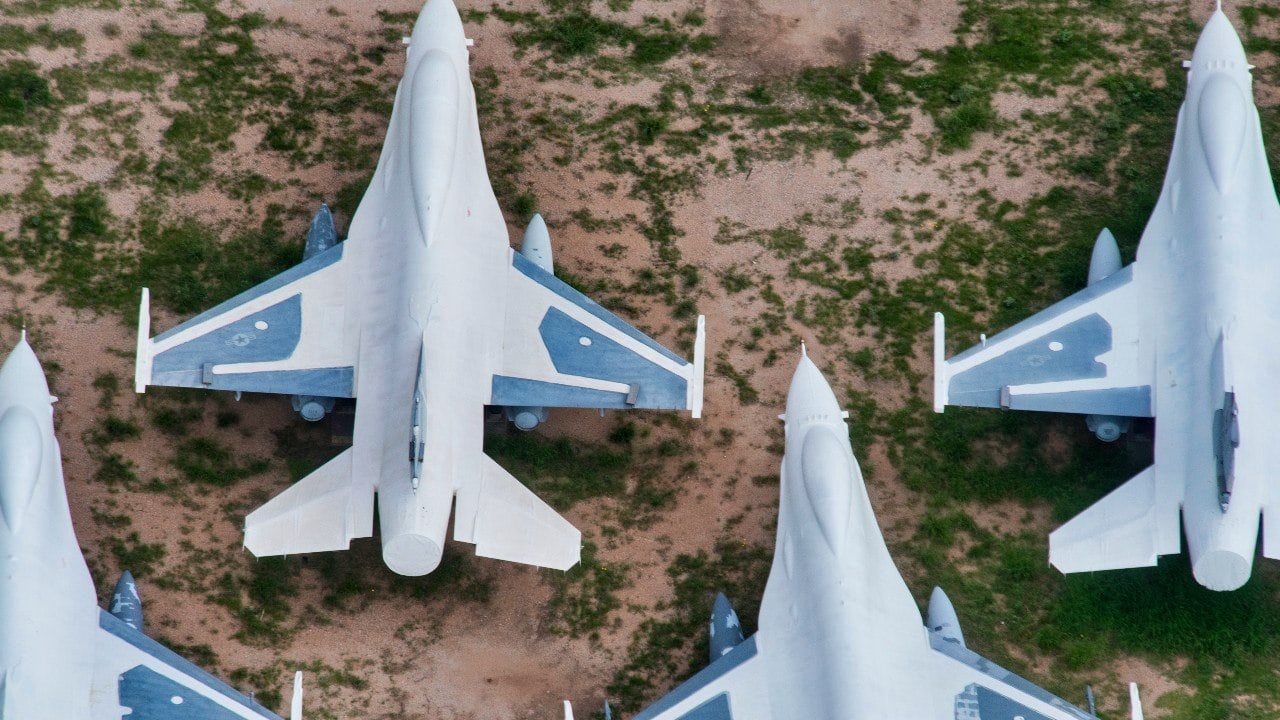
The Air Force Boneyard Holds 3,200 Aircraft, and Some Fly Again: The U.S. military’s aircraft “boneyard” outside Tucson covers 2,600 acres and normally holds about 3,200 aircraft, 6,100 engines, and nearly 300,000 line items of specialized tooling and test equipment. Officially known as the 309th Aerospace Maintenance and Regeneration Group, or AMARG, it is the Defense Department’s central aircraft storage, reclamation, and regeneration operation.
A count of the latest publicly posted line-by-line inventory, dated March 17, 2025, produces 3,247 aircraft across 177 model-design-series entries. The total changes as aircraft arrive, leave for museums, are stripped for parts, become target drones, or return to flying status.
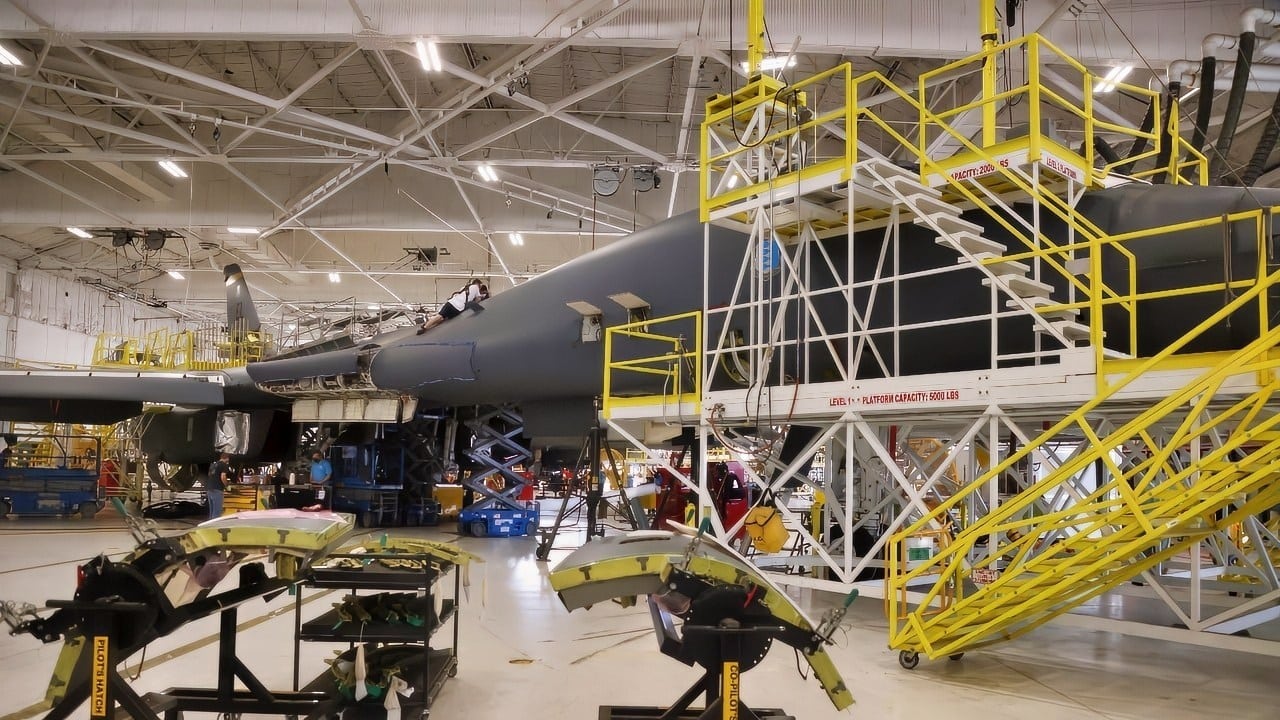
B-1B Lancer Back from The Boneyard. Image Credit: Creative Commons.
B-1B Lancer tail number 86-0115 shows why AMARG is more than an aviation cemetery. One of 17 B-1Bs retired in 2021, it entered Type 2000 storage before the Air Force retrieved it, rebuilt it at Tinker Air Force Base, and returned it to Dyess Air Force Base in April 2026 as “Apocalypse II.”
AMARG preserves options the Pentagon would otherwise lose when an aircraft leaves active service. Airframes become parts sources, allied transfers, research assets, or drones. A smaller number returns to operational units after extensive engineering work. AMARG says it regenerates or prepares about 100 aircraft for regeneration each year.
Arizona’s Climate Preserves Aircraft Without Paved Parking
The storage mission became a separate organization in 1946, before the U.S. Air Force existed as an independent service. Its first major holdings included B-29 Superfortresses and C-47 transports. In 1964, the Defense Department designated the Arizona facility as the single storage location for military aircraft.
Regeneration started almost immediately. During the Berlin Airlift, the organization returned about one-quarter of its stored C-47s to service. After the Korean War began, cocooned B-29s helped Strategic Air Command expand from 440 operational Superfortresses to 880, even though B-29 production had ended in 1947.
The site works because Tucson is dry and its soil contains hard caliche, able to support heavy aircraft without paving thousands of acres. Low humidity slows corrosion, while limited rainfall reduces damage from standing water. The climate gives maintainers a better starting point than an exposed coastal airfield.
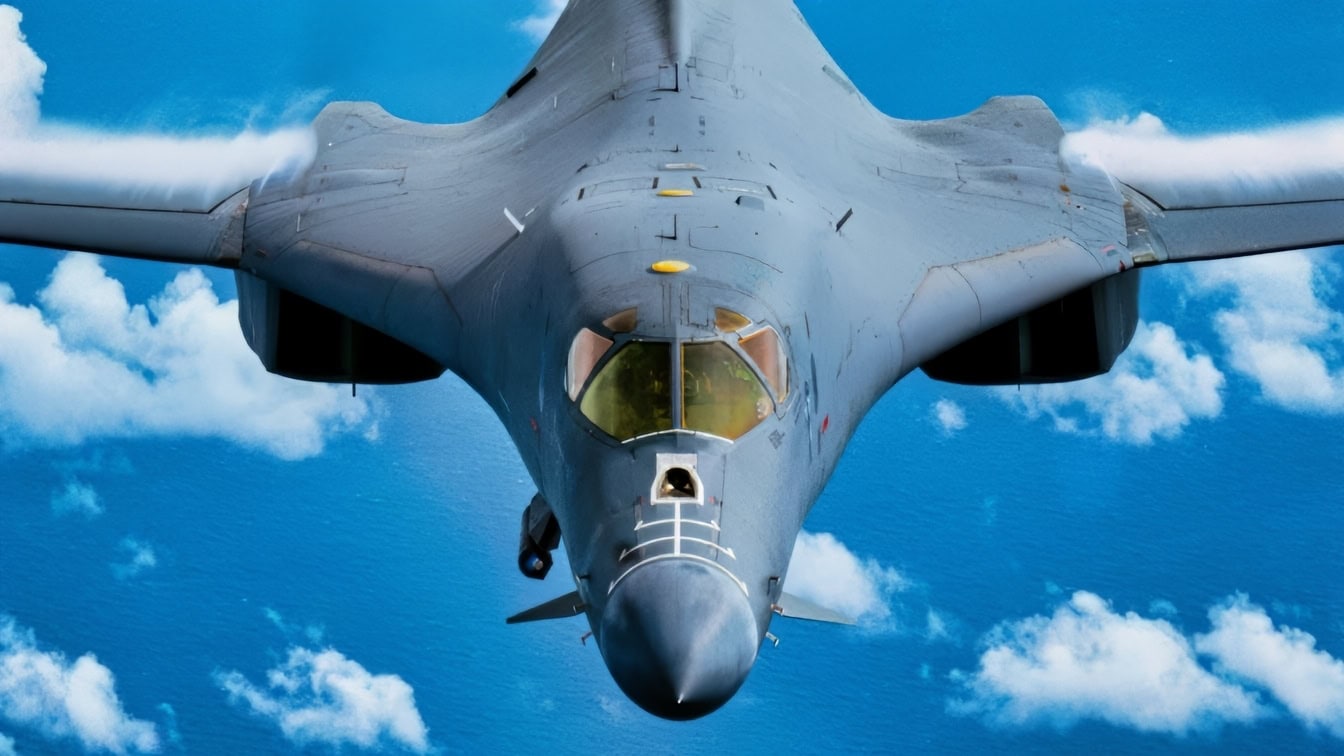
A U.S. Air Force B-1B Lancer prepares to refuel behind a KC-135 Stratotanker during a bomber air demonstration over the U.S. Southern Command area of responsibility Oct. 23, 2025.
The demonstration showcased Southern Command’s ability to quickly mobilize and enable the rapid establishment of credible, combat-ready forces with effective and overwhelming force.(U.S. Air Force photo by Airman 1st Class Daniel Harrell)
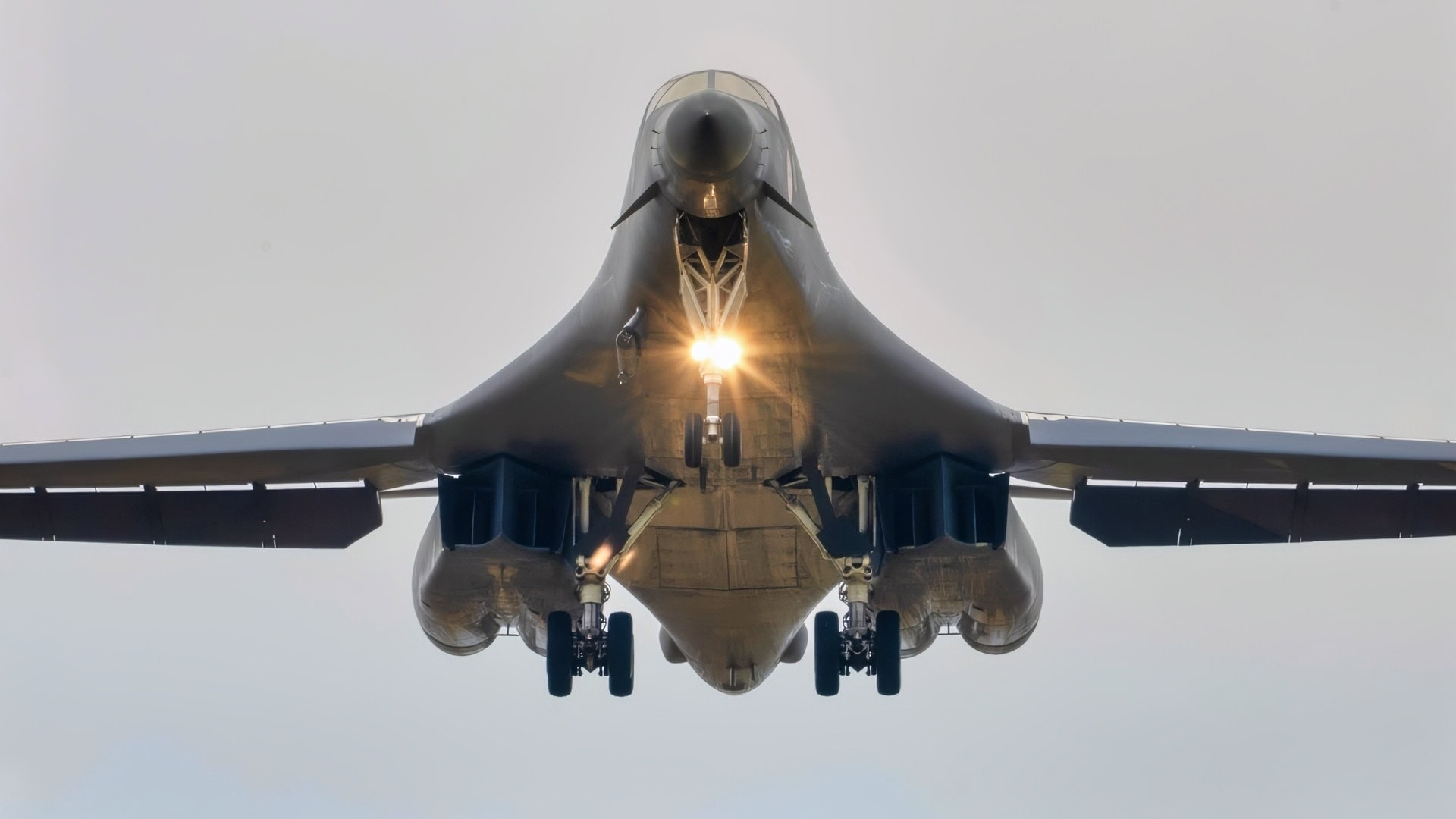
A U.S. Air Force B-1B Lancer assigned to the 345th Expeditionary Bomb Squadron, decends for landing at Ørland Air Base, Norway, during a Bomber Task Force Europe deployment, Aug. 9, 2025. The BTF mission highlights how we deliver effects rapidly across dynamic and contested environments through integrated training. (U.S. Air Force photo by Staff Sgt. Tambri Cason)
Preservation requires far more than parking a jet in the desert. Crews drain fuel, run preservative oil through fuel systems, wash the aircraft, and seal openings against moisture, dust and wildlife. A white protective coating lowers internal temperatures. Preparing one retired OC-135B for storage required 490 labor hours.
Air Force technical orders define several storage categories. Type 1000 provides the strongest long-term preservation. Type 2000 keeps parts available for reclamation. Type 3000 holds an aircraft temporarily while maintaining flying status. Type 4000 applies limited preservation to aircraft awaiting disposal.
The Inventory Includes Fighters, Bombers, Tankers, and Naval Aircraft
The March 2025 list contained 342 F-16s across the A, B, C, and D variants and 256 F-15s. It also included 170 A-10s, 187 F/A-18 variants, 314 C-130-family aircraft, 141 P-3Cs, 83 B-52Gs, 76 S-3Bs, 57 C-5As, 56 KC-10As and 27 B-1Bs.
Those numbers do not represent a ready combat fleet. Many aircraft were retired because of fatigue, obsolescence, accidents, or force-structure decisions. Some remain intact, while others donate engines, landing gear, radars, or flight-control components. The growing number of retired A-10s and the presence of dozens of S-3 Viking submarine hunters show how entire capabilities accumulate after the services move on.
AMARG stores aircraft belonging to the Navy, Marine Corps, Army, Coast Guard, NASA, and foreign governments. Fighters draw the most attention, but transports, helicopters, trainers, tankers, and surveillance aircraft make the site a cross-service reserve.
B-1 and B-52 Returns Show What Preservation Buys
Returning a bomber to service is a depot program, not a quick engine start. “Apocalypse II” spent nearly two years moving through regeneration, inspection, repairs, modernization and flight testing after leaving Arizona. The return of the retired B-1B helped preserve a congressionally mandated fleet of 45 aircraft while another Lancer underwent extensive structural work.
A second B-1B, known as “Lancelot,” left AMARG for Tinker in February 2024 after two years and 11 months in storage. It was selected to replace a bomber damaged by an engine fire whose repair was judged too expensive. Both cases show why the Air Force keeps some retired B-1Bs in recoverable condition.
The B-52 force produced the best-known earlier examples. “Ghost Rider” returned in 2015 after seven years at AMARG, while “Wise Guy” followed after roughly a decade in storage and rejoined operational service in 2021. Their return helped sustain the 76-aircraft B-52 inventory while the service prepared the bomber for a potential century of service.
AMARG Supplies Parts, Drones and Aircraft for Other Missions
Parts reclamation delivers value even when the complete aircraft never flies again. AMARG has removed 5,000 to 6,000 components annually in recent years, valued at $250 million to $300 million. The facility supports fleets whose original production lines disappeared decades ago.
The group prepared 23 F/A-18C Hornets for transfer from war reserve to the Marine Corps, with 16 later sent for an F/A-18C+ upgrade. Retired fighters also support the full-scale aerial target program. The Defense Department said AMARG had processed nearly 1,100 fighters for drone conversion over 48 years.
Research programs draw from the same inventory. NASA’s X-59 quiet-supersonic demonstrator received parts derived from stored F-16s and T-38s, including landing gear and cockpit components. During the 2022 effort to arm Ukraine, AMARG helped prepare 13 Mi-17 helicopters for transfer within three days.
The Inventory Never Stops Moving
AMARG is not a free reserve of thousands of ready aircraft. A stored airframe may have surrendered essential components, missed years of fleet upgrades or depend on suppliers that no longer exist. Regeneration requires funding, engineering data, skilled labor, depot capacity and a military requirement strong enough to justify the work.
Aircraft owners decide whether each asset is preserved, reclaimed, transferred, regenerated or destroyed. On July 14, 2026, McConnell Air Force Base sent the first KC-135R from its departing fleet toward Tinker for depot work before transfer to AMARG.
About the Author: Harry J. Kazianis
Harry J. Kazianis (@Grecianformula) was the former Senior Director of National Security Affairs at the Center for the National Interest (CFTNI), a foreign policy think tank founded by Richard Nixon based in Washington, DC. Harry has over a decade of experience in think tanks and national security publishing. His ideas have been published in the NY Times, The Washington Post, The Wall Street Journal, CNN, and many other outlets worldwide. He has held positions at CSIS, the Heritage Foundation, the University of Nottingham, and several other institutions related to national security research and studies. He is the former Executive Editor of the National Interest and the Diplomat. He holds a Master’s degree focusing on international affairs from Harvard University.

