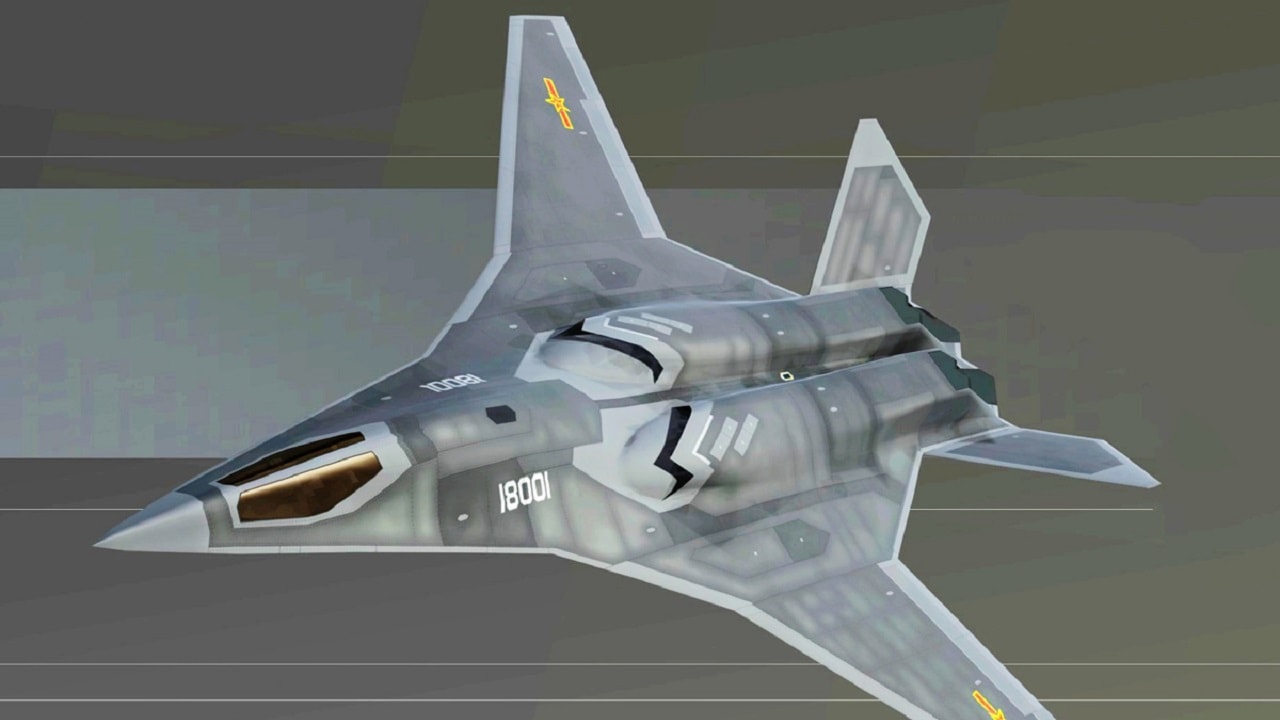
Summary and Key Points: China’s pursuit of the JH-XX “regional bomber” marks a critical shift toward medium-range stealth dominance in the Indo-Pacific.
-While the strategic H-20 targets intercontinental reaches like Hawaii, the supersonic JH-XX—potentially designated the J-36—is designed to penetrate dense air defenses to strike high-value assets in Guam, Japan, and the Second Island Chain.
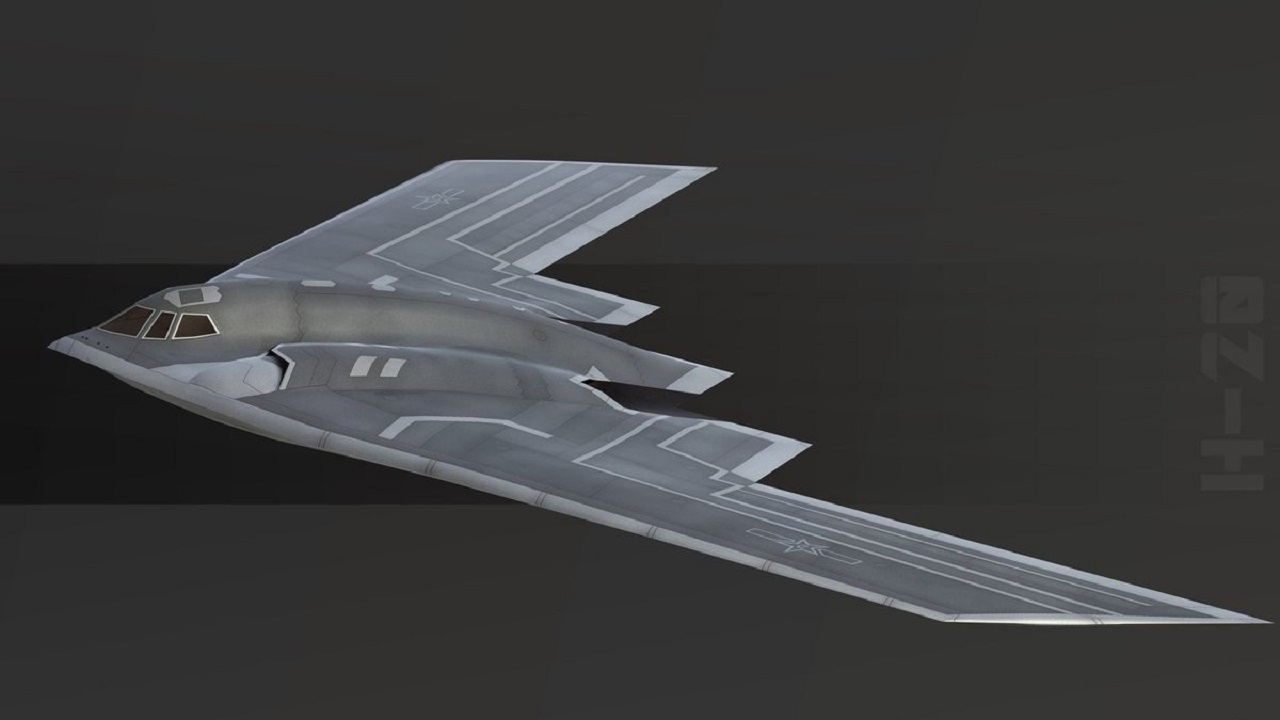
JH-XX Stealth Bomber Artist Rendering. Image Credit: Creative Commons.
-Recent February 2026 intelligence suggests the JH-XX features a tailless, three-engine design for reduced radar signature, directly challenging the U.S. Air Force’s regional overmatch.
-Despite skepticism from Global Strike Command regarding China’s “regional” limitations, the JH-XX represents a lethal bridge between tactical fighters and strategic bombers.
Supersonic Stealth: Inside the JH-XX’s Tailless Design and 3-Engine Powerhouse
China’s provisionally named JH-XX aircraft appears to be in development as a kind of regional bomber. The aircraft would be smaller in payload and with a more modest range than strategic bombers.
If this premise is correct, the JH-XX would possess the range to strike targets far from the Chinese mainland, perhaps as far as Guam—and certainly nearby targets such as Taiwan—but probably not as far as the U.S. West Coast.
Given its range limitations, such an aircraft in service with the People’s Liberation Army Air Force (PLAAF) likely would play a tactical rather than strategic role, albeit with a potentially very potent strike capability.
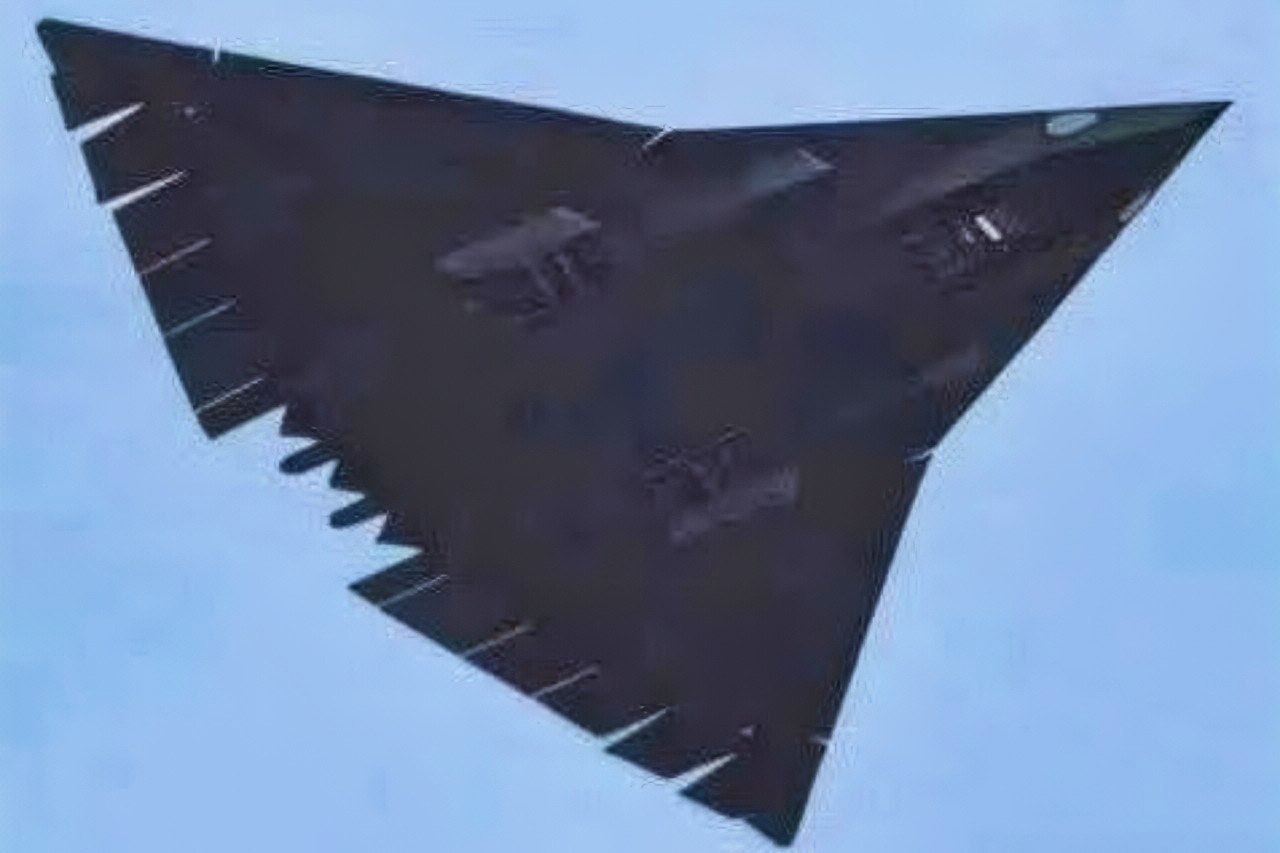
J-36 X Screenshot
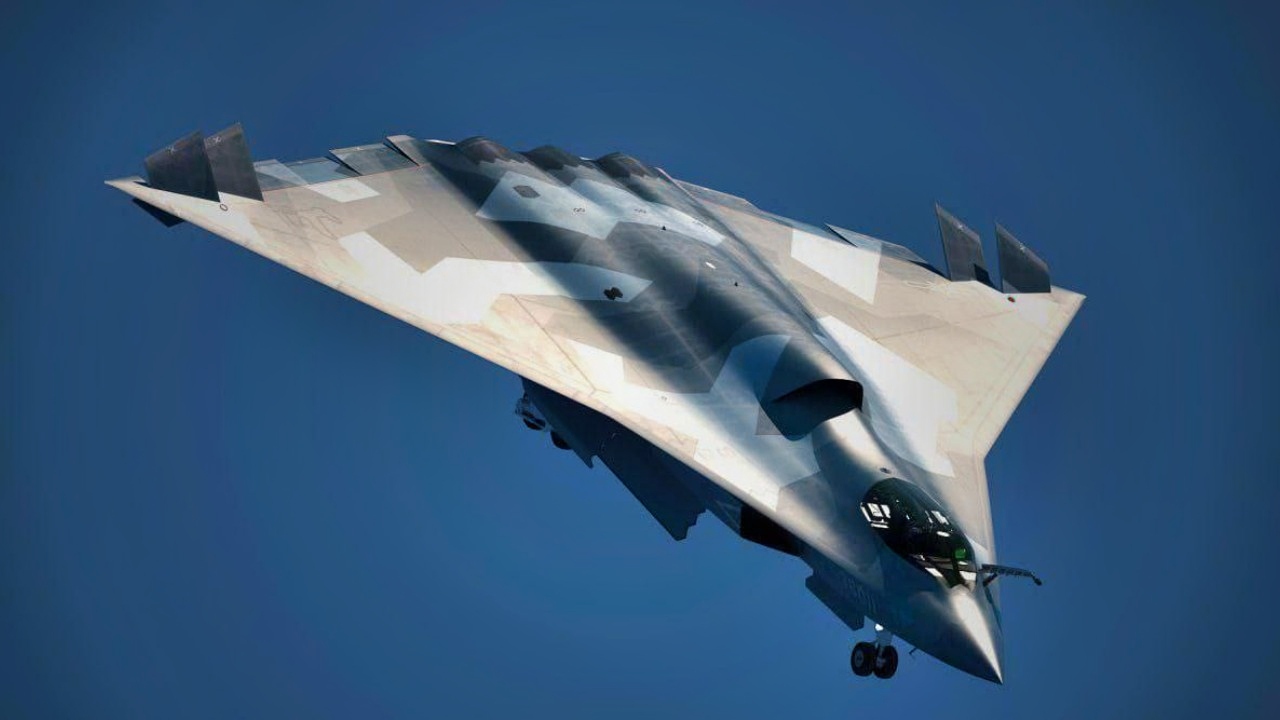
J-36 Fighter Artist Rendition. X Screenshot.
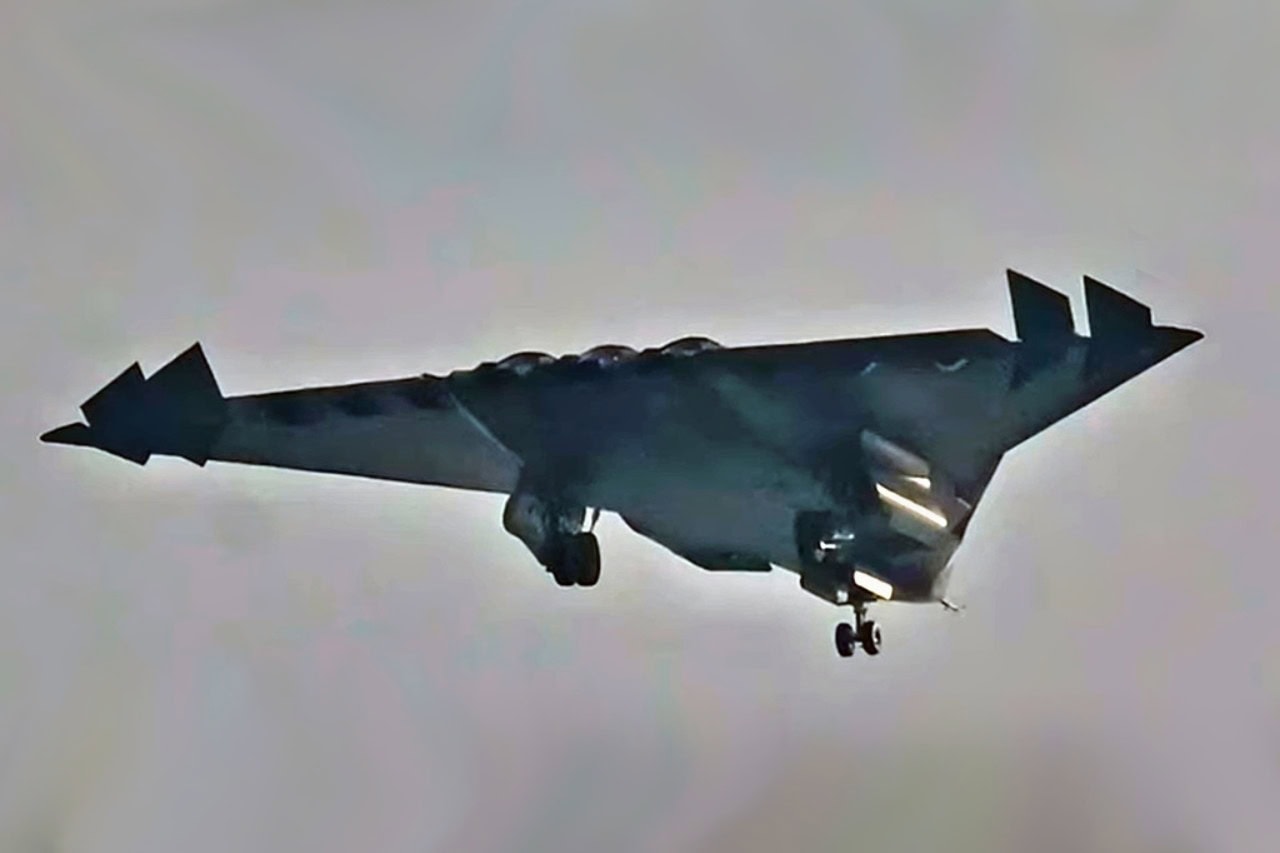
J-36 Fighter from China. Image Credit: Creative Commons.
The developmental status of the JH-XX is unknown; even its name is provisional. It might be a technology demonstrator like a U.S. X-plane, or a prototype. It can be said with some certainty that the JH-XX is not a mature aircraft. The few existing images of the aircraft show the JH-XX with an air data boom, suggesting early flight testing rather than an aircraft poised to enter large-scale production.
A Large Grain of Salt on JH-XX
Speaking to The War Zone, the Commander of Air Force Global Strike Command, General Stephen L. Davis, explained that while the PLAAF has made significant strides toward putting a sophisticated long-range bomber force into service, the force is bogged down by technical limitations and operational obstacles.
“I can certainly understand their [the Chinese] desire to have a long-range strike capability like the United States, and I know that they’re pursuing it aggressively,” General Davis conceded. But, he added, “what I can tell you is they’re just not there yet. I think our adversaries look at our long-range strike capabilities, and … want to mimic them, but they can’t.”
China’s H-20 stealth bomber is being designed as a long-range strategic bomber and is generally considered an analogue of the U.S. Air Force’s B-2 Spirit in terms of range and payload capacity. Though China has publicly unveiled the bomber, releasing a snazzy promotional video of the aircraft, its timeline for reaching active service remains murky.
At the moment, the core of the PLAAF’s bomber fleet is the H-6 bomber, which is essentially a variant of the Soviet Union’s Tu-16 Badger bomber. One Chinese variant, the H-6N, has been modernized and is responsible for China’s air-dropped nuclear weapons.
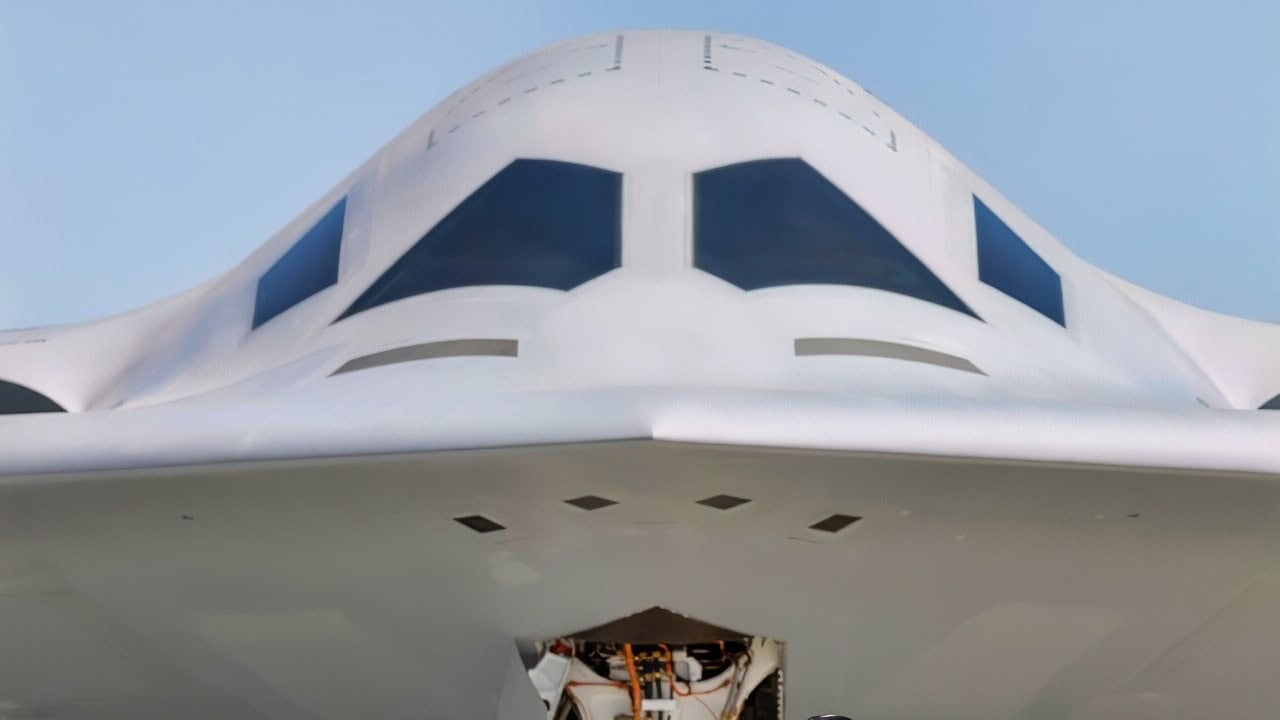
U.S. Air Force Airmen with the 912th Aircraft Maintenance Squadron prepare to recover the second B-21 Raider to arrive for test and evaluation at Edwards AFB, Calif., Sept. 11, 2025. The arrival of a second test aircraft provides maintainers valuable hands-on experience with tools, data and processes that will support future operational squadrons. (U.S Air Force photo by Kyle Brasier)
“There’s no other country in the world that can take and deliver a long-range strike platform pretty much on any day, in any time and place that they’re choosing, right?” General Davis exclaimed. “Really, China is a regional bomber force at best. I think they’re trying to continue to develop that.”
A Department of Defense intelligence official speaking to Breaking Defense outlined the technical hurdles the H-20 faces and explained why, at least for now, the bomber does not pose a significant threat.
“The thing with the H-20 is when you actually look at the system design, it’s probably nowhere near as good as US LO [low observable] platforms, particularly more advanced ones that we have coming down,” the official explained. He added that the Chinese have “run into a lot of engineering design challenges, in terms of how do you actually make that system capability function in a similar way to, like, a B-2 or a B-21.”
When asked directly if the H-20 is a concern, the official was blunt: “Not really.”
While the U.S. Air Force’s upcoming B-21 Raider is visually similar to the Cold War-era B-2 Spirit, and there will be mission overlap, the Raider will be significantly more capable than its predecessor. The B-2 was designed primarily to puncture heavily protected Soviet airspace and deliver nuclear ordnance on important military and political targets. A vital component of that bomber’s survivability was, in essence, radio silence—a lack of electronic communications—between the bombers and controllers.
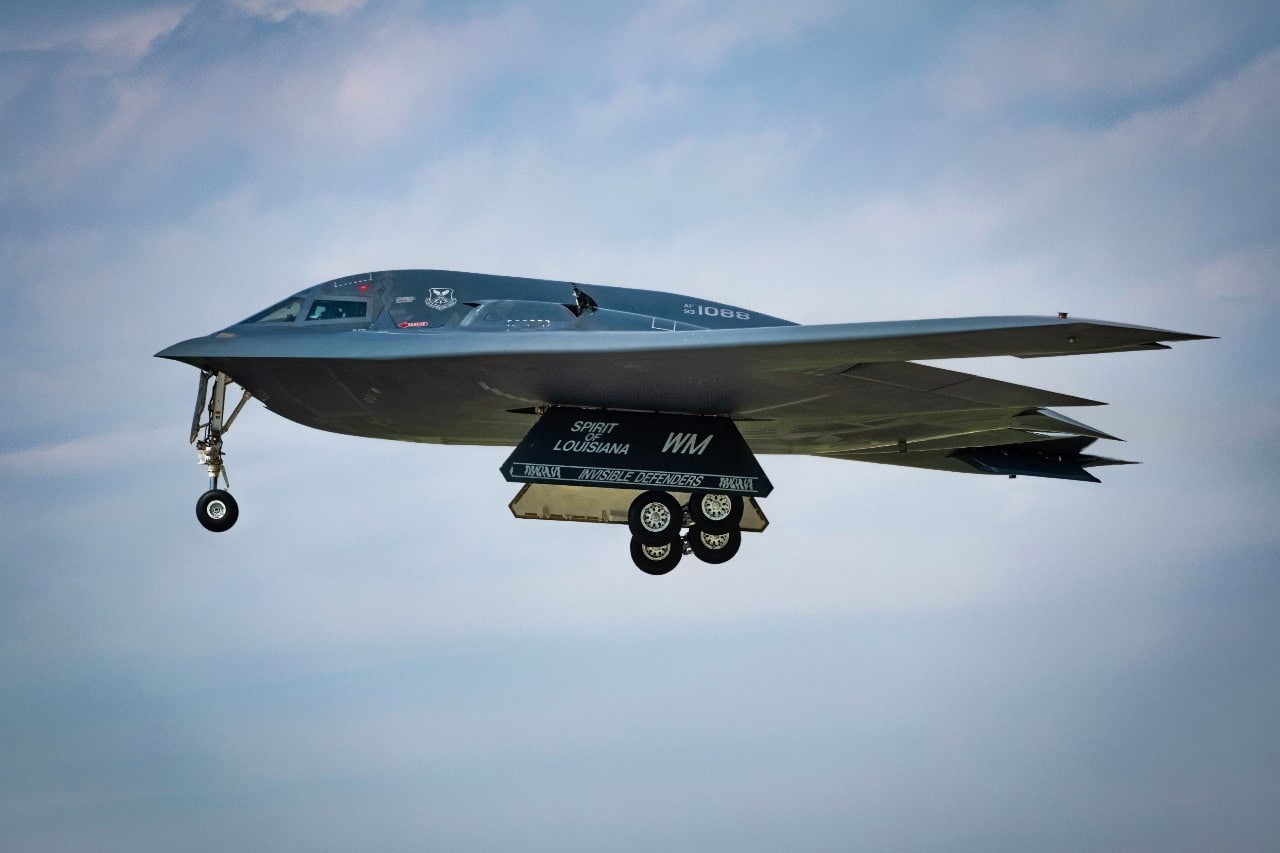
A B-2 Spirit stealth bomber departs from Whiteman Air Force Base, Missouri, April 16, 2025. The B-2 is capable of penetrating heavily defended air spaces and delivering conventional and nuclear munitions anywhere on the globe. (U.S. Air Force photo by Senior Airman Joshua Hastings)
While the B-21 Raider would fill a similar operational role and deliver both conventional and nuclear ordnance, it is anticipated to play an informational role somewhat like that of the F-35 stealth fighter—an offensive platform that can also vacuum up and relay information about the battle space to other aircraft and command-and-control nodes on the ground.
Into the Future for China’s Air Force
China’s prowess in the air is growing, and the PLAAF’s capabilities are increasing at a rapid clip. But the exact capabilities of the country’s burgeoning aircraft are much more turbid, as are the intended roles of multiple recently revealed aircraft. Until more evidence comes to light, best guesses remain just that—nothing is definitive or authoritative.
About the Author: Caleb Larson
Caleb Larson is an American multiformat journalist based in Berlin, Germany. His work covers the intersection of conflict and society, focusing on American foreign policy and European security. He has reported from Germany, Russia, and the United States. Most recently, he covered the war in Ukraine, reporting extensively on the war’s shifting battle lines from Donbas and writing on the war’s civilian and humanitarian toll. Previously, he worked as a Defense Reporter for POLITICO Europe. You can follow his latest work on X.