
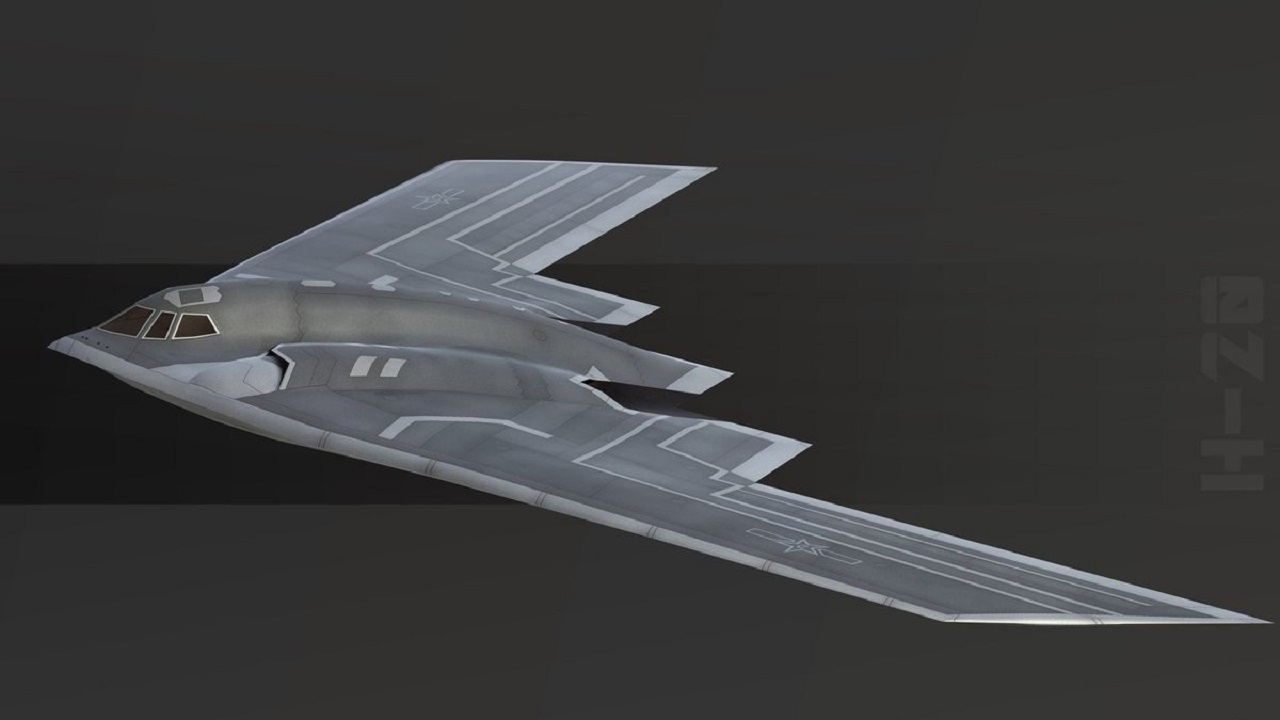
China’s JH-XX Stealth Bomber Is the H-6 Replacement Aimed at Guam
China’s H-20 program for a future stealth bomber has earned ample media attention in recent years. Beijing aims to field a sixth-generation platform capable of going head-to-head with U.S. bombers, and the Xian bomber could pose a real threat to China’s adversaries when introduced. However, much less attention has been paid to a secondary Chinese bomber series also under development. Designated as JH-XX by U.S. intelligence agencies, the future tactical bomber/fighter-bomber is reportedly being developed to complement the H-20.
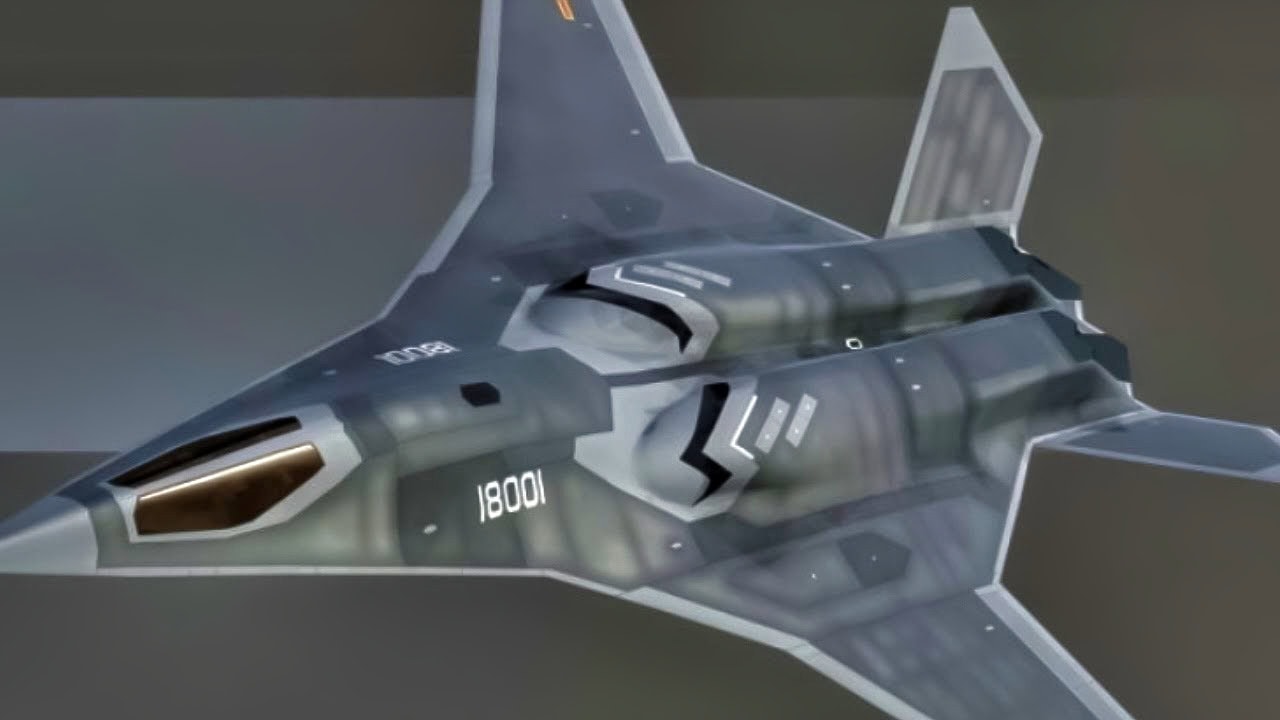
JH-XX. Image Credit: Creative Commons.
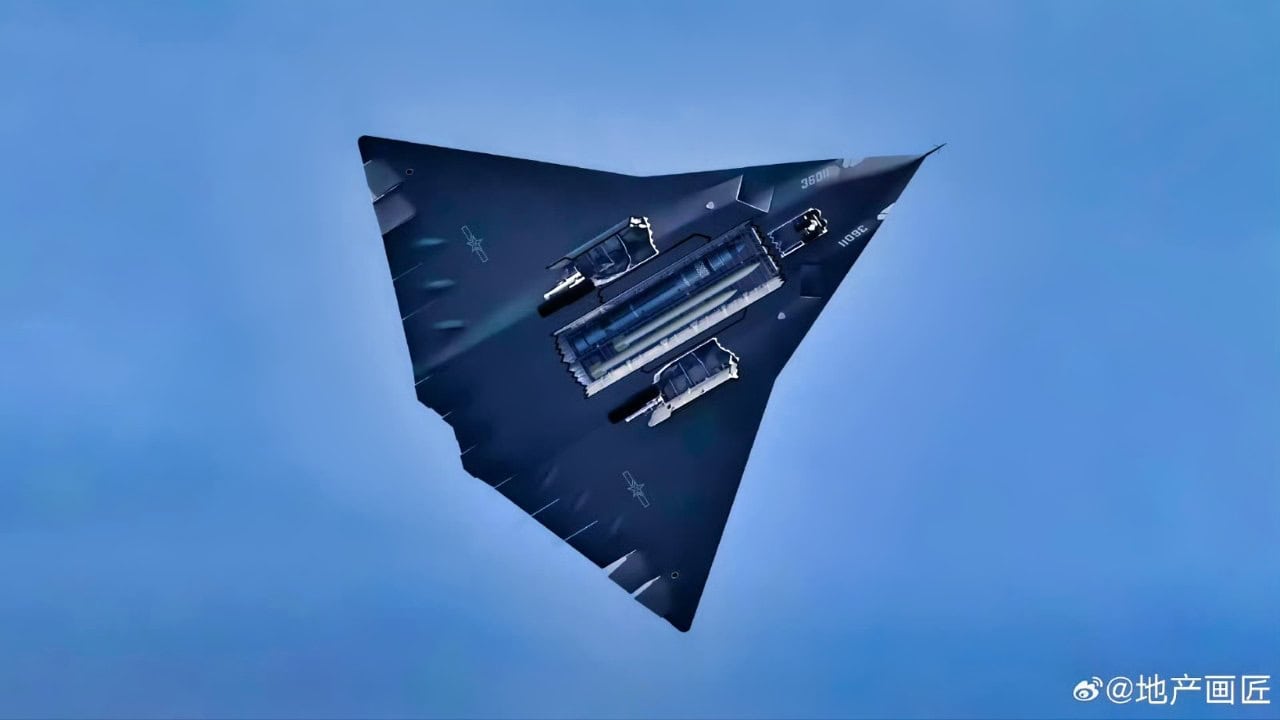
J-36 or JH-XX from China. Screenshot for Chinese Social Media.
JH-XX: What We Know
In 2019, the U.S. Defense Intelligence Agency released a report covering the secondary bomber. As detailed in an annex, “The PLAAF [People’s Liberation Army Air Force] is developing new medium- and long-range stealth bombers to strike regional and global targets. Stealth technology continues to play a key role in the development of these new bombers, which probably will reach initial operational capability no sooner than 2025.”
Since the first mention of the JH-XX platform, very little information surrounding the bomber has been released to the public.
However, analysts speculate that the JH-XX model possesses a main ventral weapons bay in addition to side-mounted bays likely designed for air-to-air missiles.
It is also assumed that the JH-XX will be smaller than the H-20. While some reports estimated the bomber could have a maximum takeoff weight of up to 100 tons, most analysts believe it will weigh 60 tons at most.
Although the JH-XX’s range will be far shorter than that of the H-20, the smaller bomber would still be capable of reaching U.S. assets in the Pacific, including military facilities in Japan.
Together with the H-20, the JH-XX could also be the latest milestone in Beijing’s long-term goal of contesting the second island chain by threatening the U.S. base on the island of Guam.
The JH-XX appears to be meant for speed, featuring a swept-wing configuration. The “gold standard” for modern military aircraft, however, is the flying-wing design, which helps provide maximum stealth for evading enemy air detection while in flight.
While the JH-XX’s capabilities remain a mystery, the aircraft would certainly boost Beijing’s aerial abilities.
What will the JH-XX replace when it reaches operational capacity?
China’s aging H-6 bomber is expected to be replaced by the JH-XX down the line. Serving as a key component in the PLAAF fleet for more than half a century, the H-6 remains an active player in Beijing’s aerial strategy.
The twin-engine heavy bomber was introduced in the 1960s by Xi’an Aircraft Industrial Corporation. Later, a nuclear-capable H-6 variant was introduced that is capable of carrying the JL-1 air-launched ballistic missile. Several other iterations of the bomber have been fielded, and the H-6N is believed to post the biggest threat to U.S. interests.
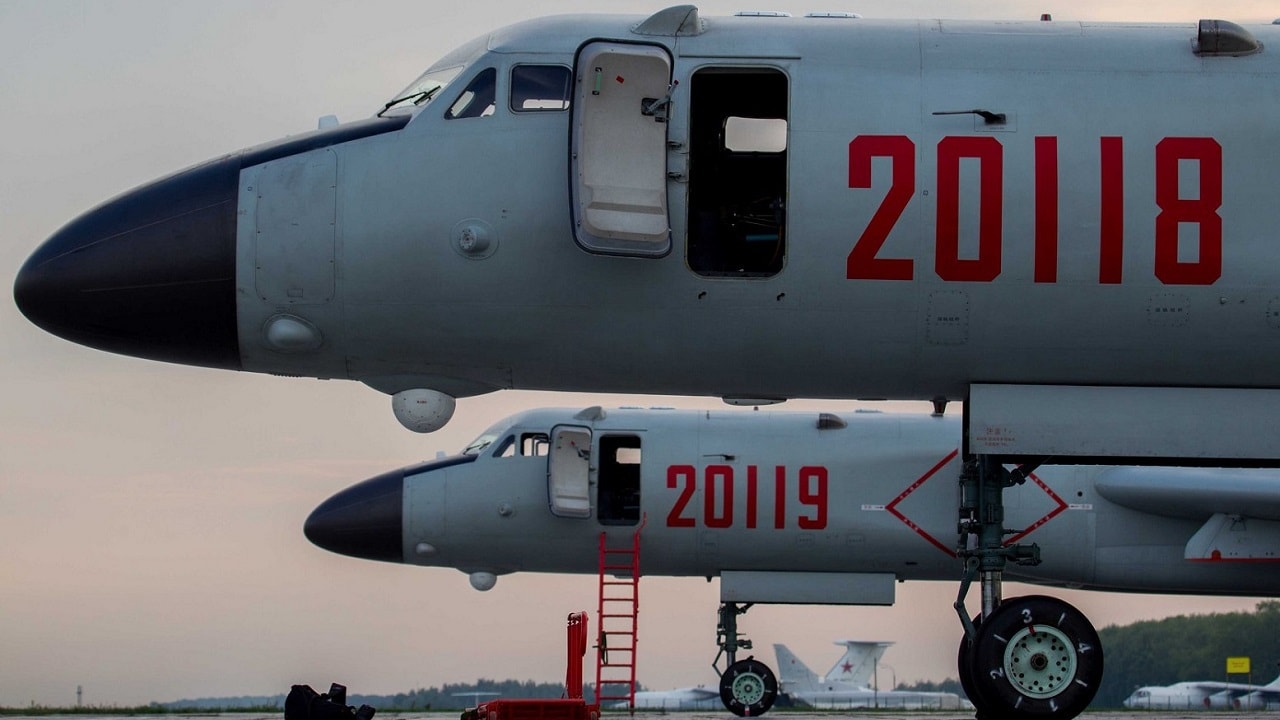
Image of Chinese JH-6 bombers on the ready. Image Credit: Creative Commons.
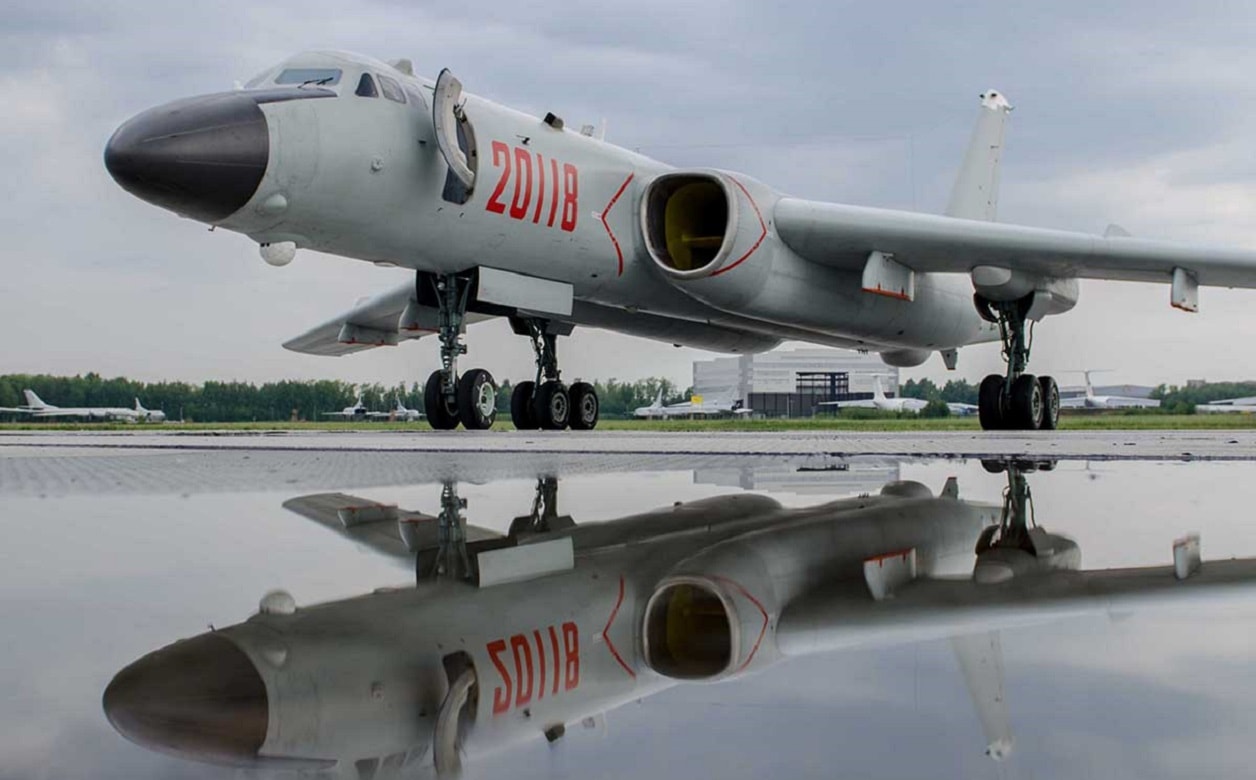
H-6 Bomber. Image Credit: Creative Commons.
What about the H-20?
Chinese officials want the H-20 bomber to lead its aerial fleet. The sixth-generation aircraft is being designed to achieve full air superiority, directly threatening the U.S. Air Force’s upcoming B-21 Raider.
Western analysts believe the H-20 could have a range of 8,500 kilometers—a bomber with this range could reach beyond the First Island Chain off the coast of China and into the Philippines, Japan, or Guam.
B-21 Raider: America has its own next-gen bomber in the works
China is not the only nation working to field a next-generation bomber.
Both Russia and the United States are developing their own cutting-edge programs, namely the PAK-DA and B-21 Raider, respectively. When the Northrop Grumman B-21 bomber reaches operational capacity, it will carry long-range strike into the future, according to its manufacturer.
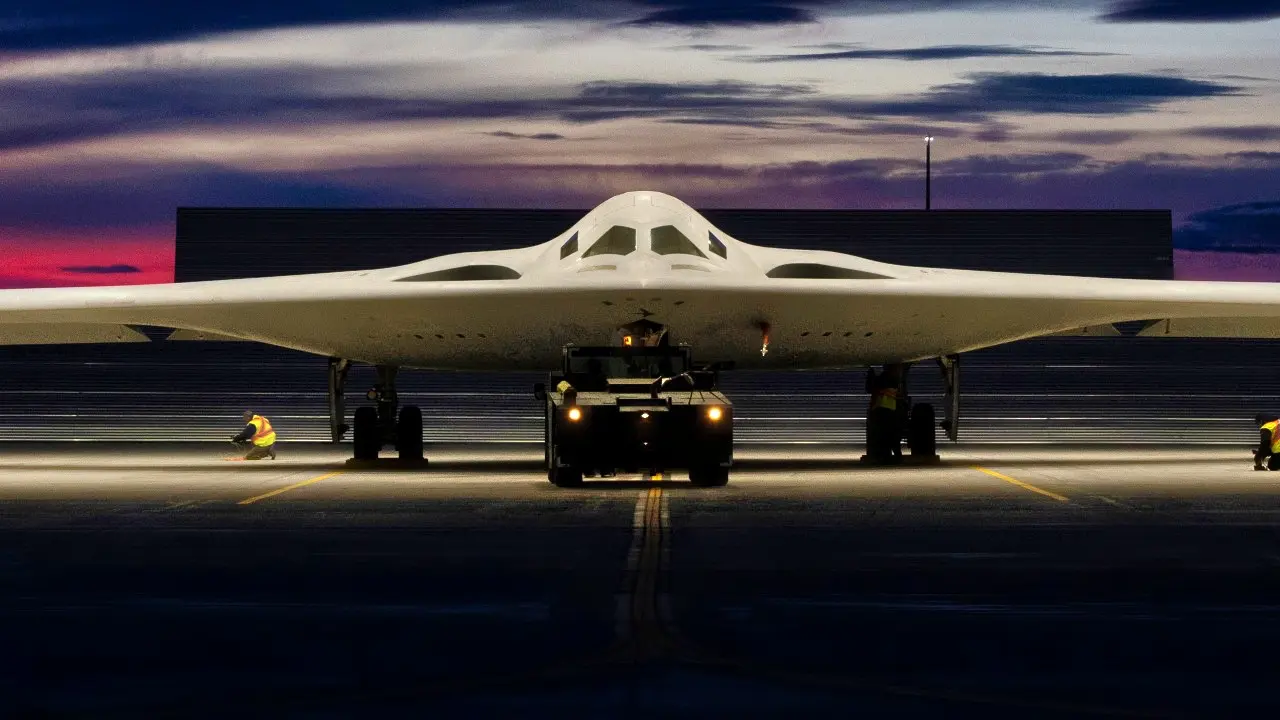
B-21 Raider Stealth Bomber.
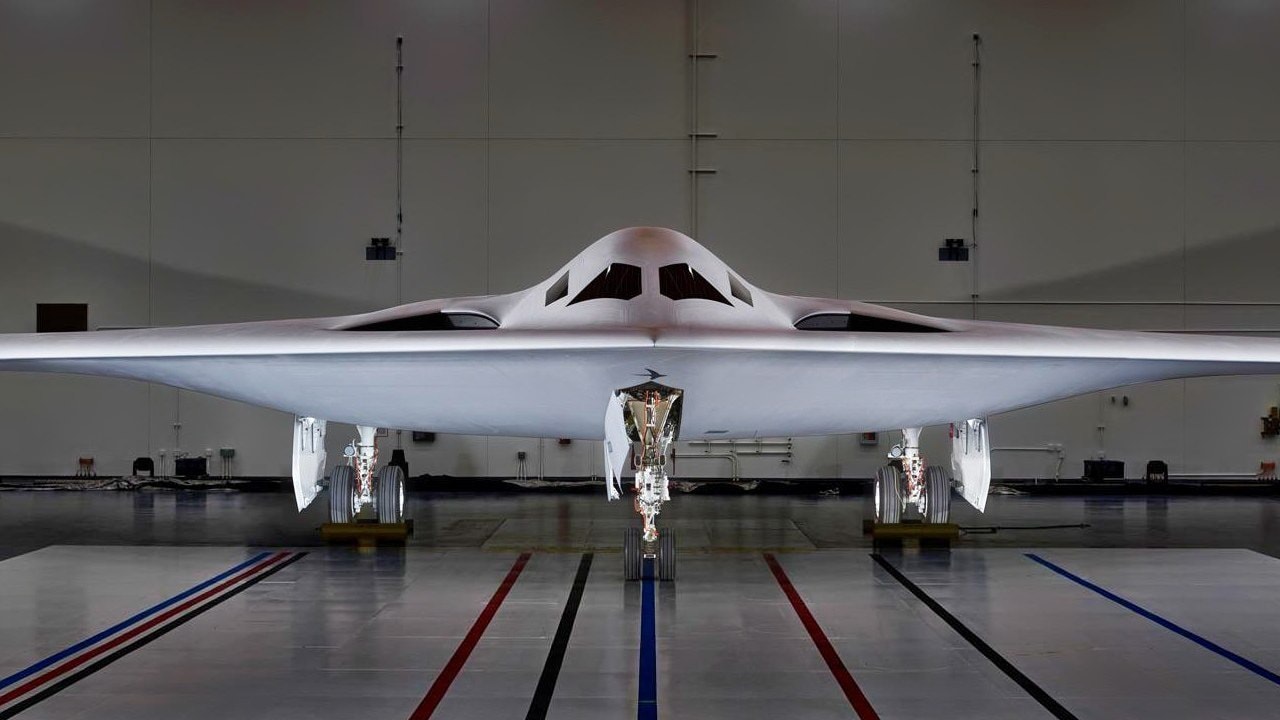
B-21 Raider Bomber U.S. Air Force.
Prioritizing stealth, speed, payload, and new technologies, the B-21 is expected to ensure America’s bomber superiority, even as Russia’s and China’s alternatives come into play.
About the Author: Maya Carlin
Maya Carlin, national security writer with 19FortyFive, is an analyst with the Center for Security Policy and a former Anna Sobol Levy Fellow at IDC Herzliya in Israel. She has over 1,000 articles published over the last several years on various defense issues. Carlin has bylines in many publications, including The National Interest, Jerusalem Post, and Times of Israel. You can follow her on Twitter: @MayaCarlin.