
Sinking the Supercarrier: How Cheap Submarines Outsmarted the U.S. Navy’s Aircraft Carrier Strike Group in a Wargame
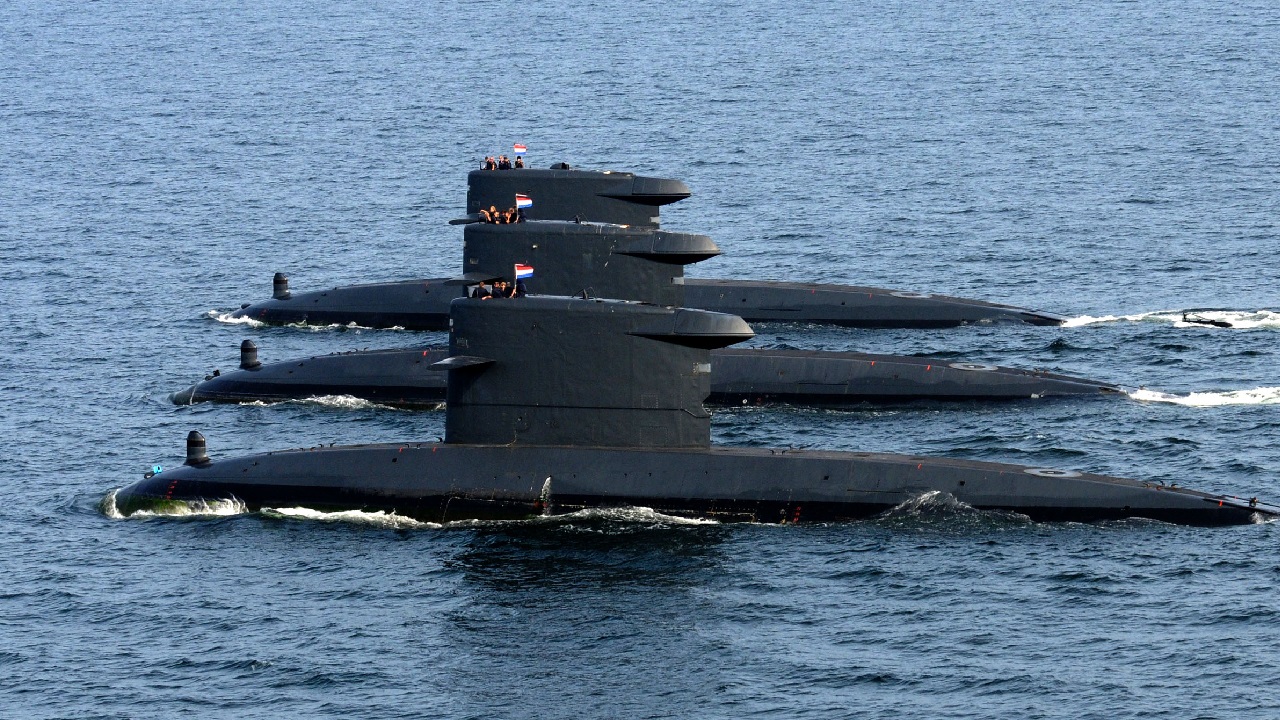
During a massive 1999 NATO exercise, JTFEX/TMDI99, the Dutch submarine HNLMS Walrus penetrated an entire US Carrier Strike Group (CSG) and delivered simulated torpedo strikes against the USS Theodore Roosevelt, a supercarrier, and multiple escort vessels.
The incident wasn’t a fluke either; six years later, the Swedish HSwMS Gotland performed a similar feat, demonstrating that multi-billion dollar carriers are indeed vulnerable to relatively simple, conventional submarines.
Diesel-Electric vs. Nuclear
Notably, both the Walrus and the Gotland were diesel-electric submarines.
Although perceived as outdated, the diesel-electric propulsion system offers advantages.
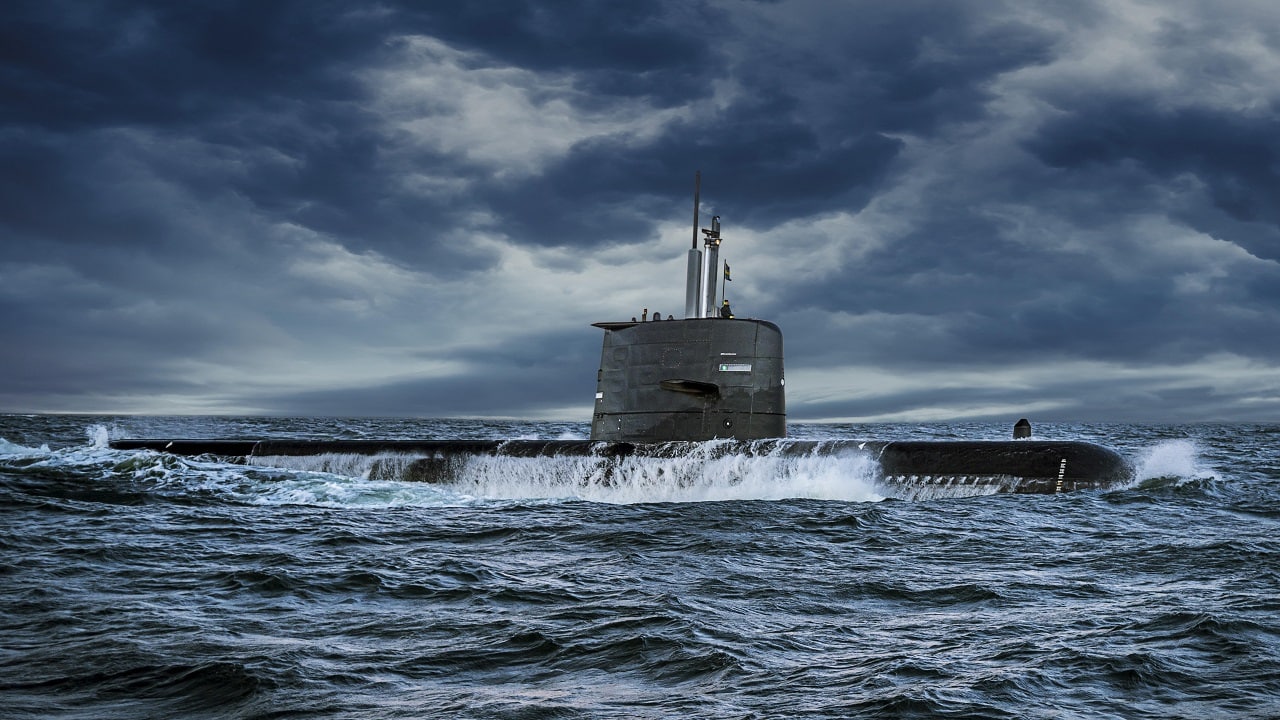
Gotland-Class: Image Credit – Sweden.
When operating on battery, the configuration is nearly silent, because without a nuclear reactor, there is no continuous mechanical noise.
The result is that the conventional submarine is extremely difficult to detect via passive sonar. The US no longer operates diesel-electric submarines; it now relies on nuclear propulsion, which offers unlimited endurance and a high sustained speed.
The disadvantage of the course is that the reactor cooling pumps create constant noise, making the nuclear subs easier to detect. But the Walrus (and the Gotland), operating with nuclear propulsion, were quiet enough to evade CSG detection.
The Walrus
The Dutch Walrus submarine displaces just 2,800 tons submerged and relies on diesel-electric propulsion for propulsion while armed with heavyweight torpedoes. Operating silently, the Walrus slipped through layered defense systems that included destroyers, cruisers, ASW helicopters, and US attack submarines.
The Walrus actually managed to get into a firing position and unleash multiple torpedoes. The Roosevelt supercarrier and multiple escorts were “destroyed” as far as the simulation was concerned.
While cosplay, the outcome did expose a real gap in US ASW coverage: if you can’t detect something, you can’t defend against that something. The Walrus’s advantage was that it blended into the noise of the surrounding ocean, which stumped the CSG, optimized for missiles and aircraft defenses, not ultra-quiet subs in littoral waters.
David vs. Goliath
The Walrus cost $500 million.
The US Navy Aircraft Carrier Strike Group in the aggregate?
Between the carrier, its escorts, and the air wing, the price tag is around $20 billion.
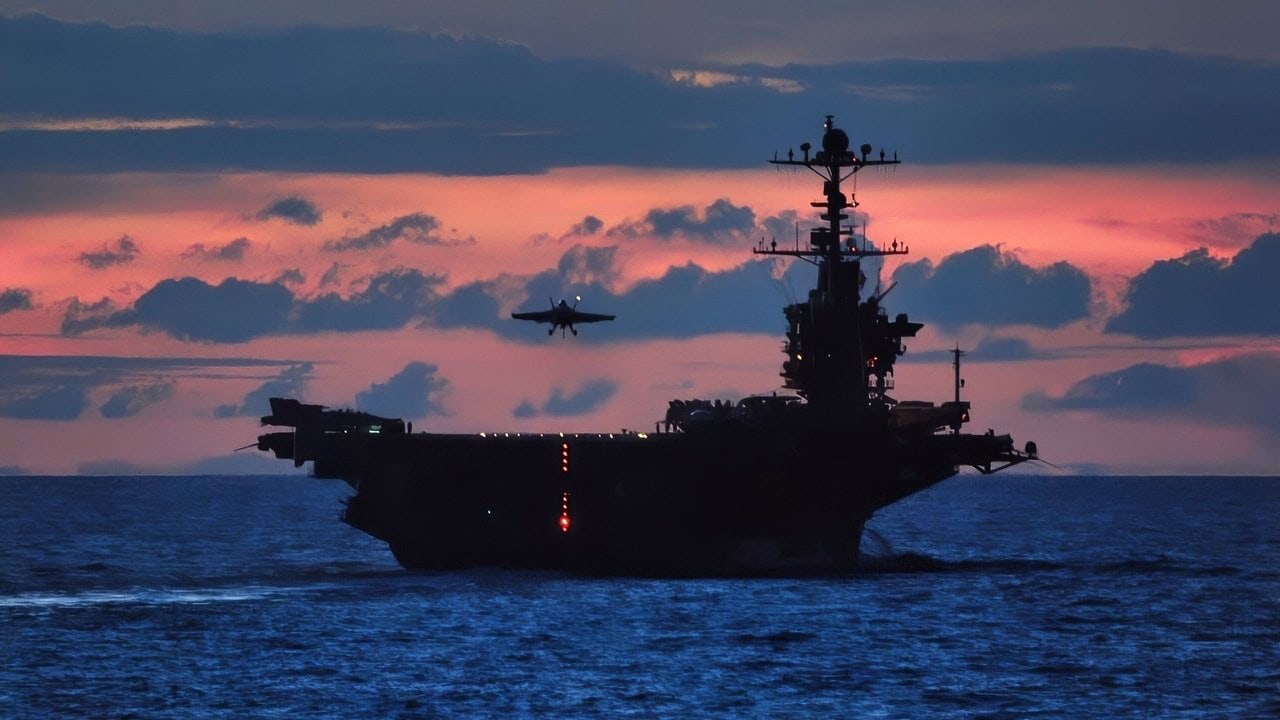
Sunset for U.S. Navy Aircraft Carrier. Image Credit: Creative Commons.
The asymmetry here is profound—that such a cheap platform can legitimately threaten a capital ship was a strategic shock, undermining assumptions of US dominance that had floundered unchecked in the post-Soviet 1990s.
Granted, the exercise environment favors the submarine: constrained geography and known operating areas place the CSG in coastal or cluttered waters, where the carrier is vulnerable and the diesel-electric submarine excels.
Still, the lesson holds real-world value: the carrier is not invaluable.
The Gotland
The Walrus incident was not a one-off. Just six years later, the Swedish Gotland repeatedly “killed” US carriers in another joint-exercise, demonstrating that the US CSG did seem to have a vulnerability gap. These exercise defeats weren’t embarrassing necessarily but diagnostic, forcing a reassessment of anti-submarine warfare.
The US refocused on ASW, doubling down on P-8 Poseidon patrol aircraft and sonar improvements, paying renewed attention to submarine hunting as a core mission.
The US even leased Gotland and trained its crew to detect the quieter propulsion system. The goal was to understand quiet-sub tactics and defend against them.
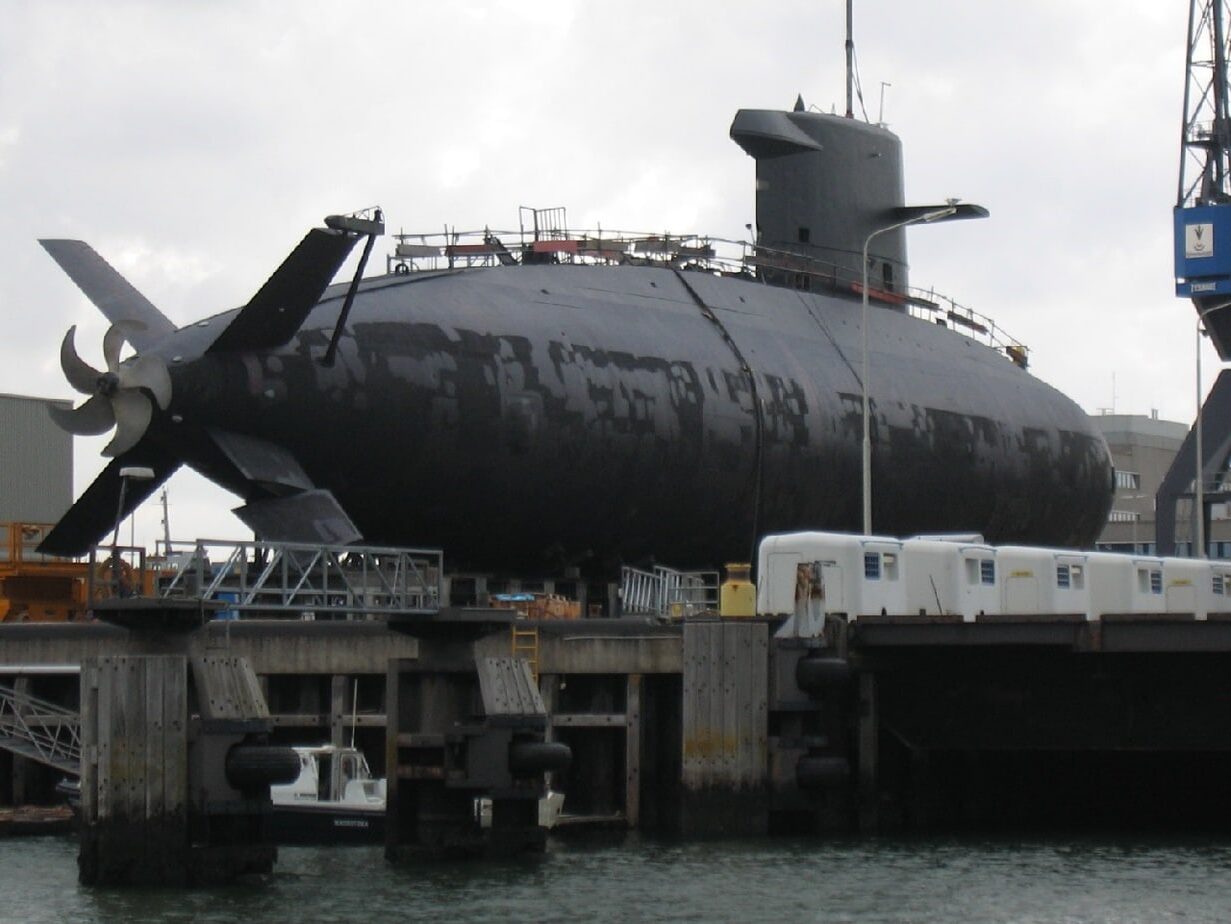
Walrus-Class Submarine. Image Credit: Creative Commons.
Along the way, improvements were made to the US’s layered defense, including better integration of surface ships, aircraft, submarines, and sonar coverage.
Similarly, the US internalized the lesson that shallow water was the danger zone, where different tactics would be needed for survival against diesel-electric submarines operating in their sweet spot.
Strategic Takeaways
Carriers are unmatched in power projection—they function as unfixed airfields that can be deployed anywhere in the world. But the carrier is increasingly contested.
Drones and anti-ship missiles are emerging, complicating the threat environment. But submarines remain the primary threat, especially in chokepoints and the littorals.
The uncomfortable truth is that cheap threats can neutralize expensive assets. China, taking notes, is investing heavily in submarines to defend the Indo-Pacific, which is full of shallow seas and island chains.
The implication is that US CSGs, wishing to operate in the region, will have to do so in environments that may favor the diesel-electric submarine.
About the Author: Harrison Kass
Harrison Kass is an attorney and journalist covering national security, technology, and politics. Previously, he was a political staffer and candidate, and a US Air Force pilot selectee. He holds a JD from the University of Oregon and a master’s in global journalism and international relations from NYU.