Without Regime Change, the IRGC Will Rebuild — Russia and China Could Accelerate Iran’s Rearmament in Years
The question of victory in Iran needs to be viewed in both short- and long-term contexts; the immediate impact of destroying the Iranian military may yield great benefits for the U.S. war effort, yet without regime change, a more dangerous Iran could emerge over the long term.
Negotiations are purportedly underway, and President Trump indicated that the U.S. is dealing with more “moderate” or different leaders in Iran.
This could be of great consequence, because a more U.S.-friendly future Iranian leadership that incorporates the collective will of the Iranian people calling for freedom could yield a lasting, prosperous outcome for Iranians and the U.S.

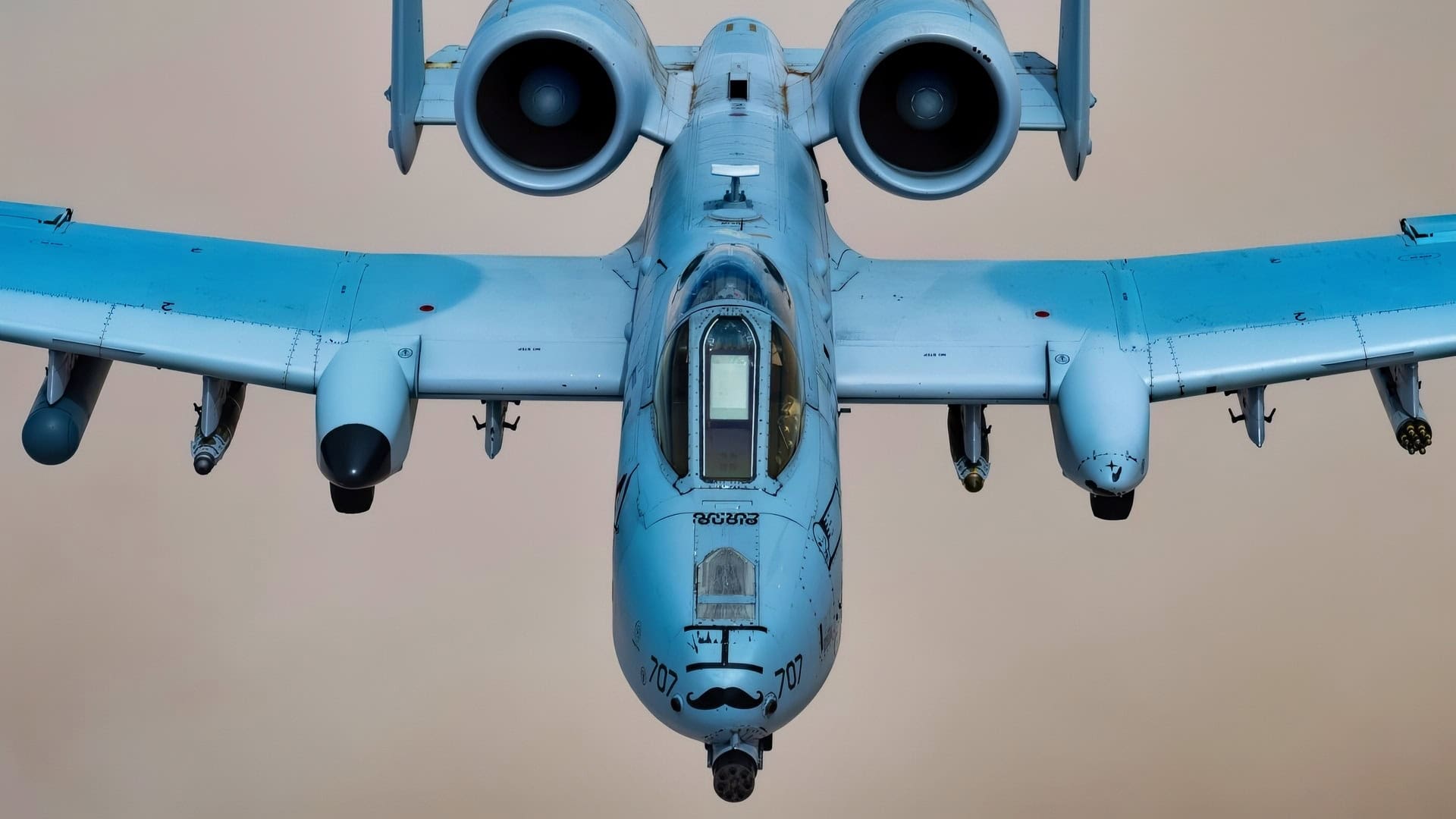
US A-10 Warthog aircraft landing on a highway in Estonia during an exercise.
If, however, hardline remnants of the Iranian Revolutionary Guard Corps seize and retain power, then it may simply be a matter of time until Iran reconstitutes its ability to attack Israel and its Gulf State neighbors.
Perhaps of greater concern, without regime change, there is little hope that Iran would abandon or consider “stopping” its long-term effort to acquire nuclear weapons.
Regime Change
Why would some kind of regime change be so critical?
Iran could rebuild and re-arm quickly, particularly with Russian and/or Chinese help, and IRGC hardliners would be more emboldened and more likely to take huge risks to attack Israel and U.S. interests and assets in the region.
This kind of scenario introduces the painful question of whether all the effort to destroy Iran’s military wound up resulting in a more unstable, violent, and dangerous Iran in the coming years.
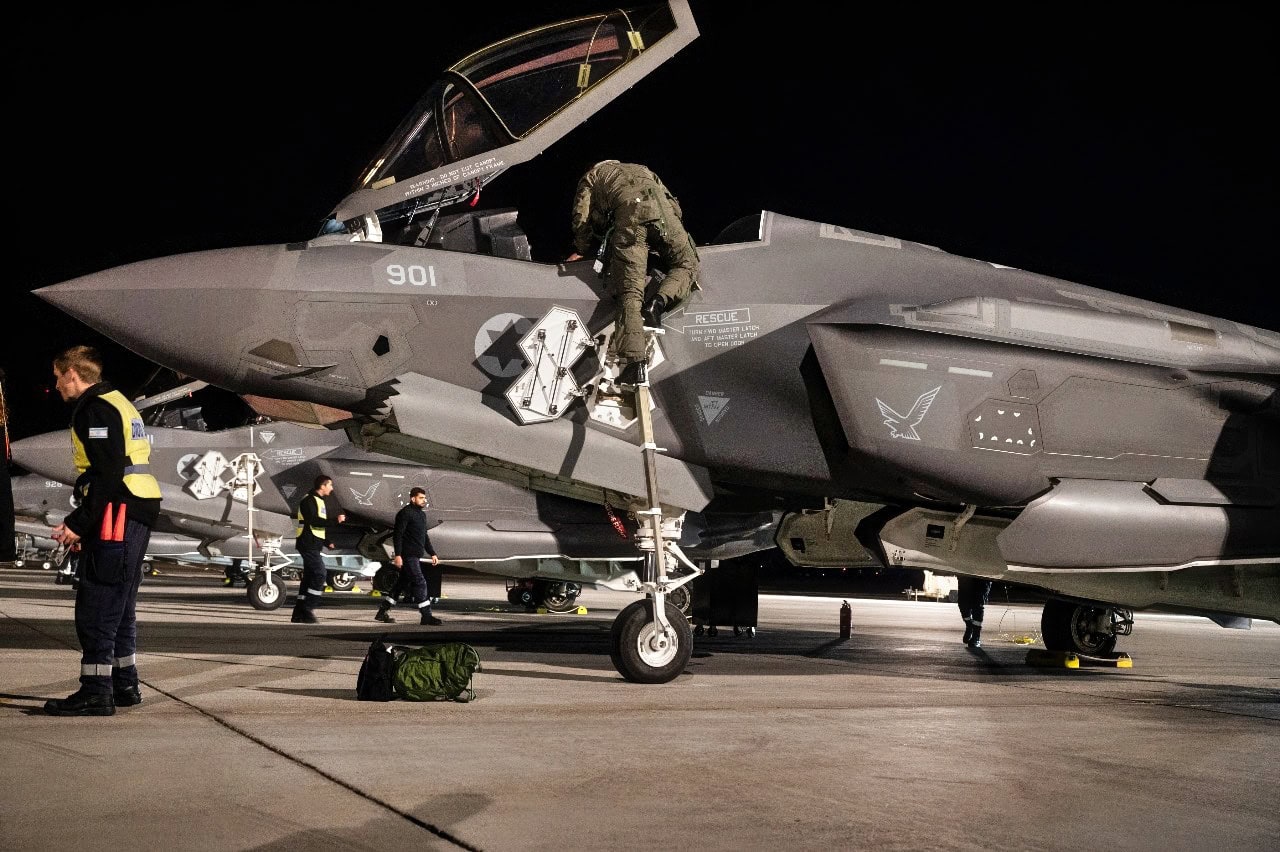
An Israeli Air Force pilot climbs into an F-35I Adir prior to a Red Flag-Nellis 23-2 mission at Nellis Air Force Base, Nevada, March 16, 2023. Red Flag is an opportunity to build on the success of JUNIPER OAK 23-2, JUNIPER FALCON, and additional combined exercises to enhance interoperability with Israel, strengthen bilateral cooperation, and improve capabilities in ways that enhance and promote regional stability and reinforce the United States’ enduring commitment to Israel’s security. (U.S. Air Force photo by Airman 1st Class Trevor Bell)
Certainly, a long-term risk would persist in the absence of full, decisive regime change, yet the damage done to the Iranian military cannot be underestimated.
Iran’s military has been largely obliterated, and the terrorism-supporting regime no longer has the ability to support and launch attacks through its proxies or launch many, if any, offensive military operations.
It is not clear how many of Iran’s 1-million-person force have the will to fight, and the country’s 4,071 tanks may not be modernized enough to pose much of a ground-war threat.
Iran may be weaker than ever before, so the U.S. would be well served to help identify and engage new, more moderate Iranian leadership and potentially “arm” or “empower” the large percentage of Iranian people who oppose the existing regime.
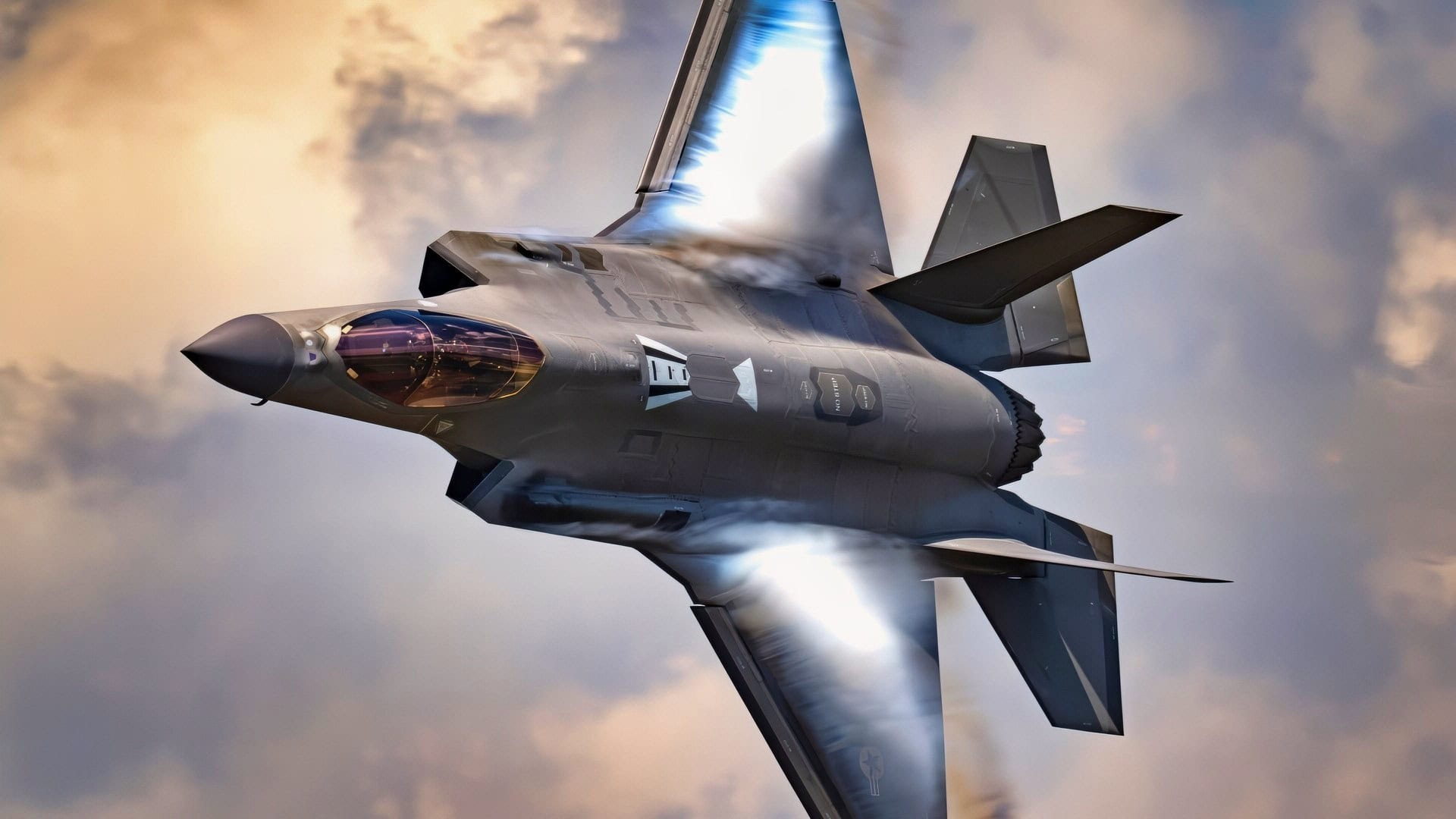
A U.S. Air Force F-35A Lightning II, assigned to the F-35A Lightning II Demonstration Team, piloted by Maj. Melanie ‘MACH’ Kluesner, performs during the 2025 Battle Creek Field of Flight Air Show over Battle Creek, Michigan, July 5, 2025. The F-35A Demonstration Team showcases the jet’s unique maneuverability and advanced capabilities at air shows across the nation. (U.S. Air Force photo by Staff Sgt Zachary Rufus)
Iran Destroyed
Despite this, it can’t be ignored that the Iranian threat has been “massively” destroyed, lessened, set back, crippled, and no longer in a position to support attacks on Israel or arm its proxies.
The war is accomplishing this, as Iran’s Navy is destroyed, its Air Force neutralized, and its ground troops, combat vehicles, and missile arsenal have been nearly eliminated.
However, it is not clear just how many missiles the Iranians may have left, and the hardline elements of the IRGC may still operate large numbers of buried, hidden missiles, small boats, and drones.
It seems the U.S. cannot be fully assured it has removed Iran’s capability to attack until or unless there is new leadership, or troops on the ground find, locate, and neutralize any possible remaining Iranian underground weapons.
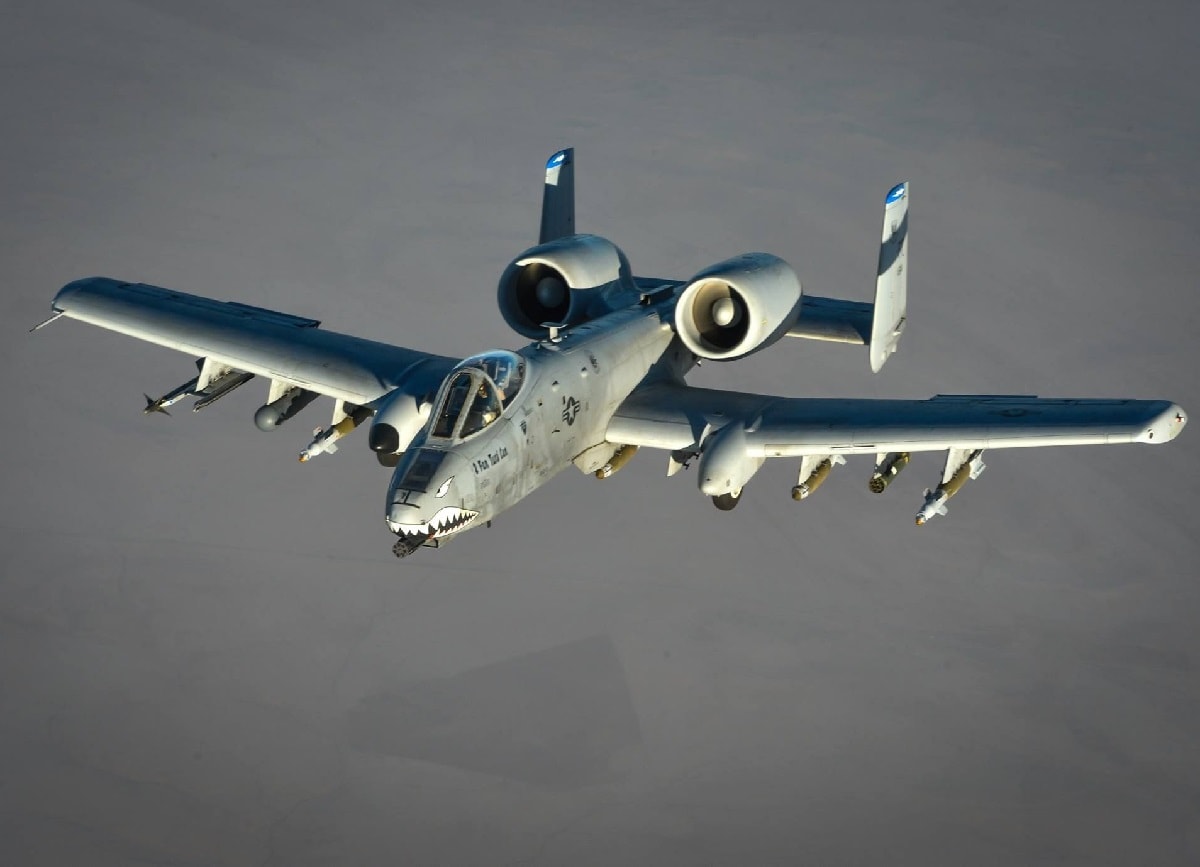
Image: Creative Commons.
These questions pertain to the intended goal or “end-state” of the U.S. war in Iran.
Should a repressive, terrorist regime remain in place and continue to kill and suppress its own citizens seeking a better government, then the military effort may succeed in setting back Iran’s nuclear ambitions or ability to launch attacks in the region for an unknown period of time.
This is not an irrelevant or useless accomplishment, as it does make the U.S. and its allies safer in the coming years, yet a very serious long-term threat is likely to remain.
About the Author: Kris Osborn
Kris Osborn is the President of Warrior Maven – Center for Military Modernization. Osborn previously served at the Pentagon as a highly qualified expert in the Office of the Assistant Secretary of the Army—Acquisition, Logistics & Technology. Osborn has also worked as an anchor and on-air military specialist at national TV networks. He has appeared as a guest military expert on Fox News, MSNBC, The Military Channel, and The History Channel. He also has a Masters Degree in Comparative Literature from Columbia University.