
The Madman Strategy: Trump May Be Leveraging His Unpredictability to Frighten Iran Into a Ceasefire
On Tuesday morning, President Trump declared that if Iran does not meet his demands to open the Strait of Hormuz before 8 pm tonight, “[T]he entire country can be taken out in one night, and that night might be tomorrow night,” and “a whole civilization will die tonight, never to be brought back again. I don’t want that to happen, but it probably will.”
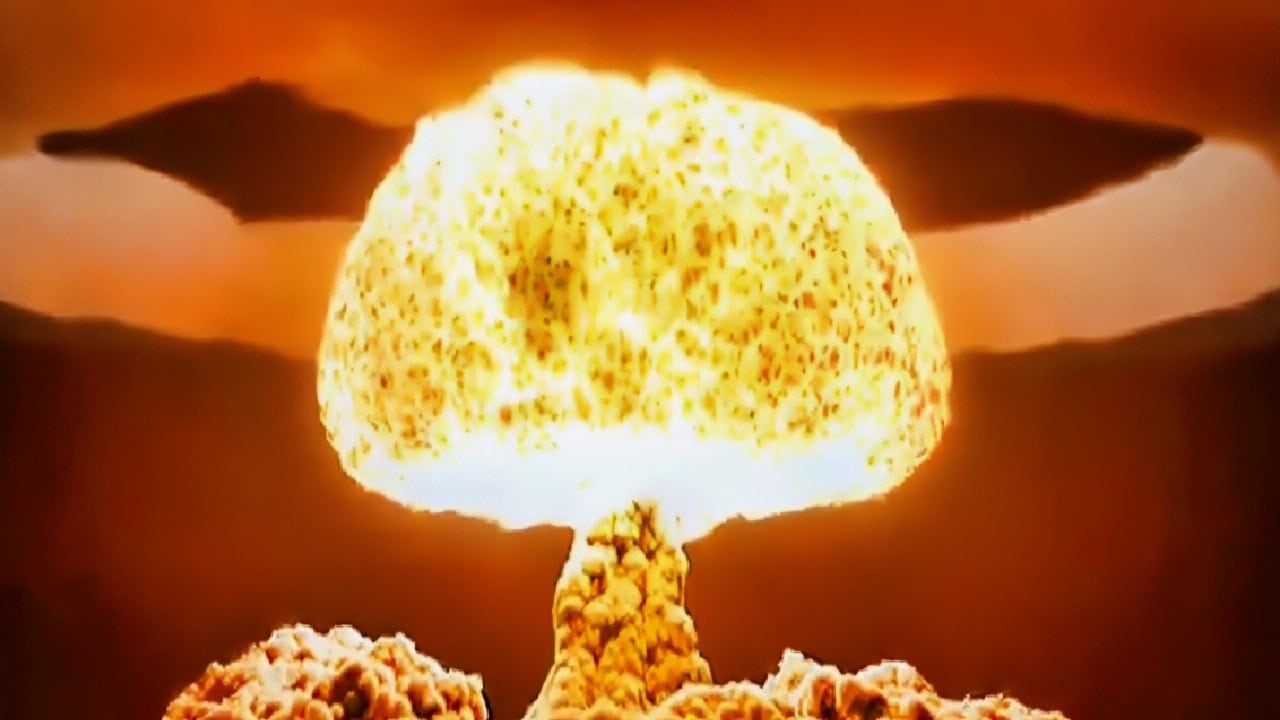
The President has not clarified his remarks, but many are interpreting the posts as implying that Trump has decided to use nuclear weapons against the Islamic Republic.
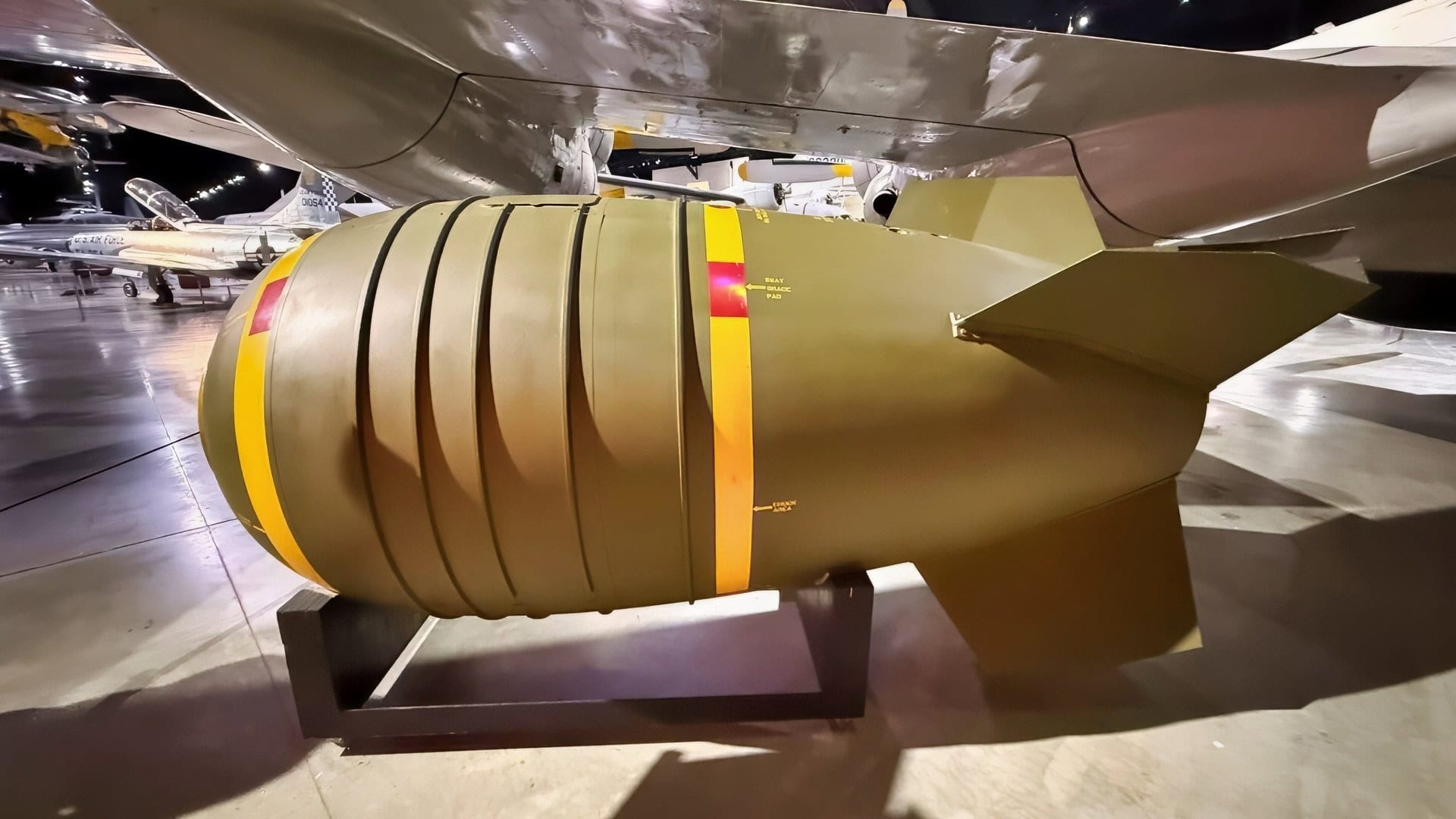
Nuclear Bomber Image Taken at National Museum of the Air Force by 19FortyFive.com
While the conventional destruction of Iranian transport and power infrastructure would cause extraordinary long-term damage, it would in no way represent the death of a “whole civilization.”
Moreover, both transport and power infrastructure can be repaired, undermining Trump’s claim that the civilization “can never be brought back again.”
If President Trump were to have us take him either seriously or literally, then the use of nuclear weapons against civilian populations seems to be on the table.
To be clear, the use of nuclear weapons on Iran would represent a gross violation of International Humanitarian Law, the Law of Armed Conflict, and some eight decades of norms against nuclear use.
Russia has not used nukes against Ukraine, and the United States did not use them in any of Korea, Vietnam, or Iraq.
A Nuclear War on Iran: What Would the Targets Be?
It is not obvious what targets Trump would use nukes against; most of the civilian infrastructure that he has been threatening to target can effectively be destroyed with conventional weapons.
One option might be the remnants of Iran’s nuclear development program, but such an attack would not necessarily be sufficient to convince Iran to open the Strait of Hormuz or to give up its dispersed missile and drone programs.
Atomic Bluff?
But what if Trump is simply engaging in characteristic hyperbole?
Trump may well be trying to employ a “madman strategy,” intended to leverage his unpredictability into terrifying Iran into a ceasefire.
If the Iranian leadership believes that Trump is literally insane, then it may become more inclined to buckle under his demands.
The threat of the use of nuclear weapons would thus bring about a cease-fire and hopefully an enduring peace.
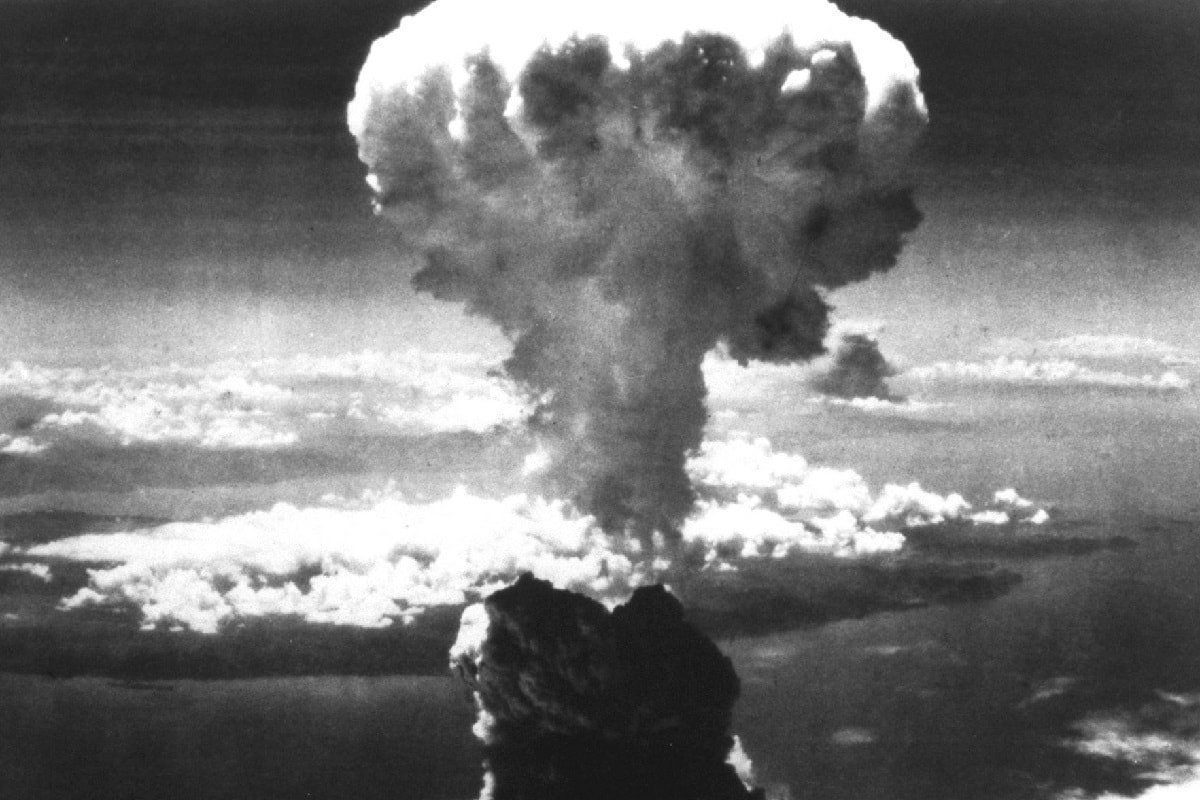
Hiroshima. Image Credit: Creative Commons.
And yet, assuming any strategy behind Trump’s rhetoric is a mistake.
Over the course of the war, the President has repeatedly declared that the Strait of Hormuz is of little consequence to the United States and that its opening should be handled by other countries. He has also suggested that the United States and Israel have already achieved their core war aims, and that the conflict need not last much longer.
Just Try Everything Strategy?
While the President believes his rhetorical unpredictability to be an asset, the “throw everything against the wall and see what sticks” approach can be self-defeating.
From the Iranian point of view, there is little reason to believe that Trump is willing to destroy the whole of Persian civilization over access to the Strait when last week he could barely be bothered to harass US allies about access.
Moreover, the Iranians already have enough experience with Trump to understand that any “deal” is of little value. Trump’s withdrawal from the JCPOA underlined his willingness to break agreements, and his decision to bombard Iran twice in the last year makes him an altogether untrustworthy negotiating partner.
This is the crux of the problem; Iranian leadership (whoever may be in charge at the moment) must believe that Trump is insane enough to carry out his threats but also trustworthy enough to abide by ceasefire commitments.
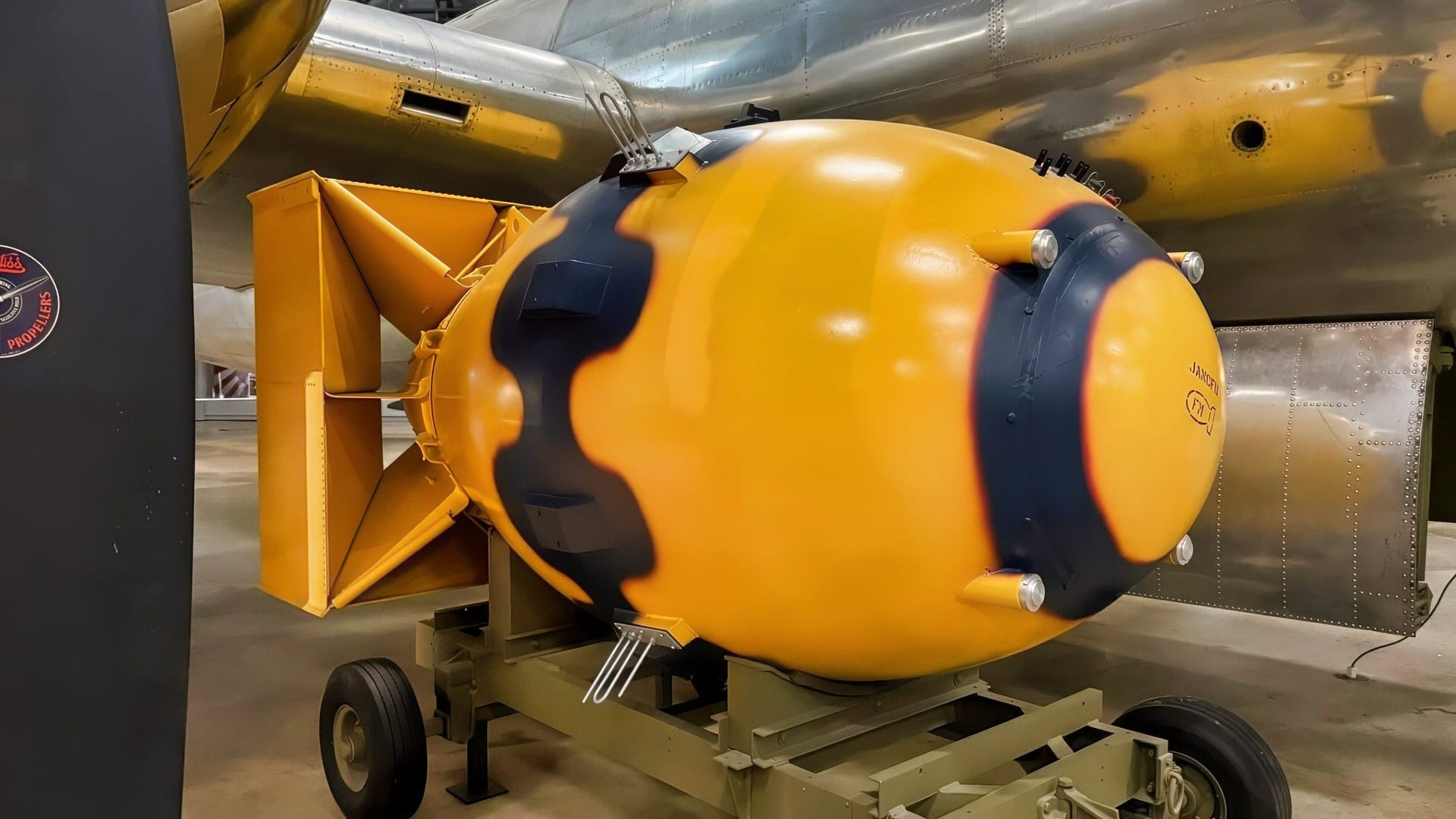
Fat Man Nuclear Bomb from the National Museum of the U.S. Air Force. 19FortyFive.com Image.
The Iranians at the moment have good reasons to doubt both of these propositions; indeed, if traders on the New York Stock Exchange don’t take the President’s threats seriously, then why should the leaders of the Revolutionary Guard?
We’ll know in several hours whether last-minute diplomacy can stave off a collision between President Trump’s rhetoric and Iran’s intransigence… and not long after, we may get a sense of exactly what the President is willing to do to bring this war to a close on his own terms.
About the Author: Dr. Robert Farley, University of Kentucky
Dr. Robert Farley has taught security and diplomacy courses at the Patterson School since 2005. He received his BS from the University of Oregon in 1997, and his Ph. D. from the University of Washington in 2004. Dr. Farley is the author of Grounded: The Case for Abolishing the United States Air Force (University Press of Kentucky, 2014), the Battleship Book (Wildside, 2016), Patents for Power: Intellectual Property Law and the Diffusion of Military Technology (University of Chicago, 2020), and most recently Waging War with Gold: National Security and the Finance Domain Across the Ages (Lynne Rienner, 2023). He has contributed extensively to a number of journals and magazines, including the National Interest, the Diplomat: APAC, World Politics Review, and the American Prospect. Dr. Farley is also a founder and senior editor of Lawyers, Guns and Money.