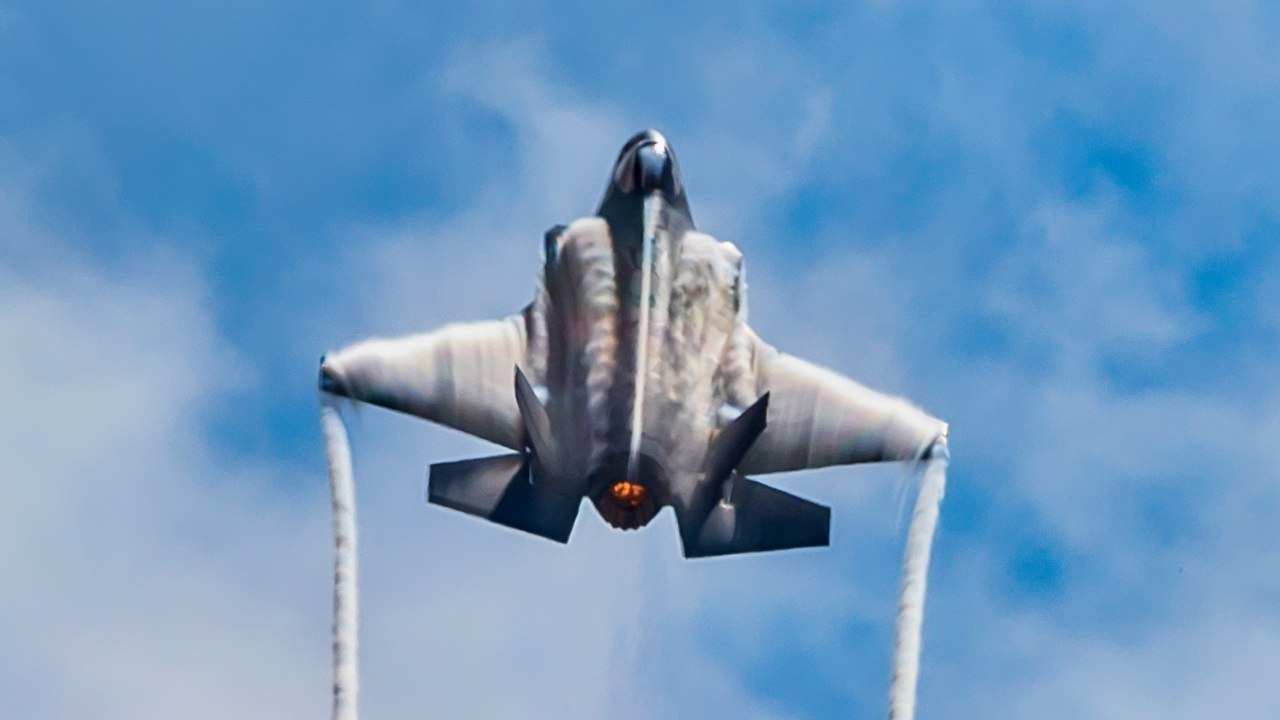
Canadian Prime Minister Mark Carney has ordered a review of his country’s deal to buy 88 Lockheed Martin F-35A fighter jets. Saab has responded by offering to build a sovereign data center in Montreal, promising that Canadian mission data and software would remain under Canadian control rather than routed through the F-35’s U.S.-hosted support architecture. The Swedish firm has also proposed a package of 72 Gripen E/F fighters and six GlobalEye early warning aircraft — and has held talks about manufacturing the Gripen in Canada.
Canada’s F-35 Crisis: Delays, Price Spike, and Gripen
Canada’s fighter jet dilemma has moved beyond policy debate—now, it’s an urgent race to save the Royal Canadian Air Force’s aging fleet as global tensions mount.
Leaked Report Unveils Urgency
That urgency is hardly new, but it is becoming more uncomfortable to ignore. One leaked 2023 paper commissioned by Canada’s Department of National Defense, revealed by The Globe and Mail, explained that Canada’s CF-18 fleet was crisis-ridden due to its dire aircraft availability and strain on pilots.
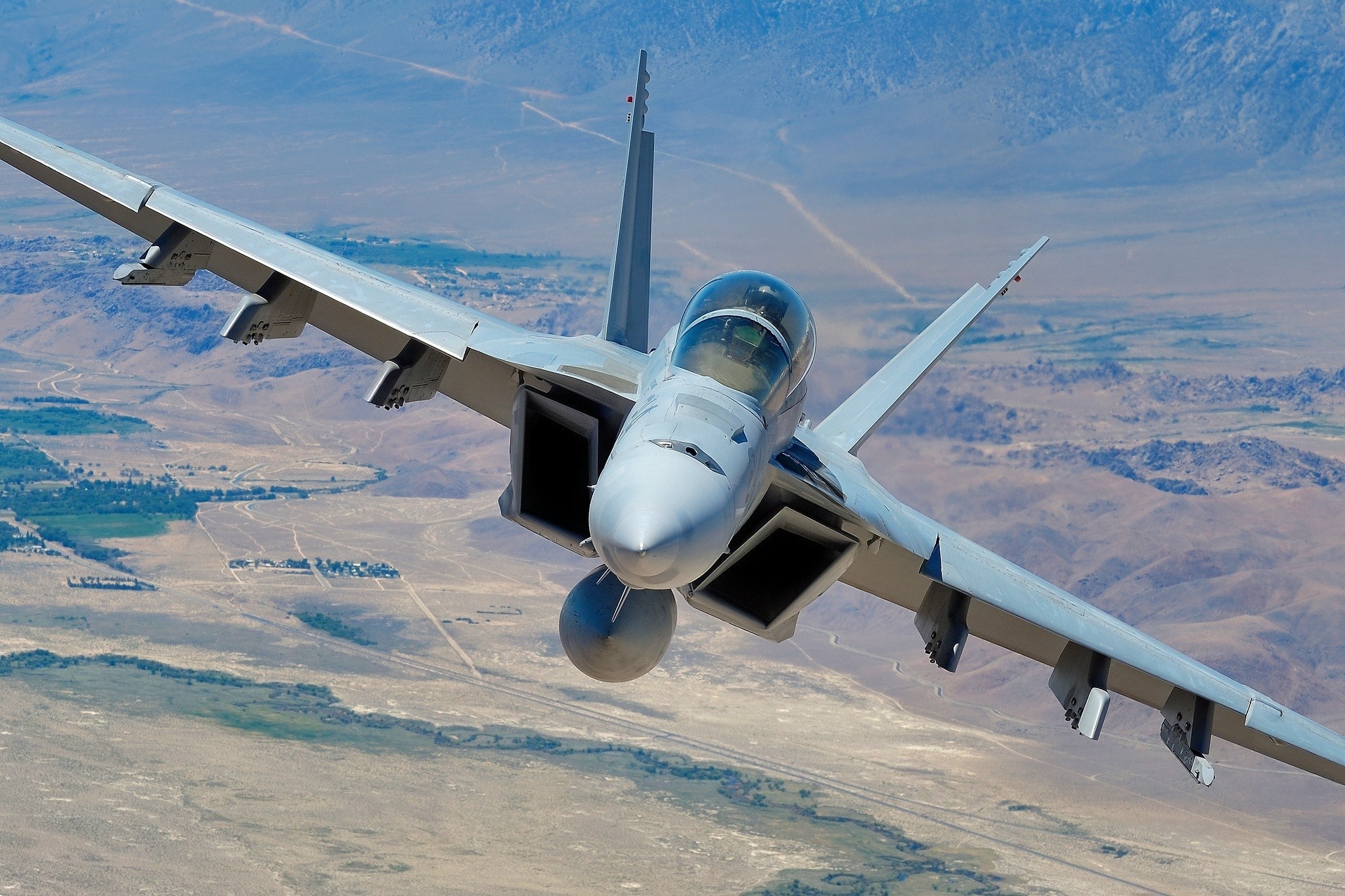
CF-18 Canada. Image Credit: Creative Commons.
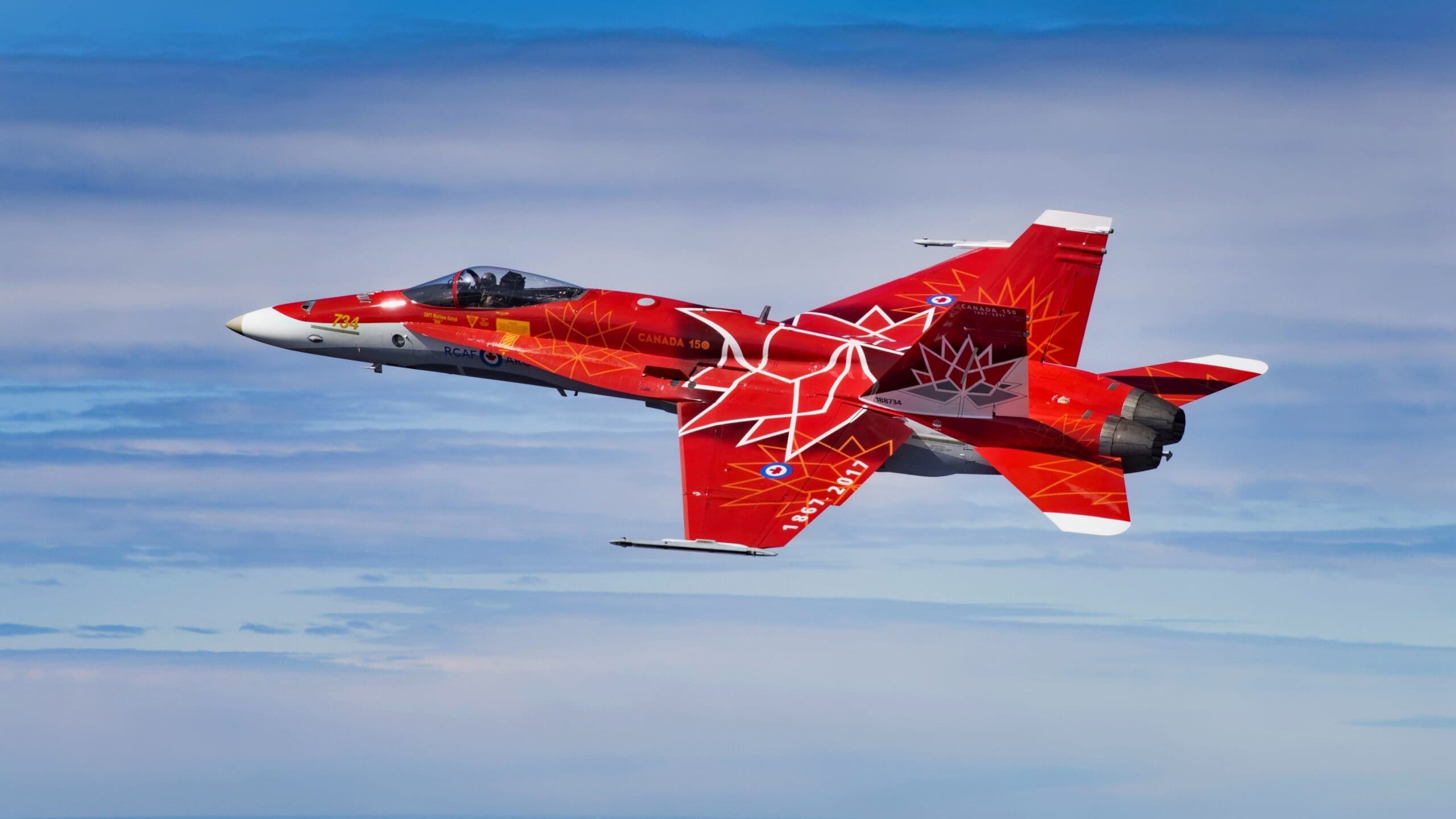
CF-18 Fighter from Canada. Image Credit: Creative Commons.
It also expressed major doubts about whether the fleet was still up to standard for higher-end NATO missions.
While Canada has attempted to buy time through the Hornet Extension Project, which it claims will keep the CF-18 in service until 2032, this does not settle any long-term questions for the decades ahead.
This context made Ottawa’s January 2023 announcement significant: the government publicized an agreement to acquire 88 Lockheed Martin F-35As. The initial plans stated that Canada’s first four aircraft were to be delivered in 2026.
Six would follow them in 2027 and a further six in 2028. The total fleet would then arrive in time to retire the CF-18 in the early 2030s, as estimated. Newer government planning documents still assume that the inaugural aircraft are due at Luke Air Force Base in Arizona by the end of this year.
Tensions With U.S.
Still, things have changed drastically since this pledge; both Canada and the U.S. have new leaders, for one thing. Last March, Prime Minister Mark Carney ordered a review of the F-35 deal. It came amid complaints that Ottawa was overly dependent on Washington for its military.
Canada is still legally tied to the purchase of the first 16 aircraft, although Carney says the rest remain up for debate.
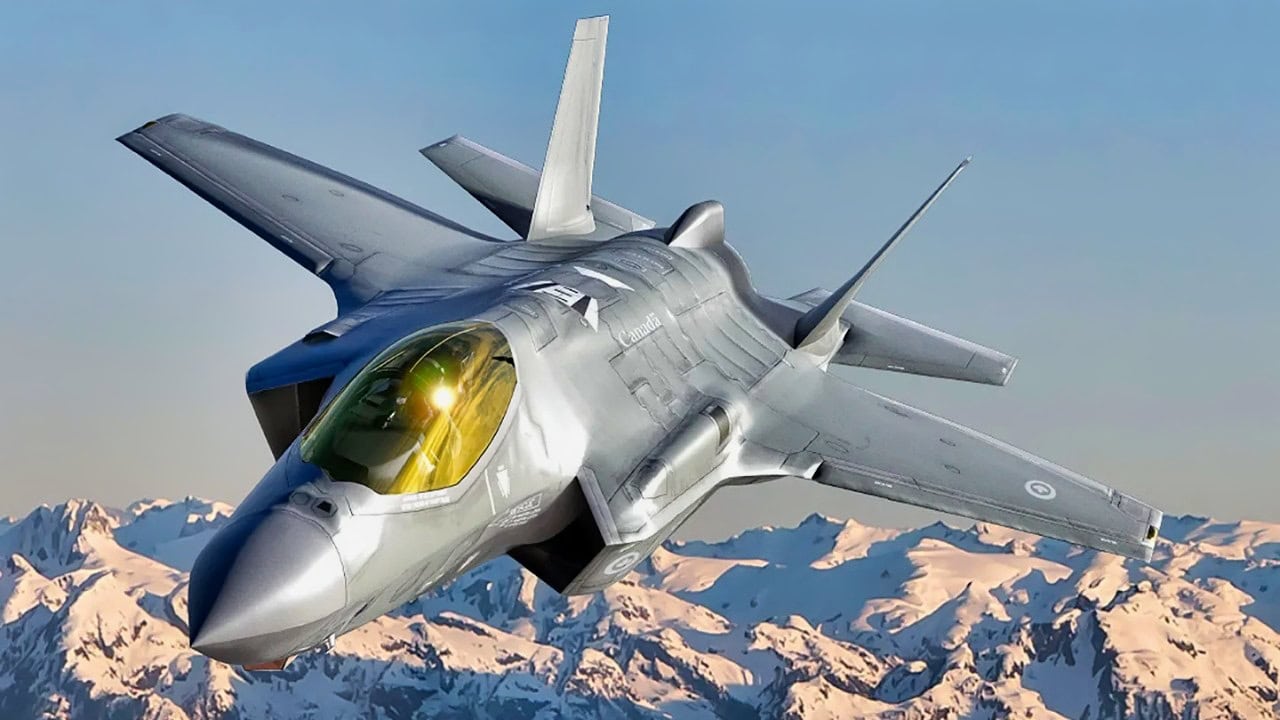
Canada F-35. Image Credit: Creative Commons.
Sticking with the F-35 seems like the obvious choice. It won Canada’s competition, and Ottawa’s own 2023 announcement conceded it’s the most advanced fighter available.
Its edge in survivability, sensor fusion, and interoperability with allied forces is crucial as Canada juggles Arctic defense, NORAD, and coalition warfare. Any new debate means costly, disruptive delays—after years of waiting.
Is The Gripen Really ‘All That’?
Yet the Gripen argument has gained traction because it is not really just about dog-fighting statistics. Saab has pitched Canada on sovereignty, industrial policy, and resilience.
CBC recently reported that Saab is offering a sovereign data center in Montreal as part of its Gripen bid, arguing that Canadian mission data, software, and sensitive information could remain under Canadian control rather than being hosted through the F-35’s U.S.-centered support architecture.
Earlier reporting also said Saab had proposed a package of 72 Gripen E/F fighters and six GlobalEye airborne early warning aircraft, while promising substantial domestic industrial benefits. Saab has also held talks about building Gripen in Canada.
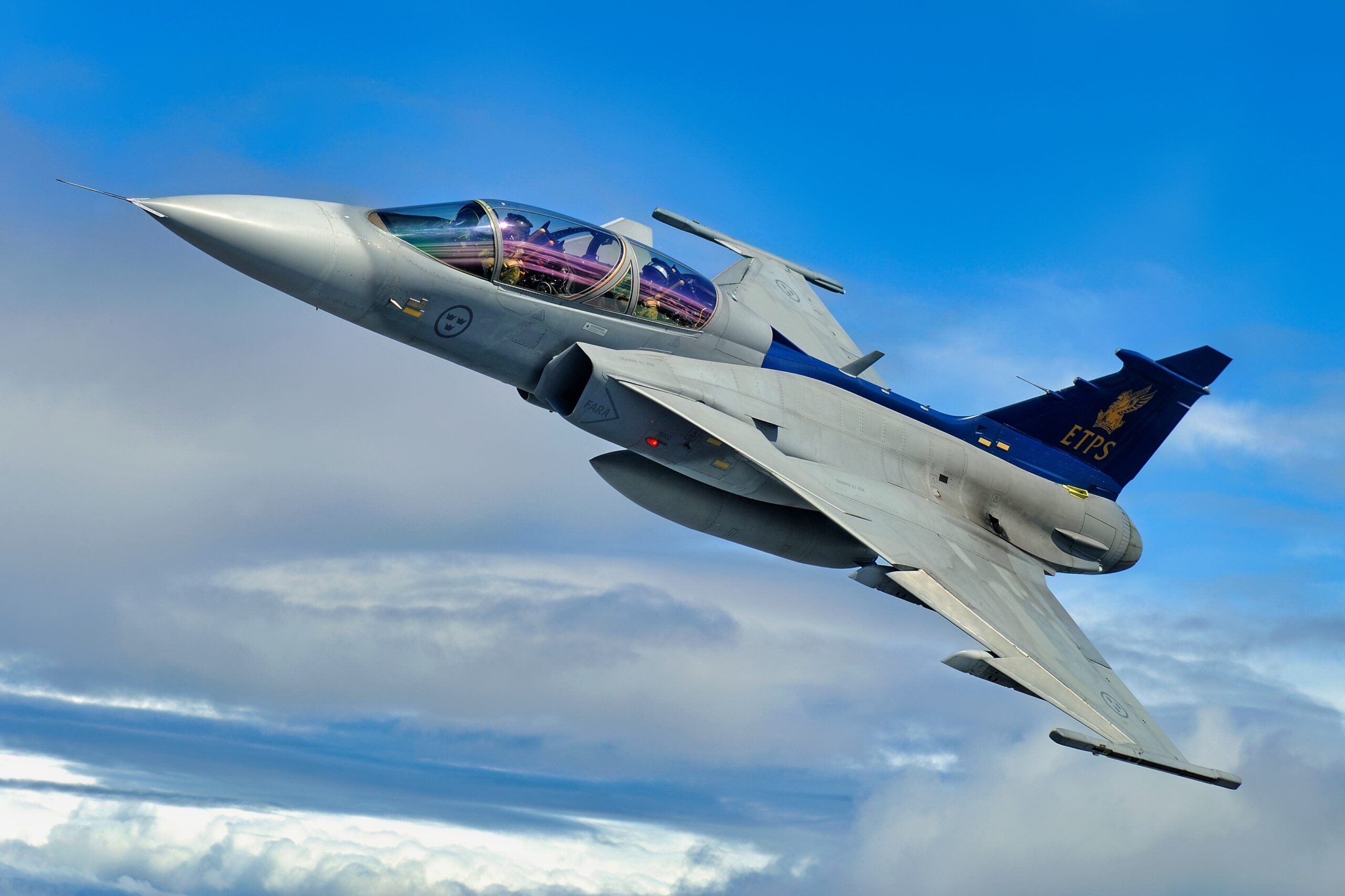
JAS 39 Gripen Fighter from Sweden. Image Credit: Creative Commons.
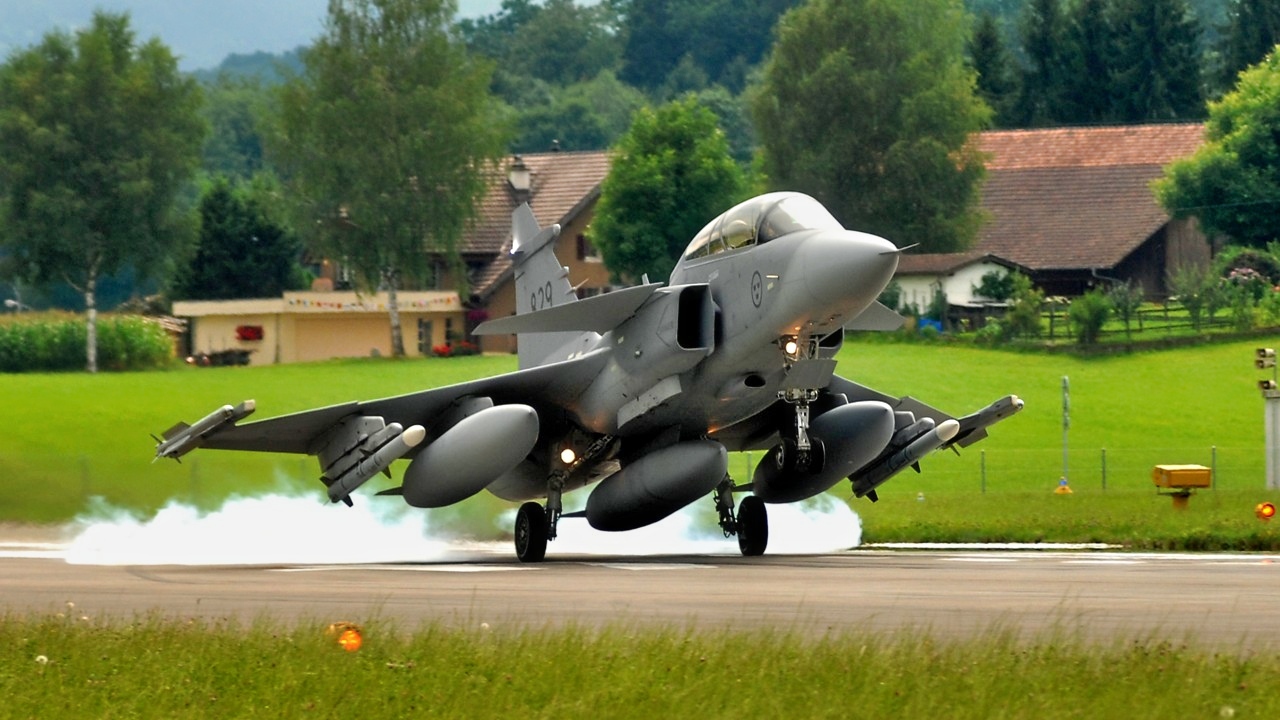
JAS 39 Gripen Fighter. Image Credit: Creative Commons.
Still, some of the Gripen mythology deserves caution. Admirers often stress its ability to operate from austere or dispersed locations, including highways, as though that alone settles the debate for a country as vast and cold as Canada.
But that capability is not unique in the way marketing sometimes likes to imply. NATO and Lockheed Martin have both highlighted F-35A highway operations in Finland in 2024. The Gripen may have been created by a Nordic firm, but that does not mean it is the only jet suited to rougher dispersed basing concepts.
A Decision Needs to Be Made, Fast
The broader concern emerging now is that Canada may no longer have the luxury of treating this as an open-ended argument.
The Auditor General’s findings, as reported by Reuters in 2025, said projected acquisition costs for the F-35 fleet had risen sharply above the original C$19 billion estimate, while also highlighting continuing risks around infrastructure and pilot safety.
That doesn’t automatically crown Gripen as the winner. What’s clear is that every year of hesitation deepens Canada’s dependence on dangerously overstretched, outdated jets.
The real issue is not just whether the Gripen outperforms the F-35, but whether Canada can reach a decisive, coherent choice before the CF-18’s various problems become unmanageable.
Ottawa may deliberate extensively over which jet fits national needs, but it cannot debate forever.
About the Author: Georgia Gilholy
Georgia Gilholy is a journalist based in the United Kingdom who has been published in Newsweek, The Times of Israel, and the Spectator. Gilholy writes about international politics, culture, and education. You can follow her on X: @llggeorgia.