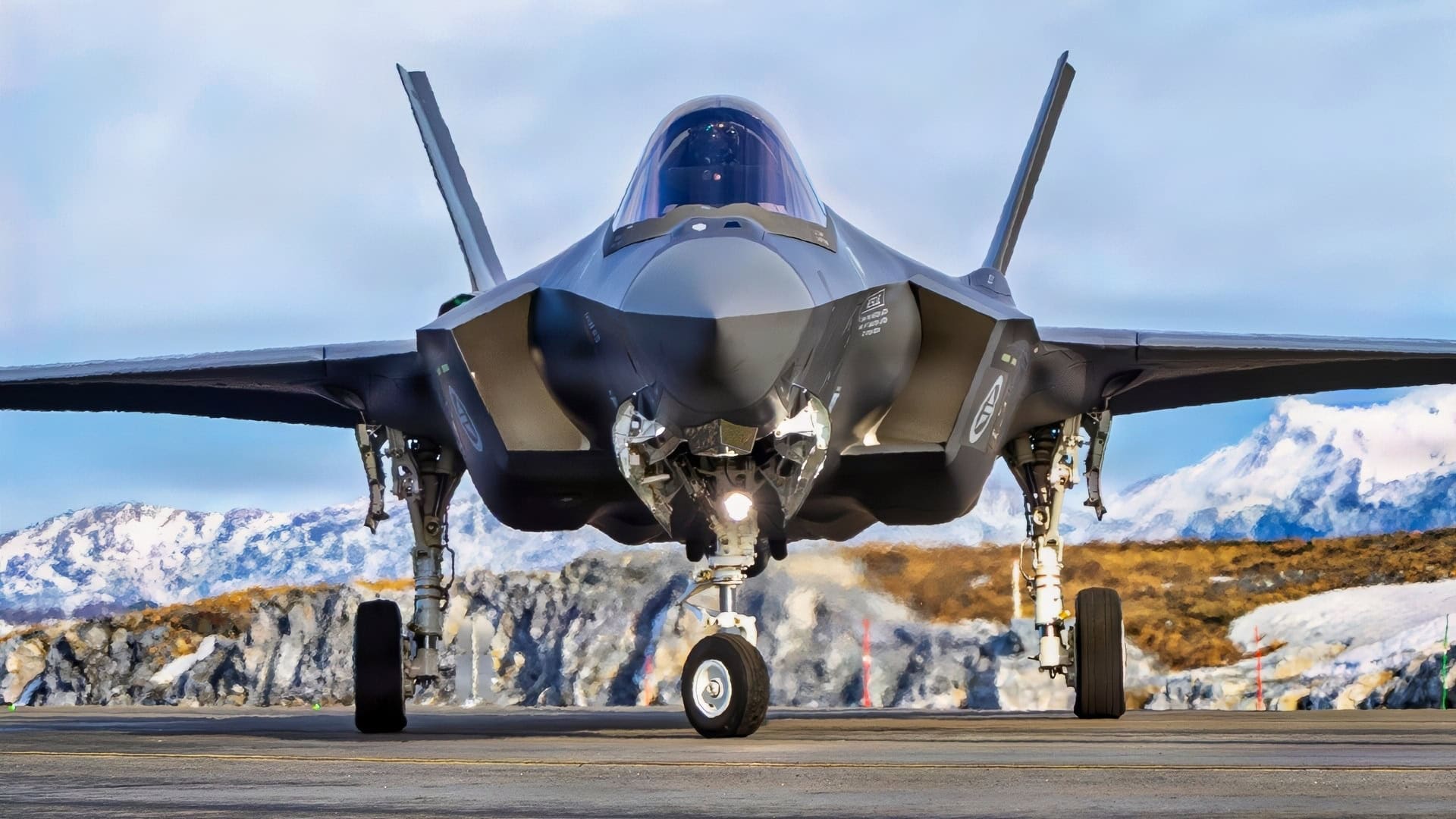
Canada May Cut Its F-35 Order From 88 to 40 and Buy 80 Saab JAS-39 Gripen E/F Fighters From Sweden
The back-and-forth, sometimes contentious (and sometimes not so) relationship between Canada and the US has had no small impact on the deliberations about Washington’s northern neighbor acquiring the F-35.
According to agreements reached before the PM Mark Carney government took power, Canada had been prepared to purchase 88 US-made stealth fighters.
However, more recent scenarios have been floated involving Canada acquiring a minimum number of the F-35 and then complementing that acquisition with a second fighter type.
One of the more frequently mentioned combinations would involve Ottawa signing for only 40 F-35s and then procuring 80 of the Swedish-made Saab JAS-39 Gripen E/F.
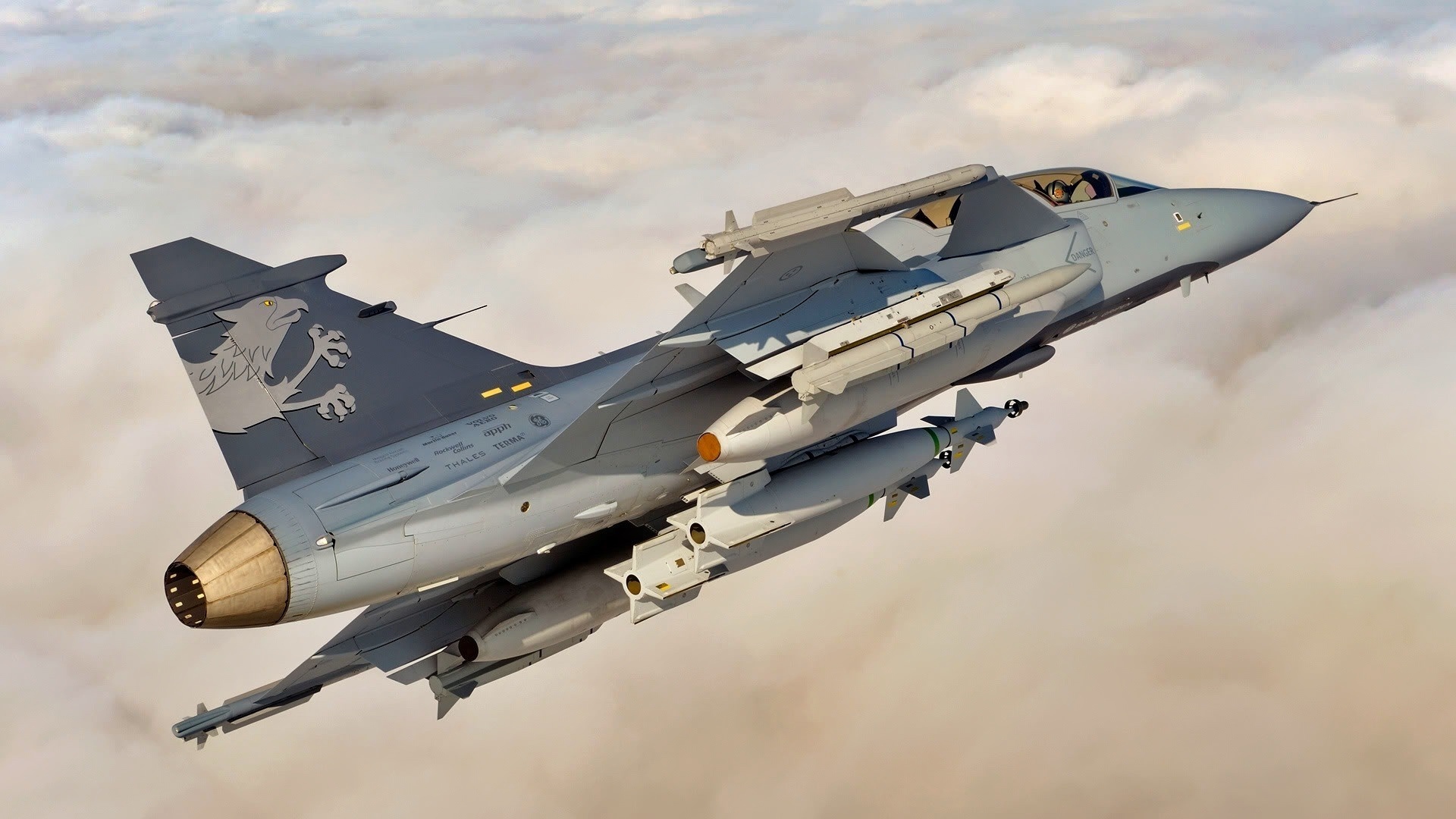
JAS 39. Image Credit: Creative Commons.
The rationale to date for the full buy of 88 F-35s has been Canada’s role in the joint North American Air Defense (NORAD) command it operates with the US Air Force (USAF).
Having both nations operate the same stealth fighter, it has been said, would create synergies within the two air forces, not to mention the advantages of interoperability.
F-35’s performance as a stealth aircraft has also been described as critical for countering the advanced, low-observable threats and high-end airpower that Russia and the People’s Republic of China (PRC) are projected to deploy into the Arctic region.
Stealth is Not Really Necessary
But a spear seems to have been stuck into that argument by the recent congressional testimony of none other than the air defense alliance’s commanding officer.
Speaking to a US Senate committee, USAF General Gregory Guillot said that the F-35’s advanced capabilities are not essential for the continental defense mission.
His testimony focused on NORAD’s primary role in interception and airspace security rather than offensive operations, making the F-35 almost “overkill” for this mission.
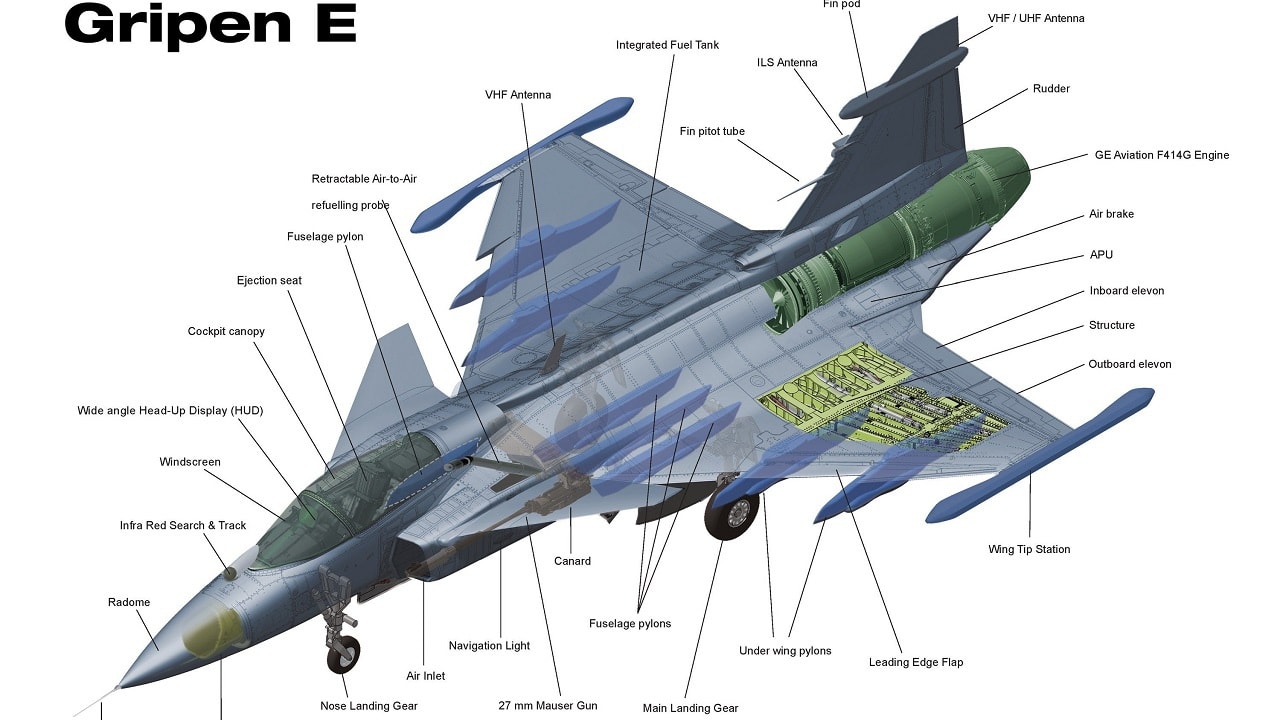
JAS 39 Gripen. Image Credit: Creative Commons.
“Frankly, we don’t need 5th [generation] to defend our borders,” Guillot said. “Those capabilities are better used overseas where their stealth, air-to-ground weapons, and penetration capability are needed.”
His statement has provided a significant counter to the previously made arguments that the Royal Canadian Air Force requires stealth fighters to meet its NORAD obligations. The bilateral air defense command has been operated jointly by the United States and Canada since 1957.
The original NORAD mission was to monitor and defend North American airspace against any Soviet heavy bombers crossing the North Pole to mount an attack on the continent.
4th-Generation Does Quite Nicely
Continuing his testimony, Guillot said that advanced 4th-generation aircraft could be more suitable for NORAD’s mission.
He singled out platforms like upgraded fighter jets, which would be better able to achieve rapid response times and interception, as more appropriately aligned with NORAD’s primarily defensive requirements.
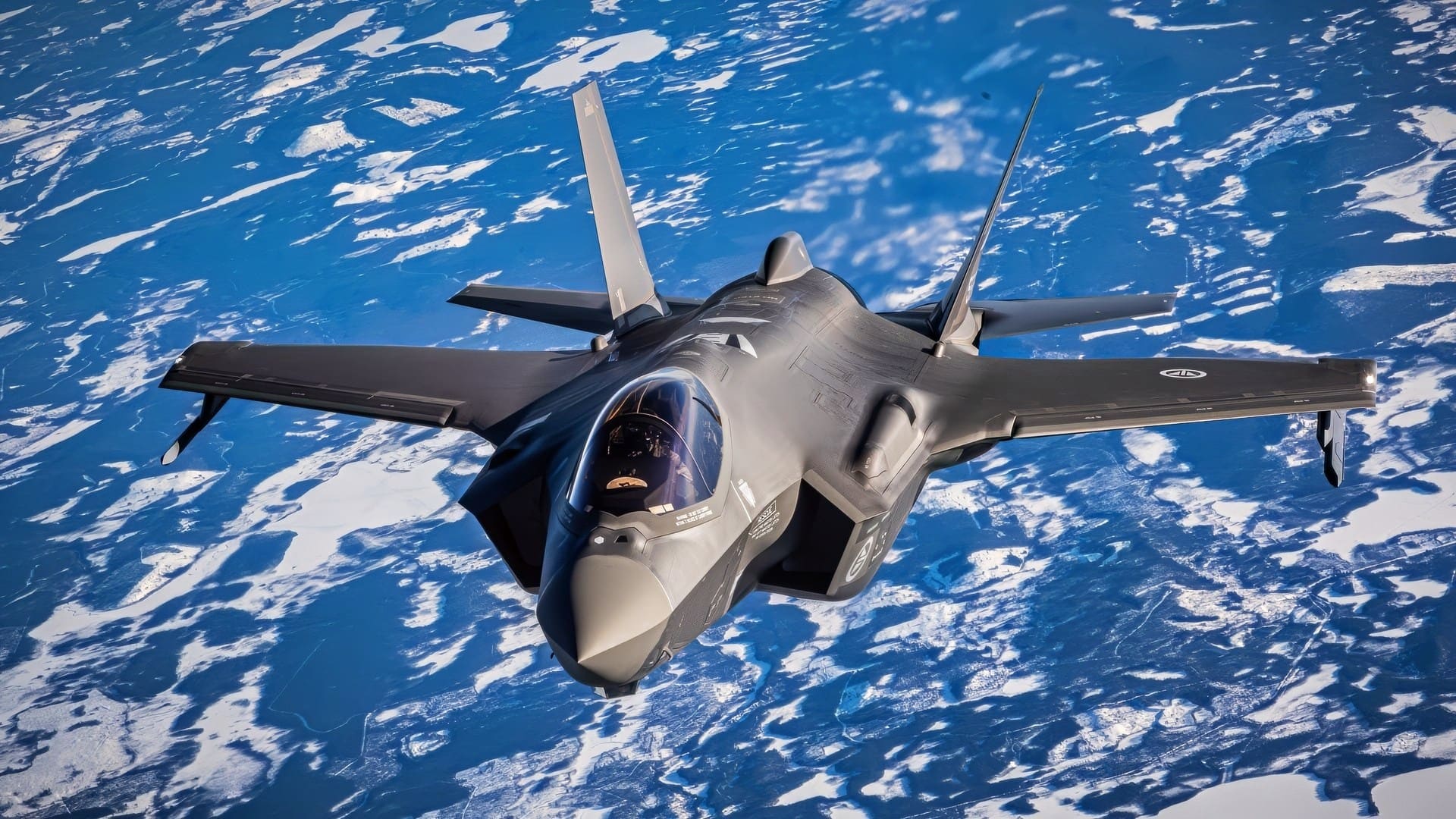
A Norwegian F-35 Lightning II closes the gap to receive fuel from a KC-135 Stratotanker assigned to the 101st Air Refueling Wing during Nordic Response 24, March 11, 2024. The MAINEiacs are staged at RAF Mildenhall, England, to take part in the Norwegian-led exercise taking place in Norway, Sweden and Finland. Exercises like NR24 solidify operational and tactical relationships; synchronizing tactics, techniques and procedures; and strengthen bonds among U.S., Norwegian and Allied and partner forces.
One of the other factors cited as impacting on F-35’s suitability for the NORAD mission is what is now being described as a “staggeringly low” availability rate. Some estimates suggest the already lackluster rate of 50 percent could fall to 35 percent in 2026.
F-35’s relatively short airframe service life is another factor.
F-35 airframes are good for only 8000 hours, compared to 20,000 hours for the new F-15EX fighter. This means the stealth aircraft has more demanding, continually increasing maintenance requirements and sustainment costs than other options.
Washington has predictably turned up the heat on the issue whenever and however possible.
In January 2026, the US Ambassador to Canada, Pete Hoekstra, told Canada’s CBC News that a consequence of Ottawa backing out of the F-35 deal means “NORAD would have to be altered.”
During an exclusive interview he gave the broadcaster at Luke Air Force Base in Arizona, he explained that Congress would likely need to purchase more advanced fighter aircraft for the USAF if Canada does not purchase the originally agreed 88 aircraft.

A U.S. Air Force F-35A Lightning II flies over the 56th Fighter Wing during Luke Days 2026, March 22, 2026, at Luke Air Force Base, Arizona. Luke Days 2026 highlights the precision and professionalism required to generate combat airpower and sustain the nation’s defense. Currently in operational service, the F-35A integrates stealth technology and advanced sensors to detect and defeat threats while maintaining air dominance. Opportunities for the public to see military aviation up close helps build appreciation for the readiness of the joint force. (U.S. Air Force photo by Senior Airman Belinda Guachun-Chichay)
The additional aircraft the USAF would procure would then need to fly more often into Canadian airspace to address threats approaching America.
This could be looked upon in Ottawa as Washington impinging on the nation’s sovereignty.
About the Author: Reuben F. Johnson
Reuben F. Johnson has thirty-six years of experience analyzing and reporting on foreign weapons systems, defense technologies, and international arms export policy. Johnson is the Director of Research at the Casimir Pulaski Foundation. He is also a survivor of the Russian invasion of Ukraine in February 2022. He worked for years in the American defense industry as a foreign technology analyst and later as a consultant for the U.S. Department of Defense, the Departments of the Navy and Air Force, and the governments of the United Kingdom and Australia. In 2022-2023, he won two consecutive awards for his defense reporting. He holds a bachelor’s degree from DePauw University and a master’s degree from Miami University in Ohio, specializing in Soviet and Russian studies. He lives in Warsaw.