
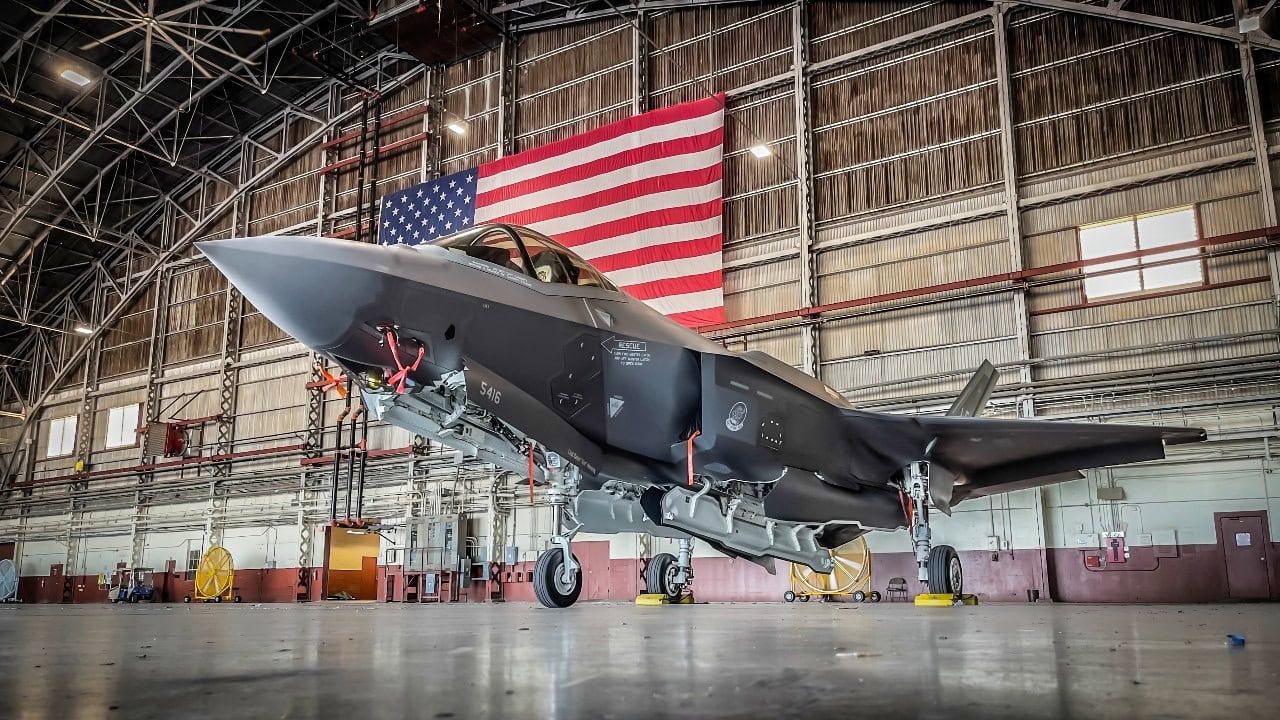
Key Points and Summary – Finland has rolled out its first F-35A Lightning II, marking the start of a $9.6 billion transition from legacy Hornets to a 66-strong fifth-generation fleet.
-Unveiled in Fort Worth, the jet will go first to Ebbing Air Force Base for pilot and maintainer training before arriving in Finland in 2026.
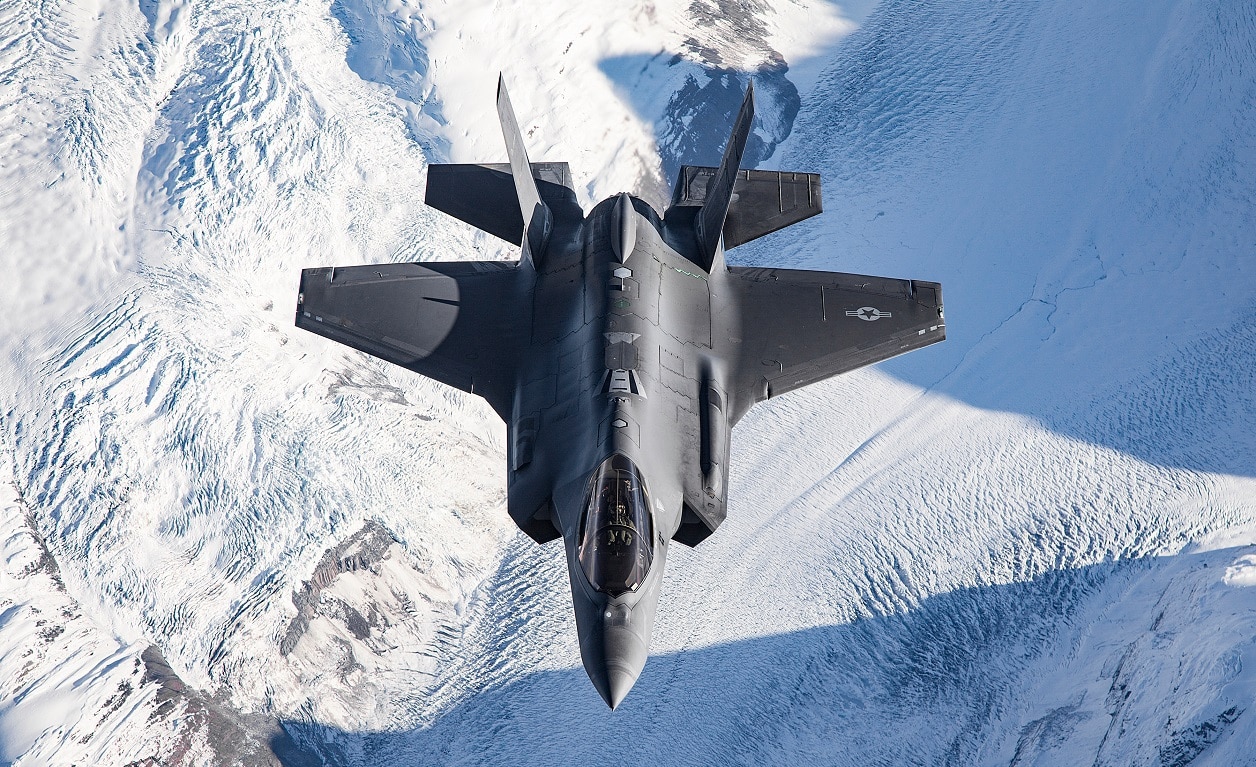
F-35A JSF. Image Credit: Lockheed Martin.
-Helsinki chose the F-35 for its stealth, sensor fusion, and ability to survive and fight along Finland’s 1,340-kilometer border with Russia, while plugging seamlessly into NATO’s growing F-35 network.
-With deep industrial participation and shared logistics, the program anchors Finland firmly inside allied airpower for the long term.
Finland’s First F-35 Just Rolled Out – and Russia Should Pay Attention
Finland marked a new milestone in its post-NATO defense structure last week with the rollout of its first F-35A Lightning II fighter jet. The rollout is the beginning of the country’s transition from legacy Hornet aircraft to a new fifth-generation air combat fleet designed to protect the country in the event of high-end conflict in Northern Europe.
The aircraft was formally unveiled on December 16 at Lockheed Martin’s F-35 production facility in Fort Worth, Texas, during a ceremony attended by senior Finnish and U.S. political and military officials.
And while the event didn’t technically constitute an operational delivery, it did signify the first tangible step in Finland’s most extensive defense procurement program in history and a clear signal that Helsinki is deepening its alignment and ties with NATO airpower.
Finland selected the F-35 in 2021 after a multi-year competition to replace its ageing fleet of Boeing F/A-18C/D Hornets, which entered service in the mid-1990s.
The $9.6 billion program calls for the acquisition of 64 aircraft in total – a number subsequently adjusted in planning documents to 66 airframes – making Finland the operator of the largest F-35 fleet in Northern Europe once deliveries are complete.
According to Finnish officials, the first aircraft is scheduled for formal delivery in 2026. It will initially travel to Ebbing Air Force Base in Arkansas, where Finnish pilots and maintenance teams will undergo conversion training before the first jets arrive in Finland later that same year.
Initial operational capability will follow shortly thereafter, with full operational capability phased in over time as deliveries accelerate and Finland’s training pipelines mature.
Why the F-35?
For Finland, the shift to F-35 is strategic – and technical. The F-35 is the most advanced fifth-generation fighter jet in the world.
Despite concerns echoing across Europe about data sovereignty and reliance on the United States, the platform’s capabilities made it an obvious choice for Helsinki.
The aircraft’s low-observable design, sensor fusion, and networked warfare capabilities are all designed to enhance survivability and situational awareness along Finland’s 1,340-kilometer border with Russia – the exact problem that prompted the country to join NATO to begin with.
The F-35 is unmatched by any other aircraft available for purchase, and being an immediate neighbor to Russia with such a long, direct border, Lockheed’s fighter jet platform simply makes sense.
Speaking at the rollout ceremony, Finnish Defense Minister Antti Häkkänen described the procurement as a benefit for the world, not just Finland.
“Finland is a NATO member and committed to act as a dependable defence provider in the northern flank,” Häkkänen said. “Finland is investing heavily in national industrial capabilities through industrial participation. We believe that our investment and highly capable defence industry can benefit the F-35 program not just locally but also at a more global level.”
Finnish Air Force Commander Major General Timo Herranen also described the F-35’s capabilities as necessary.
“In the Finnish operational environment, survivability, lethality and cooperation are imperative,” Herranen said. “The F-35 will deliver unmatched capability in all those areas, and it will bring a whole new level of capability for our defence. We are looking forward to the start of F-35 operations next year.”
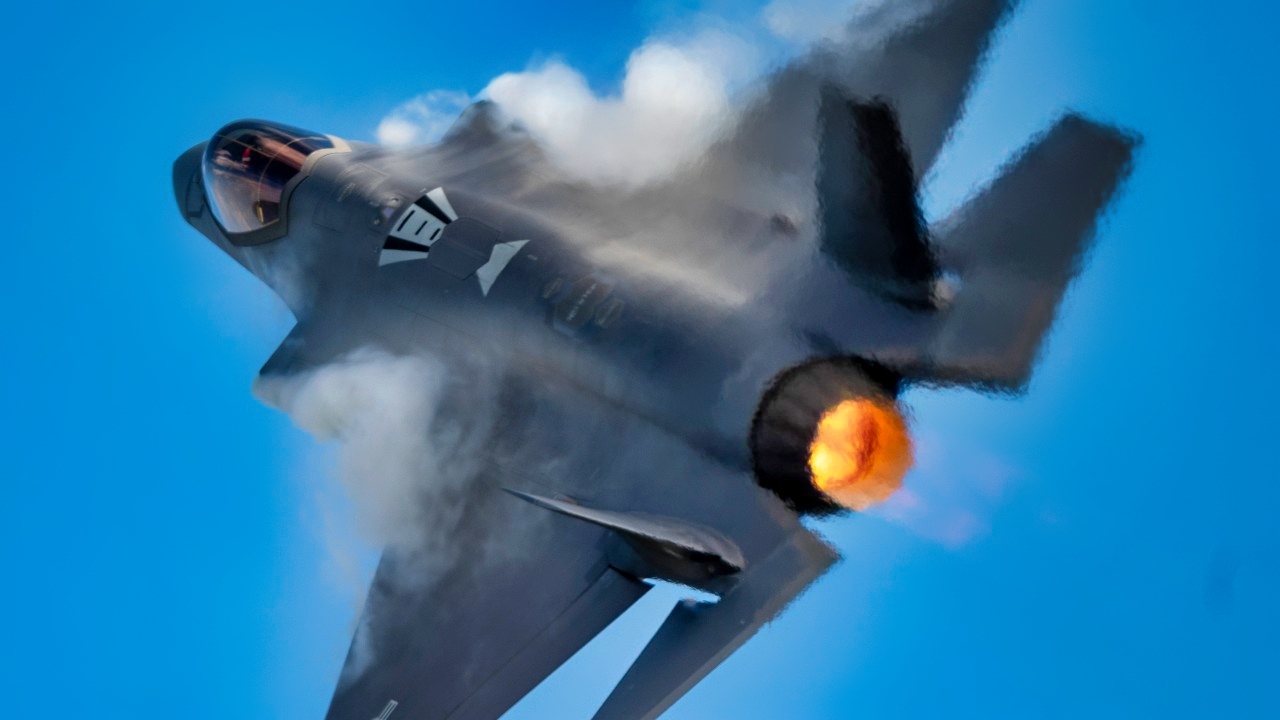
U.S. Air Force Maj. Melanie “Mach” Kluesner, the pilot for the F-35A Demonstration Team, performs aerial maneuvers in a USAF F-35A Lightning II during the practice day before the airshow at Jacksonville Naval Air Station, Florida, on 18 October, 2024. The practice day ensures that the team is able to safely and properly display the power, agility, and lethality of America’s 5th generation fighter jet. (U.S. Air Force photo by Senior Airman Nicholas Rupiper)
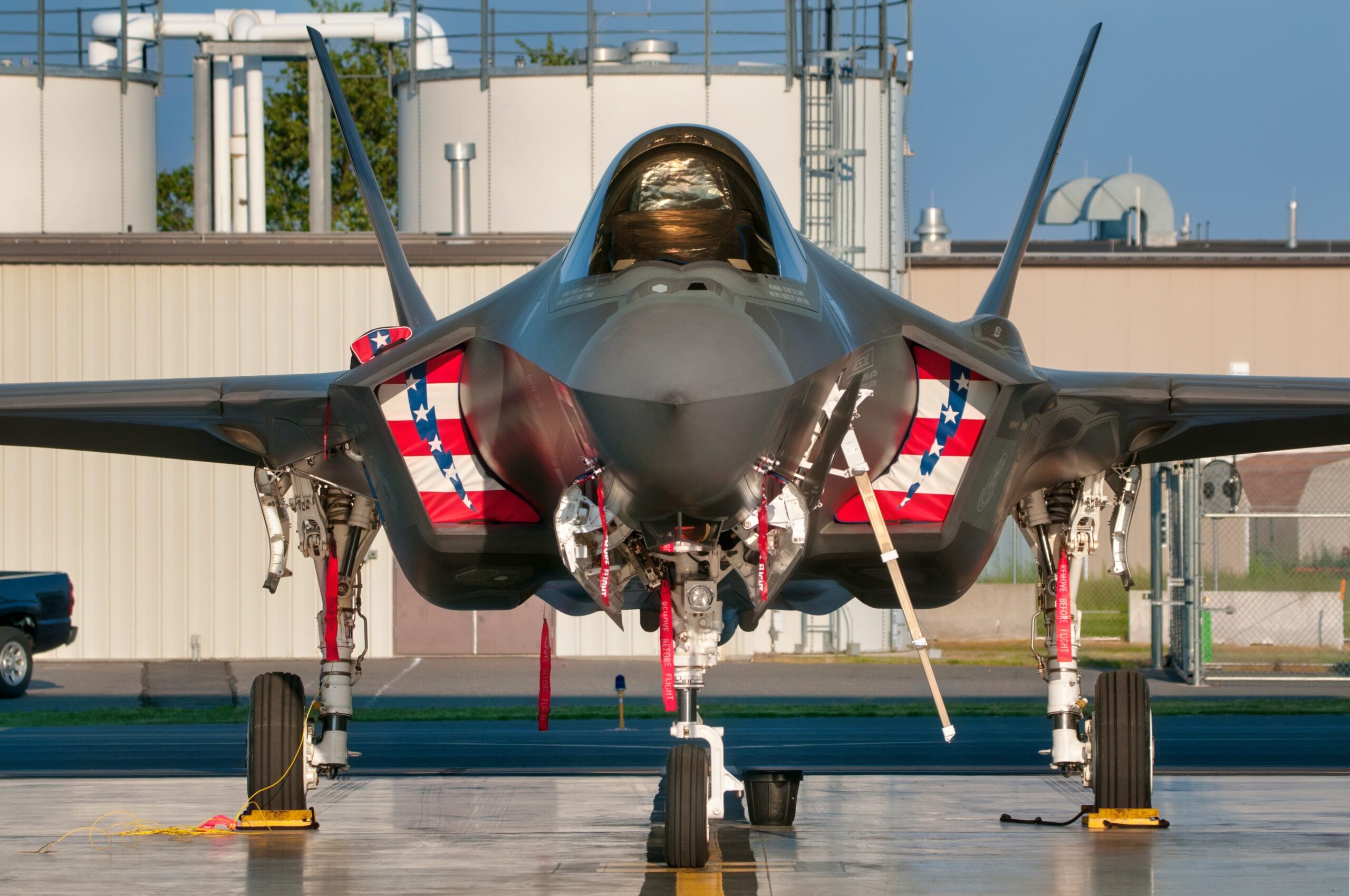
A U.S. Air Force F-35 Lightning II fighter jet from the 56th Fighter Wing, Luke Air Force Base, Arizona, displays it’s crew-designed red, white and blue inlet covers while parked in a military aircraft shelter at the Atlantic City International Airport in Egg Harbor Township, N.J. on May 26, 2016. Pilots and crew from the USAF F-35 Heritage Flight Team made a stop at the 177th Fighter Wing of the New Jersey Air National Guard on the way to their performance at the Jones Beach Airshow in Wantagh, New York on May 28 and 29. (U.S. Air National Guard photo by Master Sgt. Andrew J. Moseley/Released)
The F-35’s value to Helsinki is also closely tied to alliance integration. The aircraft is now operated or on order by 20 allied nations, including 13 in Europe, and is already in service with 16 air forces worldwide. Finnish planners see the platform’s shared logistics, mission-data architecture, and interoperability as a force multiplier – meaning that seamless cooperation with neighboring air forces will make the Finnish air force more capable and better prepared for real-world operations.
That interoperability is particularly relevant in Northern Europe, where F-35 operators now include Norway, Denmark, the Netherlands, Poland, and Finland – creating a dense cluster of American fifth-generation capability that stretches across the continent.
NATO officials are now increasingly viewing the F-35 as a sensor node – not just a strike platform – that can collect and distribute targeting data across air, land, oceans, and space.
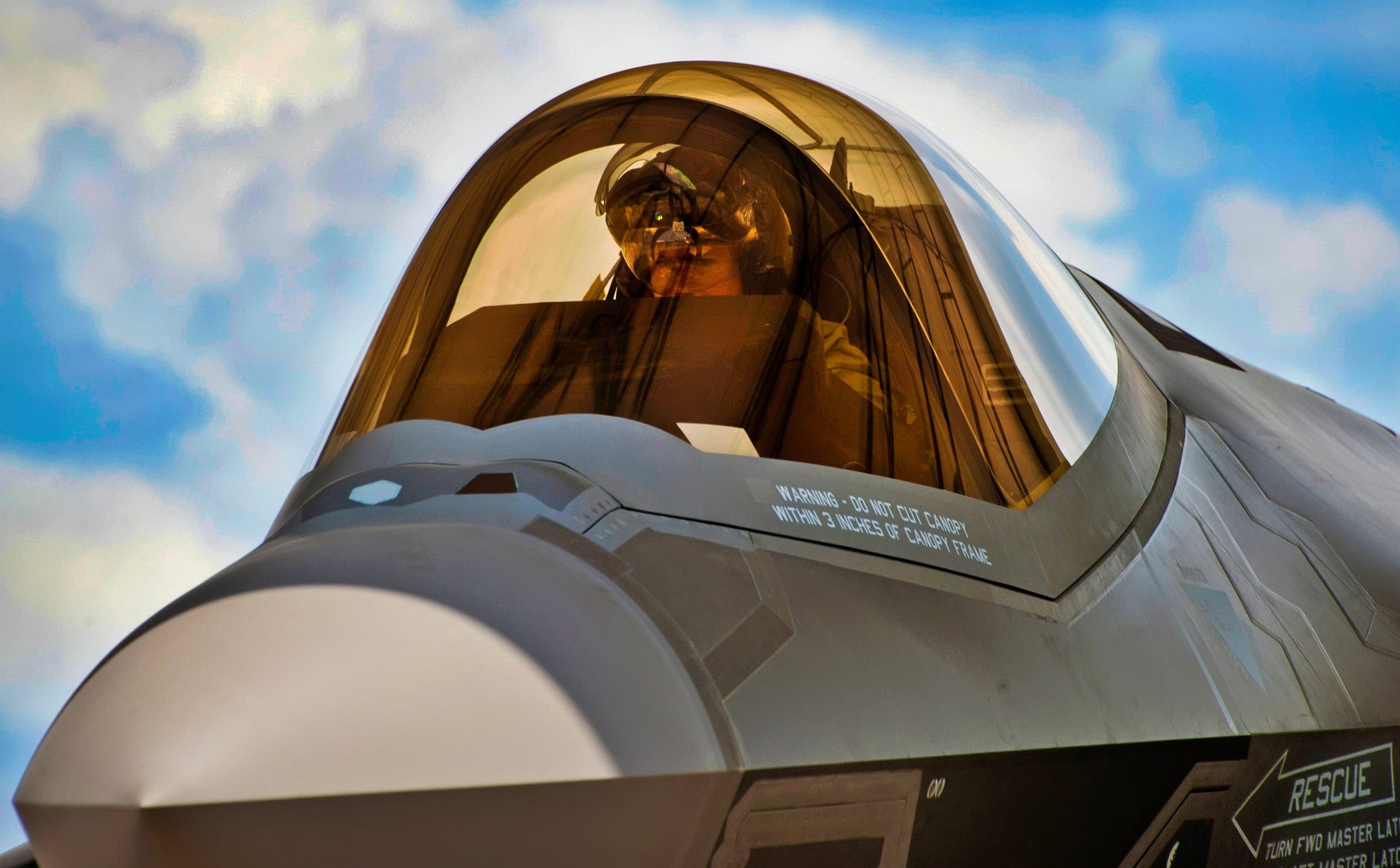
Marine Maj. Joseph Bachmann, of the 33rd Operations Group, executes aircraft shutdown procedures of the second F-35 Lightning II joint strike fighter to arrive at Eglin Air Force Base, Fla., July 20. Bachmann is the first Marine pilot to be JSF certified. Aircraft AF-8 is the flagship for the 58th Fighter Squadron. (U.S. Air Force photo/Samuel King Jr.)
The decision was also fueled by industrial considerations. More than 30 Finnish companies and academic institutions are involved in the F-35 program through industrial participation agreements. Among them is Patria, Finland’s state-owned defence company, which will support long-term sustainment and assembly work. The Finnish industry is now also part of a global network that consists of more than 1,900 F-35 suppliers.
The rollout in Fort Worth is just the symbolic start of an ambitious new program, and the real test comes in 2026 when Finland’s first jets, trained crews, and sustainment network begin the work of maintaining readiness on NATO’s longest border with Russia.
About the Author:
Jack Buckby is a British author, counter-extremism researcher, and journalist based in New York who writes frequently for National Security Journal and 19FortyFive. Reporting on the U.K., Europe, and the U.S., he analyzes and understands left-wing and right-wing radicalization and reports on Western governments’ approaches to the pressing issues of today. His books and research papers explore these themes and propose pragmatic solutions to our increasingly polarized society. His latest book is The Truth Teller: RFK Jr. and the Case for a Post-Partisan Presidency.