
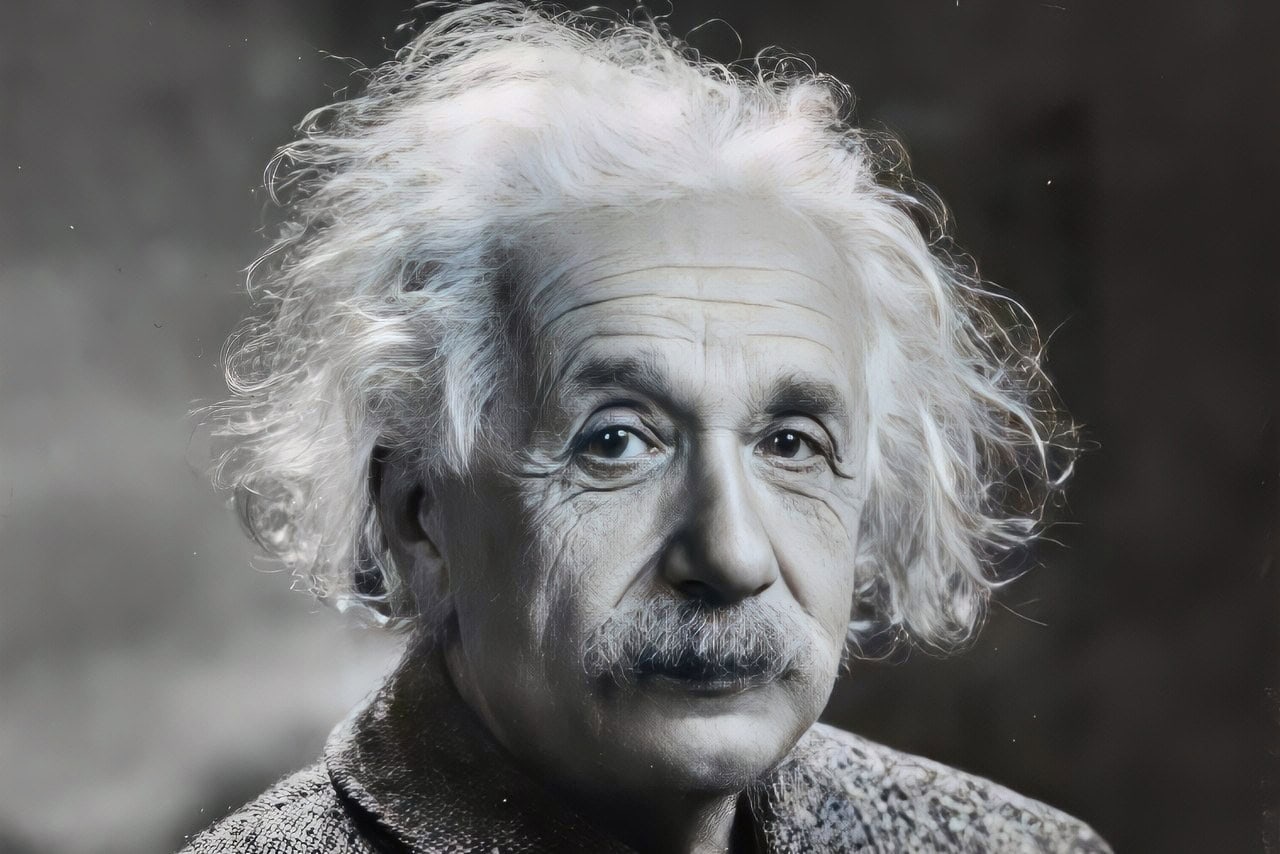
“You cannot simultaneously prevent and prepare for war. The very prevention of war requires more faith, courage, and resolution than preparing for war does. We must all do our share, that we may be equal to the task of peace.” –Albert Einstein
Albert Einstein: Anti-war Despite the Militarism Around the Globe
This is the famous genius physicist quoted in Einstein On Peace, edited by Otto Nathan & Heinz Norden. Einstein does not get enough credit as a pacifist and humanitarian.
He was greatly frightened by war and the use of a nuclear weapon. After two atomic bombs were dropped on Japan in 1945, Einstein became a proponent of disarmament and non-proliferation.
Prepping for War Means War Is More Likely
He thought that preparing for war could lead to actual fighting and the promotion of violence. This was different from people who advocated real-life training that simulated wartime conditions to increase the likelihood of success on the battlefield.
Be Fearful of Militarism
Einstein was fearful of militarism and a warrior mindset that could easily lead to war when the conditions were met. The rehearsal of warfare, he thought, could bring about an environment in which peace could not be achieved.
The Father of Peaceful Activism Against the Atomic Bomb
While more hawkish members of political leadership would think Einstein naive and unversed in military history, his quote struck a chord with peace activists. Militarism could rise from wartime preparation. Einstein wanted to eliminate this possibility.
Almost a Religious Experience
The words “faith, courage, and resolution” say so much about Einstein’s philosophy. It could be seen as a religion for peace. Quakers would have agreed. Einstein looked toward a world free of conflict, in which nuclear weapons would no longer be necessary.
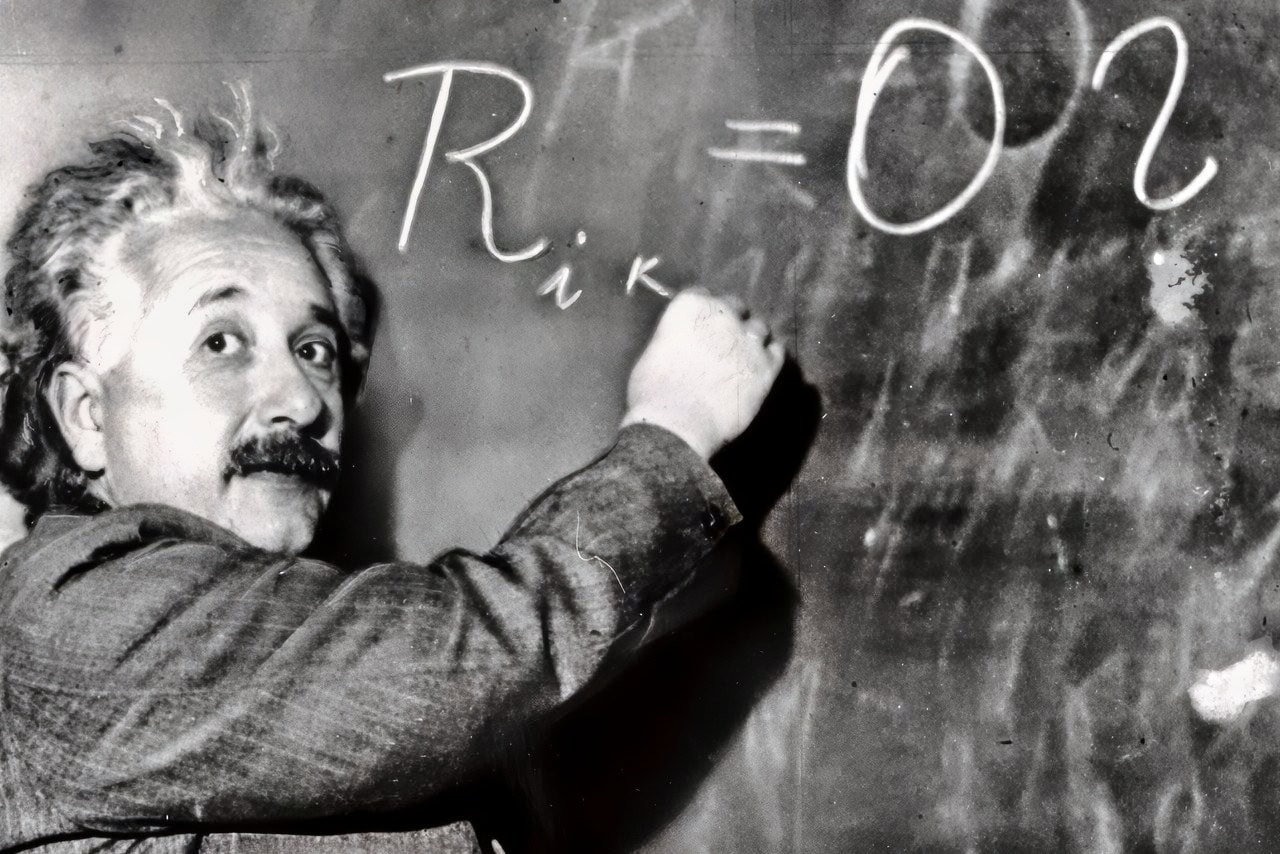
Albert Einstein and Atomic Bomb. Image Credit: Creative Commons.
He Was Not a Realist
If countries could prepare for war, they could also prepare for peace. This is the opposite of what international relations theorists posit about “realism.” Foreign policy realists believe that warfare is a natural state of affairs in the global system. There is no way to stop it. The world is always dangerous, and countries must be ready to fight at all times.
Einstein as a Liberal Internationalist
Einstein would be known as a liberal internationalist to foreign policy theorists. That means peace could be attained through cooperation with international organizations such as the United Nations. Einstein could foresee a world in which war would not be possible with these types of multilateral institutions, where the use of a nuclear weapon would never be tolerated.
Was He Responsible for the Atomic Bomb?
Ironically, Einstein had a hand in developing the atomic bomb. He helped initiate the Manhattan Project. In 1939, he co-wrote a letter to President Franklin D. Roosevelt explaining that Germany was pursuing a nuclear device. He recommended to Roosevelt that the United States should not be left behind in its own quest for nuclear energy and an atomic bomb.
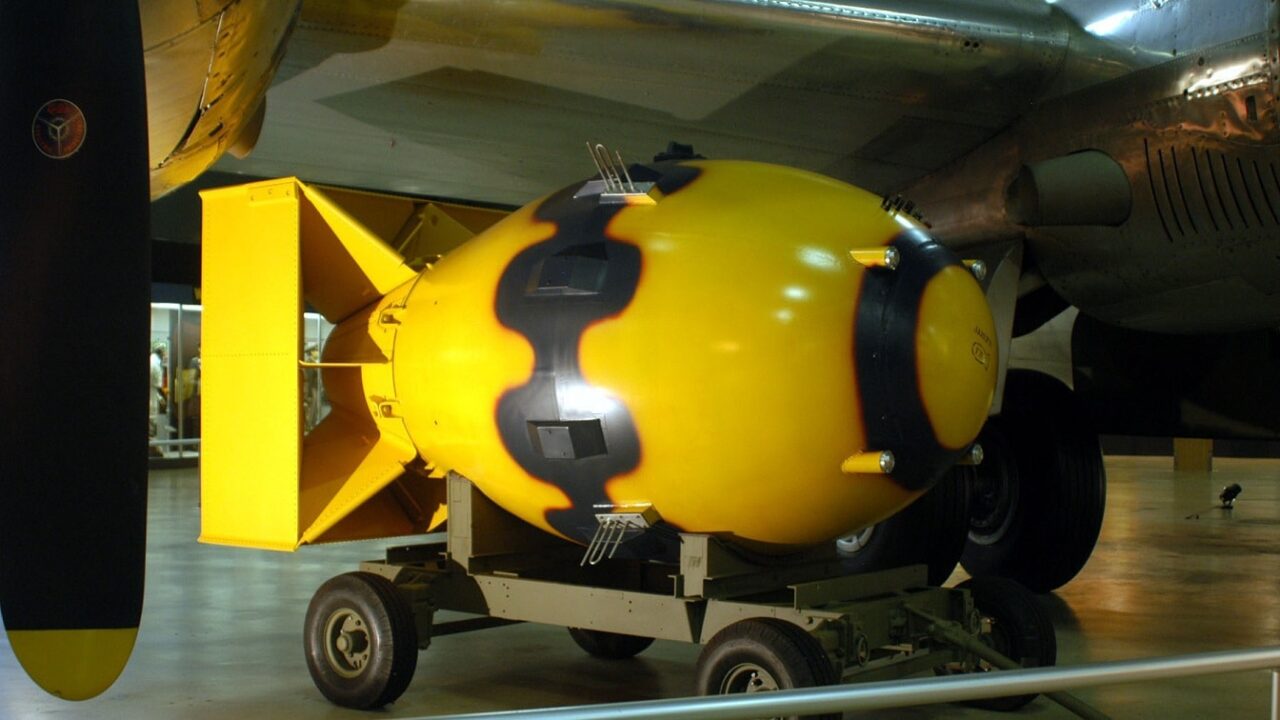
DAYTON, Ohio — “Fat Man” atomic bomb at the National Museum of the United States Air Force. (U.S. Air Force photo)
He Did Not Participate in the Manhattan Project
However, Einstein played no part in the Manhattan Project. Because he was seen as too pacifistic, he was not granted a security clearance in 1940. “He later regretted signing the letter to Roosevelt, saying in a Newsweek interview that ‘had I known that the Germans would not succeed in developing an atomic bomb, I would have done nothing,’” according to the Atomic Heritage Foundation.
Einstein and Peace Activism
Einstein was awarded the Nobel Prize in Physics in 1921. He came to the United States from Germany in 1933. He conducted his research at the Institute for Advanced Study at Princeton University and became an American citizen in 1940.
In His Letter to Roosevelt, Einstein Predicted the Future
“Some recent work by E. Fermi and L. Szilard, which has been communicated to me in manuscript, leads me to expect that the element uranium may be turned into a new and important source of energy in the immediate future. This new phenomenon would also lead to the construction of extremely powerful bombs. A single bomb of this type, carried by boat and exploded in a port, might very well destroy the whole port, together with some of the surrounding territory,” Einstein explained.
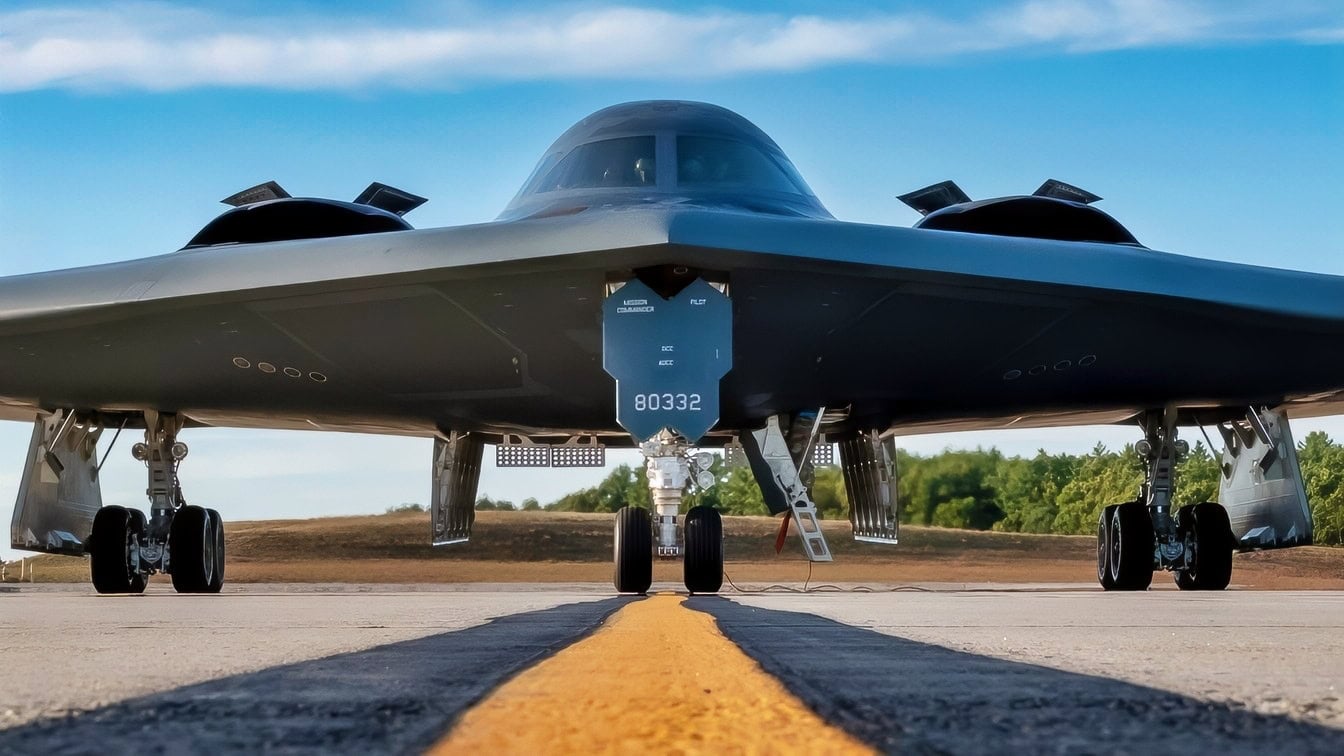
A U.S Air Force B-2 Spirit aircraft is shown on the flight line at Pease Air National Guard Base, New Hampshire, Sept. 20, 2025. The aircraft is the first operated by the 509th Bomb Wing to land at Pease ANGB, formerly Pease Air Force Base, since the 509 BW, formerly 509th Bombardment Wing, was stationed at Pease AFB and the active-duty base closed nearly 35 years ago. The lineage of the 509th BW traces back to the World War II Era when the 509th Composite Group dropped the atomic bombs on Japan. (U.S. Air Force photo by Staff Sgt. Joshua Hastings)
Global Dominance With Nuclear Weapons
Einstein saw immediately that an atomic bomb could be decisive in warfare and rightly foresaw a dangerous arms race between countries seeking to dominate the globe with unending power.
Einstein’s famous formula “E equals mc²” was the harbinger of physicists who saw that a nuclear reaction was possible.
Killing Two-Thirds of People on Earth
“I do not believe that civilization will be wiped out in a war fought with the atomic bomb. Perhaps two-thirds of the people of the earth might be killed, but enough men capable of thinking, and enough books, would be left to start again, and civilization could be restored,” Einstein said in an interview.
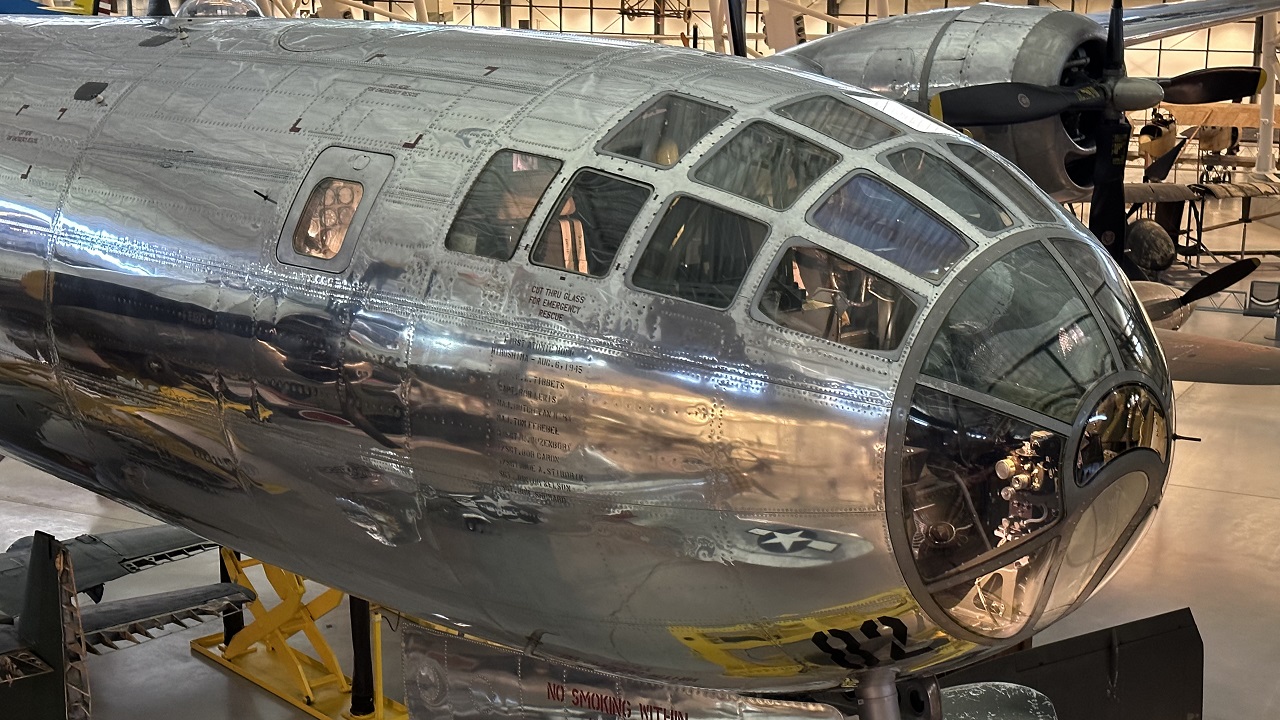
Enola Gay B-29. Image was taken on October 1, 2022. Image Credit: 19FortyFive.com
The New Arms Race to Massive Annihilation
Einstein foresaw how an arms race between the United States and the Soviet Union would create a Cold War and the necessity for all involved to try to win it with nuclear arms. Einstein thus wanted a perpetual path to peace and believed that a nuclear device could send the world into a doomsday loop that could kill most of the world’s citizens.
His Views May Have Inspired the Bomb and Peace
While Einstein had no direct role in creating a nuclear weapon. He was influential in its invention. He regretted writing his letter to Roosevelt and wished he had remained silent. But as the leader in physics, he needed to make his thoughts known to political leadership.
However, Einstein was instrumental in the peace movement and inspired many to imagine a world without nuclear weapons. He predicted the nuclear arms race and how countries would strive for the atomic bomb to rule the world.
Einstein inspired multiple generations of “doves” who wished to rid the world of weapons of mass destruction. He should be seen as a foreseer of world events and an inspiration for peace, without the accompanying level of militarism he deemed to be such a danger.
His knowledge may have created the stepping stones to an atomic bomb, but his beliefs about pacifism made history look upon him as greatly influential during the resulting arms race and Cold War.
About the Author: Brent M. Eastwood, PhD
Author of now over 3,500 articles on defense issues, Brent M. Eastwood, PhD, is the author of Don’t Turn Your Back On the World: A Conservative Foreign Policy and Humans, Machines, and Data: Future Trends in Warfare, plus two other books. Brent was the founder and CEO of a tech firm that predicted world events using artificial intelligence. He served as a legislative fellow for US Senator Tim Scott and advised the senator on defense and foreign policy issues. He has taught at American University, George Washington University, and George Mason University. Brent is a former US Army Infantry officer. He can be followed on X @BMEastwood.