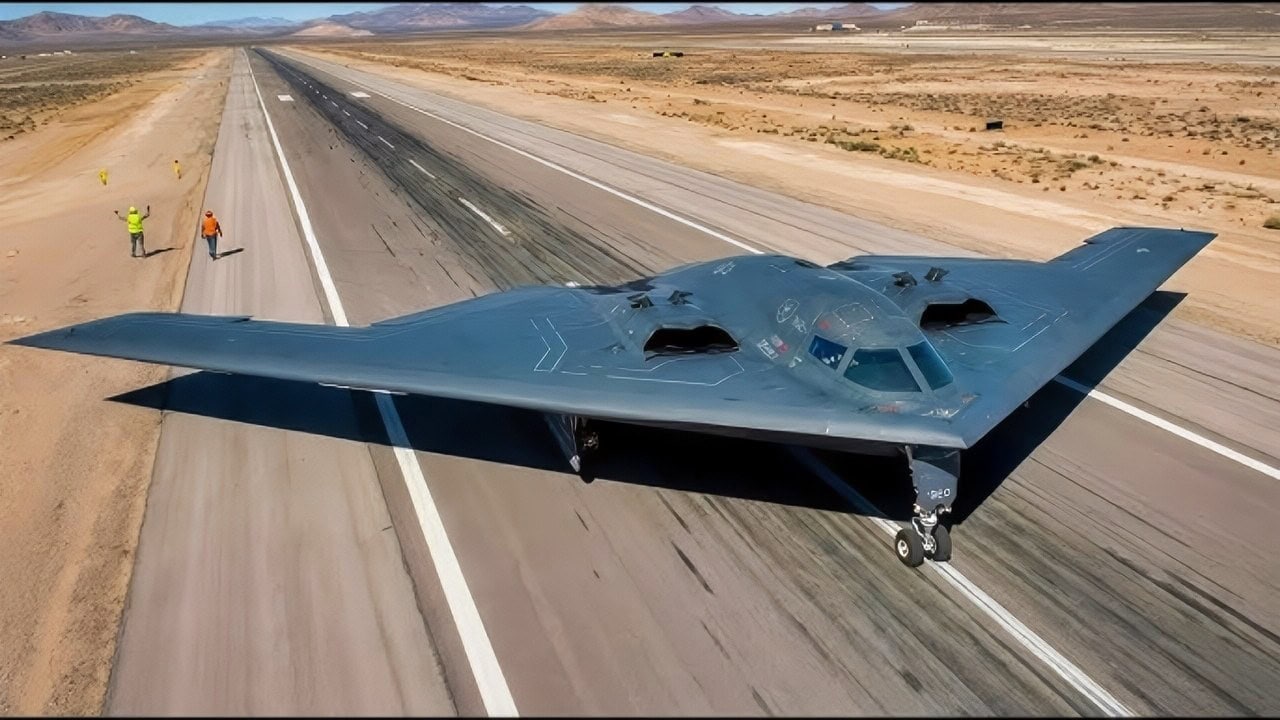
America finds itself in an odd position. It spends more on its national defense than the next 10 countries combined, yet it has struggled to deploy reliable systems and field the forces required to win modern wars. Since taking office last year, President Donald Trump has presided over the largest increase in defense spending in U.S. history.
With the Iran War now looking as if it might restart, the forty-seventh president is asking for a budget increase that pushes the defense budget to a record-breaking $1.5 trillion.
Normally, an institution gets more money only after it has proven it can properly use the resources it has already been given.
The Pentagon’s Track Record Since Desert Storm
But that’s not the Pentagon way.
They’ve demonstrated a shocking inability to provide any reliable service to US taxpayers (outside the Defense Department, which has become a big jobs machine for folks in Northern Virginia). Consider this: the United States hasn’t won a war since at least Desert Storm in 1991.
Yet, we are spending more on the US military today than we did back then.
What have we gotten in return for that increase in money?
The US military lost Afghanistan to the Taliban.
It couldn’t stop the Houthis.
The Americans today have degraded the Islamic Republic of Iran, but there remains no conclusive end in sight.
The longer that conflict drags on, the more it drains critical stockpiles of US munitions–systems that the United States will need in any near-future fight with either China and/or North Korea.
More Money Won’t Fix the Munitions Problem
Yes, those advocating greater funding for the already lavishly funded Department of Defense are wrong when they say that increased funding will lead to better outcomes in replenishing critical stockpiles of depleting weapons.
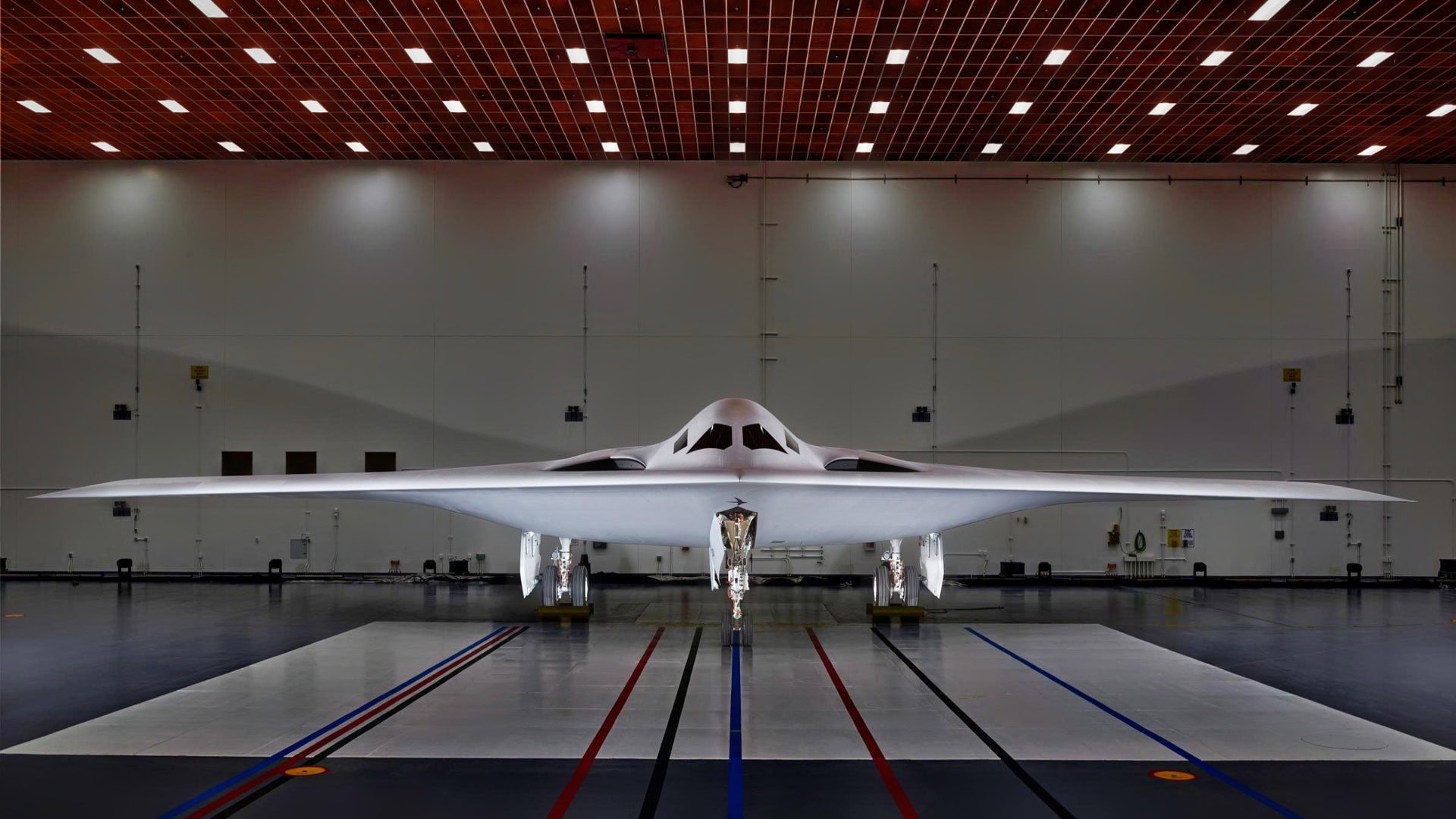
B-21 Raider U.S. Air Force. Image Credit: U.S. Air Force.
There is no clear indication that additional Pentagon funding results in significant increases in key weapons within any meaningful timeframe.
So, where will these new funds go?
They will go to expensive and utterly wasteful legacy programs. Already, the Trump administration has approved the sixth-generation F-47 warplane.
Now, rumor has it that in August of this year, the Trump administration will officially push through the funding of the Navy’s equally ridiculous sixth-generation F/A-XX warplane for aircraft carrier flight operations.
Never mind the fact that the future of war is unmanned systems, long-range strike weapons, hypersonic weapons, and directed energy weapons (DEWs).
Fighting the Last War Instead of the Next One
But the Pentagon wants these systems, and they don’t care how–or how much it will cost–they get these warplanes. This pattern is playing out across the entire force. Aircraft carriers have become the primary power projection platform for the United States Navy’s surface warfare fleet.
These systems, however, have diminishing utility in the era of cheaper anti-access/area denial (A2/AD) systems. Tanks, too, are becoming less useful in their current configuration on the modern battlefield.
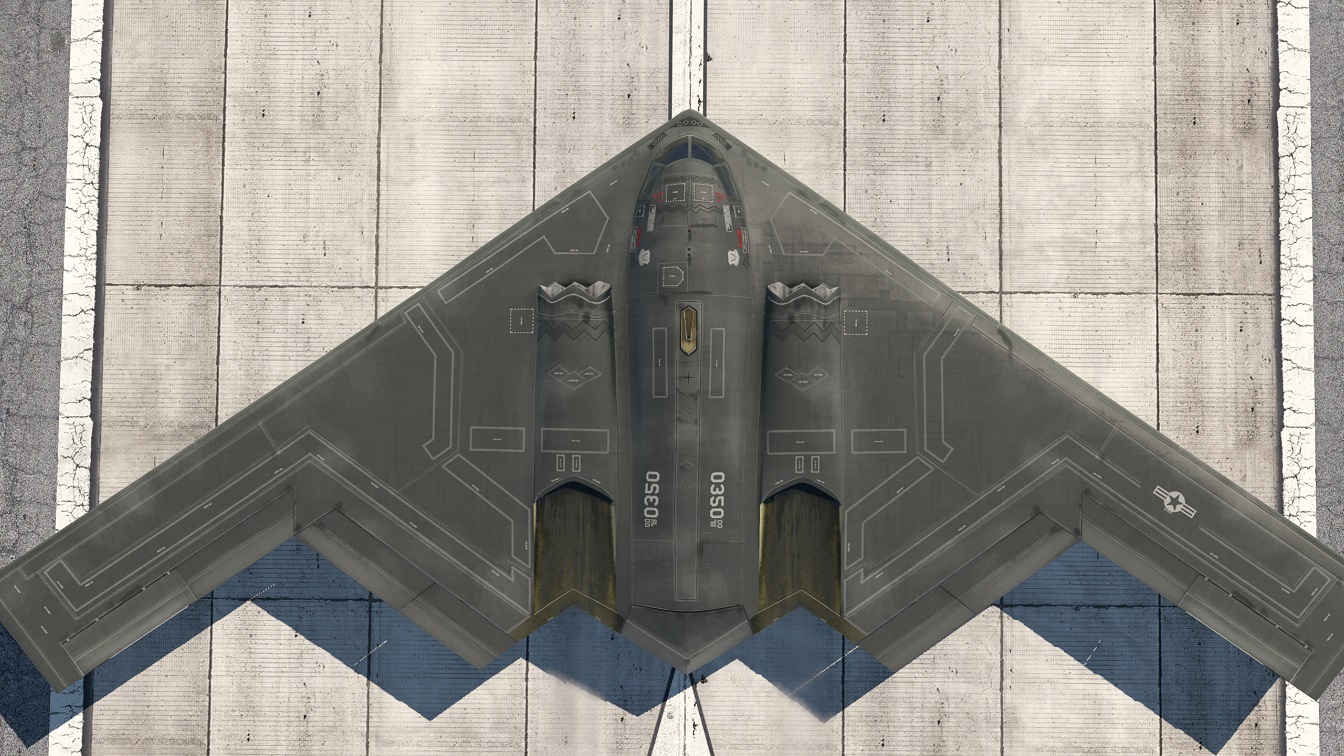
B-2 Bomber. The B-21 Raider will look very similar. Image Credit: Creative Commons.
The United States military has not properly learned hard lessons taught by the Ukraine War and the Iran War.
They will repeat the same catastrophic mistakes that the Russians and Ukrainians made at the start of the Ukraine War, only in multiple theaters that include Iran as well as the Indo-Pacific.
A Budget Surge Amid Domestic Strain
Plus, these increases come at a time when most Americans are struggling with an affordability crisis (originally brought on by President Trump’s pandemic-related lockdowns in the final year of his first nonconsecutive term). It’s also coming in the wake of what many are saying is a collapse in funding for healthcare and other popular social programs, like social security, Medicare, and Medicaid–all while the national debt surges to historic highs.
President Trump argues that we need the expanded defense budget.
Of course, it doesn’t help his case that members of his immediate family appear to be cashing in as defense contractors who will directly financially benefit from the increase in defense spending, at a time when most Americans cannot afford a medical bill.
Not only is it politically untenable, but it is irresponsible, too. Especially given the real, underlying problems of America’s defense.
The problem is not a lack or want of money. The problem is the overall strategy. Because the top leadership of the Pentagon has failed to absorb the hard lessons of recent wars, they remain steadfastly committed to the model that dominated the post-Cold War era of American hegemony.
Those days are long over, though.
Yet Washington remains committed to living as though it were 1996 rather than 2026. So, they look for resources that the American people cannot reliably provide, risking loss in the next war.
Final Warning: America Is Buying the Wrong Future
What the Pentagon really needs, on top of a total rethink of its grand strategy, is a reorganization of its defense industrial base (DIB), including its strained supply chain and America’s naval shipyards. Forget about the F-47 or the next aircraft carrier. Focus on the systems required to sustain the force.
Unless the Trump administration is committed to immediately enhancing America’s failing DIB, restructuring those supply chains, and expanding the number of naval shipyards, this increase in Pentagon funding will not yield the changes America requires.
About the Author: Brandon J. Weichert
Brandon J. Weichert is the Senior National Security Editor at 19FortyFive.com. Recently, Weichert became the editor of the “NatSec Guy” section at Emerald.TV. He was previously the senior national security editor at The National Interest. Weichert is the host of The National Security Hour on iHeartRadio, where he discusses national security policy every Wednesday at 8pm Eastern. He hosts a companion show on Rumble entitled “National Security Talk.” Weichert consults regularly with various government institutions and private organizations on geopolitical issues. His writings have appeared in numerous publications, among them Popular Mechanics, National Review, MSN, and The American Spectator. And his books include Winning Space: How America Remains a Superpower, Biohacked: China’s Race to Control Life, and The Shadow War: Iran’s Quest for Supremacy. Weichert’s newest book, A Disaster of Our Own Making: How the West Lost Ukraine, is available for purchase wherever books are sold. He can be followed via Twitter/X @WeTheBrandon.