
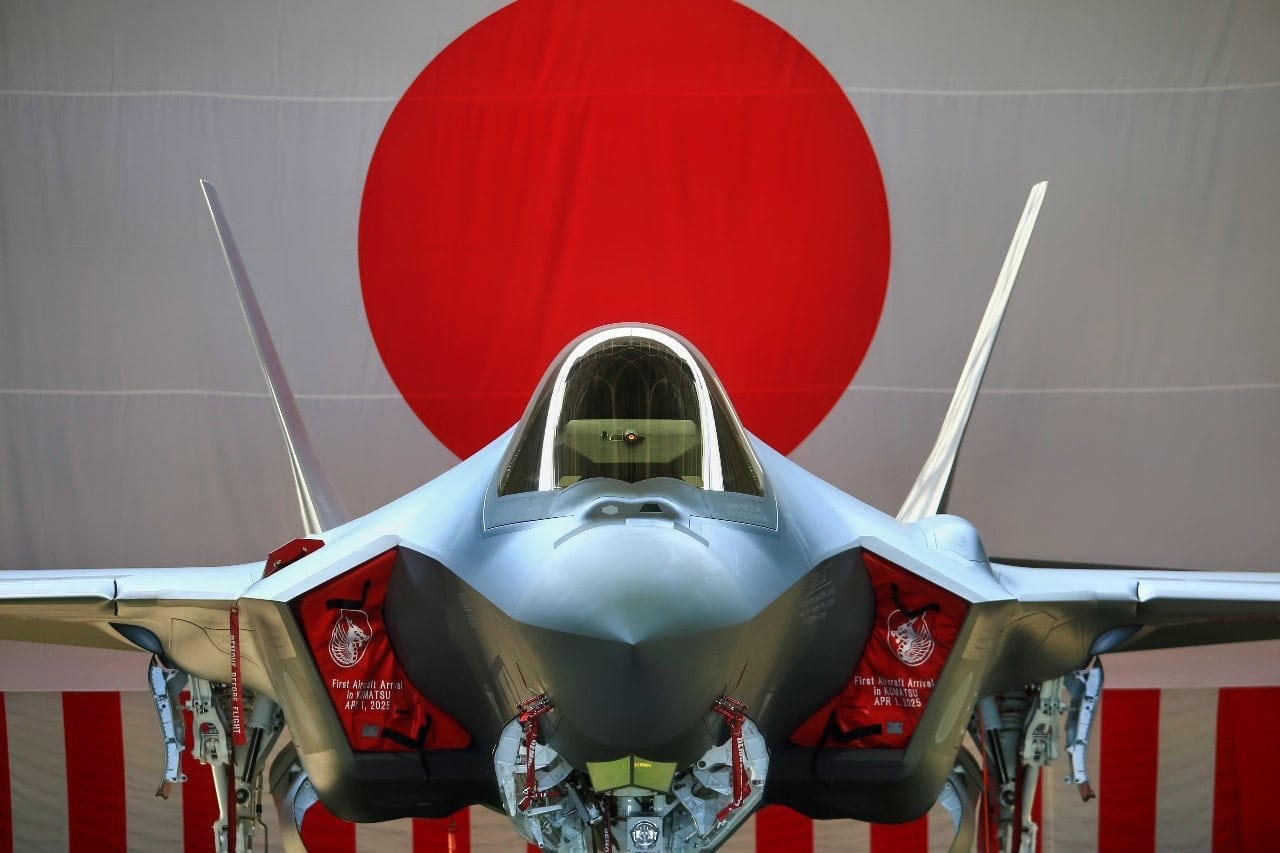
The Lockheed Martin F-35 Lightning II is the centerpiece of American aviation, even at an astouding $2 trillion over the programs lifespan, but it is once again at the center of a serious strategic debate. In a recent War on the Rocks essay, retired Maj. Gen. John G. Ferrari and researcher Dillon Prochnicki argued that the aircraft is “a masterpiece built for the wrong war,” saying the United States has over-invested in a fighter that may struggle in a prolonged conflict against China.
Far be it from me to disagree, but I will say that, while it is a serious argument and their assessment is largely true, I think there is an important distinction to make.
While the F-35 may not be the fighter the U.S. needs today or tomorrow, it was the right aircraft for the strategic environment in which it was conceived, and the United States is making a wise choice to continue investing in the platform while the next generation arrives.
Investing in the F-35, in my opinion, was no mistake – but the next aircraft must arrive quickly.
Why the F-35 Made Sense
The F-35 is a product of the post-Cold War era in which Washington expected to fight regional powers, suppress hostile air defenses, and dominate the skies with precision and stealth. It was designed to replace multiple older aircraft types across the U.S. Air Force, U.S. Navy, U.S. Marine Corps, and allied fleets with one common family of jets.
That logic was sound, and the aircraft was ultimately delivered. It combined low observability, advanced sensors, electronic warfare capability, communications systems, and sensor fusion in ways fourth-generation fighters could not match.
It could detect threats first and share that information instantly, and then strike before many adversaries even knew it was there. Those capabilities remain highly relevant, even as adversaries build their own competing fleets.
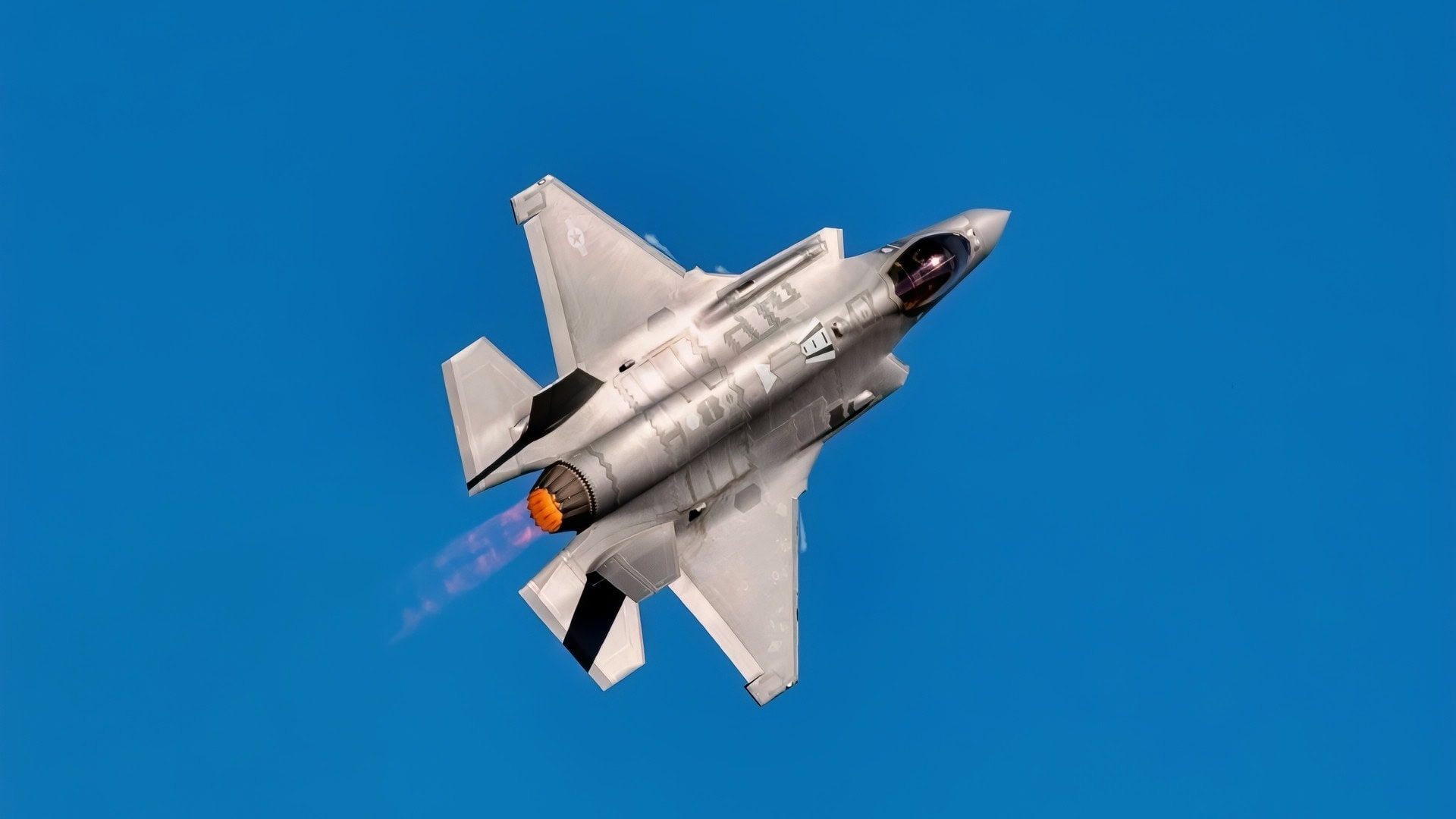
The F-22 Raptor performs a demonstration at the Mather Airshow in Sacramento, California, Sept. 23, 2018. The P-38 is a World War I-era fighter aircraft that was developed for the Army Air Corps. (U.S. Air Force photo by Senior Airman Lauren Parsons/Released)
The F-35 has now flown more than one million flight hours globally, with more than 1,200 aircraft in service by late 2025.
This is by no means a failed aircraft searching for a purpose – it is a mature combat platform that has become the backbone of Western tactical airpower.
That’s a good thing for the United States and for allies that use the platform.
F-35 Stealth Fighter: Why It’s Wrong for China
Ferrari and Prochnicki rightly argue that what worked against regional threats may not work against China. Their point is not that the F-35 lacks quality, but that a force centered around expensive, maintenance-heavy fighters may be brittle in a Pacific War. It is a fair point.
Any conflict over Taiwan would involve huge distances, missile attacks on air bases, pressure on tankers, and sustained attrition over weeks or months.
China’s military has built much of its modernization around exactly that environment, including long-range missiles and the growing Chengdu J-20 fleet.
In the Pacific, the problem is less about whether an F-35 can win a dogfight and more about whether enough aircraft can generate sorties from damaged bases while supply lines are under attack. And that’s precisely why the Pentagon selected Boeing’s F-47 program in 2025.
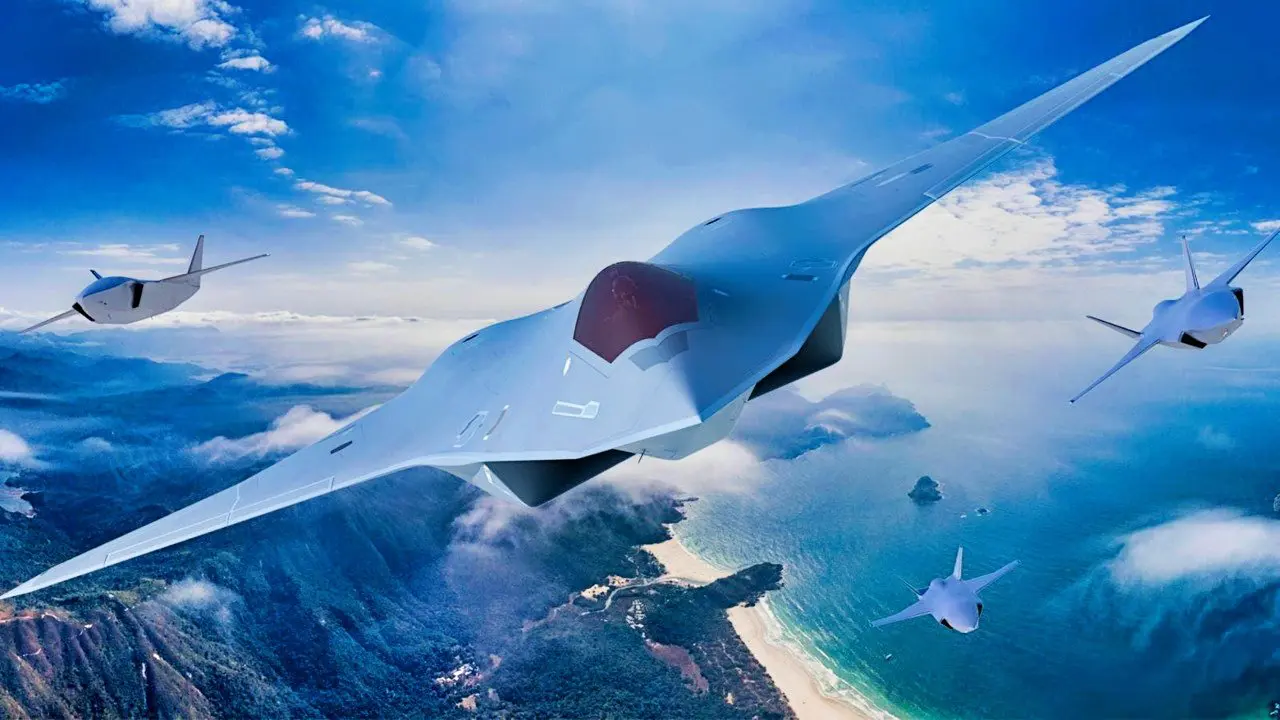
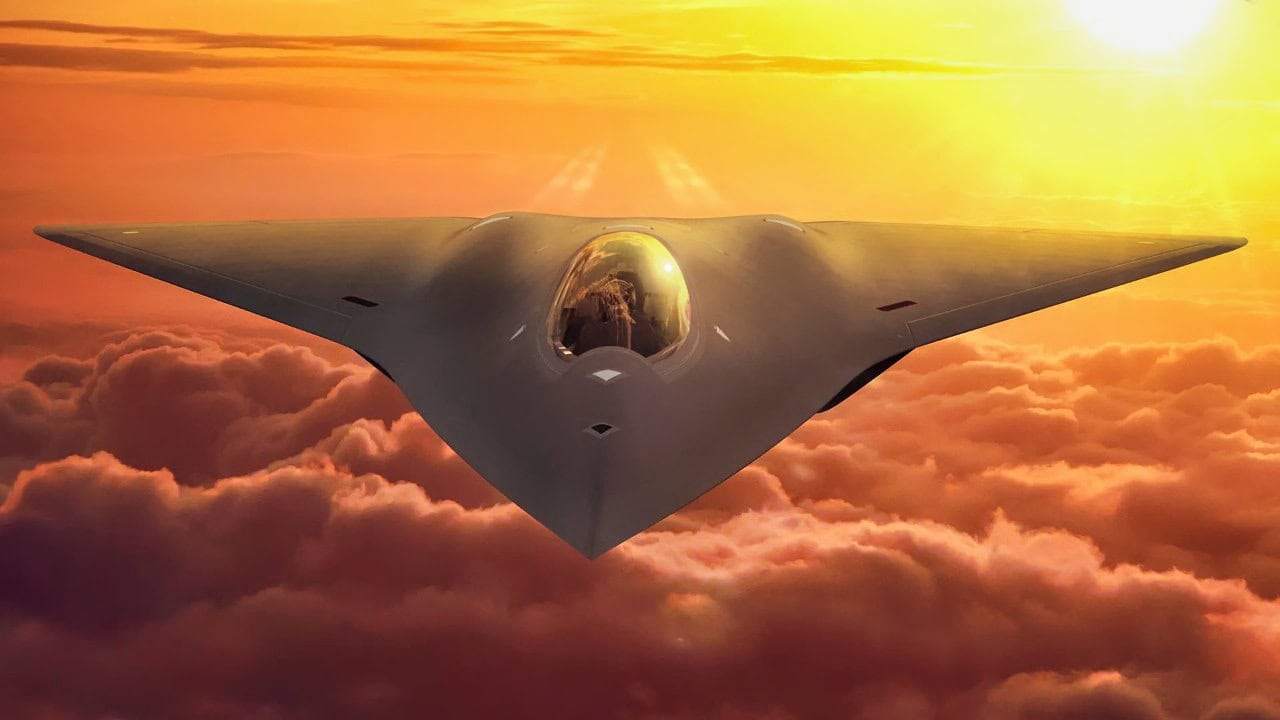
NGAD fighter from U.S. Air Force.
NGAD Fighter via Lockheed Martin.
It offers longer range and improved availability, and it is intended to have reduced support demands compared with current fifth-generation fleets.
It is also designed to function alongside “loyal wingman” drones, which can absorb some of the risk that the F-35 currently cannot offload onto cheaper platforms.
Washington knows the next war will demand something different, and while investment in the F-35 continues, so too does development on the next-generation fighter.
Why America Still Needs the F-35 Now
None of the above means the U.S. can stop buying F-35s. The alternative is not to skip ahead to the F-47, which is still in development – it would instead be to enter the most dangerous years of great-power competition with too few modern fighters while waiting for a next-generation aircraft that isn’t ready yet.
The F-22 Raptor production line is closed. Many F-15s, F-16s, and legacy Navy aircraft are aging or too old. Meanwhile, China is expanding its current capabilities, not in ten years.
So the choice is simple: field more F-35s during the transition, while accelerating the next generation of aircraft and unmanned drones. And the F-35 has not only proven its worth as a fighter, but is also paving the way for future successes with drone technologies that will ensure the U.S. is prepared for the next major fight.
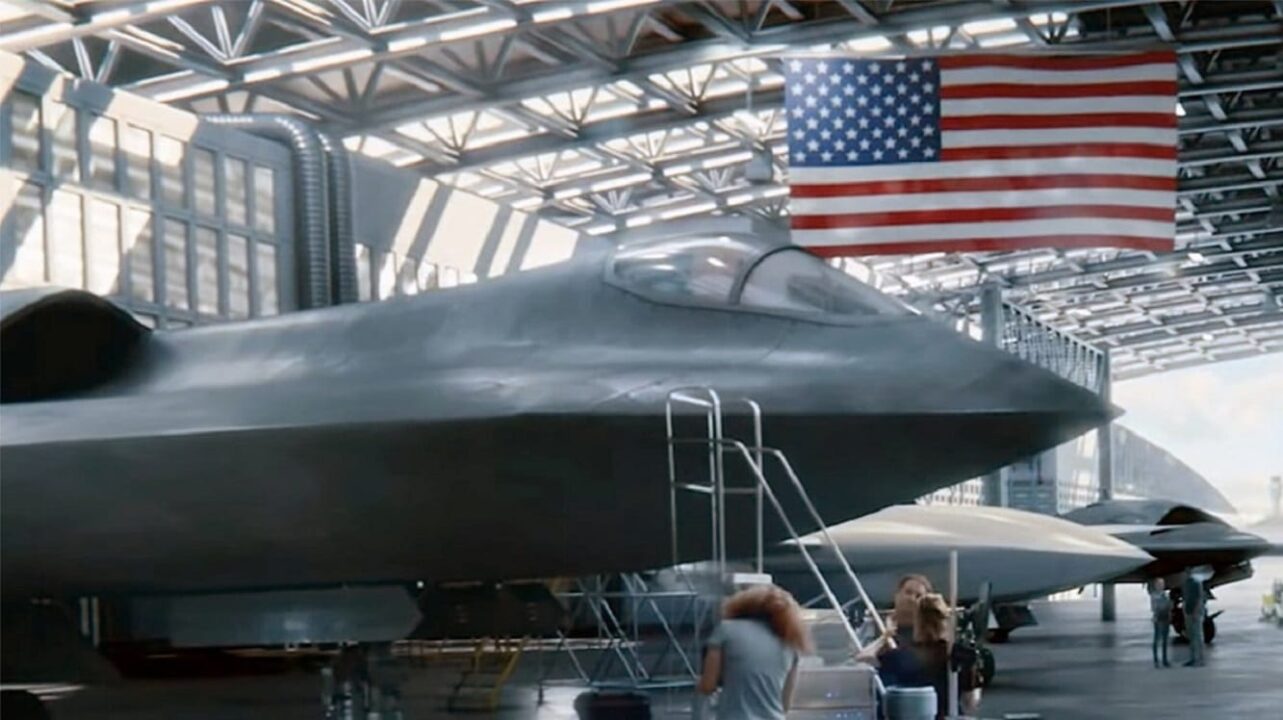
NGAD artist concept from Northrop Grumman.
Just as importantly, the F-35 program is generating the operational knowledge that will shape what comes next. Having passed one million flight hours last year, the F-35 provides the U.S. and partner nations with an enormous dataset on maintenance trends, sensor performance, pilot workload, networking, electronic warfare, and coalition operations.
That experience is being built every day across Europe, the Pacific, and the Middle East by allied air forces operating inside a common U.S.-led system.
China may be producing aircraft quickly, but experience, interoperability, and real-world data matter too.
Those advantages will feed directly into the F-47 and future “loyal wingman” drones, which will define the next generation of Western air dominance.
About the Author: Jack Buckby
Jack Buckby is a British researcher and analyst specializing in defense and national security, based in New York. His work focuses on military capability, procurement, and strategic competition, producing and editing analysis for policy and defense audiences. He brings extensive editorial experience, with a career output spanning over 1,000 articles at 19FortyFive and National Security Journal, and has previously authored books and papers on extremism and deradicalization.