
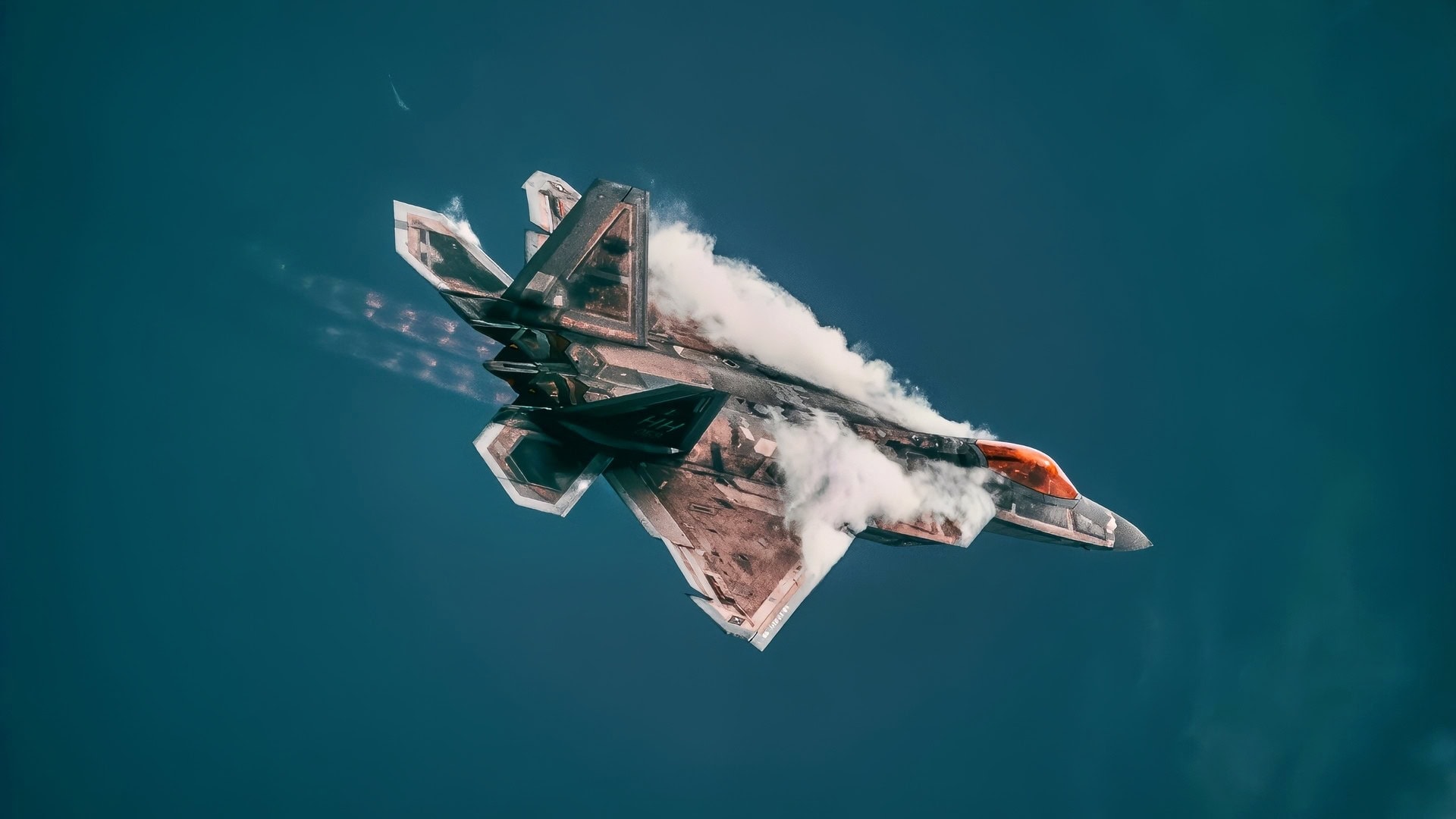
Why the US Should Sell the F-47 to Our Allies: The United States faces a decision about the Air Force’s sixth-generation stealth fighter, the F-47 NGAD. Whether to keep it strictly as a US aircraft or sell it to our allies, such as the F-35, which has been shared with more than 20 countries to date.
When President Trump announced in the Oval Office that the F-47, a sixth-generation Next Generation Air Dominance (NGAD) stealth fighter, had been contracted to Boeing, he also said the aircraft would be considered for sale to our staunchest allies.
Selling the F-47 to allies has been a subject of intense debate, with arguments focusing on high costs, advanced technology security, and alliance strategy.
Potential sales involve selling “toned-down” (10 percent less capable) versions to trusted partners to manage risks, while others argue the tech is too sensitive to export. Key factors include lowering US unit costs, strengthening regional security, and concerns that allies may pursue their own projects.
Since that announcement, there has been no update on F-47 foreign sales.
However, Japanese media leaked that in a phone call between the President and Japanese Prime Minister Shigeru Ishiba, he indeed offered the F-47 to Japan.
However, the question isn’t as far away as one may think, as the aircraft is already in limited production.
Japan Frustrated By Global Combat Air Program (GCAP) Delays
President Trump’s call to the Japanese Prime Minister was also a way to steer Japan away from the Global Combat Air Program (GCAP).
Japan is increasingly frustrated with the UK over funding delays in the Global Combat Air Program (GCAP), a joint 6th-gen fighter project with Italy. Concerns stem from UK budget issues holding up key contracts, endangering the crucial 2035 deployment target aimed at countering China, while Japan remains fully committed.
GCAP set a very ambitious target: to fly its first demonstrator by 2027 and field the next-generation aircraft by 2035.
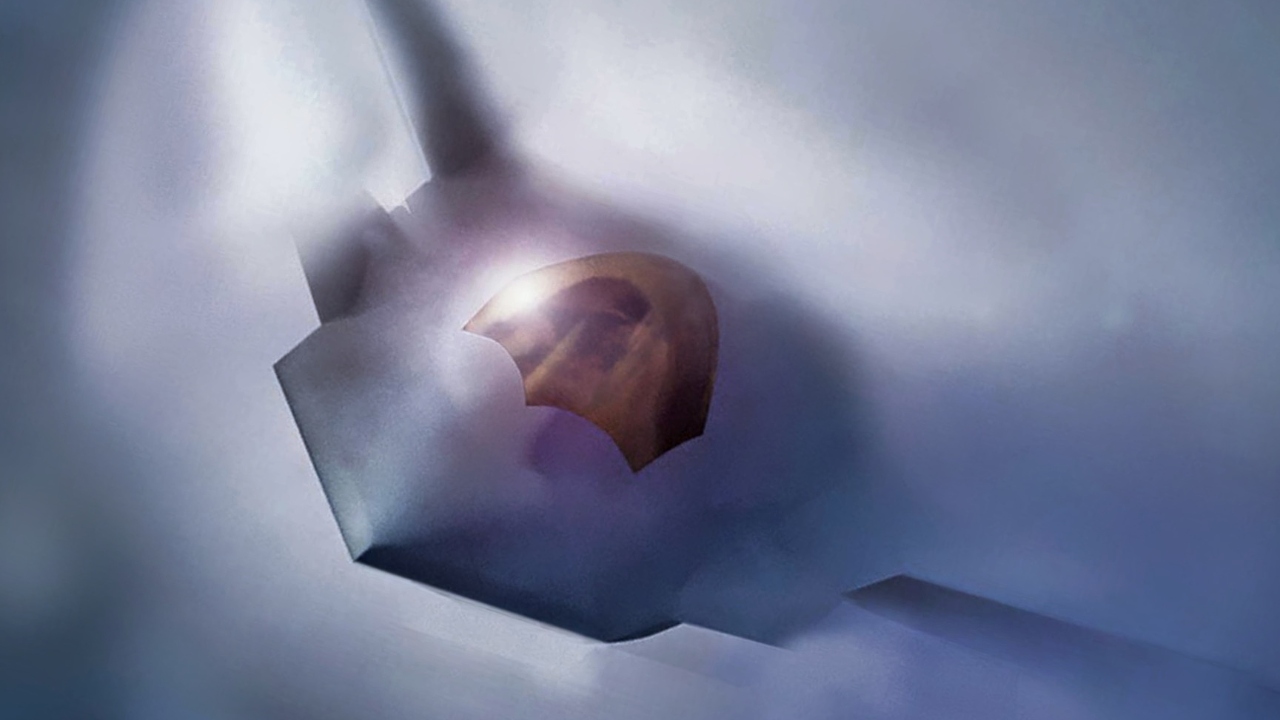
Shown is a graphical artist rendering of the Next Generation Air Dominance (NGAD) Platform. The rendering highlights the Air Force’s sixth generation fighter, the F-47. The NGAD Platform will bring lethal, next-generation technologies to ensure air superiority for the Joint Force in any conflict. (U.S. Air Force graphic)
The F-47, already in limited production, is a less risky alternative to the GCAP project, which some in Tokyo fear may be delayed into the 2040s rather than meeting the 2035 target.
Protecting US Technology: Lessons Learned From The F-22
Kris Osborn makes a compelling case against sharing the F-47 with allies.
“The argument against selling NGAD is also clear and straightforward, as it pertains to the need to safeguard some of the most advanced and unique technologies the world has ever seen,” he wrote. “There is always the unlikely possibility that today’s allies may not be allies in 20 or 30 years, so selling a platform with this ability could arguably introduce a measure of long-term risk.
“To safeguard against this contingency, allies are often sold scaled-back ‘export variants’ of top-level US military platforms to protect American superiority, yet even export variants of a platform such as the NGAD would likely be extremely dangerous if used against the US,” he added.
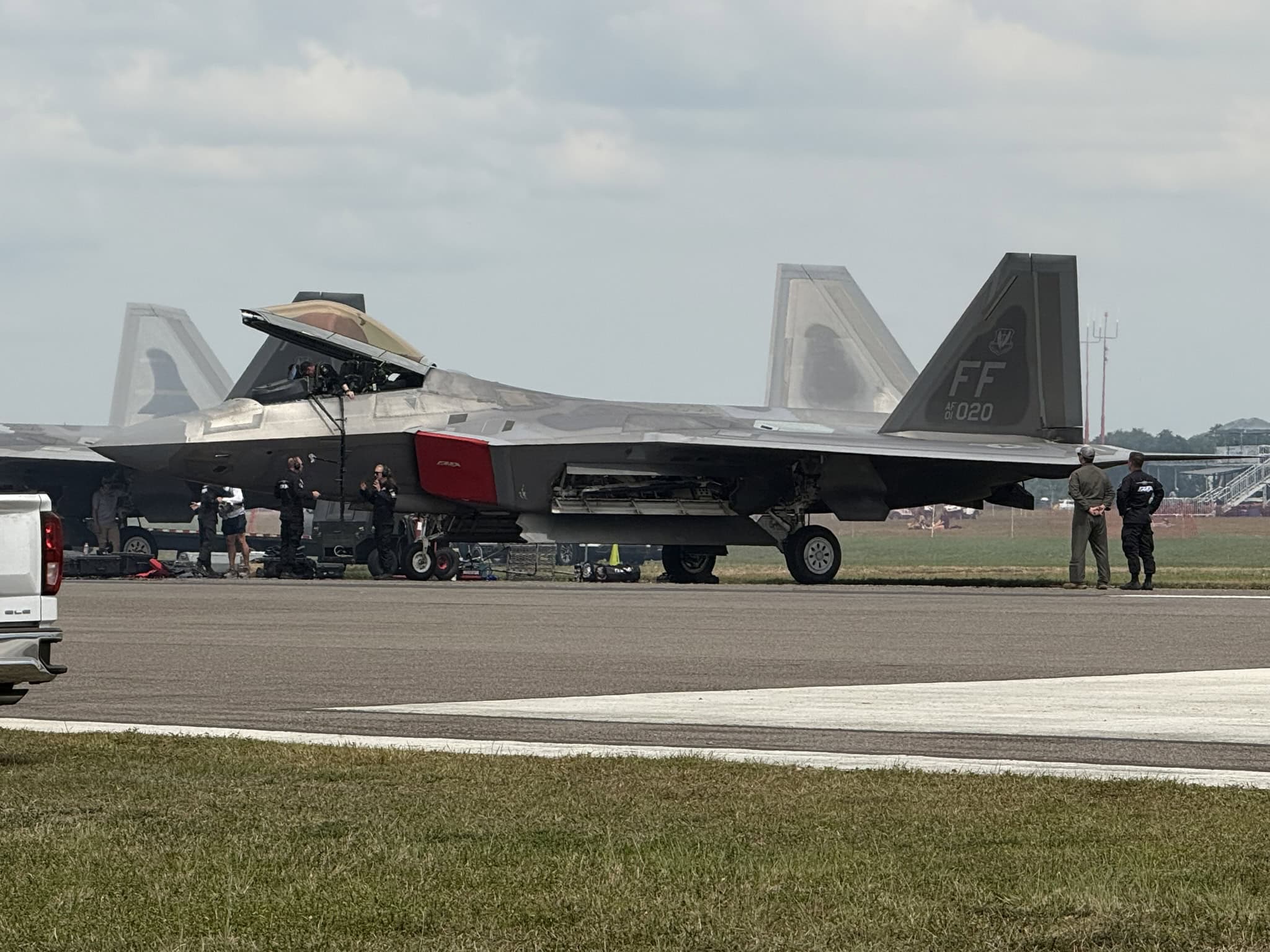
F-22 Raptor. 19FortyFive Photo from Lakeland, Florida Airshow on 4/19/2026.
“It may be that its technologies are simply too advanced, unique, and paradigm-changing in the realm of stealth, sensing, networking, and computing that it simply should not be sold or shared in any capacity.”
However, when the US developed the F-22, it produced only 185 stealth fighters. As budgets tightened and the collapse of the Soviet Union unfolded, no further fighters were purchased, and production lines shut down and were dismantled. That was, in retrospect, a huge mistake.
Under President Trump, the US’s shift from being the world’s policeman to a key member of coalitions designed for collective defense is a wise strategic move.
The argument against doing so is that it cuts into US technological superiority. But it works against the same coalitions that the US is trying to build. Initially, President Trump’s decisions in Europe were met with fears that the US would abandon its allies, or that its allies would abandon it in turn. That is something Moscow and Beijing have counted on strategically.
The latest campaign against the Iranian regime has shown that many of those fears are being realized.
But NATO countries are finally beefing up their defense budgets and taking a more active role in their collective defense. Adding the sixth-generation F-47 to their defenses wouldn’t hurt our US defense strategy; it would expand and strengthen it.
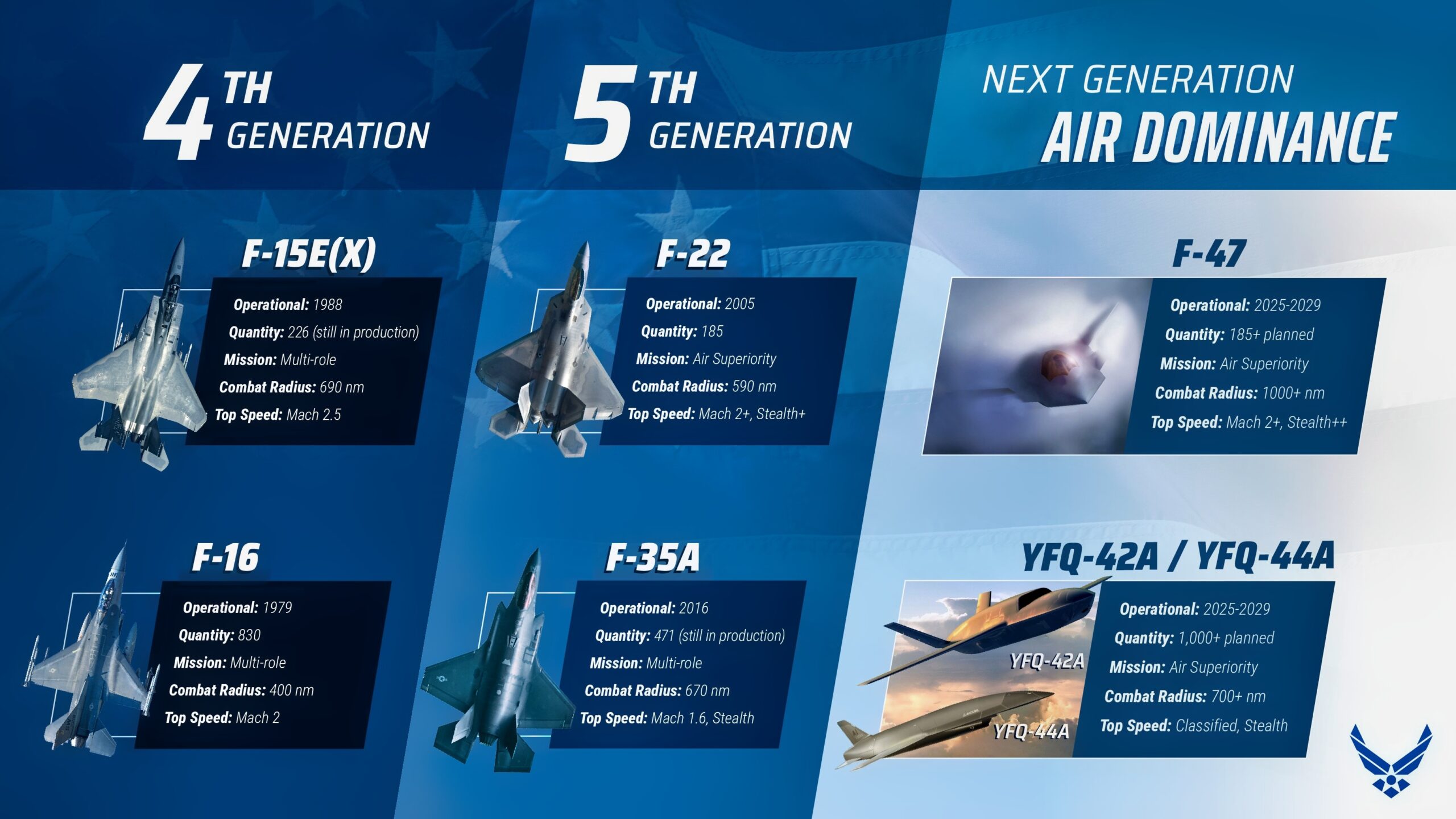
F-47 Infographic. Image Credit: U.S. Air Force
The US plans to build 185 F-47s to replace the Raptors. That is not nearly enough, even if the US placed all of them in the Indo-Pacific. The US should consider 300 a bare minimum, especially given China’s production numbers.
The Chinese are building over 120 J-20s per year, and are expected to have as many as 1,000 by 2030.
The Chinese threat in the Indo-Pacific may seem less so if our allies in Japan, Australia, and elsewhere had their fleets of F-22 Raptors today. The US fighter fleets would be even more formidable than they are today. And in a crisis, it would not require US squadrons deploying to Pacific hotspots to operate independently.
Collective Defense Among Coalition Partners
Our pilots would operate alongside our Pacific allies, strengthening collective defense. The multinational F-35’s universal Multifunctional Advanced Data Link (MADL) technology enables all F-35s to securely and seamlessly share time-critical combat information across a combat formation.
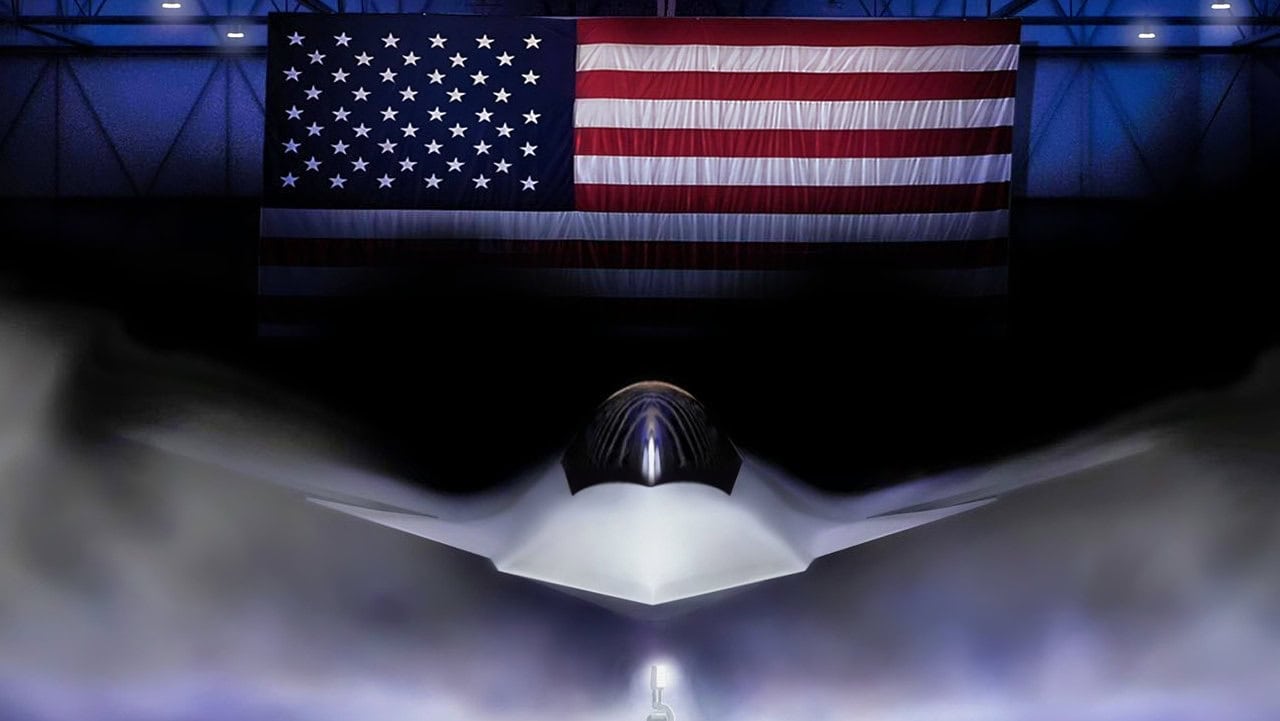
F-47 Fighter from U.S. Air Force.
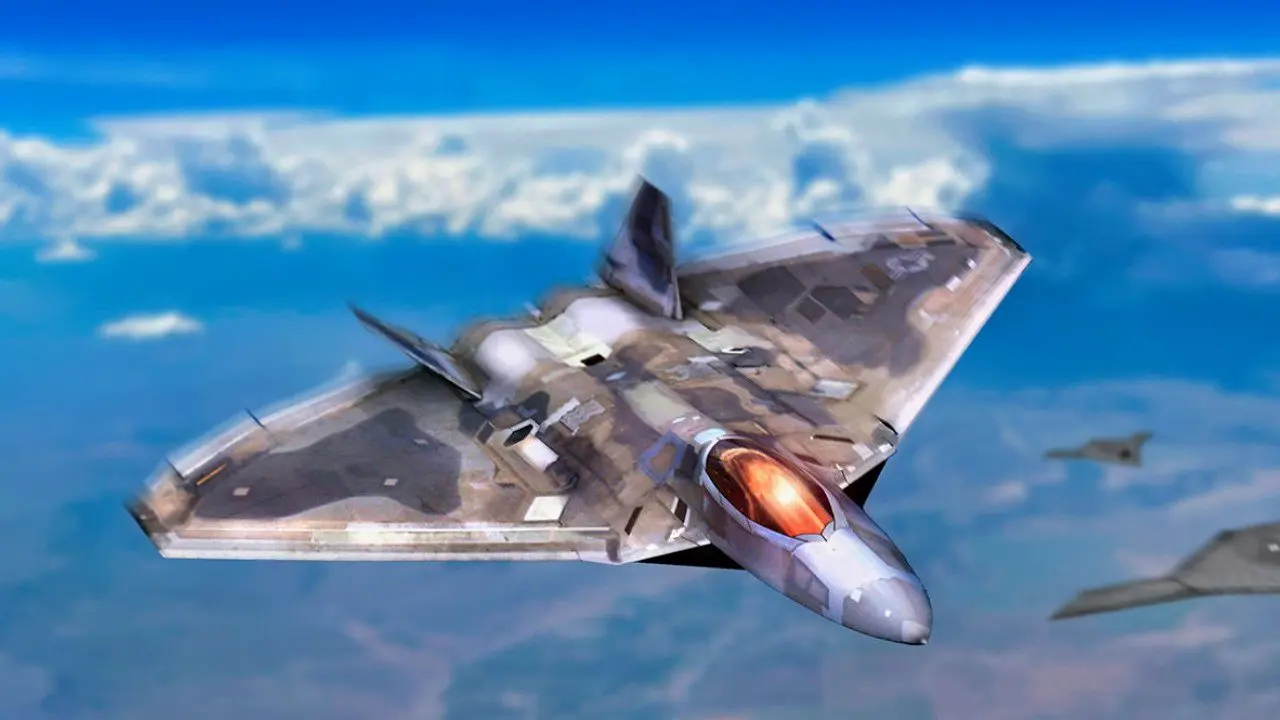
NGAD Fighter. Artist Rendering.
This provides a command-and-control advantage for attacking stealth aircraft, as they are positioned to quickly share intelligence and targeting information.
But this must be done selectively to our very closest allies. The UK (at least until recently) and Poland in Europe, and Israel in the Middle East, but not with the “yard sale” approach taken with the F-35, where nearly everyone got into the act.
This caused as many problems as it solved, with political headaches and ongoing production shortfalls.
Strategic Deterrence Is Built In For Defense
As mentioned above, Beijing has bet that either our US partners will fold and accept Chinese hegemony in the region or that the US will not come to collective defense.
Having a regional network of F-47s across the Pacific in our partner’s hands sends a sure-fire message to China that the opposite is true. It would build a much more flexible, lethal defense with the means to act quickly and decisively in the event of an attack on one or more of our partners.
This idea would demonstrate to China and others that the US will not be forced to act alone, but rather in the Special Forces model of “by, with, and through” our partners. Dr. Andrew Latham wrote that it will create “doubt in the minds of Chinese military planners. And in deterrence, doubt is everything.”
The F-47 Will Be A Force Multiplier, A Quarterback In the Sky
The F-47 NGAD sixth-generation stealth fighter is not just a single entity. The NGAD program is among other ambitious efforts to develop Collaborative Combat Aircraft (CCA) drones with high degrees of autonomy, new jet engines, weapons, electronic warfare suites, sensors, networking systems, battle management capabilities, and more.
It could be a drone mothership that could operate Collaborative Combat Aircraft drones, which could fly out ahead to collect reconnaissance data, conduct electronic warfare, and protect the NGAD with early-warning capability.
Selling The F-47 Will Help Bring The Costs Down
The F-47 will be a very expensive aircraft, which hindered the F-22 in the defense budget. The F-47’s estimated cost (around $300 million per unit) will have the bean counters in the Pentagon screaming for its cancellation.
Beyond strengthening our ties with allies, exporting the aircraft could reduce unit costs through increased production volume, making it more affordable for the U.S. Air Force and our closest allies.
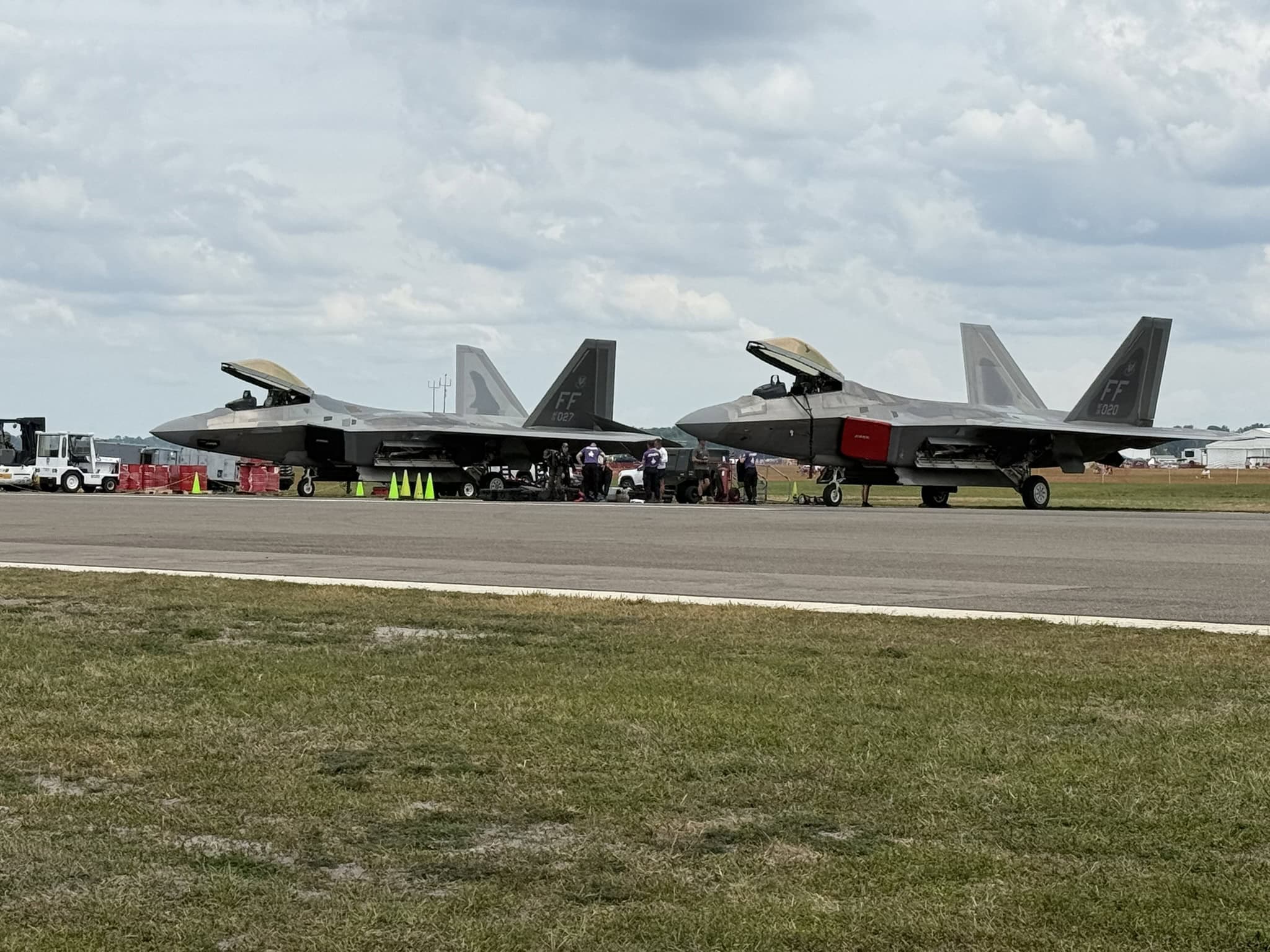
F-22 Raptors on the ground. 19FortyFive.com image taken in Lakeland, Florida, on 4/19/2026.
This will also have a positive effect on the US’ industrial base. Isaac Seitz made the point that “Boeing has made significant investments in production infrastructure, suggesting readiness for high-volume manufacturing. Export orders could help sustain this industrial base, avoid bottlenecks, and ensure long-term viability.”
He added that the US will opt for a hybrid strategy, with the F-47 unlikely to be exported as widely as the F-35, but it may not be entirely restricted, like the F-22. This strategy would help offset the aircraft’s high cost while strengthening our collective defenses, especially in the Indo-Pacific.
The US must build up its strength first and get enough manufacturing going that filling our needs and our partners’ will not be an issue down the road.
Selling the F-47 will add to the collective defense for decades to come. If wielded selectively and strategically, it will strengthen the US and our allies and partners.
Having US, Japanese, and Australian F-47s with CCA as dedicated loyal wingmen will go a long way toward deterring China from its expansionist ambitions.
About the Author: Steve Balestrieri
Steve Balestrieri is a National Security Columnist. He served as a US Army Special Forces NCO and Warrant Officer. In addition to writing on defense, he covers the NFL for PatsFans.com and is a member of the Pro Football Writers of America (PFWA). His work was regularly featured in many military publications.