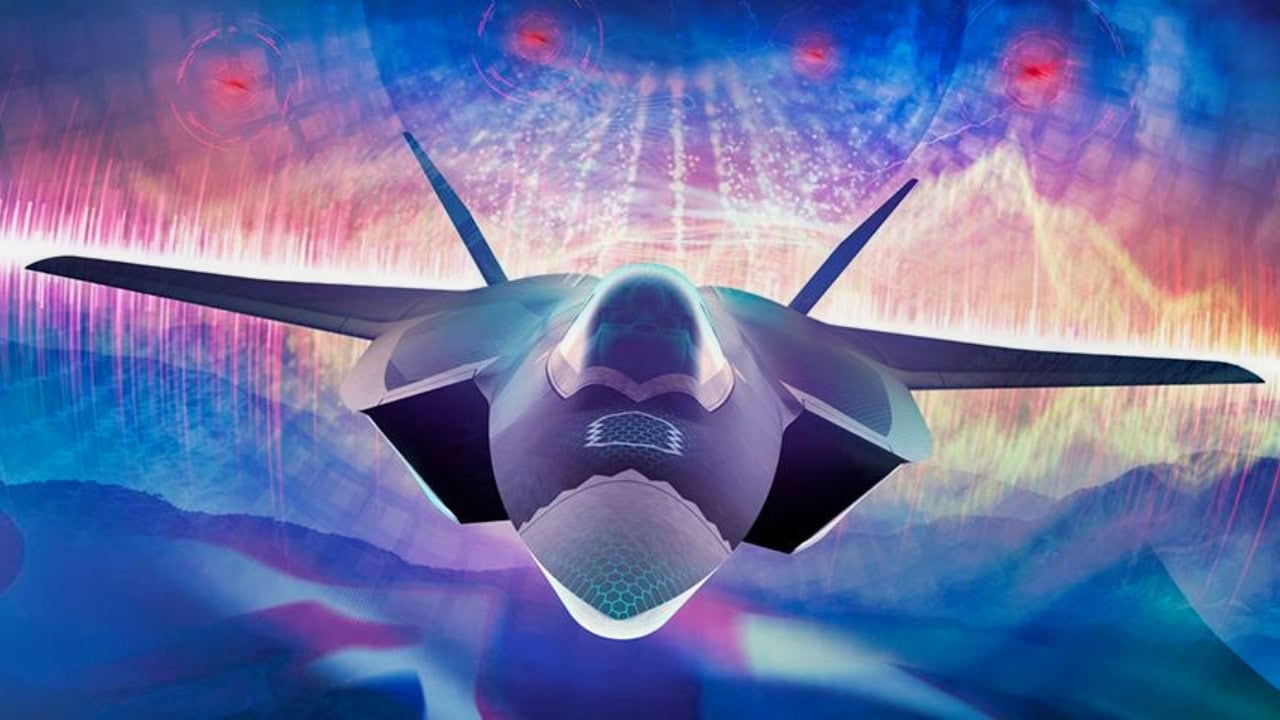
Summary and Key Points on GCAP Fighter Delivery Date News:
-Japan’s Ministry of Defense has formalized the 2035 service entry for the Global Combat Air Program (GCAP), a 6th-generation fighter designed to replace the aging MHI F-2 fleet.
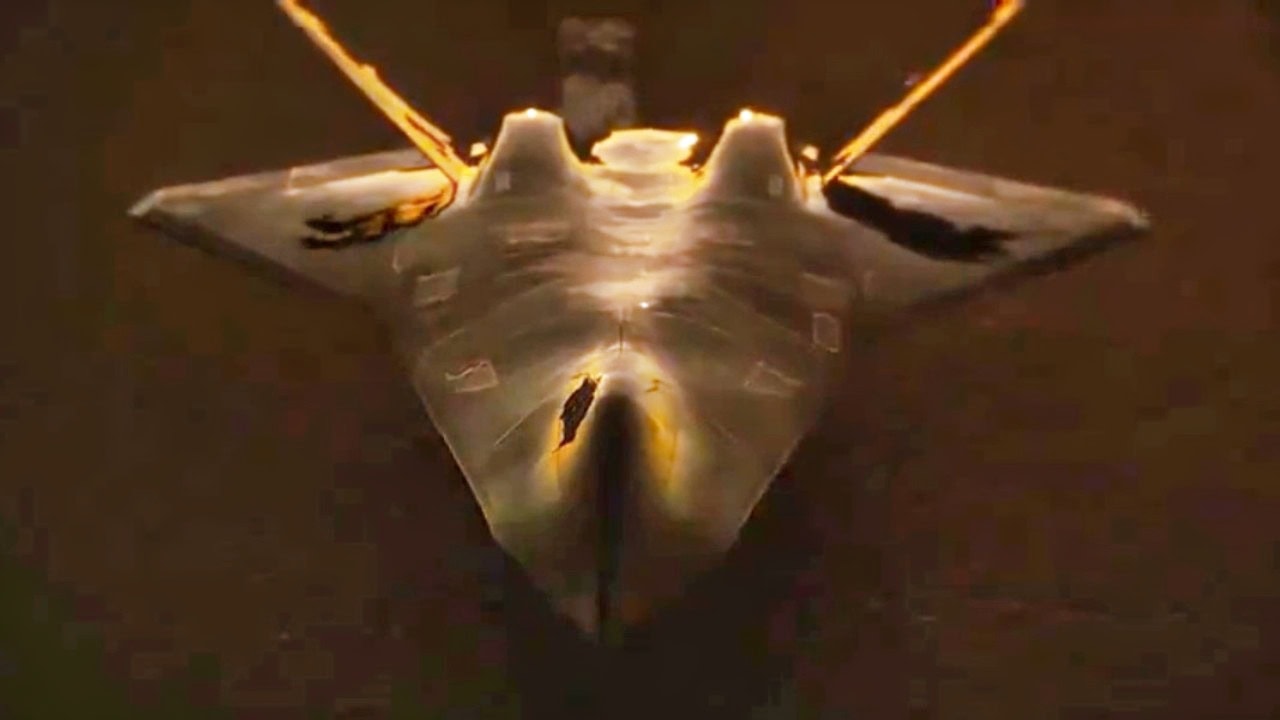
F-47 Fighter from Boeing. Image Credit: U.S. Air Force Screenshot.
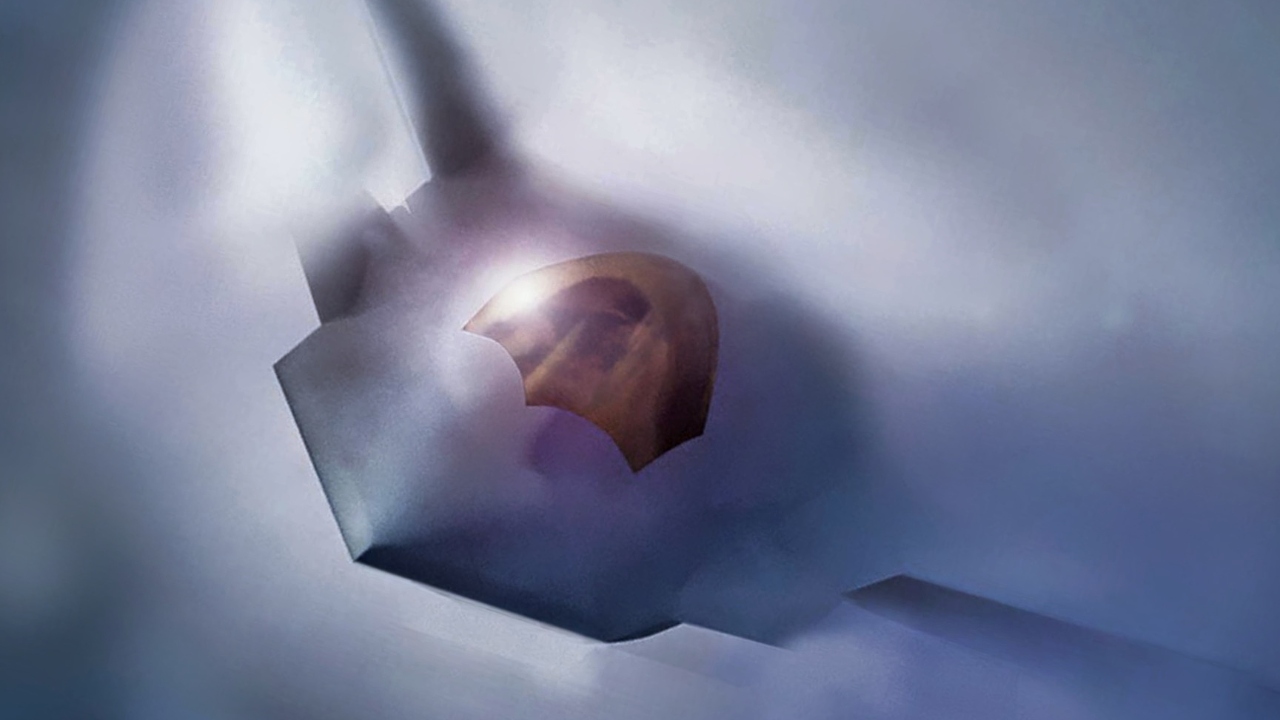
Shown is a graphical artist rendering of the Next Generation Air Dominance (NGAD) Platform. The rendering highlights the Air Force’s sixth generation fighter, the F-47. The NGAD Platform will bring lethal, next-generation technologies to ensure air superiority for the Joint Force in any conflict. (U.S. Air Force graphic)
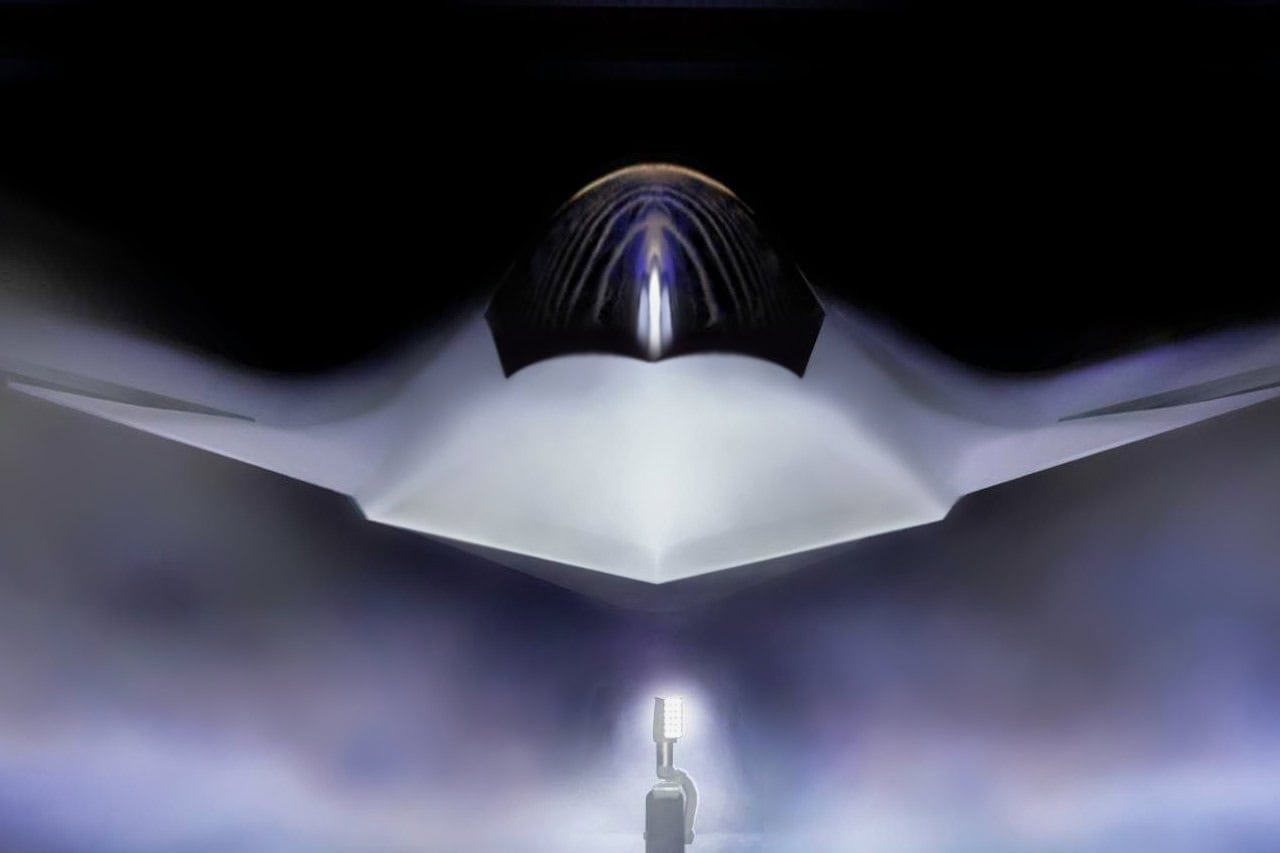
Shown is a graphical artist rendering of the Next Generation Air Dominance (NGAD) Platform. The rendering highlights the Air Force’s sixth generation fighter, the F-47. The NGAD Platform will bring lethal, next-generation technologies to ensure air superiority for the Joint Force in any conflict. (U.S. Air Force graphic)
-Developed alongside the UK and Italy, the GCAP serves as the cornerstone of a new “system-of-systems” battle concept.
-The 2026 budget focuses on revolutionary adaptive-cycle propulsion, optimized to generate the immense electrical current required for advanced sensor suites and extended-range electronic warfare (EW).
-By leveraging 3D printing and high-temperature materials, Japan aims to field a stealth platform that pushes air combat well beyond its traditional home-defense borders.
GCAP Fighter: Flying in 2035? Japan Says Yes
While the rest of the world is watching the latest developments from the Chengdu J-36, Boeing’s F-47, or the spat between France and Germany over the Future Combat Air System, Japan is making plans for its own next-generation fighter.
The Asian high-technology and industrial innovation powerhouse is finalizing a schedule and a budget strategy for the aircraft.
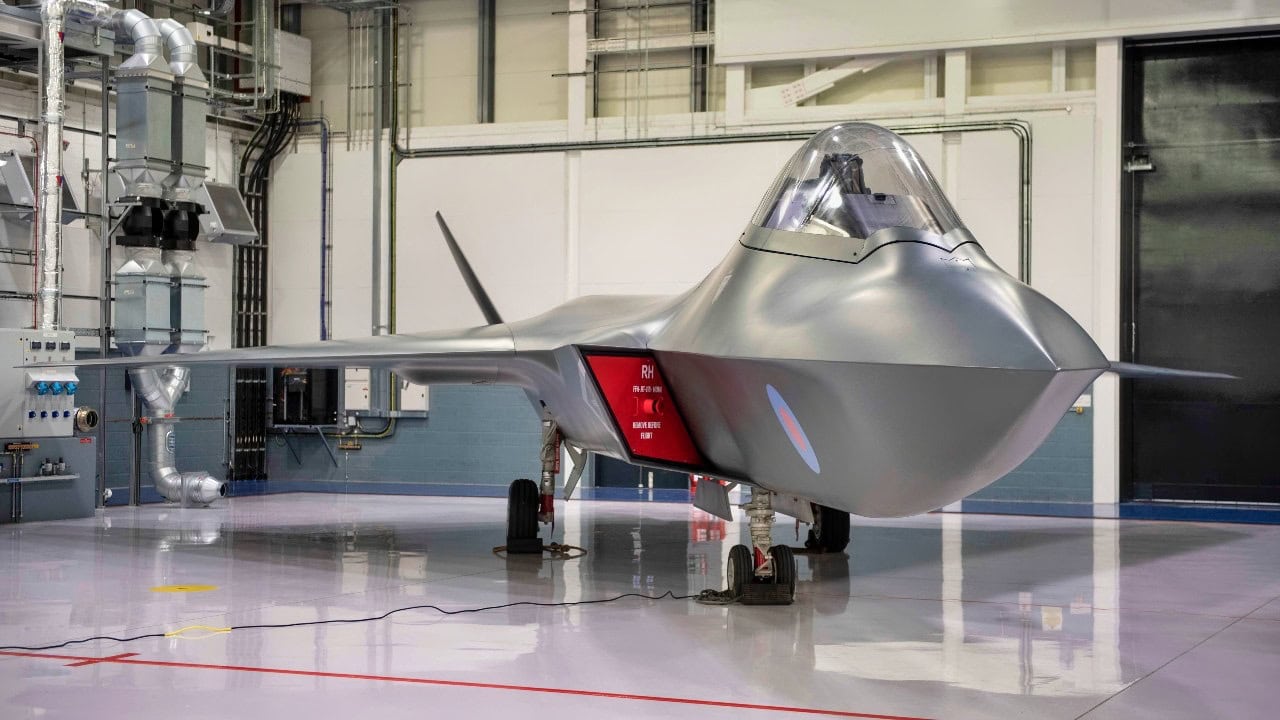
Image of the UK’s concept model for the next generation jet fighter “Tempest”, which was unveiled by Defence Secretary, at Farnborough International Air Show back in 2018.
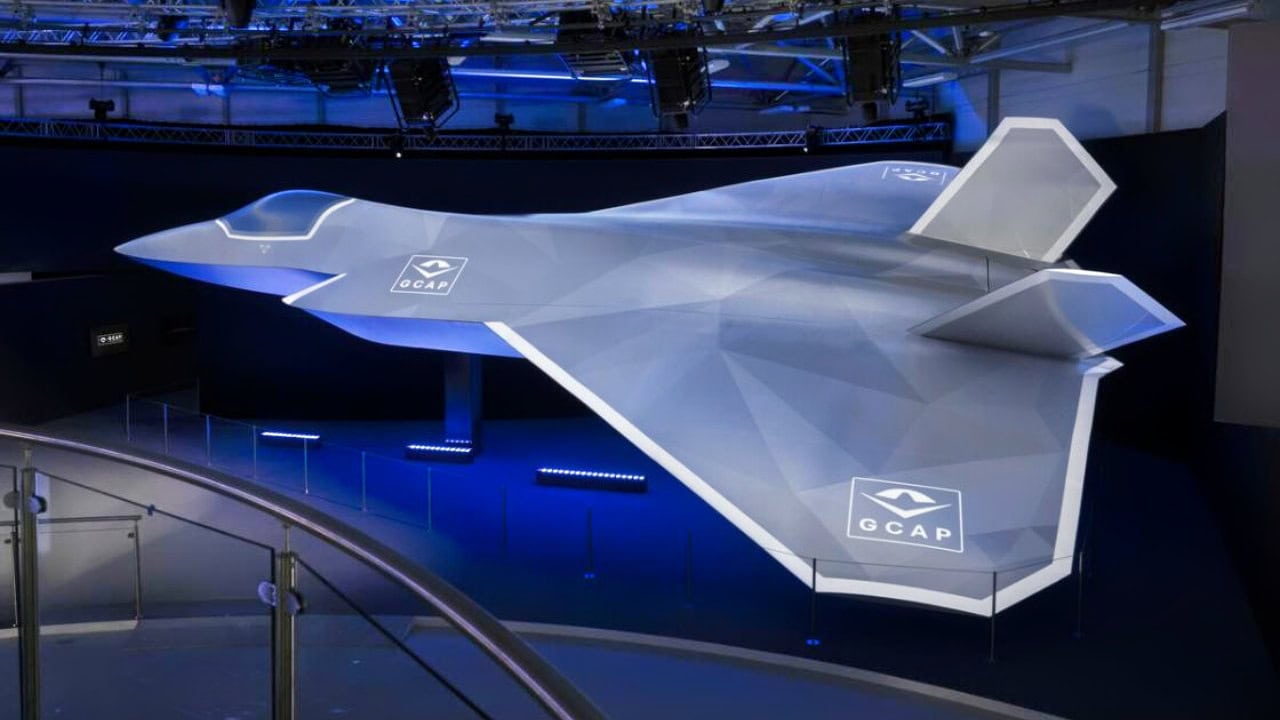
GCAP 6th Generation Fighter
This Global Combat Air Program (GCAP) unites the efforts of UK aerospace conglomerate BAE Systems, Italy’s Leonardo, and the manufacturer of Japan’s F-15J and its F-35s – Mitsubishi Heavy Industries.
It is an ambitious effort that seeks to bridge the requirements of European partners focused on a belligerent Russia, with the needs of an aircraft that addresses China’s threat to Japan.
The Japan Ministry of Defense stated that the GCAP will enter service in 2035. Sources close to the effort emphasize this aircraft will be more than trade-up from the fifth-generation F-35 to a sixth-generation platform. It will also be the backbone of an entirely new air battle concept.
It will give Japan a next-generation approach to face down its main adversary.
An air war pitting China against Japan would likely involve the GCAP venturing out far from Japan’s borders to hold the People’s Liberation Army Air Force at a considerable distance away from the Japanese homeland.
Take Off Date GCAP
The decision to set 2035 as the year for its new-generation fighter to enter service was taken after the 11th meeting of the Next-Generation Fighter System Development Promotion Committee, chaired by Vice Defense Minister Masahisa Miyazaki.
The Japan Air Self Defense Force (JASDF) has also confirmed previous plans for the GCAP to replace its MHI F-2 fleet. This MHI-General Dynamics aircraft, designed in the late 1980s, would thus retire from service at around the time the two European GCAP partners aim to withdraw their fourth-generation Eurofighter Typhoon aircraft from inventories.
FCAS. Image Credit: Industry Handout.
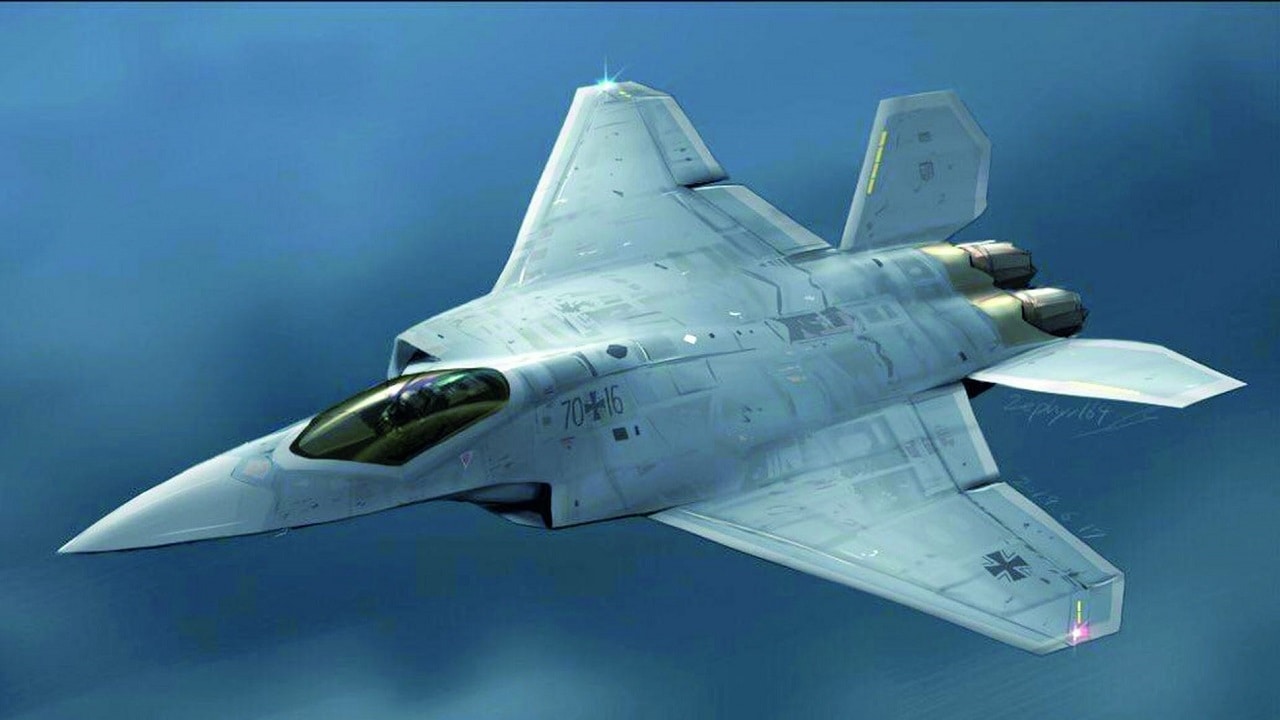
FCAS. Image Credit: Creative Commons.
The same Development Promotion Committee recently validated changes made to the proposed GCAP fiscal year 2026 budget.
Leading items in the program will be the overall design work; the core technologies (propulsion, materials, stealth/signature reduction); and an entire new generation of support systems for the day-to-day operation of the aircraft.
The program as proposed seems to be “almost overly ambitious” said one U.S. industry specialist familiar with the workings of MHI and the other Japanese partners.
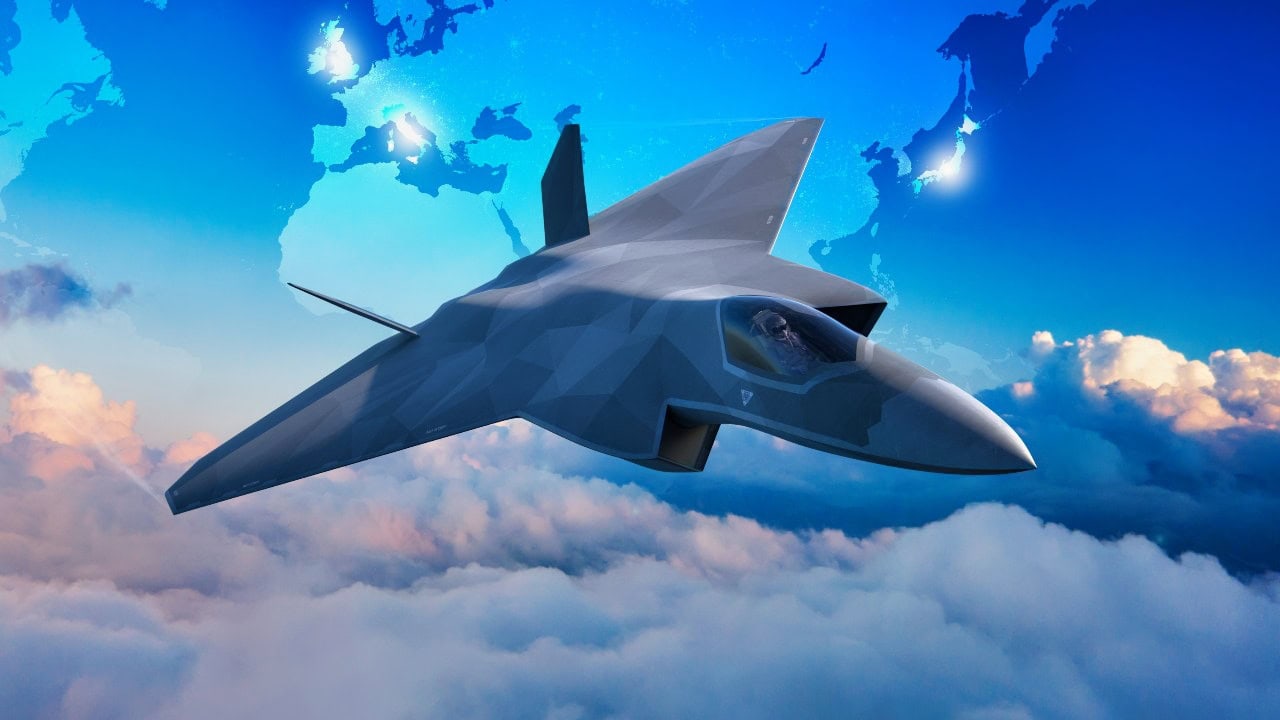
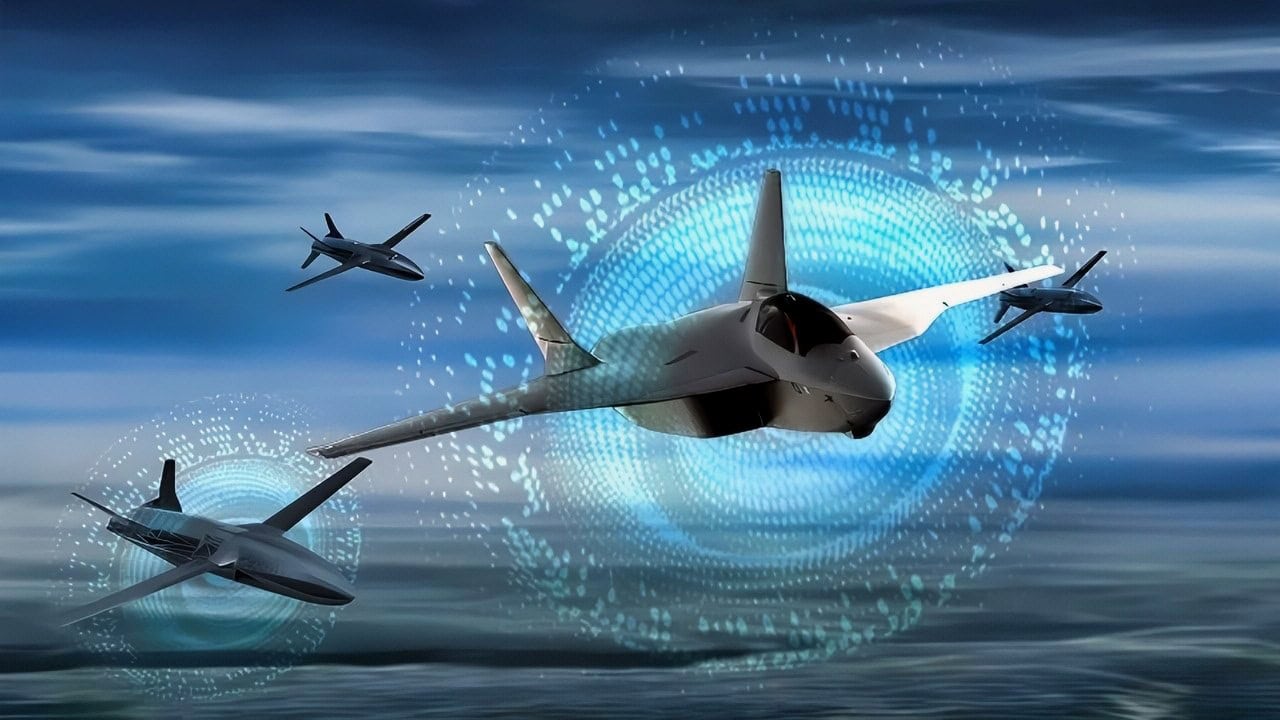
GCAP. Image Credit: Industry Handout.
“The schedule that is being proposed is one that has very little room for delays,” he said. “Slippage on the timeline in these kinds of programs can begin an almost cascading effect. If one part of the program hits a snag, then the rest of the effort also falls off its scheduled completion. The next thing you know 2035 becomes 2037, or even later.
Another critical factor is the commitment by the partner nations. Programs based on leading-edge technologies always balloon in developmental costs. Only sustained funding and political support by all partners can keep the GCAP on track and on time.
Division of Labor on GCAP
As with the other Western sixth-generation programs, the chief aspects of the aircraft that will require significant resources are divided among the three major national defense and aerospace contractors:
|
Country |
Lead company |
Main role |
|
Japan |
Mitsubishi Heavy Industries |
Airframe leadership, integration for Japanese requirements |
|
United Kingdom |
BAE Systems |
Overall design leadership, mission systems, systems integration |
|
Italy |
Leonardo |
Electronics, sensors, avionics, and support systems |
If there is a single priority technology above all others for this program, it is the same as any other next-generation fighter: the propulsion system.
This engine has to be better than just the best jet engine ever. It also has to generate performance for power-hungry onboard systems. That power generation must be adequate to provide the electrical current for the largest complement of sensors to ever be flown in a fighter.
At the same time, it must be sufficient for the electronic warfare (EW) systems that will have to broadcast far out beyond the ranges of any previous-generation EW modules. That power generation will be as important as speed or fuel efficiency.
Details of the propulsion design—which is expected to be an adaptive-cycle design like those being designed in the United States—are mostly classified. Sources familiar with the GCAP engine concept expect the propulsion system to be designed with:
-High-temperature materials to withstand hotter engine cores
-Advanced thermal management to handle heat from both the engine and electronics
-3D-printed components to reduce weight, simplify shapes and reduce life-cycle costs
As one recent technical discussion of the program reads: “GCAP’s success will hinge on how these concepts move from PowerPoint to flying prototypes over the next decade. For Japan, the 2035 target now serves as both a deadline and a statement of intent, tying its airpower future firmly to a new generation of multinational combat aviation.”
About the Author: Reuben F. Johnson
Reuben F. Johnson has thirty-six years of experience analyzing and reporting on foreign weapons systems, defense technologies, and international arms export policy. Johnson is the Director of Research at the Casimir Pulaski Foundation. He is also a survivor of the Russian invasion of Ukraine in February 2022. He worked for years in the American defense industry as a foreign technology analyst and later as a consultant for the U.S. Department of Defense, the Departments of the Navy and Air Force, and the governments of the United Kingdom and Australia. In 2022-2023, he won two awards in a row for his defense reporting. He holds a bachelor’s degree from DePauw University and a master’s degree from Miami University in Ohio, specializing in Soviet and Russian studies. He lives in Warsaw.