
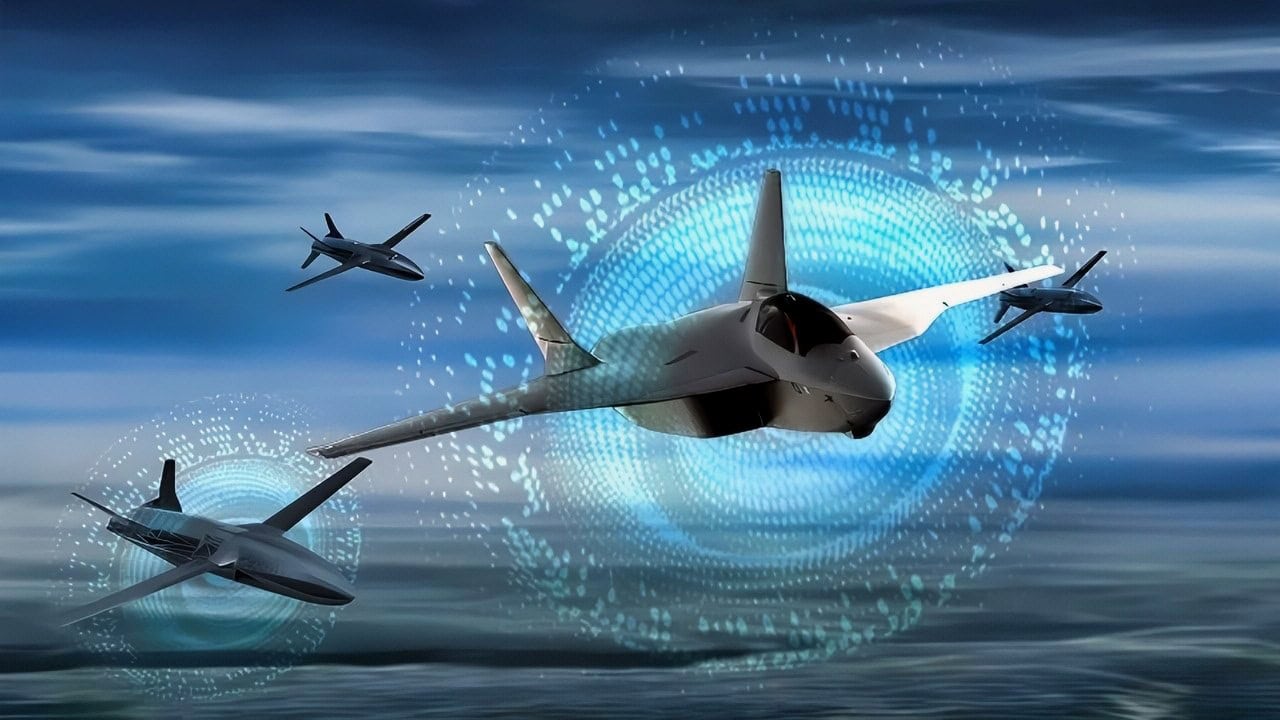
Summary and Key Points: Europe’s FCAS is struggling more with industrial governance than with technology.
-The dispute over design authority has led to deadlock and schedule slippage, as Germany’s post-Ukraine-war focus on deliverable capability and industrial return collides with France’s desire to protect its competitive edge, leaving Spain caught in the middle.
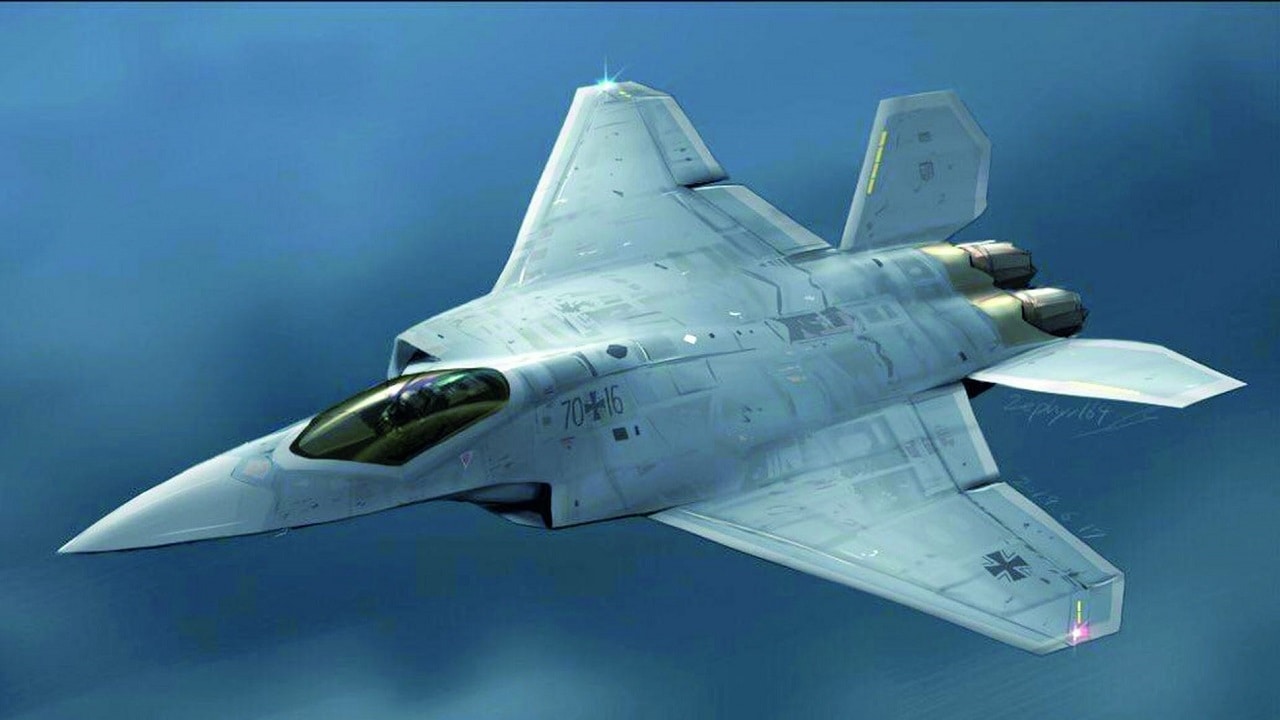
FCAS. Image Credit: Creative Commons.
-If FCAS falters, Europe risks a 2030s–2040s airpower gap and a decline in autonomy, as software, upgrades, and sustainment dictate dependence.
-That leaves a fork: deeper reliance on United States-controlled F-35 ecosystems or a pivot to GCAP.
If FCAS Falters, Europe’s Choice Is Brutal: F-35 Dependence or Global Combat Air Programme
Europe’s flagship sixth-generation fighter effort is faltering, forcing a reckoning about how the continent can build high-end air power.
At stake with the program is more than a jet; it is strategic autonomy, industrial sovereignty, and alliance alignment.
The program asks whether Europe can realistically develop a next-generation combat aircraft independently or will require external partnerships.
The FCAS on paper
The FCAS, or Future Combat Air System (FCAS), was conceived as a Franco-German-Spanish sixth-generation “system of systems,” centered on a new crewed fighter, supported by drones, sensors, and networks.
Backed by massive political ambition and funding commitments, the FCAS was intended to anchor Europe’s air power well into the 2040s.
The FCAS in reality
But the program is in trouble. Germany has signaled the program may continue without a jointly built fighter. The core problem appears to be industrial governance, not technology.
Dassault Aviation sought dominant control over design authority and suppliers while Airbus Defense and Space pushed back, arguing the model undermined genuine cooperation. The result has been years of deadlock, eroded trust, and slipping timelines.
Shifting politics
Germany’s post-Ukraine Zeitenwende has shifted focus from symbolic European integration to hard capability delivery and industrial return. France, meanwhile, buoyed by the success of the Rafale port, became more protective of its competitive edge.
Differing priorities emerged: carrier aviation versus long-range land-based; export openness versus restriction. And with no supranational authority to enforce compromises, the disputes have led to impasses that have now bogged down the entire program.
Pushing for sixth-gen
Modern air combat is becoming more contested, more networked, and more time-compressed. Drivers of the change include expanded A2/AD zones, layered air defenses, cyber and space threats, and massed missile and drone saturation.
An argument emerging among some theorists is that only a system-of-systems platform can survive and command in this increasingly difficult battlespace. Enter the sixth-generation fighter—not just a stealth fighter but a command node, sensor fusion hub, and orchestrator of crewed-uncrewed teaming.
The design emphasis is on survivability through networking (not armor), range and persistence, and electromagnetic dominance. Without such a platform, air superiority is likely to becoming increasingly fragile and ineffective.
Strategic consequences of FCAS
If FCAS collapses, Europe faces a looming capability gap in the 2030s and 2040s. No single European state can afford or manage sixth-generation development alone, which leaves two broad options.
The first is a deeper reliance on the United States. The second is diversified partnerships beyond Europe.
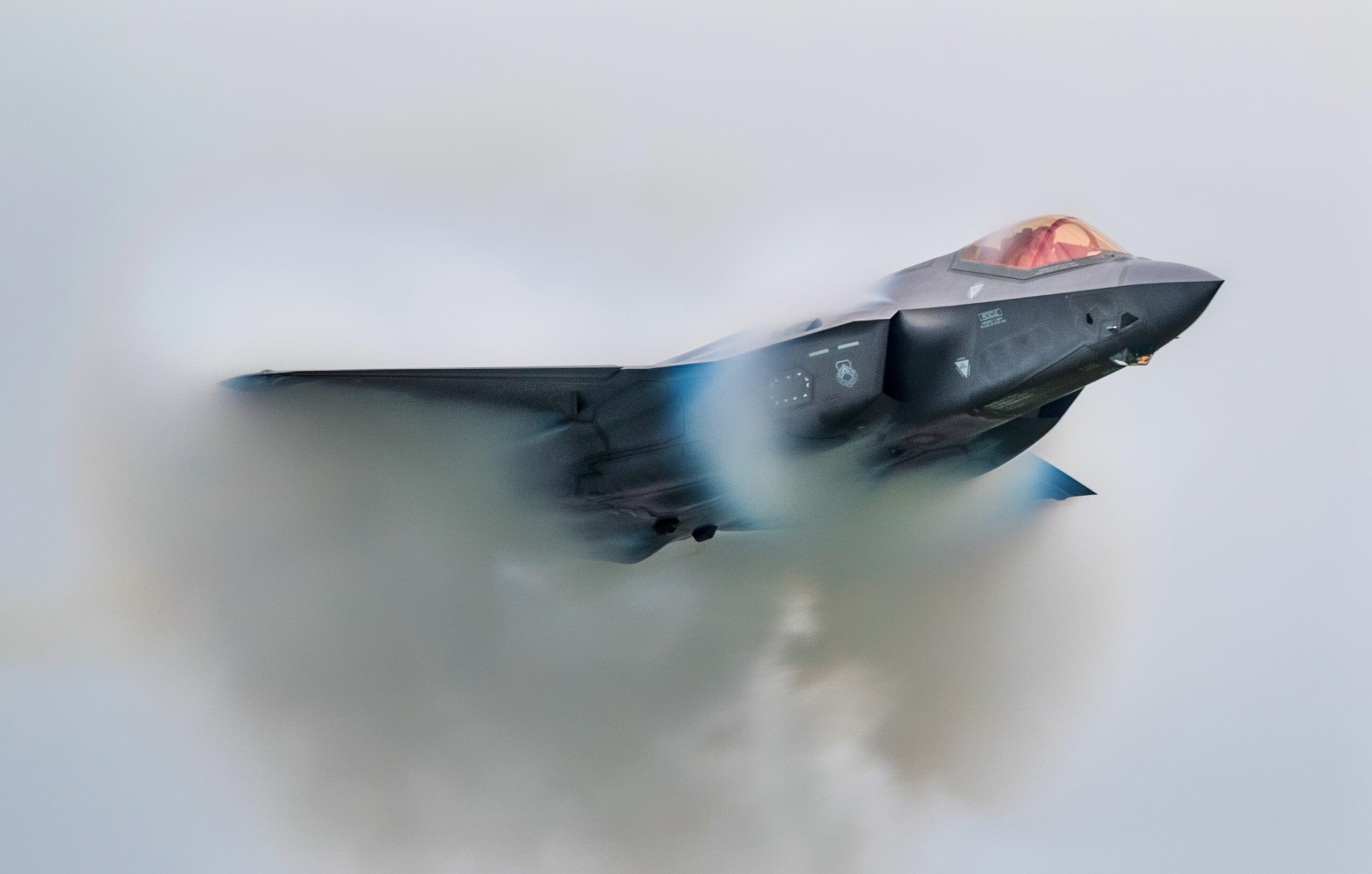
Capt. Andrew “Dojo” Olson, F-35 Demo Team pilot and commander performs aerial maneuvers during the Aero Gatineau-Ottawa Airshow in Quebec, Canada, Sept. 7, 2019. The team consists of 10 Airmen who help showcase the world’s most technologically advanced fifth-generation fighter jet. (U.S. Air Force photo by Senior Airman Alexander Cook)
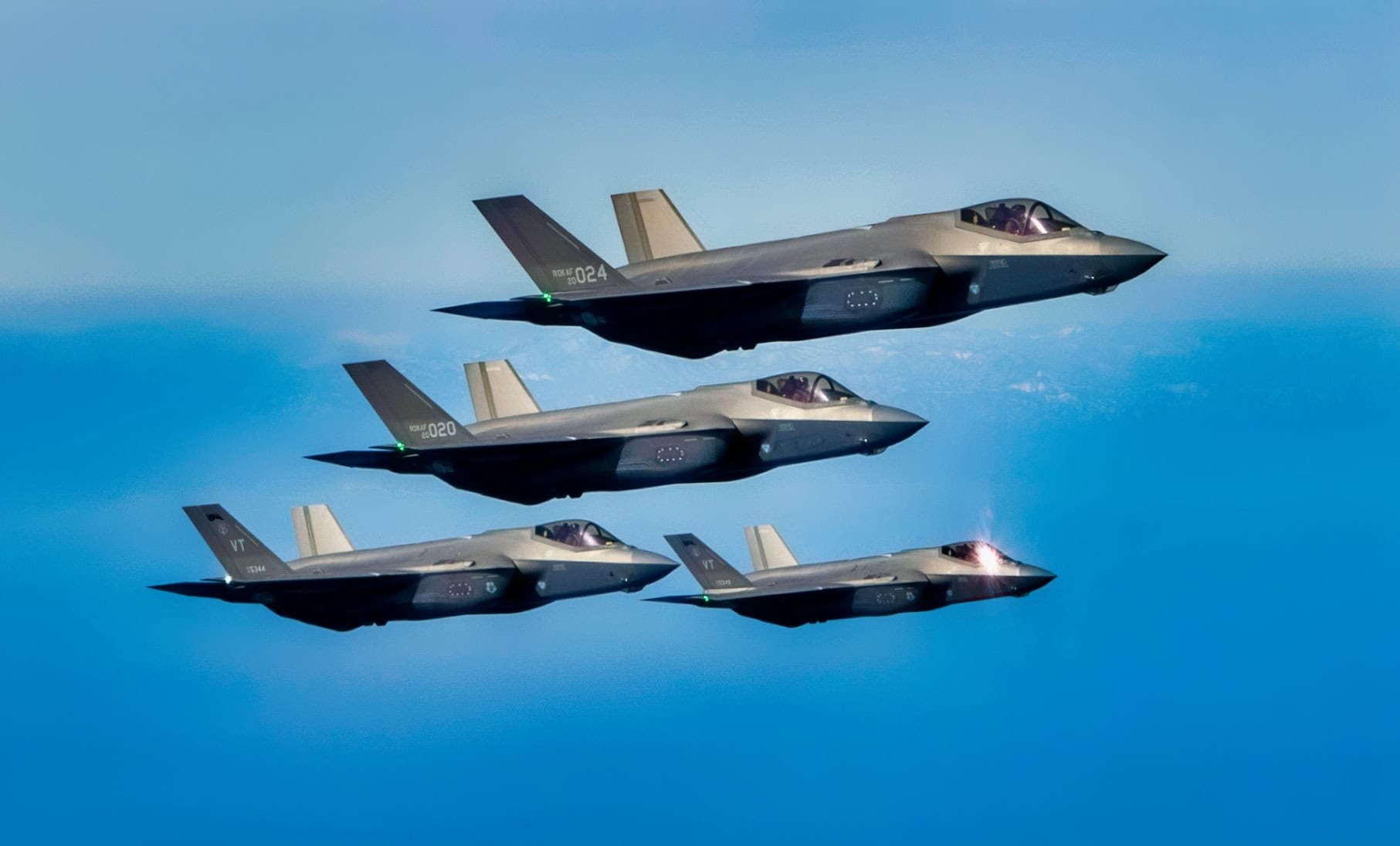
Two U.S. Air Force F-35A Lighting IIs fly in formation with two ROKAF F-35As during Freedom Shield 25, a defense-oriented exercise featuring live, virtual, and field-based training, March 13, 2025. The aircraft participated in dynamic targeting and aerial refueling training, validating the capability of ROK and U.S. Air Forces, to find, fix, and defeat a range of threats. (Photo courtesy of Republic of Korea Air Force)
Option one, specifically, would be a default to the fifth-generation F-35 Lightning II. The US-made F-35 would offer European nations an immediate fifth-generation upgrade, that would deepen NATO interoperability with a proven combat system. But this option comes with strategic tradeoffs, namely, US control over software, upgrades, and sustainment; long-term dependency on American political decisions; limited European sovereignty over core combat functions.
Option two would constitute a shift towards the Global Combat Air Programme (GCAP), the UK-Japan-Italy effort that aims to field a sixth-generation fighter by the mid-2030s. GCAP is seen as offering clearer leadership, tighter industrial alignment, and faster decision-making. Germany has already been floated as a potential future partner.
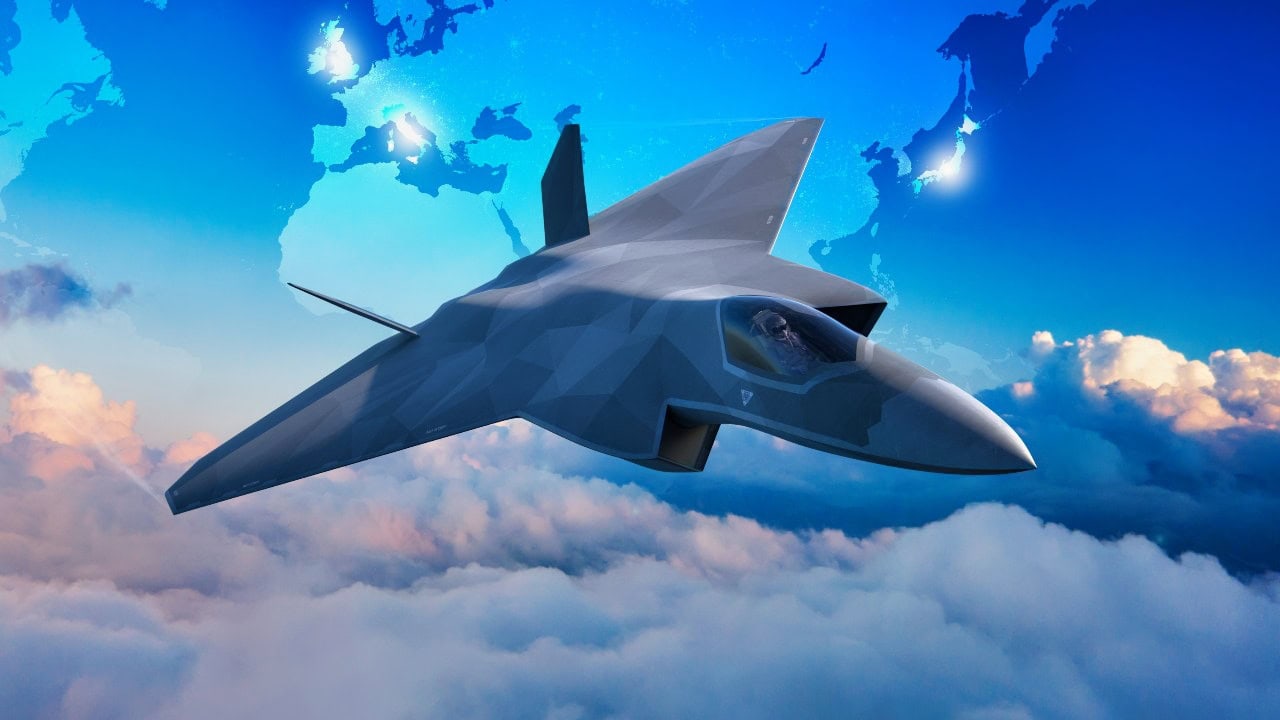
GCAP. Image Credit: Industry Handout.
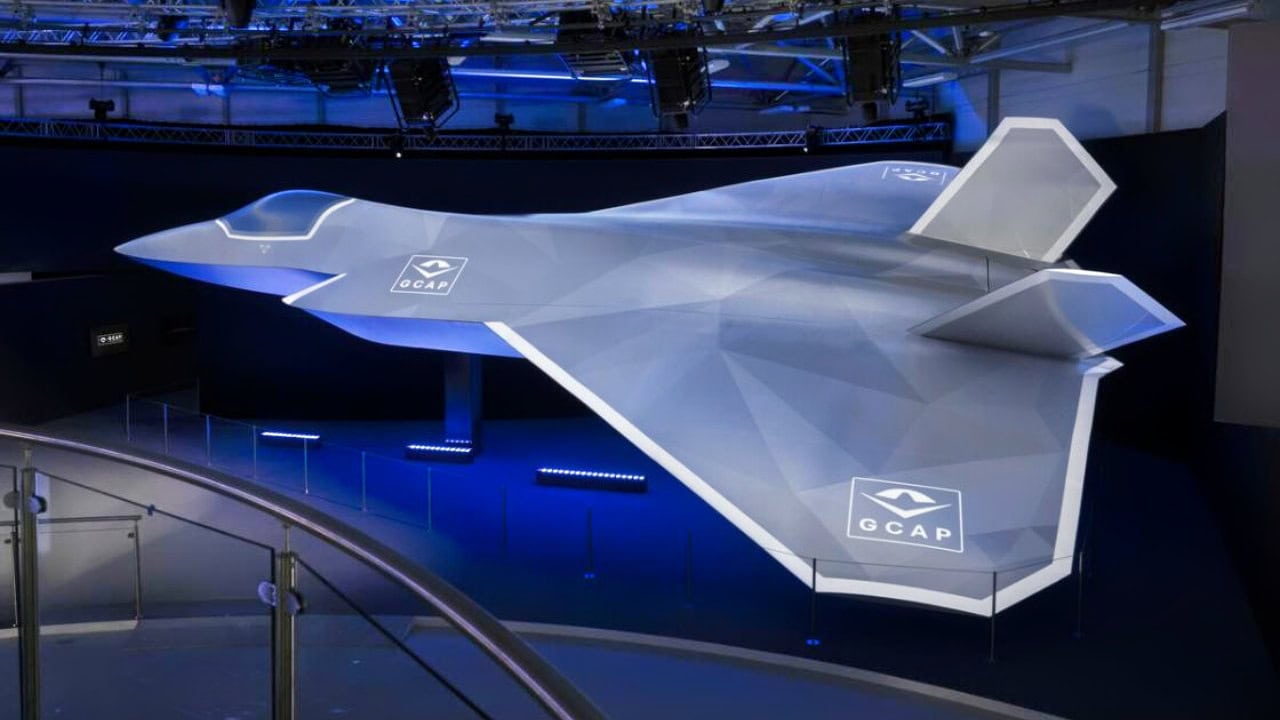
GCAP 6th Generation Fighter
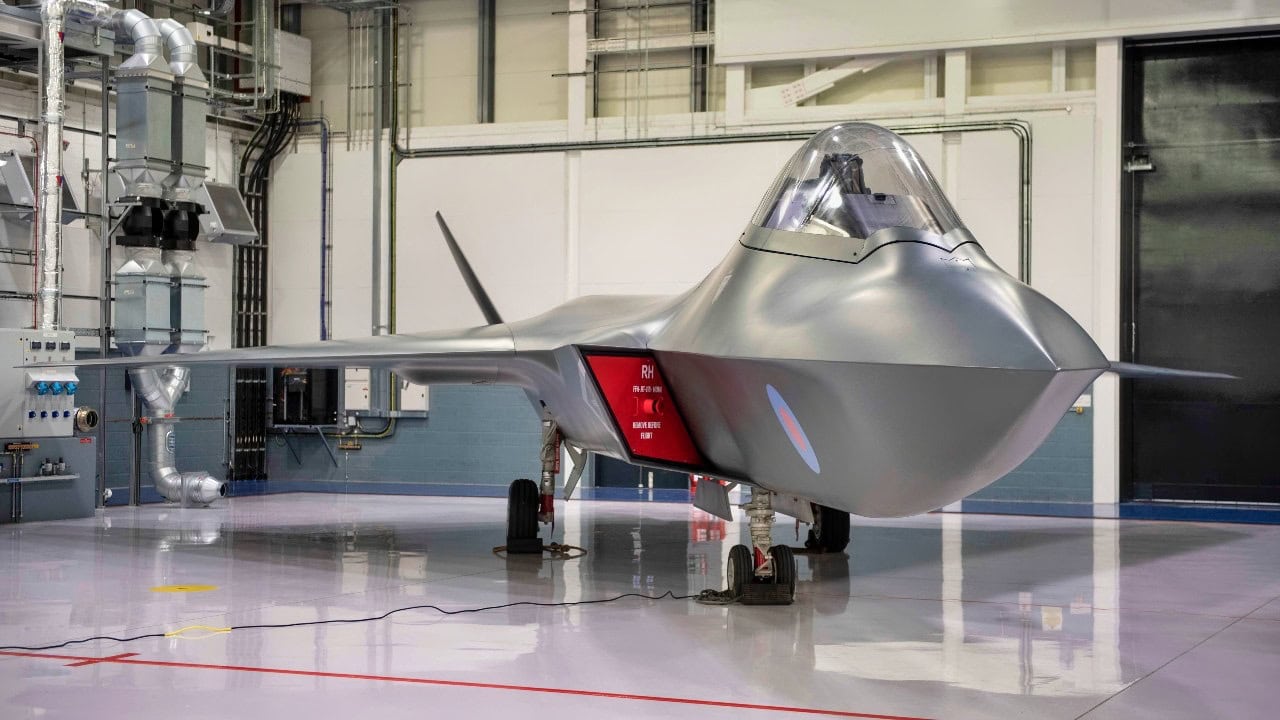
Image of the UK’s concept model for the next generation jet fighter “Tempest”, which was unveiled by Defence Secretary, at Farnborough International Air Show back in 2018.
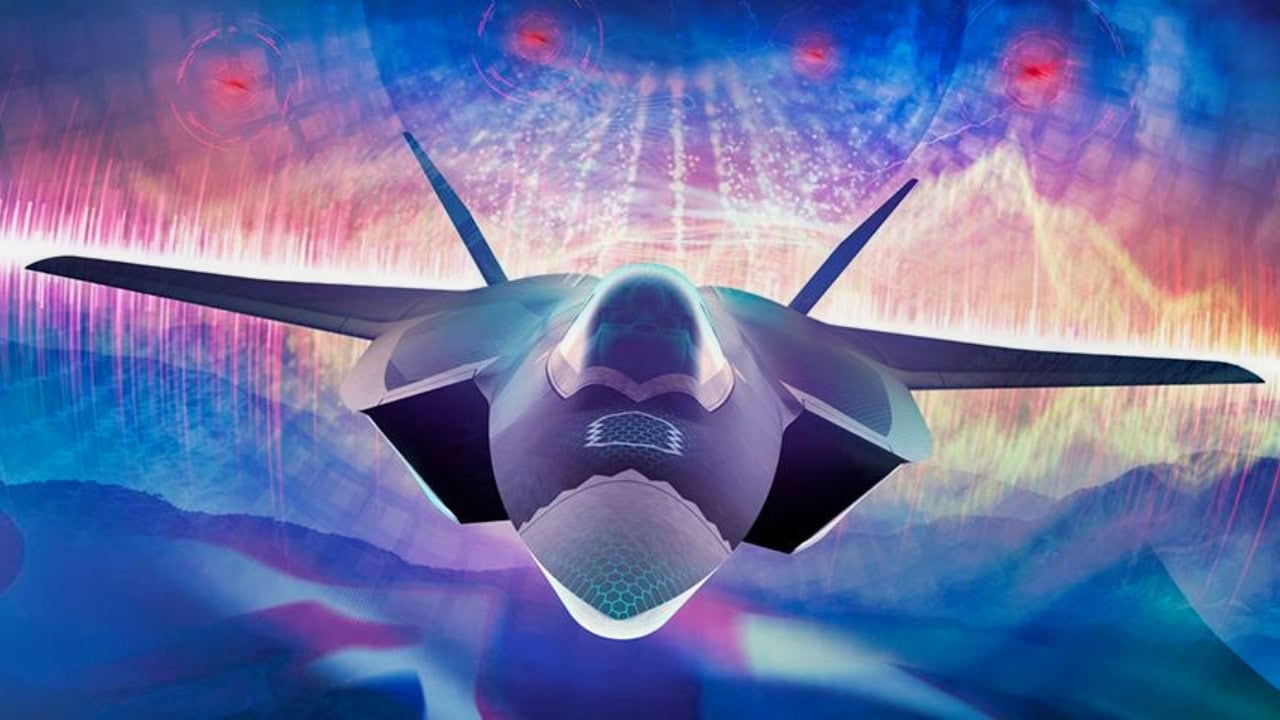
GCAP Fighter. Industry Handout Image.
GCAP would create a bridge between European and Indo-Pacific defense industries, where shared development could enhance interoperability across theaters, hedge against US force rebalancing in Asia, and strengthen resilience in a Taiwan-centric contingency.
GCAP buy-in would signal a shift from purely Atlantic defense thinking. But over-expanding GCAP risks governance complexity and a lowest-common-denominator design. And Japan, facing more urgent regional threats, may be inclined to resist dilution of the product and its individual priorities.
A fork in the road
Europe’s FCAS problem is not about ambition but about institutional shortcomings. High-end defense programs require clear leadership, enforceable governance, and alignment between political rhetoric and industrial incentives. Without those, European autonomy remains aspirational.
FCAS has exposed limits in Europe’s defense-industrial model. Europe will now need to choose between dependence on U.S. air power and deeper integration with Indo-Pacific partners.
Either path reshapes alliance politics across two theaters, carrying significant geopolitical consequences, making the sixth-generation fighter a question not just of air power but of who Europe trusts to underwrite its security for the next generation.
About the Author: Harrison Kass
Harrison Kass is an attorney and journalist covering national security, technology, and politics. Previously, he was a political staffer and candidate, and a US Air Force pilot selectee. He holds a JD from the University of Oregon and a master’s in global journalism and international relations from NYU.