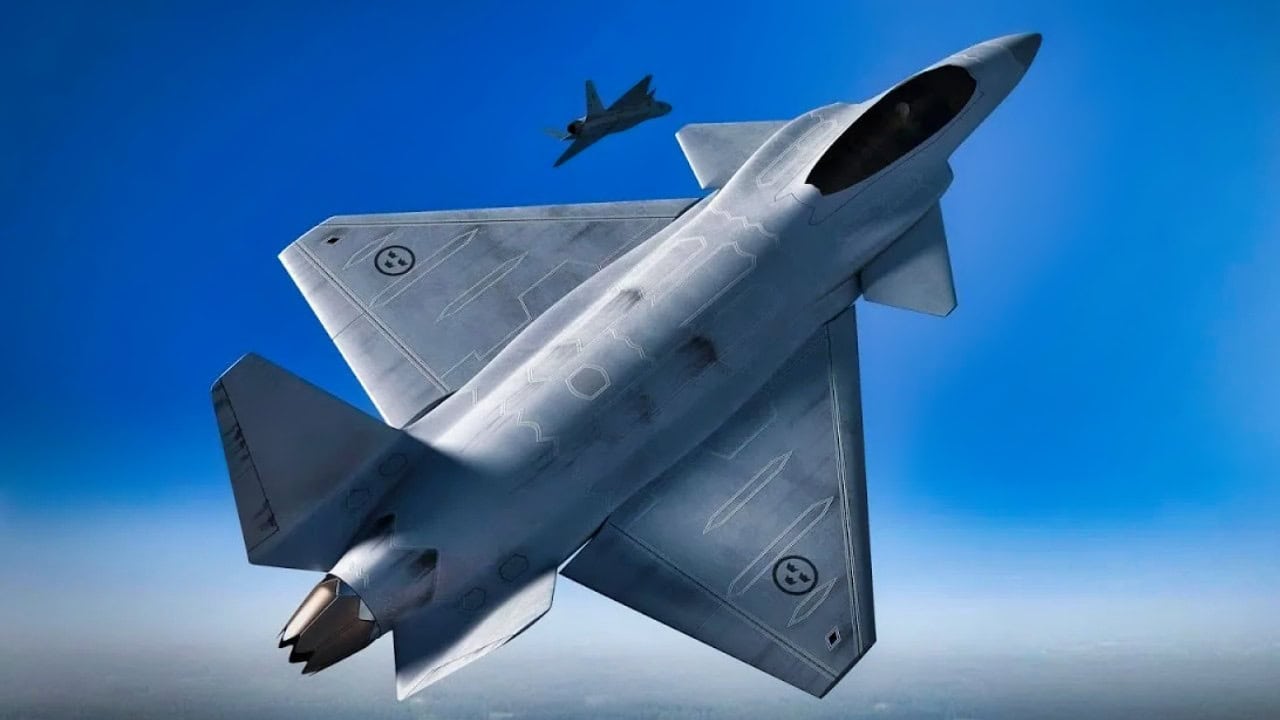
Key Points and Summary – Saab CEO Mikael Johansson has confirmed that the Swedish defense giant is considering a direct collaboration with Airbus on the Future Combat Air System (FCAS) sixth-generation fighter program.
-This partnership aims to combine Saab’s expertise in rapid prototyping and electronic warfare—already proven by the selection of its Arexis system for German Eurofighters—with Airbus’s massive production scale.
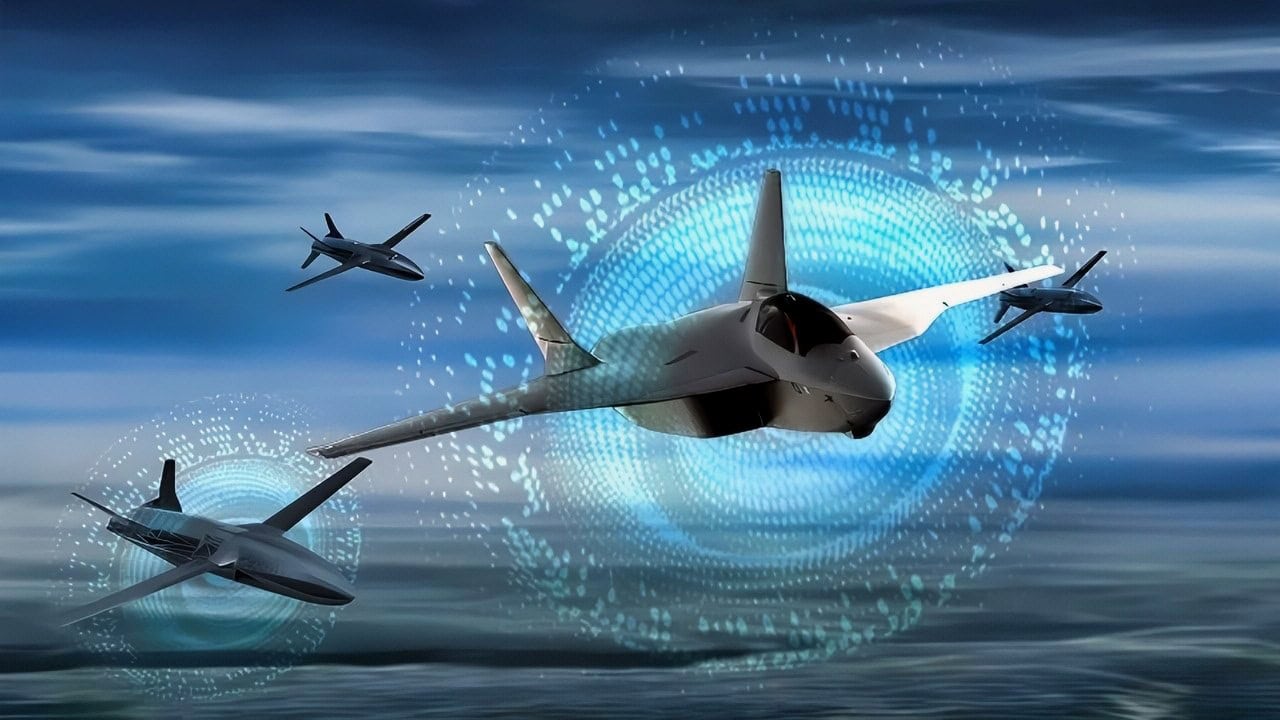
FCAS. Image Credit: Industry Handout.
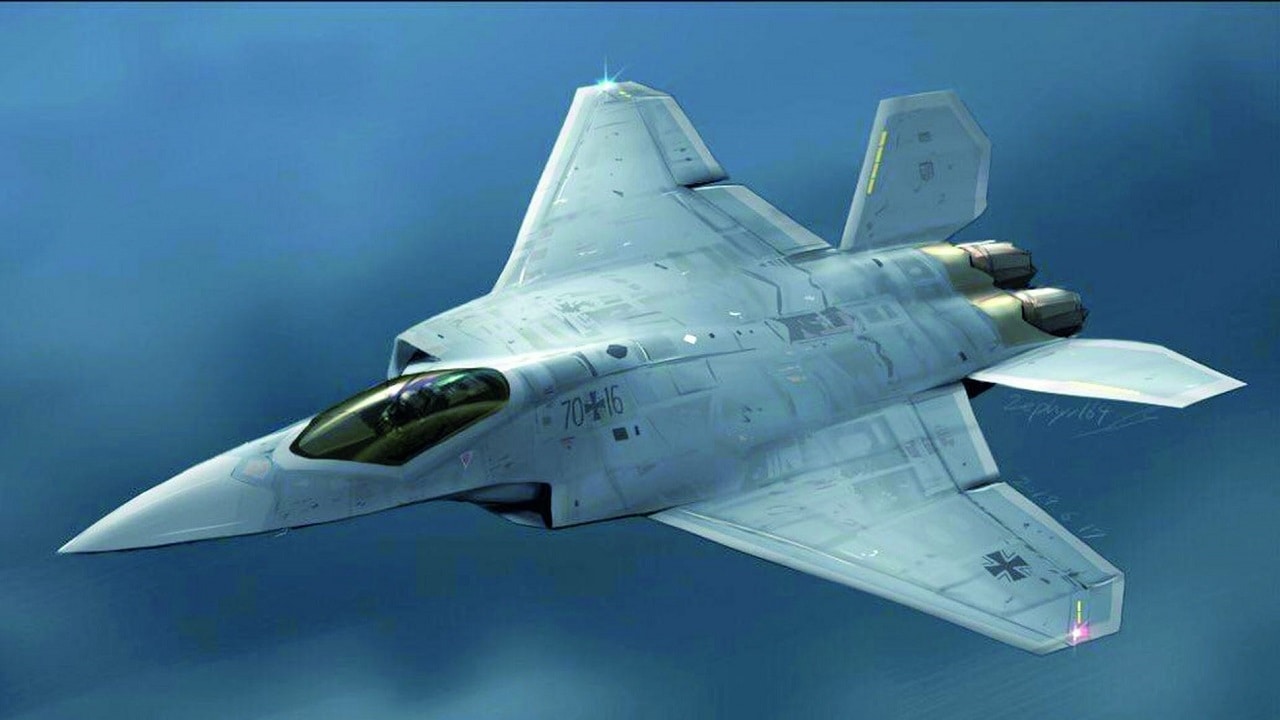
FCAS. Image Credit: Creative Commons.
-While negotiations reportedly began in October 2025 covering both manned fighters and unmanned “Collaborative Combat Aircraft,” potential conflicts remain regarding design philosophy, as Saab traditionally favors lightweight, single-engine jets compared to the heavyweight, twin-engine vision for FCAS.
FCAS and Saab Joining Forces?
Swedish defense conglomerate Saab is considering direct cooperation with Airbus Defence and Space to develop a next-generation combat aircraft.
Saab CEO Mikael Johansson shared that news during an interview with the Frankfurter Allgemeine Zeitung newspaper.
Such a collaboration may be an optimal solution for both parties.
Sweden has finite financial resources that make it difficult to develop a sixth-generation fighter by itself.
In Germany’s case, continuing the Future Combat Air System (FCAS) project with only Spain as a partner could create technological bottlenecks in the R&D phase.
Saab’s CEO emphasized that the company has fluency with all the relevant technologies and competencies required to create a new-age combat aircraft. He added that Saab and Airbus share “strong relations” in the fields of aerospace and defense equipment.
Johansson added that cooperation with Airbus could not occur at the expense of the technological or industrial capacities of either partner. He also said unqualified political support would be needed for the program to succeed.
The Best of Both Companies
Saab sees cooperation that brings in the expertise of multiple companies as essential for a program such as the FCAS. Saab has historically developed light combat aircraft with low costs per flight hour and has a demonstrated skill with rapid prototyping.
The latter was seen during the development of the JAS-39A/B, C/D, and E/F variants, but also in the company’s partnership with Boeing for the T-7A Redhawk jet trainer. Saab’s expertise in computer-aided design and manufacturing was the basis for the development of a “digital twin” during the concept-definition phase.
During the early design iterations, that tool enabled rapid development and streamlined assembly. This significantly reduced the hours required for the initial concept phases, as well as the costs for development.
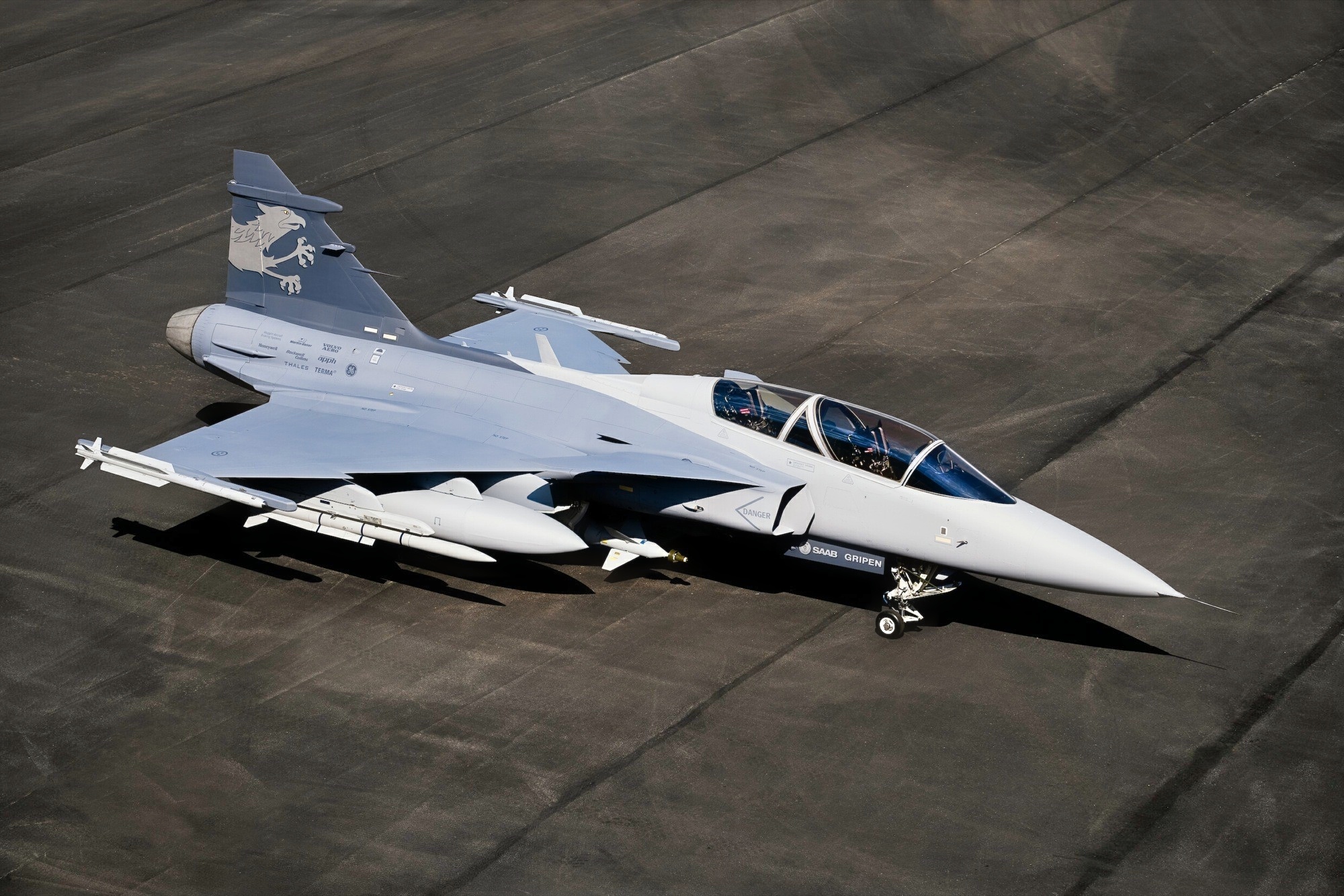
JAS 39 Gripen. Image Credit: Creative Commons.
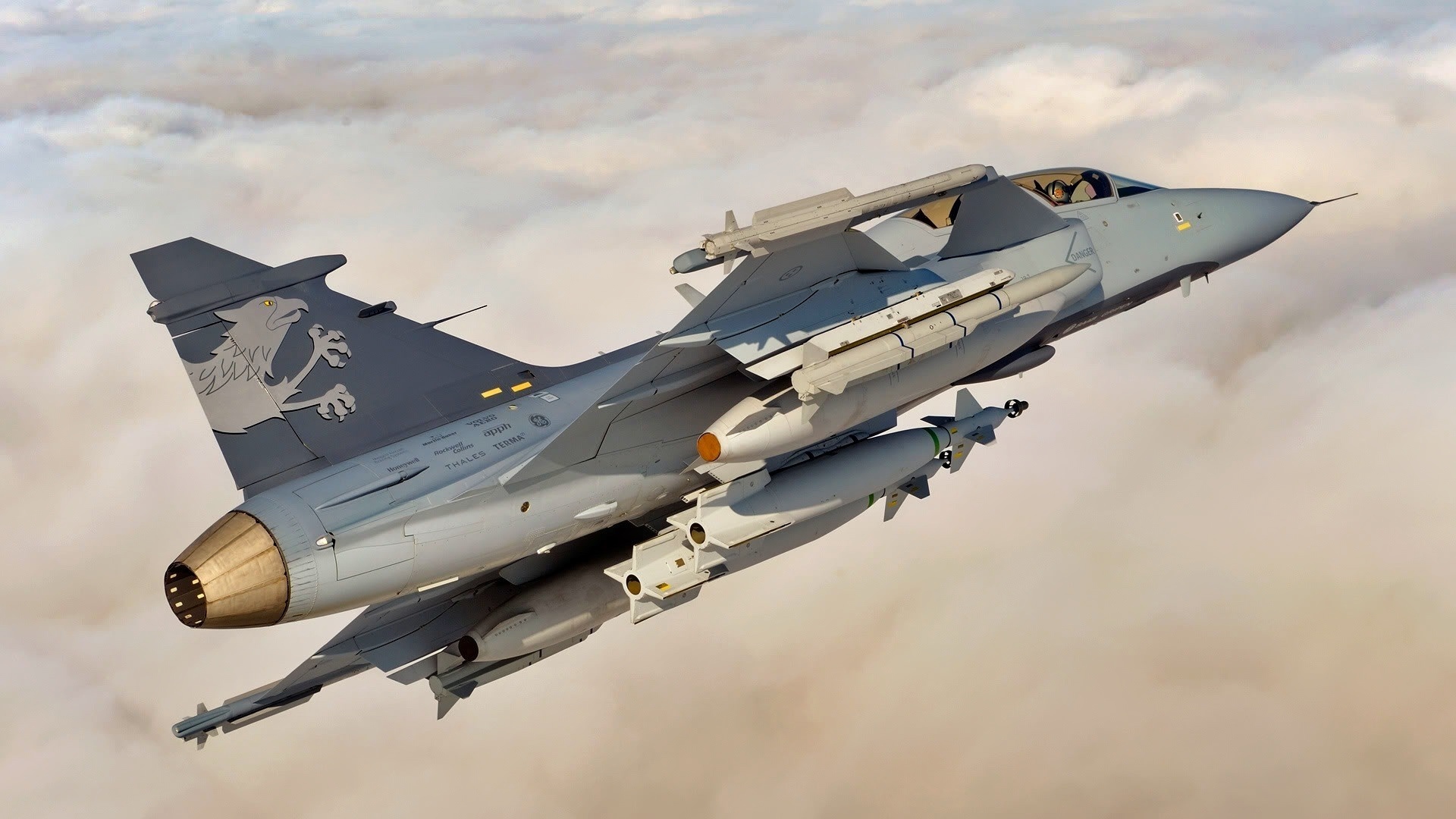
JAS 39. Image Credit: Creative Commons.
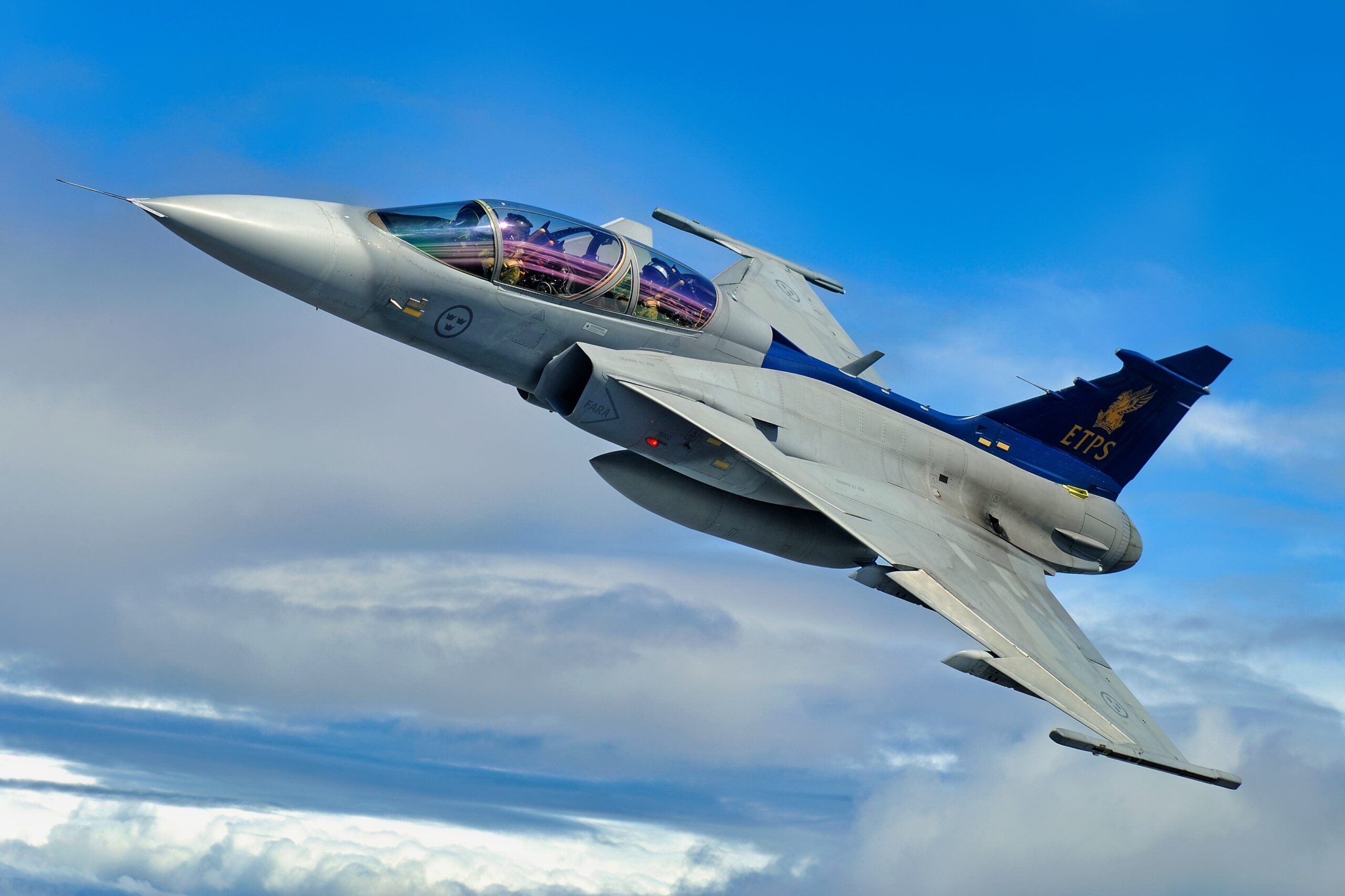
JAS 39 Gripen Fighter from Sweden. Image Credit: Creative Commons.
What Airbus brings to the table is a far-flung network of design and production facilities that have been in place for decades now to support production of airliner aircraft, the Tornado, the Eurofighter, F-35 production activities in Europe, etc. With these resources, the FCAS could be produced at scale.
Prospects for Cooperation
While cooperation on FCAS might or might come to pass, the two companies have cooperated before, demonstrating how specific Saab’s expertise can support the mission of Airbus’s product lines.
One of Swedish industry’s strengths is in electronic warfare (EW). The Saab Arexis EW system was selected and procured by Germany for its Eurofighter modernization program. This contract with Airbus solidified the relations and cooperation between the two.
Negotiations have reportedly been underway since October 2025. Discussions concern not only development of a conventional manned fighter, but also Collaborative Combat Aircraft (CCA)—unmanned systems to be built in parallel with the FCAS. Work on the CCA is scheduled to begin soon, with the initial operational capability scheduled for sometime in 2032.
Saab and Airbus have many potential avenues for productive cooperation. The greatest obstacle might be that the two companies have histories designing very different types of aircraft. Saab has long specialized in small, single-engine, inexpensive to operate, lightweight fighters such as the JAS 39 Gripen that can be operated off-base and on highway airstrips in time of war.
The FCAS, on the other hand, has been proposed as a much larger, heavyweight, twin-engine fighter that will act as a battlespace manager to control a number of smaller aircraft.
It is not clear how those two ideas could be reconciled into a joint design concept.
About the Author: Reuben F. Johnson
Reuben F. Johnson has thirty-six years of experience analyzing and reporting on foreign weapons systems, defense technologies, and international arms export policy. Johnson is the Director of Research at the Casimir Pulaski Foundation. He is also a survivor of the Russian invasion of Ukraine in February 2022. He worked for years in the American defense industry as a foreign technology analyst and later as a consultant for the U.S. Department of Defense, the Departments of the Navy and Air Force, and the governments of the United Kingdom and Australia. In 2022-2023, he won two awards in a row for his defense reporting. He holds a bachelor’s degree from DePauw University and a master’s degree from Miami University in Ohio, specializing in Soviet and Russian studies. He lives in Warsaw.