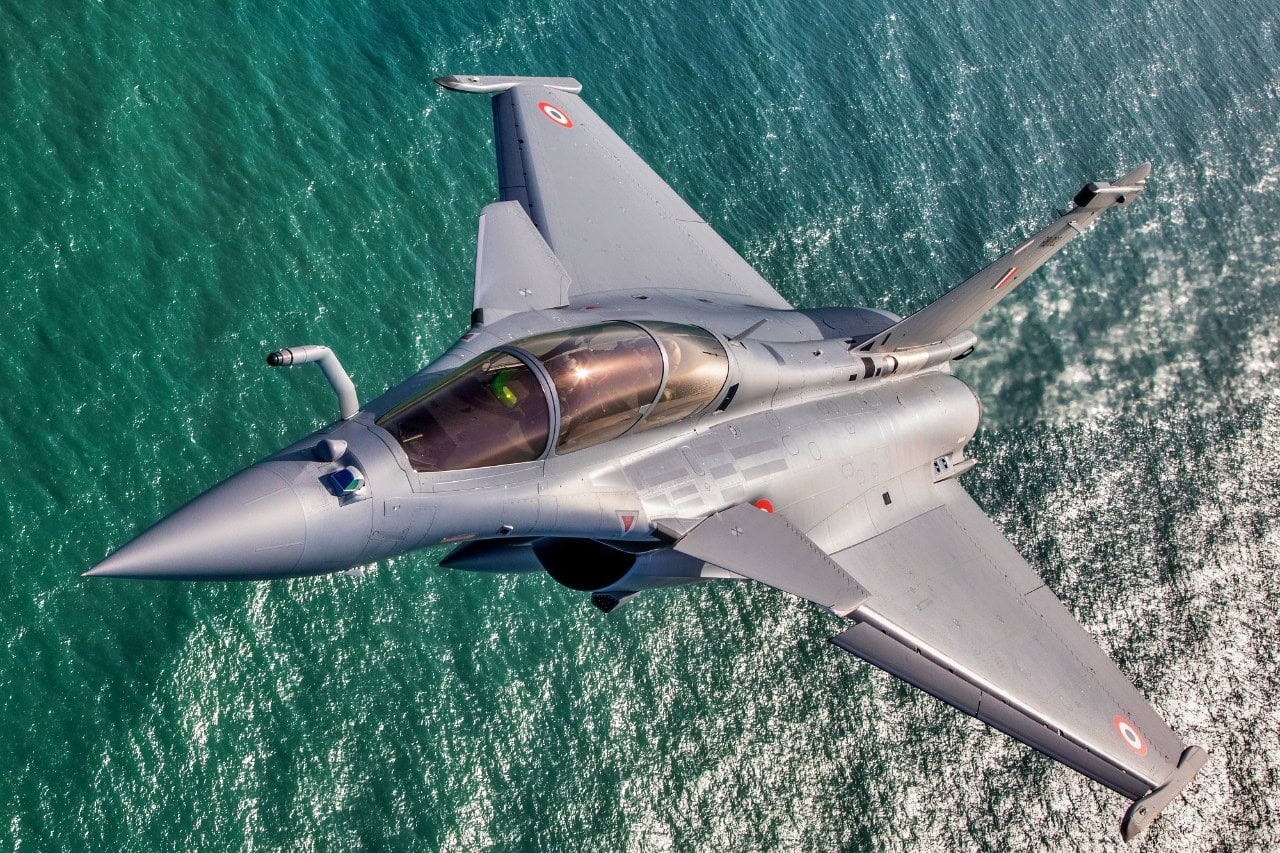
Key Points and Summary – Europe’s Future Combat Air System was supposed to be the next-generation backbone of European airpower, led by France’s Dassault on the fighter and Airbus on the “combat cloud.”
-Instead, FCAS risks becoming another multinational debacle.
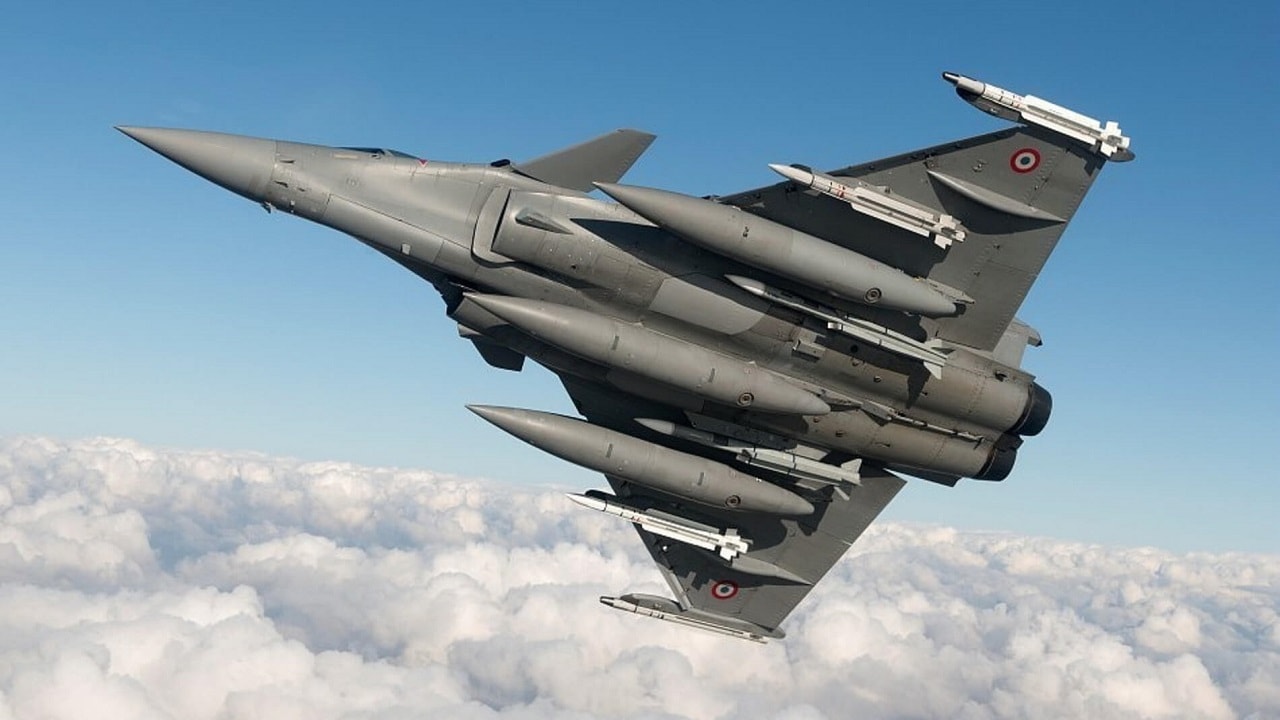
Dassault Rafale F3-R. Image Credit: Creative Commons.
-Old tensions have resurfaced: France can go it alone on a new jet, but Germany cannot, and the partners are deadlocked over workshare, control, and industrial roles just as key milestones slip.
-With Spain and Belgium now in the mix, one emerging fallback is to drop the fighter pillar altogether and salvage only a shared combat cloud, leaving Europe with multiple jets but one network.
Why FCAS May Become Another European Debacle
When it was announced that France’s Dassault and Germany’s Airbus Military would join forces to develop Europe’s Future Combat Air System (FCAS), there were plenty of skeptics who said, “We have been here before, and it didn’t work out very well.” This is how France ended up in the 1980s, going its own way to develop the Dassault Rafale, while Germany, the UK, Spain, and Italy cooperatively designed and built the Eurofighter.
So, when, earlier this month, it was announced that the two were at loggerheads and the program was in danger of collapsing, it was not much of a surprise to those of us who observed the whole “United European Fighter Program” drama the last time.
And it was not the first instance of France being unable or unwilling (or both) to join a multinational combat aircraft development and production effort.
As an article from this Autumn points out, “France has a reputation for being a somewhat unpredictable partner in joint European fighter jet development programs; case in point: the Panavia Tornado & Eurofighter Typhoon.”
“In the 1960s, France parted ways with the UK by quitting the Panavia Tornado joint fighter jet development program. Following France’s withdrawal in July 1967, the UK was forced to seek new international partners to realize the project.”
Fast Forward to FCAS
France never joined the Tornado program and went on to develop the Mirage 2000 in several variants. Commercially, the Mirage had a reasonably positive record with over 600 built and with the aircraft still in service with the nations that have purchased it.
Despite being in what could be described as its sunset years, the aircraft has nonetheless achieved one of the most notable combat records among Western fighters donated to Ukraine.
France has an enviable record of aircraft development, so it is not surprising that Dassault was tasked with developing the fighter aircraft “pillar” of the FCAS program, with the other partners working on the “combat cloud” pillar.
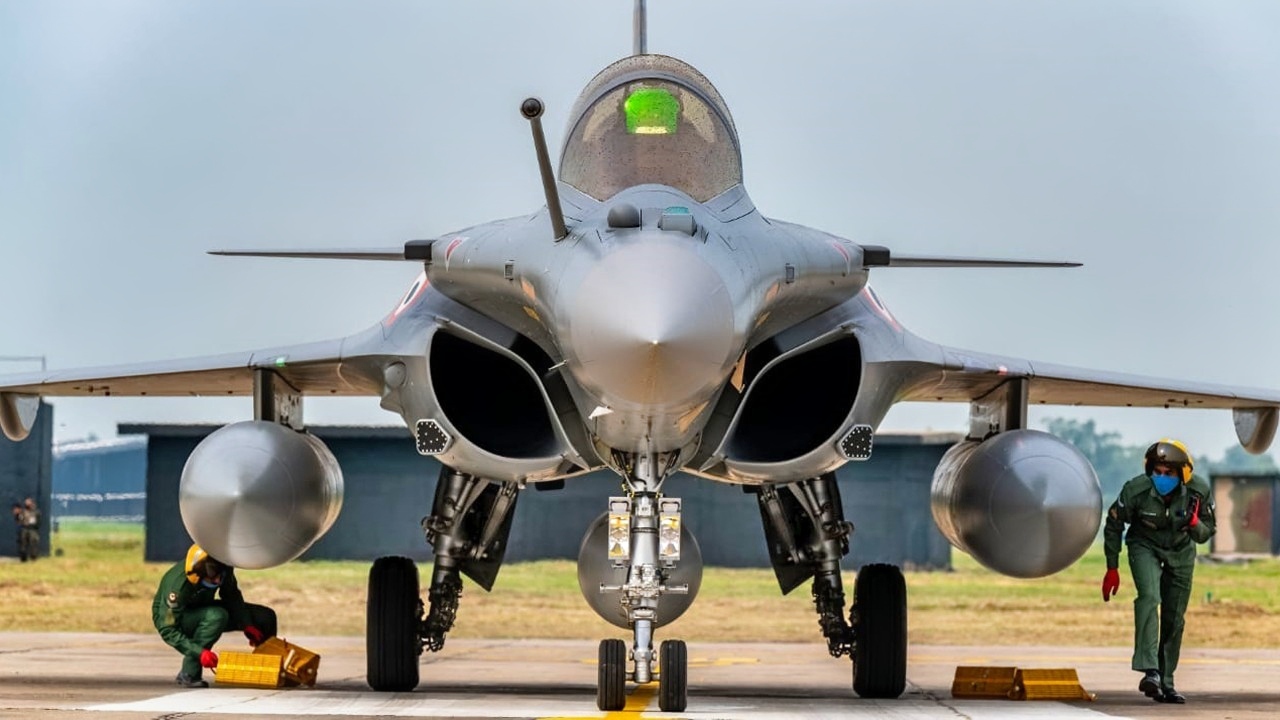
Dassault Rafale Fighter. Image Credit: Creative Commons.
Skipping past the Dassault Rafale and Eurofighter chapters of history between these two nations, we land in the present, where the French and German major partners are now locked in disagreement over the roles the two will play in the FCAS program. Complicating the interactions are the newly added parties with FCAS. Spain is now a full member, and Belgium is also on board as an observer.
In the meantime, the program’s timetable marches on, and the previously agreed program milestones look almost unrealistic in light of how it has stalled.
France and Germany awarded Dassault and Airbus a Phase 1A contract in February 2020. This contract was to start the demonstrator aircraft phase of the FCAS program, with a prototype fighter flying with a new-generation engine as early as 2026.
FCAS then progressed to the Phase 1B part of the program in March 2023 and was expected to reach Phase 2. This is the part of the program during which the demonstrator aircraft would be built, by no later than mid-2026.
Germany’s Dilemma
The Germans now have several issues about to intersect that would impact how and if they move forward and remain part of the FCAS program.
The overarching problem at the moment for Berlin is that while Dassault in France is perfectly capable of going it alone (again) on developing the next-generation fighter, German industry does not have this luxury.
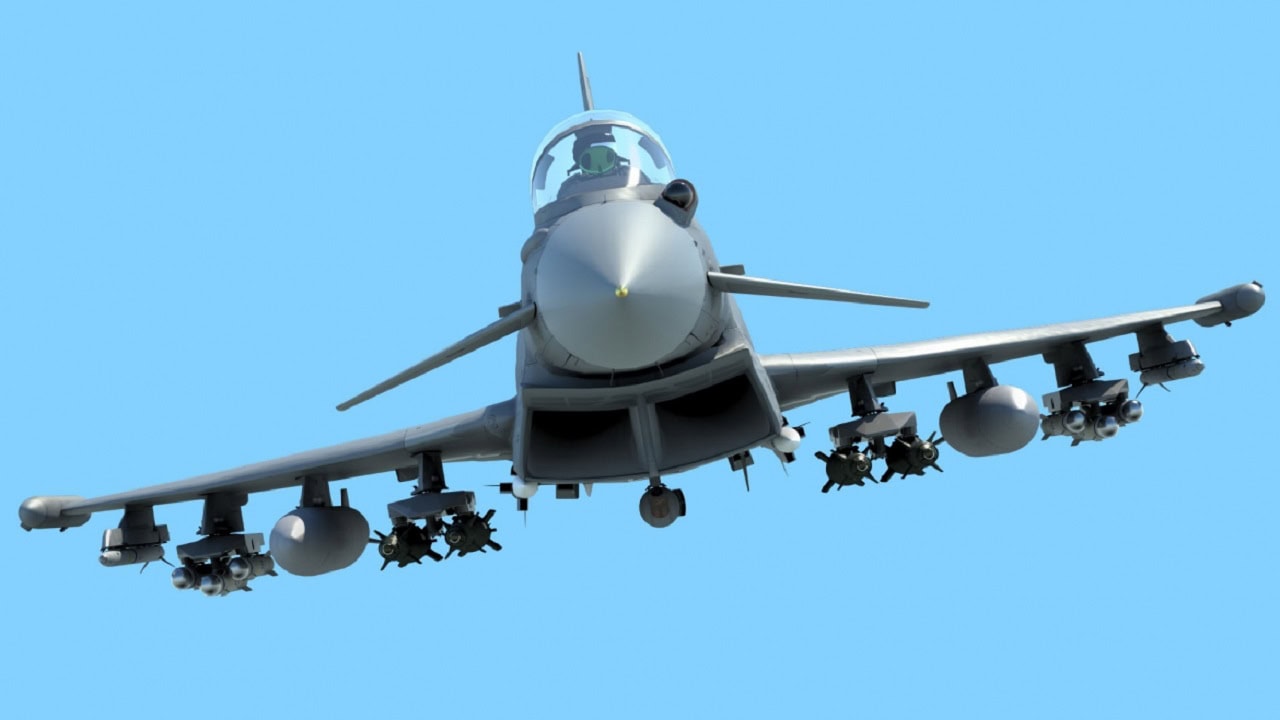
Typhoon fitted with the common launcher (computer generated image: for illustrative purposes only)
All available evidence suggests that, despite rhetoric to the contrary, Germany would have difficulty developing an entirely new next-generation fighter aircraft on its own, to the point that the two partners are discussing dropping the fighter jet part of the effort and instead focusing on the “combat cloud” section of the program.
What might be the consequence if there is no agreement on the design and manufacturing of the next-generation fighter jet is that the “cloud” might be the only part of the FCAS to survive. The program ends up a “cats and dogs” mix of several different fighters.
“We can live with several jets in Europe, but we need one cloud system for all of them,” said one European industry official involved in the deliberations. A second industry executive close to the issue said, “All the other elements [of FCAS] are working well. Why would we stop doing that? There is no need for FCAS to founder completely — there is a need for a combat cloud system.”
A third person close to the project said focusing solely on the cloud system might imply rethinking some aspects of it, such as “speeding up the timeline to 2030, from 2040”.
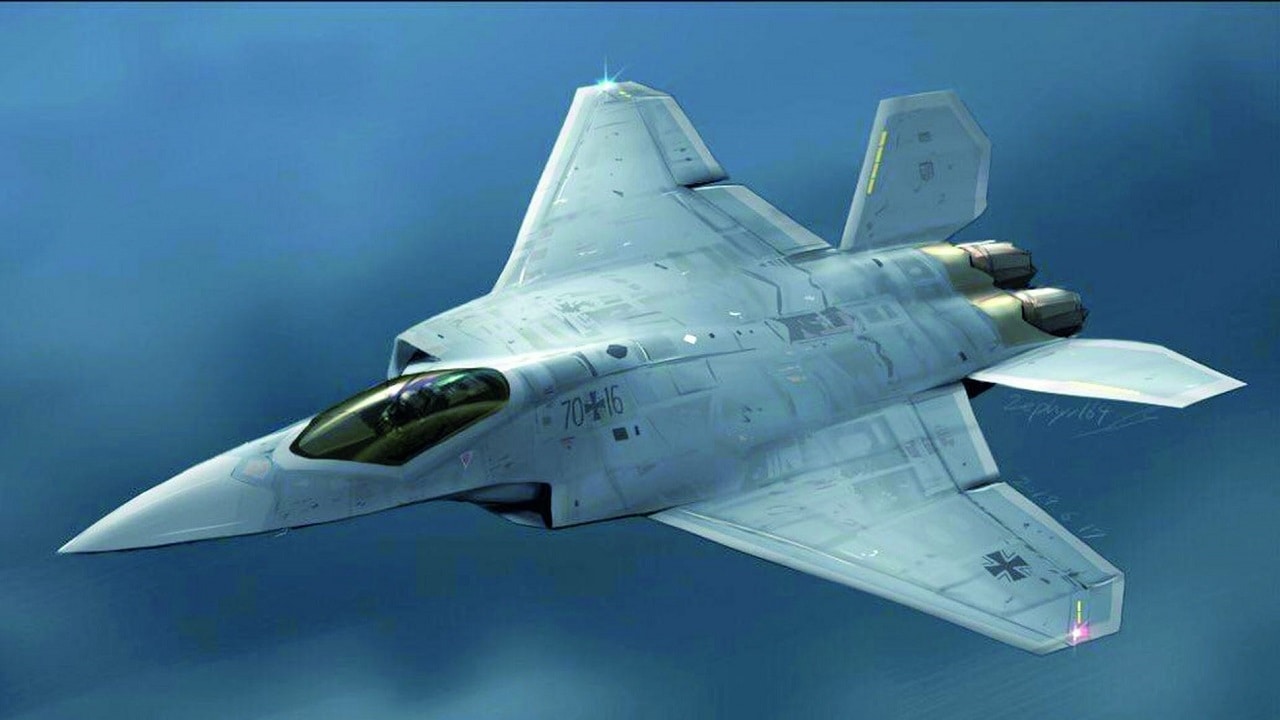
FCAS. Image Credit: Creative Commons.
About the Author: Reuben F. Johnson
Reuben F. Johnson has thirty-six years of experience analyzing and reporting on foreign weapons systems, defense technologies, and international arms export policy. Johnson is the Director of Research at the Casimir Pulaski Foundation. He is also a survivor of the Russian invasion of Ukraine in February 2022. He worked for years in the American defense industry as a foreign technology analyst and later as a consultant for the U.S. Department of Defense, the Departments of the Navy and Air Force, and the governments of the United Kingdom and Australia. In 2022-2023, he won two awards in a row for his defense reporting. He holds a bachelor’s degree from DePauw University and a master’s degree from Miami University in Ohio, specializing in Soviet and Russian studies. He lives in Warsaw.