
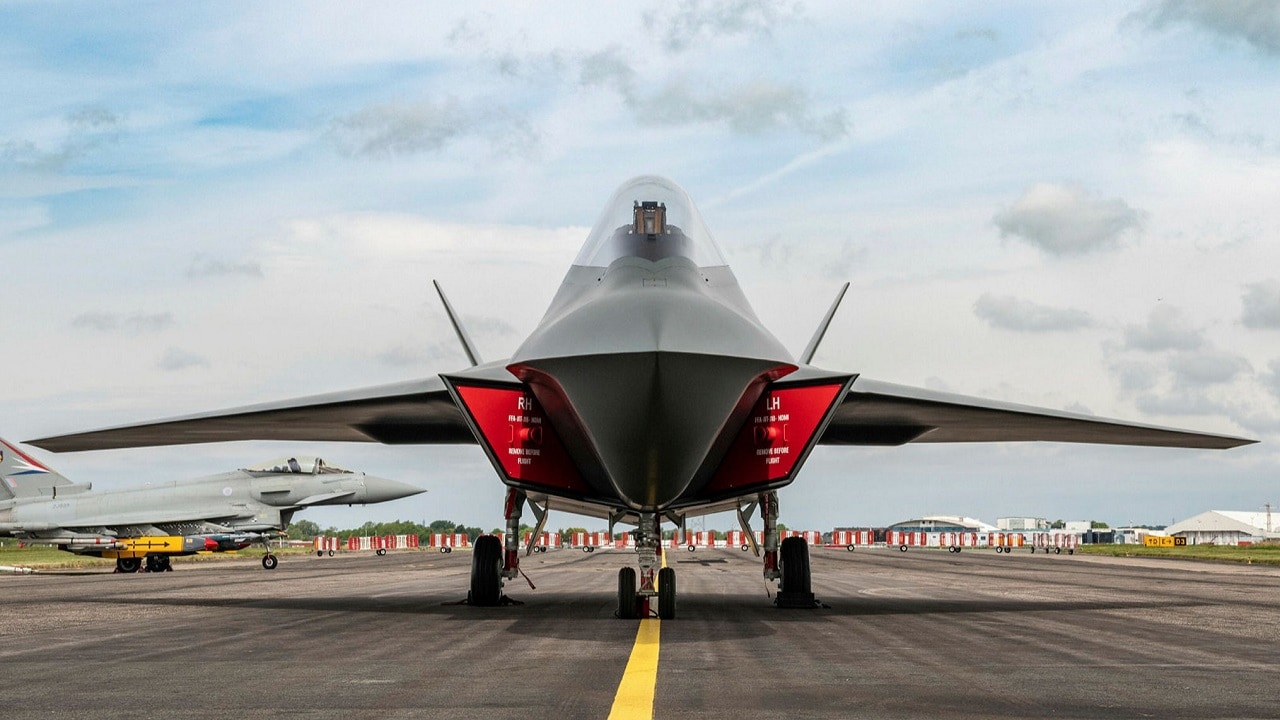
Key Points and Summary – Europe and key allies are already looking past fifth-generation aircraft toward what comes next: a sixth-generation fighter “family of systems” built for stealth, AI-enabled sensing, and unmanned teaming. The leading effort is the Global Combat Air Programme (GCAP), launched by the UK, Italy, and Japan in late 2022 and rooted in Britain’s earlier Tempest work.
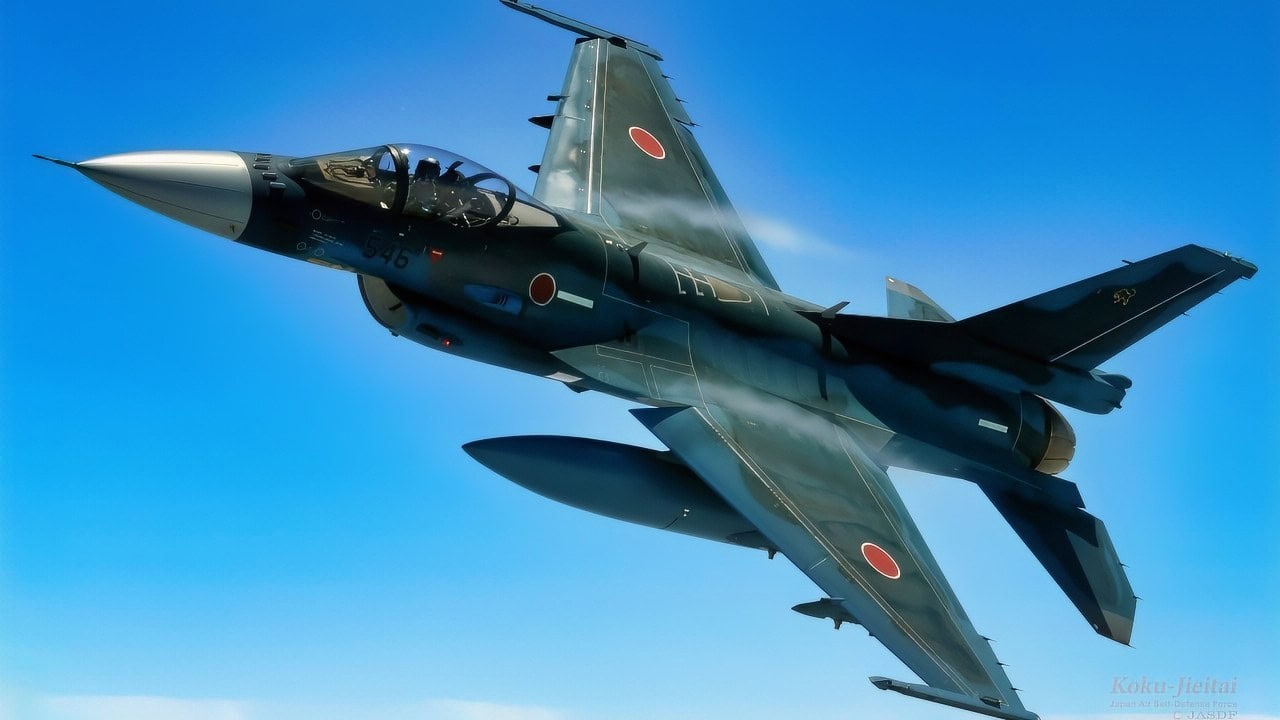
Mitsubishi F-2 Fighter for Japan.
-GCAP aims to deliver a new aircraft by the mid-2030s to replace platforms such as the Eurofighter Typhoon and Japan’s F-2, while reducing reliance on foreign restrictions and preserving domestic aerospace capacity.
-Success depends on governance discipline, timelines, and preventing requirement creep.
Tempest Is Gone, GCAP Is Here: The 3-Nation Jet Built to Replace Typhoon and Japan’s F-2
Western air forces are grappling with a significant question: what comes after the fifth-generation fighter, and who will build it? As Lockheed Martin’s F-35 fifth-generation fighter jet remains the focus of much debate about its future in Europe, Western leaders are also looking toward the next generation of fighter jets and working to determine precisely what that platform might look like, who will build it, and how it will be rolled out across the continent.
At present, the most promising program is the Global Combat Air Programme (GCAP) – an initiative launched by Japan, Italy, and the United Kingdom to field a sixth-generation jet and family of systems, much in the same vein as the United States’ Next Generation Air Dominance (NGAD) program.
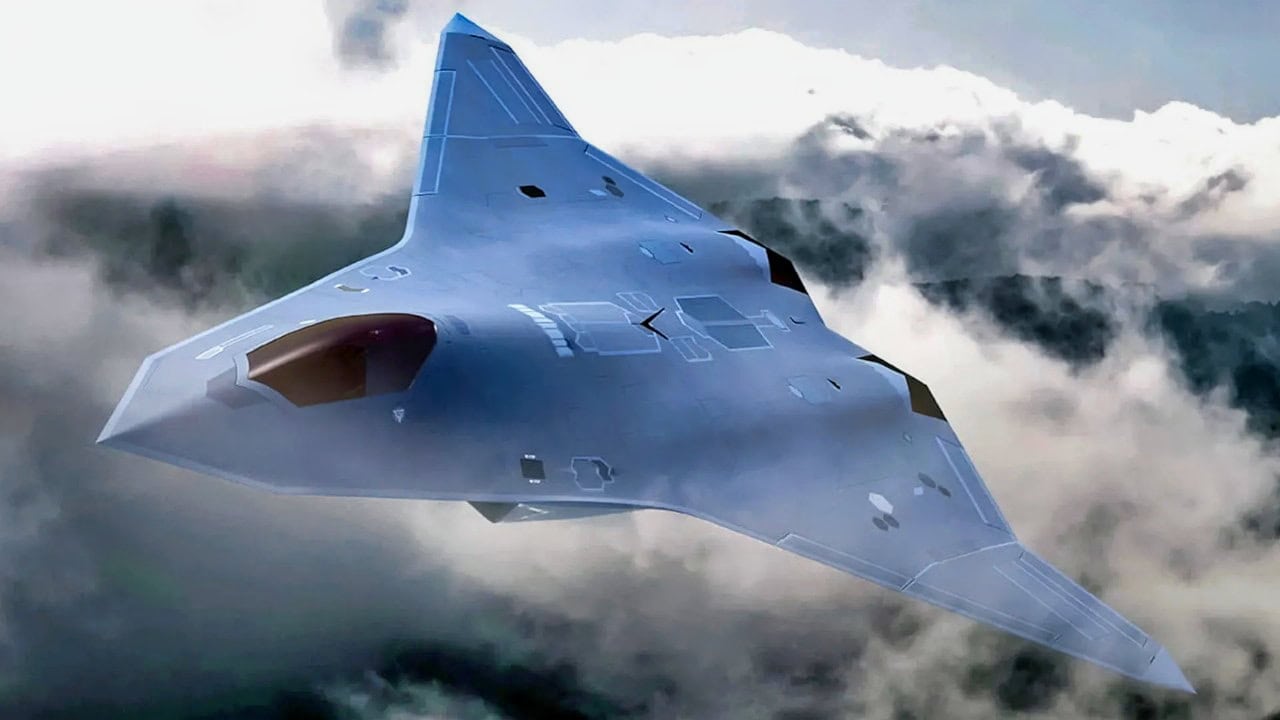
NGAD Fighter. Image Credit: Creative Commons.
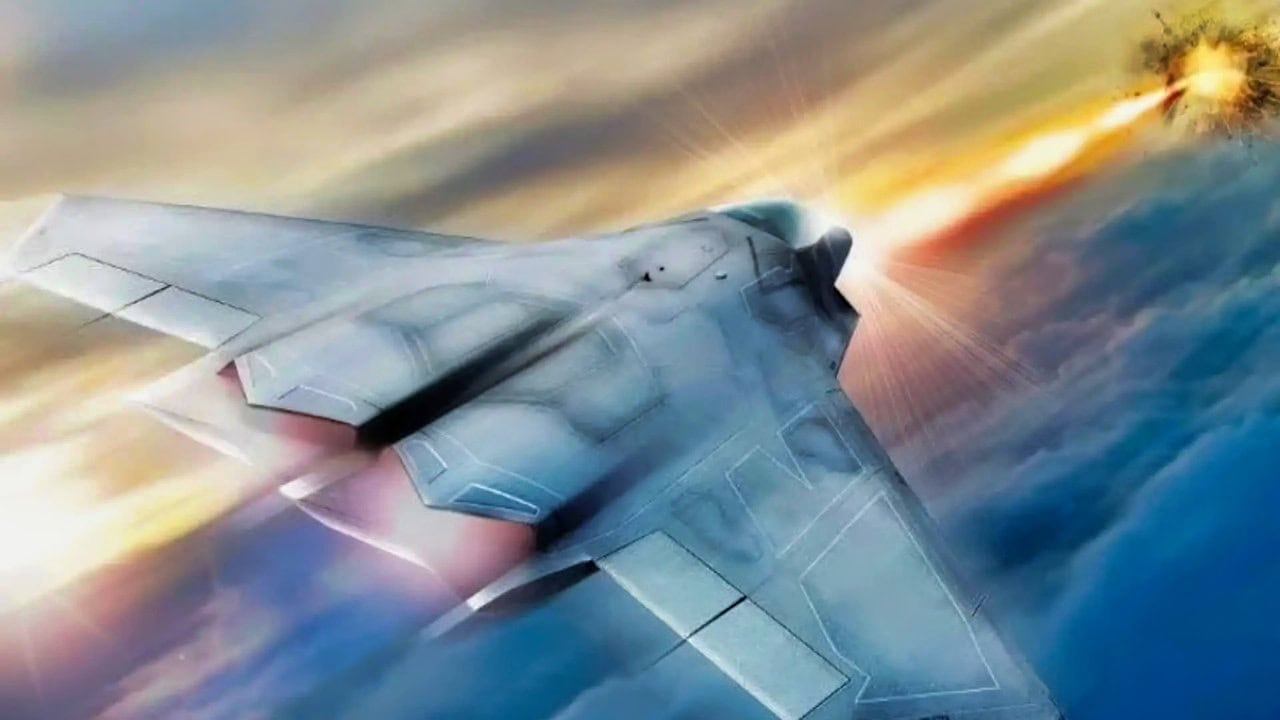
NGAD image. Image Credit: Creative Commons.
The initiative was heavily influenced by early work on Britain’s Tempest program. While the final product will ultimately be a joint effort, the British’s work on the project and the influence their early efforts have had on the current program are impossible to ignore.
GCAP, which was formally initiated in late 2022 and now backed by a treaty between the three governments, aims to deliver an advanced stealth fighter by the mid-2030s to replace ageing fleets, including the Eurofighter Typhoon and Japan’s F-2.European air forces, long reliant on fourth and fifth-generation designs – including American designs that come with export restrictions and data caveats – see sixth-generation platforms as critical to maintaining their operational relevance against rapidly modernizing rivals. Sixth-generation technology at this point is a necessity, and Europe is in a race against China to field them in significant numbers.
The United Kingdom’s Tempest program began in 2018 as a unilateral conceptual and technology program under Team Tempest, a consortium of British industry and the Ministry of Defence, to explore future combat air technologies and maintain sovereignty over the eventual system.
The evolution of Tempest and merging into GCAP did not end that work; instead, it exported the ideas developed under the UK’s original program, including engineering practices and industrial framework, turning a UK-only project into a broader international program that now forms the center of Western efforts to define sixth-generation airpower.
What’s Coming Next for Tempest/GCAP?
Emerging threats, coupled with entirely new operational concepts and technologies, have pushed defense planners across Europe to look beyond incremental upgrades that, in theory, could keep fourth- and fifth-generation aircraft relevant for years and decades to come.
A sixth-generation military fighter is necessary for Europe, along with new technologies such as drone coupling and “loyal wingmen” systems, and GCAP seeks to provide that solution.
A sixth-generation fighter will combine stealth and advanced artificial intelligence, wider sensor integration and collaboration with autonomous drone systems, and more. For Europe and its allies, this is less about replacing platforms that remain entirely capable at present and more about anticipating emerging technologies.
Fourth-generation fighters like the Typhoon remain capable platforms, and many have undergone or are receiving mid-life upgrades to extend their service life into the 2060s while bridging the gap until their successors enter service in meaningful numbers.
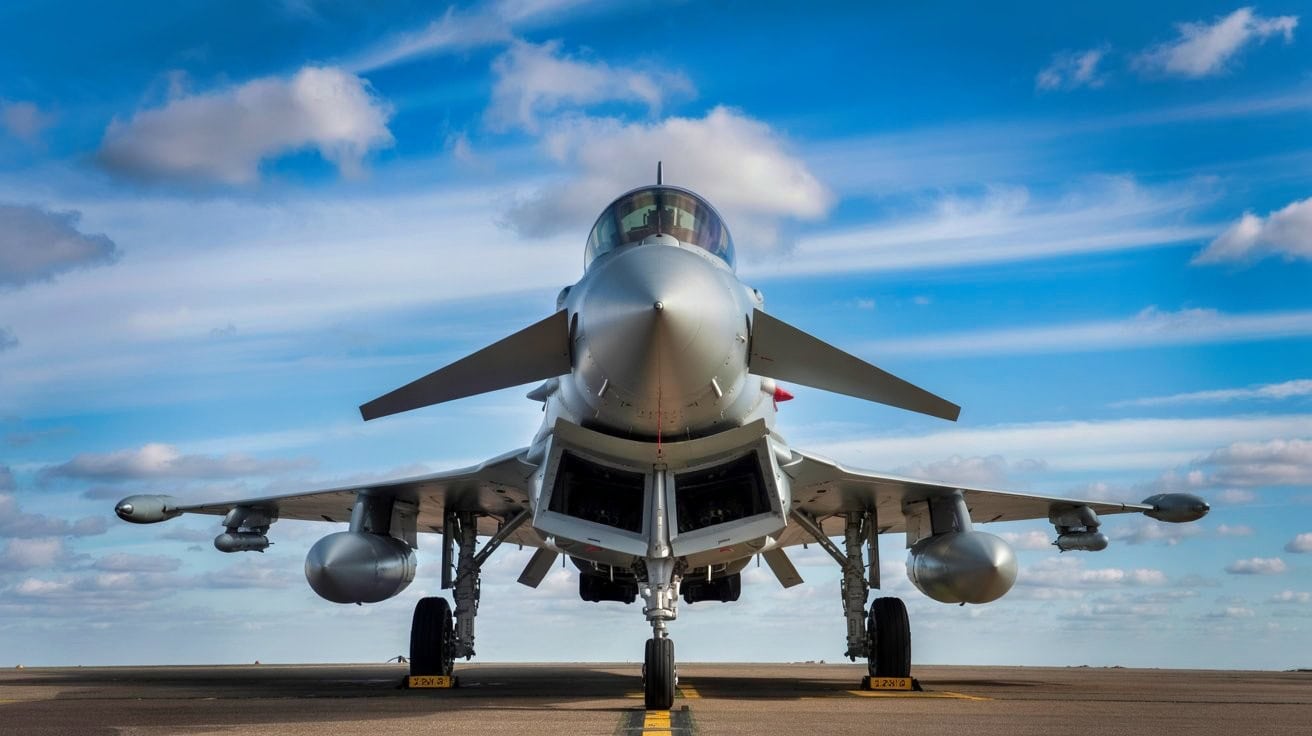
Eurofighter Typhoon. Image Created by Ideogram.
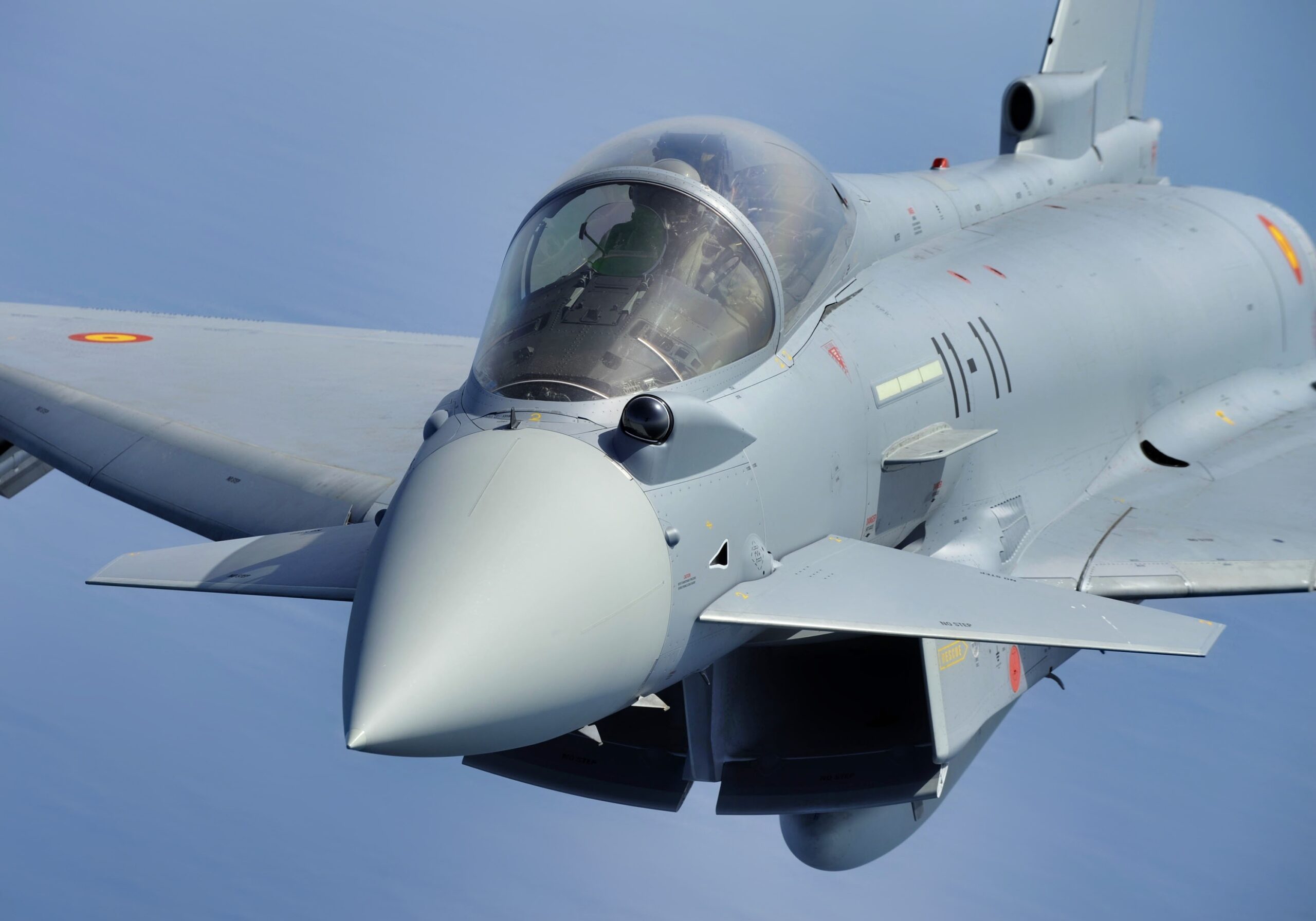
Eurofighter Typhoon Fighter. Image Credit: Creative Commons.
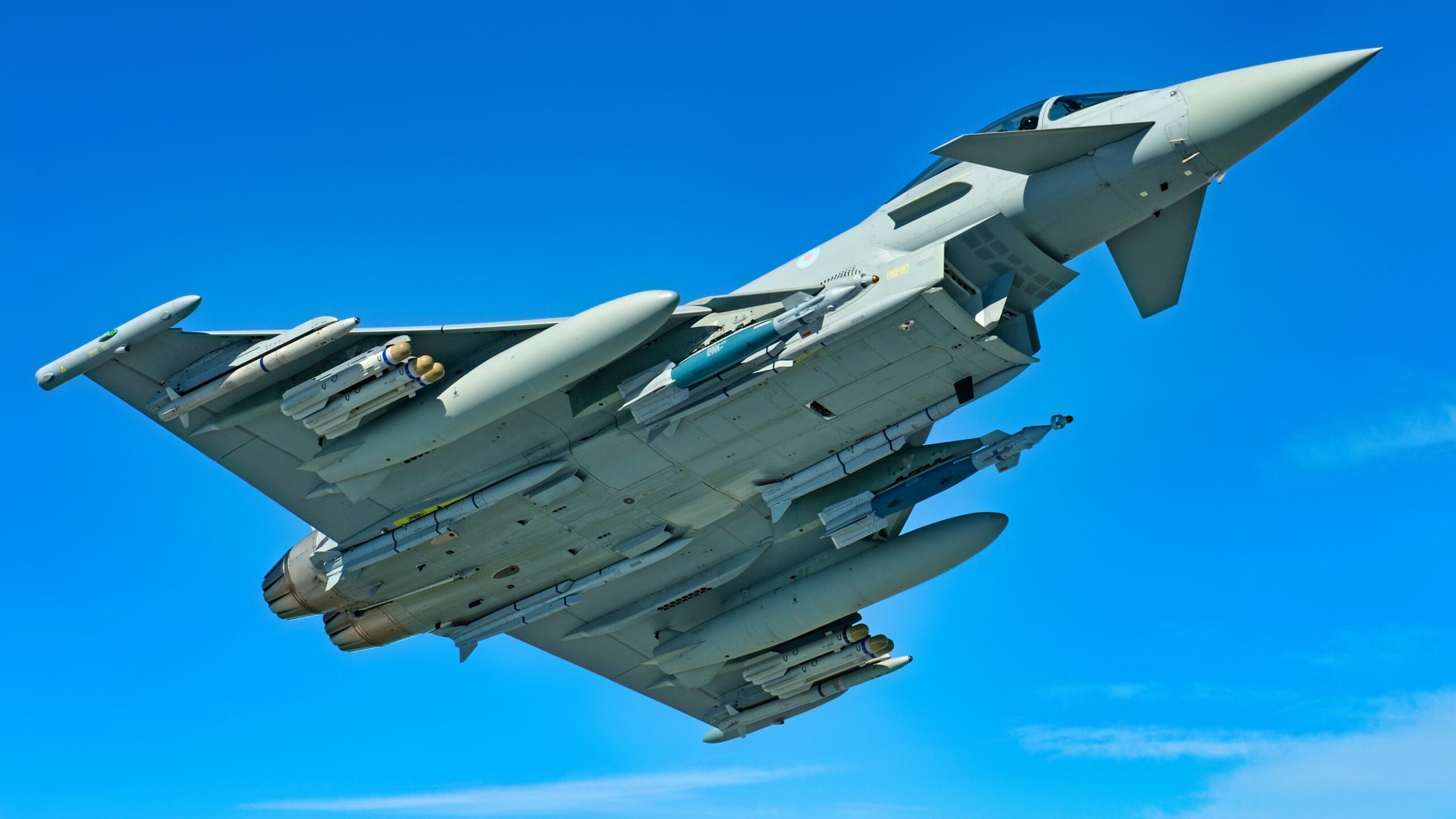
Eurofighter Typhoon. Image Credit: Creative Commons.
The UK initiated Tempest and similar programs in recognition that the technologies that will define next-generation air combat require sustained, long-term investment well before a final aircraft design is even finalized.
Tempest’s scope, therefore, went beyond sketching out plans for a new jet and sought to develop entirely new and integrated systems for propulsion, avionics, weapons, and digital capabilities that would allow future teams to design, test, and iterate faster and more efficiently than ever before.
That work was intended to keep Britain’s aerospace industrial base engaged and capable of building cutting-edge technologies while also maintaining a skilled workforce capable of building their designs. But by 2022, the financial and technological burden of independently creating a sixth-generation fighter led London to seek an alliance with Rome and Tokyo.
From 2022 to Now
On December 9, 2022, the three nations agreed to merge the UK-led Tempest program and Japan’s own advanced fighter efforts into what became GCAP, a program now formally structured under a treaty and governed by the GCAP International Government Organization.
GCAP then took the core concepts and industrial momentum behind Tempest and incorporated them with the work conducted by partners who would now share the costs, risk, and burden of delivering on schedule.
Unlike some other collaborative aerospace ventures that have fallen apart over disputes over intellectual property, export rules, and manufacturer responsibilities, like Europe’s FCAS, GCAP’s partners have formalized arrangements that enable cross-national work on design and technology.
The structure of the deal is a significant step, given the sensitivity of modern combat systems and the new technologies being used within them.
The program has also established a joint venture, Edgewing, that brings together BAE Systems, Italy’s Leonardo, and Japan’s aviation companies into a single industrial consortium tasked with delivering the aircraft throughout its entire lifecycle.
GCAP is still up against a tight timeline, however, and its ability to deliver on its mid-2030s deadline will hinge on whether the governance structures now in place can prevent the requirement creep and industrial infighting that have plagued earlier efforts, even as partners pursue increasingly ambitious new technologies.
About the Author:
Jack Buckby is a British author, counter-extremism researcher, and journalist based in New York who writes frequently for National Security Journal. Reporting on the U.K., Europe, and the U.S., he works to analyze and understand left-wing and right-wing radicalization, and reports on Western governments’ approaches to the pressing issues of today. His books and research papers explore these themes and propose pragmatic solutions to our increasingly polarized society. His latest book is The Truth Teller: RFK Jr. and the Case for a Post-Partisan Presidency.