
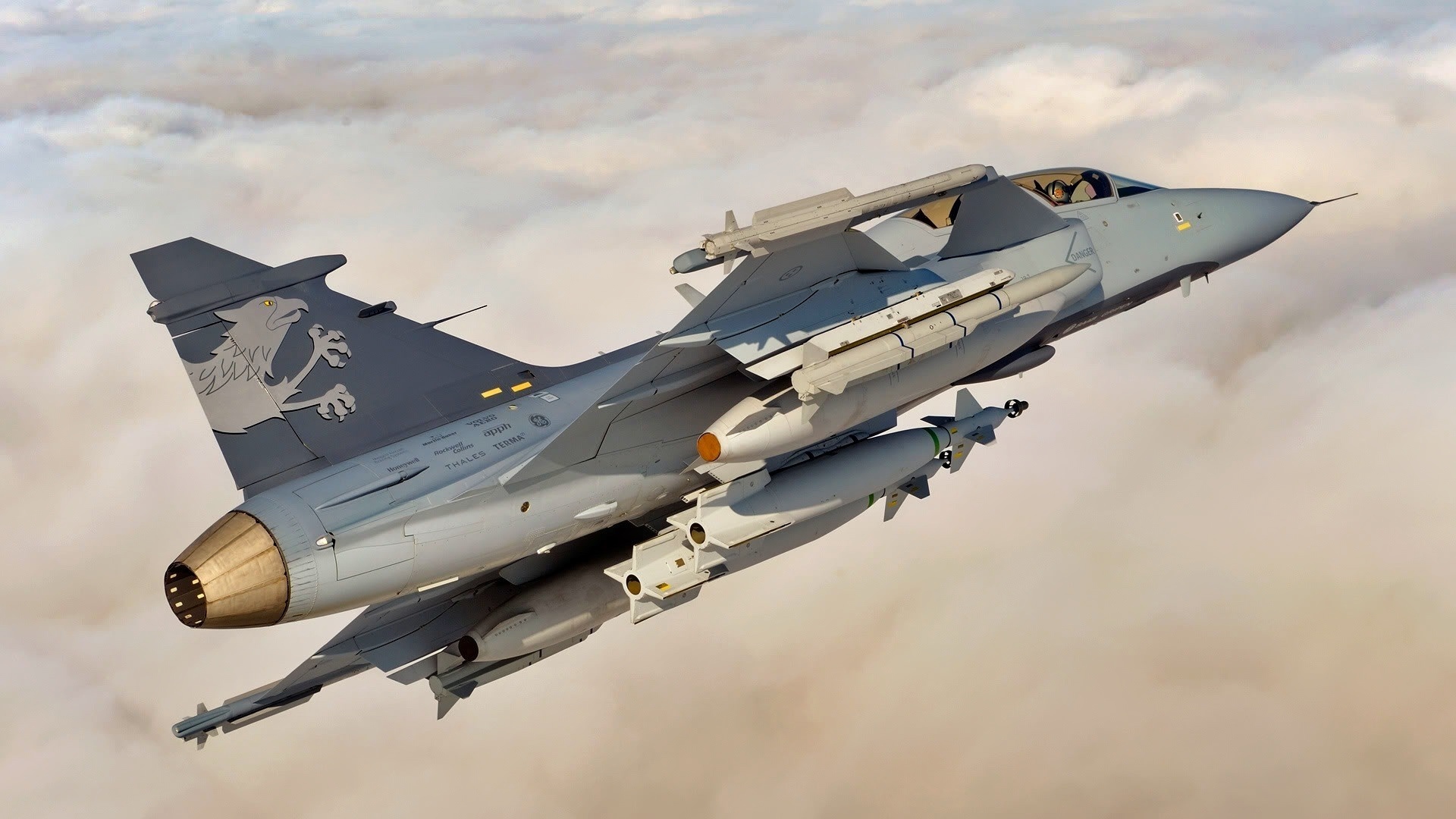
Key Points and Summary – Canada’s government is reconsidering its plan to buy 88 F-35A stealth fighters and is openly weighing Saab’s Gripen as a cheaper, less political alternative.
-For the Royal Canadian Air Force, that shift would create a mixed fleet: 16 F-35s plus dozens of non-stealth Gripens, doubling training, logistics, and maintenance burdens while downgrading combat capability.
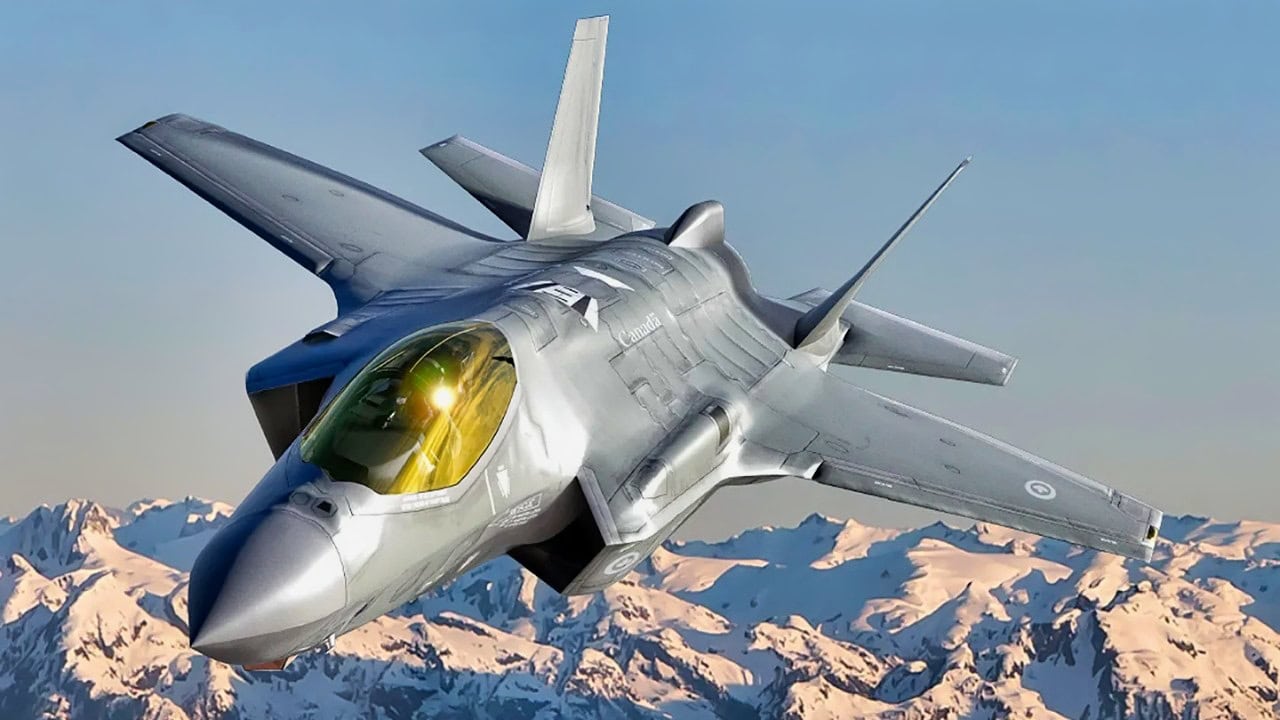
Canada F-35. Image Credit: Creative Commons.
-Maj. Gen. Chris McKenna stresses Canada faces fifth-generation threats and needs “overmatch,” not compromise, especially in its NORAD role alongside the United States.
-His message is clear: politics may change, but Canada’s pilots still need the best jet available to defend North America.
F-35 Debate Should Be Over: Canada’s Air Force Pushes Back Against JAS 39 Gripen Consideration
Canada’s ongoing dispute over the future of its fighter fleet is facing increasing pushback, and Air Force officials don’t even need to explicitly say it to make it clear that abandoning the United States’ F-35 stealth platform is a bad idea.
The federal government is presently considering scrapping a deal to buy 88 Lockheed Martin F-35A Lightning II stealth fighter jets, which was formerly a cornerstone of the Royal Canadian Air Force’s (RCAF) modernization plan. That reconsideration – driven largely by political disputes with the United States – faces continued pushback from analysts, Air Force officials, and others.
On the table is a possible alternative from JAS 39 Saab. Its Gripen platform, popular among countries with smaller air forces and budgets, is being actively considered to form the bulk of Canada’s next fighter fleet.
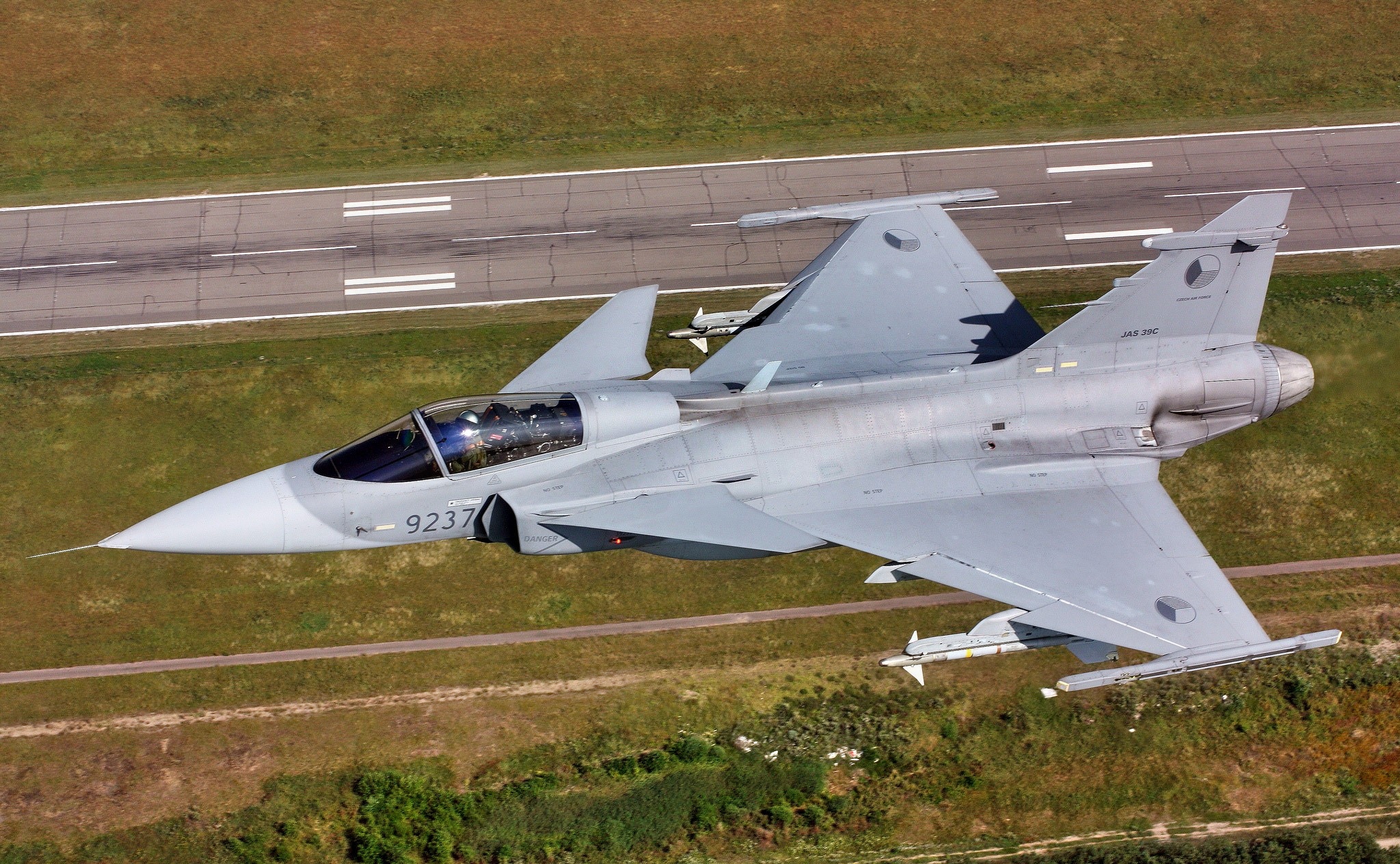
JAS 39 Gripen over a Road. Image Credit: Creative Commons.
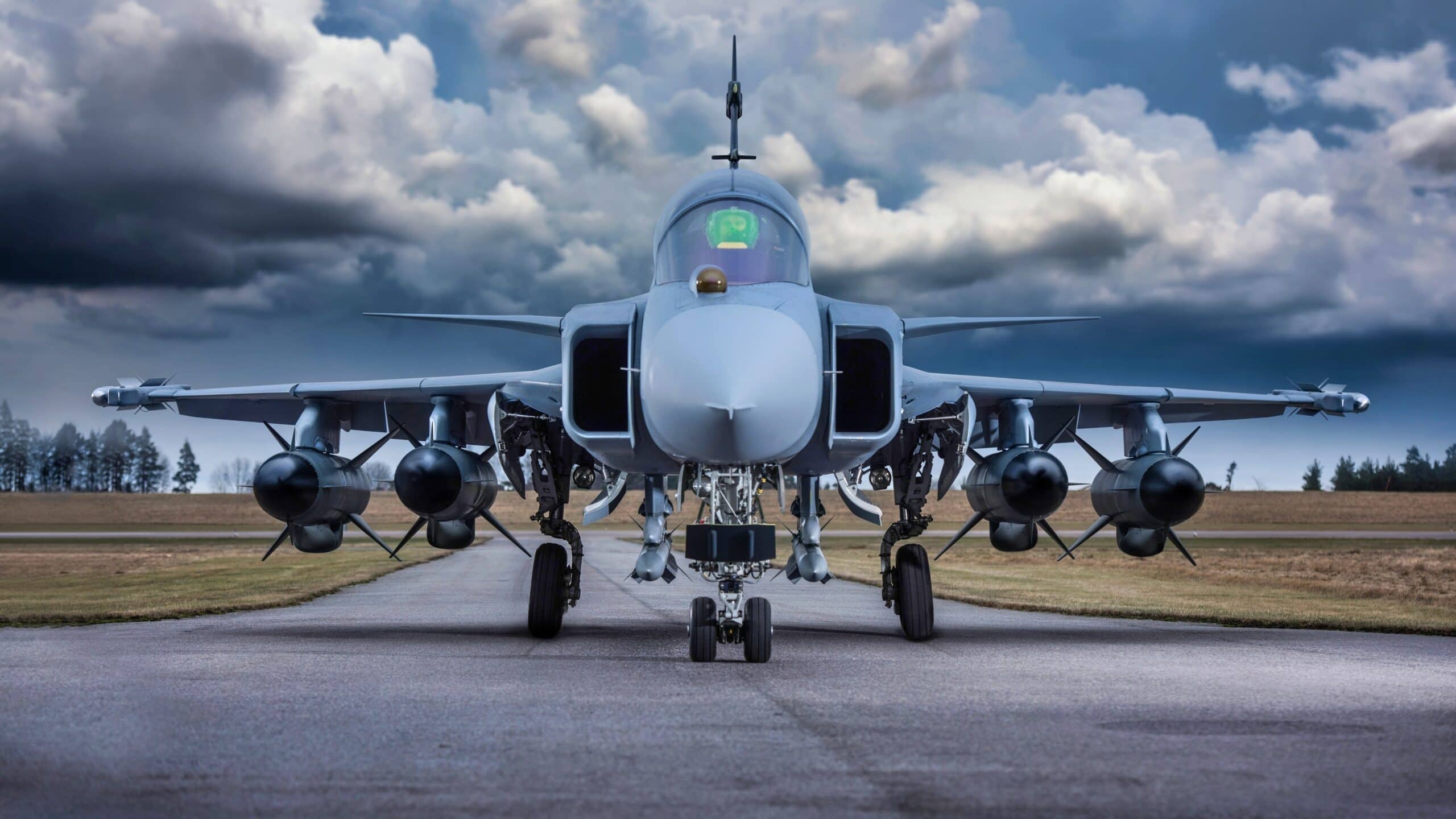
JAS 39 Gripen. Image Credit: Creative Commons.
If Saab gets the deal, it would result in a mixed fighter fleet, combining dozens of non-stealth Gripens with 16 F-35s already purchased. The result would be multiple logistics chains, additional spare part types, increased training demands, and double the maintenance.
And that reality is growing increasingly difficult to ignore.
Air Force Pushback
The position of the RCAF has been clear from the outset.
The air force did, after all, choose the F-35 when the competition for Canada’s next fighter was first held. Senior RCAF officials have stepped into the spotlight to offer their views on the matter, and Major General Chris McKenna is among the latest to do so.
Commander of 1 Canadian Air Division, which includes responsibility as operational commander for the Canadian NORAD Region (CANR), made it clear – without explicitly saying so – that the F-35 is the obvious answer for Canada’s air force.
Speaking to TWZ, McKenna stressed the significant investments Canada has already made in the F-35A program and noted that the RCAF had already provided its formal advice to the government on the fighter replacement plan during the competitive selection process that concluded in 2023.
While McKenna stopped short of publicly demanding the government reverse course and commit fully to all 88 jets, his words conveyed some clear priorities for Canadian air combat capability.
“I have a fifth-generation threat I need to defeat,” McKenna said. “And so that’s the challenge right now. I need to be able to defeat the adversary, and I need to have overmatch.”
McKenna repeatedly stressed that the decision will ultimately be made by the Canadian government, but added that the Air Force’s assessment was rooted in operational realities.
“It’s outside the hands of the Air Force. We’ve made our advice. I will say, I need my pilots to have overmatch against high-end threats with their adversaries. And I think we can both agree that the threats are accruing by the day, it’s getting worse and worse by the day.”
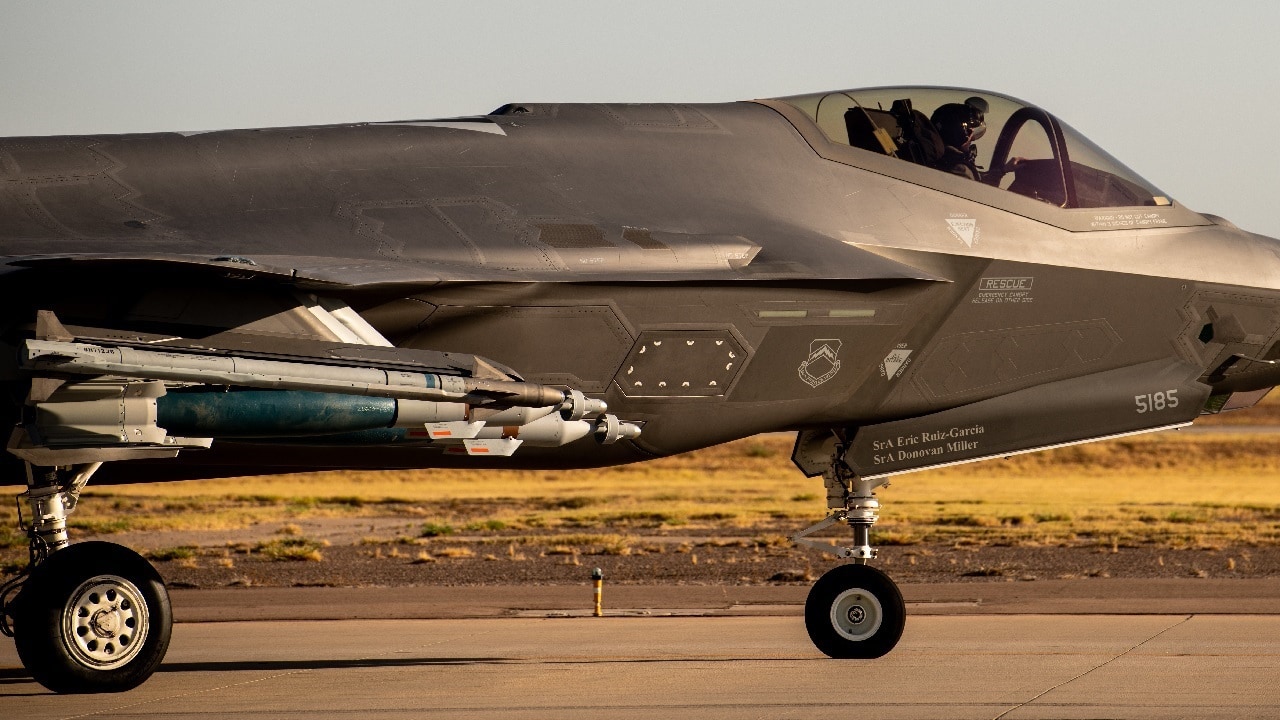
An F-35A Lightning II taxis down the flightline in a Beast Mode weapons configuration July 22, 2020, at Luke Air Force Base, Ariz. The weapons configuration consists of six inert GBU-12 bombs, four mounted onto the wings and two loaded into the weapons bay, as well as an AIM-9X air-to-air training missile. The Beast Mode weapons configuration provides F-35 B-Course student pilots with the additional training and experience needed for potential combat sorties and helps train the world’s greatest F-35 pilots and combat ready Airmen. (U.S. Air Force photo by Staff Sgt. Alexander Cook)
It’s a message the Canadian government will have heard before: for confronting future high-end threats, the most advanced platform currently available – the F-35 – is the clear option and best fit for the RCAF’s operational requirements. And when measured against the Gripen, which is a 4.5-generation fighter, there remains a significant capability gap that would leave Canada ill-equipped by comparison.
NORAD And Interoperability
A central element in RCAF’s argument for maintaining the status quo and moving ahead with the planned F-35 purchase is the role the aircraft plays in NORAD – the binational North American Aerospace Defense Command that’s tasked with safeguarding continental airspace for Canada and the United States. NORAD’s mission encompasses surveillance, rapid interception of unidentified or hostile aircraft, and coordination across the vast northern airspace.
NORAD operates through an integrated network of radar systems, airborne early-warning aircraft, and helicopters, and a connected command structure between the U.S. and Canadian forces.
Interoperability with U.S. systems has long been a crucial element of Canada’s air defense policy – since the Cold War, in fact – and the F-35 is therefore an obvious solution. Shared platforms ensure pilots and ground crews understand how each other operate and enhance responsiveness, data fusion, and the effectiveness of joint missions.
Speaking during his recent interview, McKenna responded to a question about how the F-35 would perform in a NORAD context.
“I have a very high confidence that it’ll be able to achieve the NORAD mission set. Absolutely,” he said.
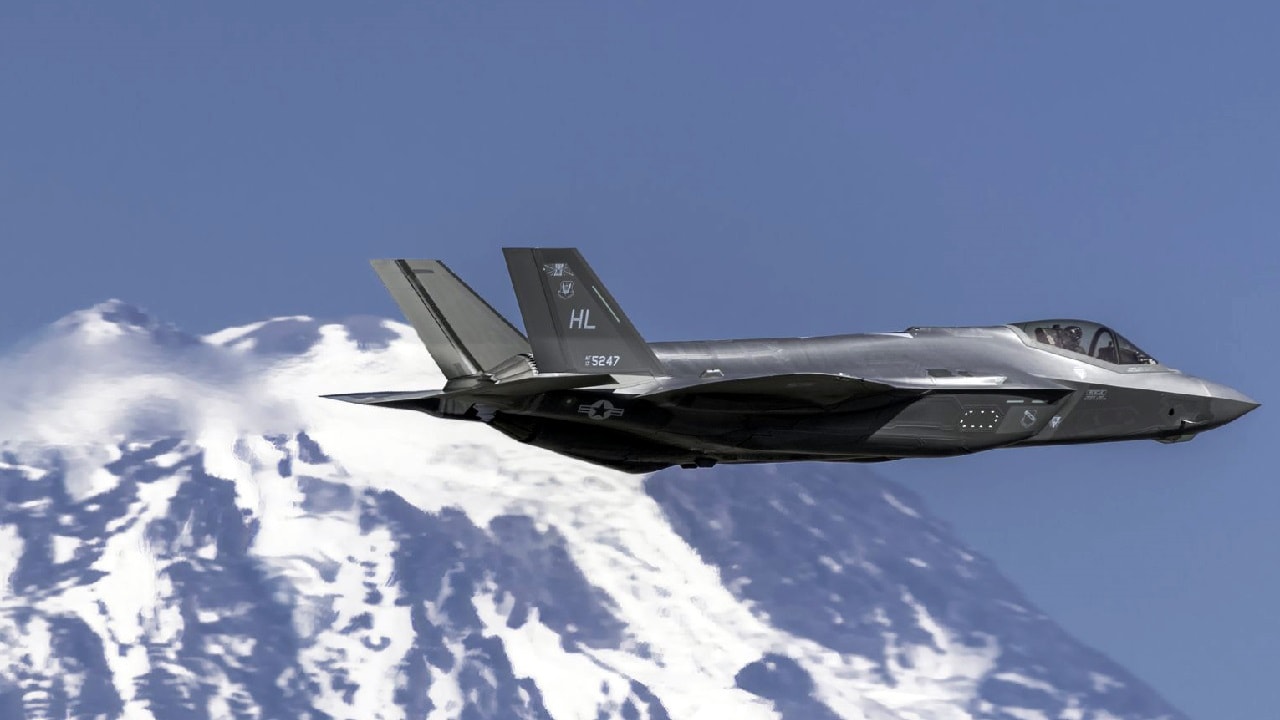
An Airman of the F-35A Lightning II Demonstration Team flies the F-35A in front of a mountain near Tacoma, Wash., on July 5, 2021. The demonstration team headlined both the Gig Harbor Wings-and-Wheels and Tacoma Freedom Fair air shows for the Fourth of July weekend, showcasing the advanced capabilities of the F-35 to the Pacific Northwest. (U.S. Air Force photo by A1C Jake Welty)
“Well, it has a great sensor package on it, and it has all the armaments you would need, obviously, to defeat a high-end threat. And it’s interoperable with our closest ally. So those things are important, I think, in the way that you look at force development in the military.”
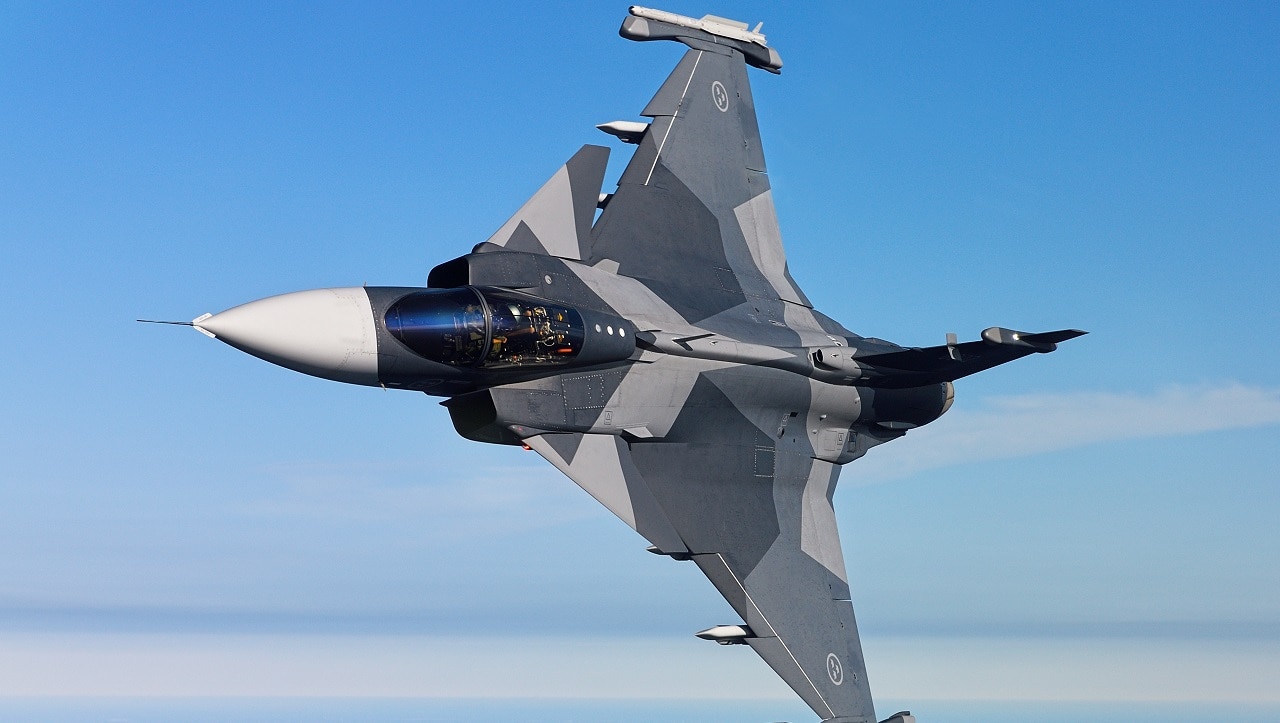
Saab Gripen E. Image Credit: Creative Commons.
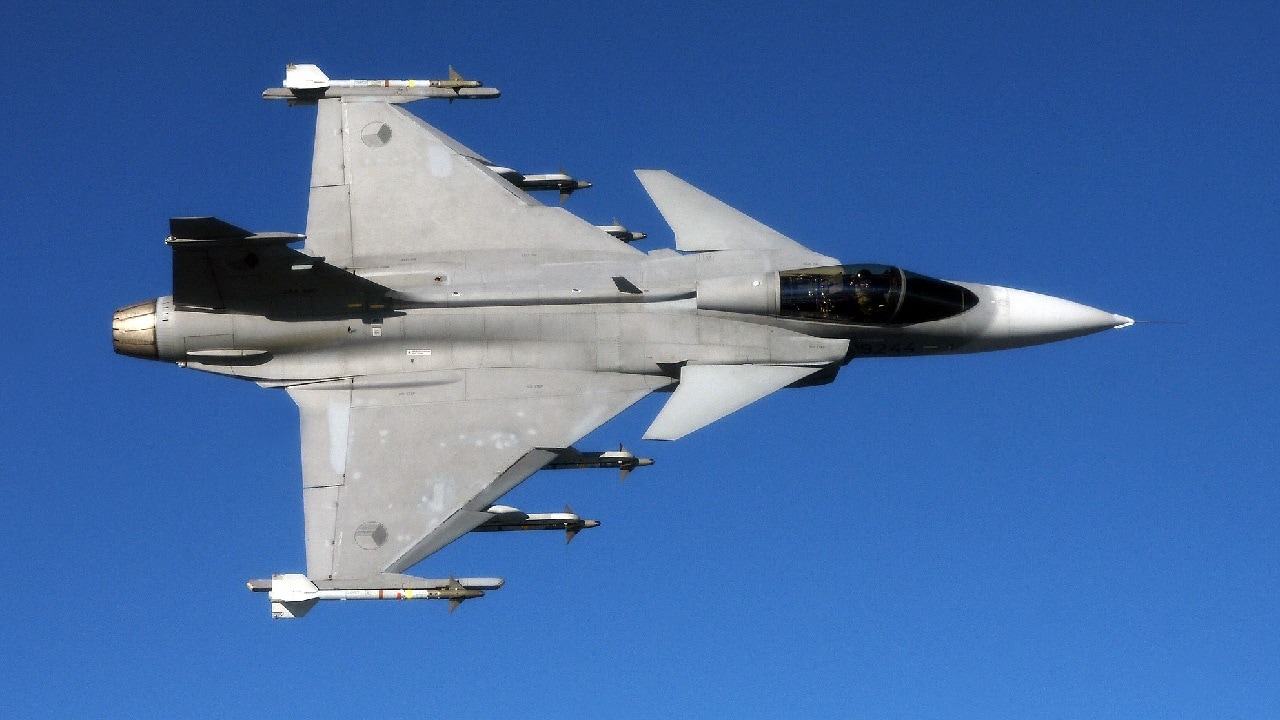
JAS 39 Gripen. Image Credit: Creative Commons.
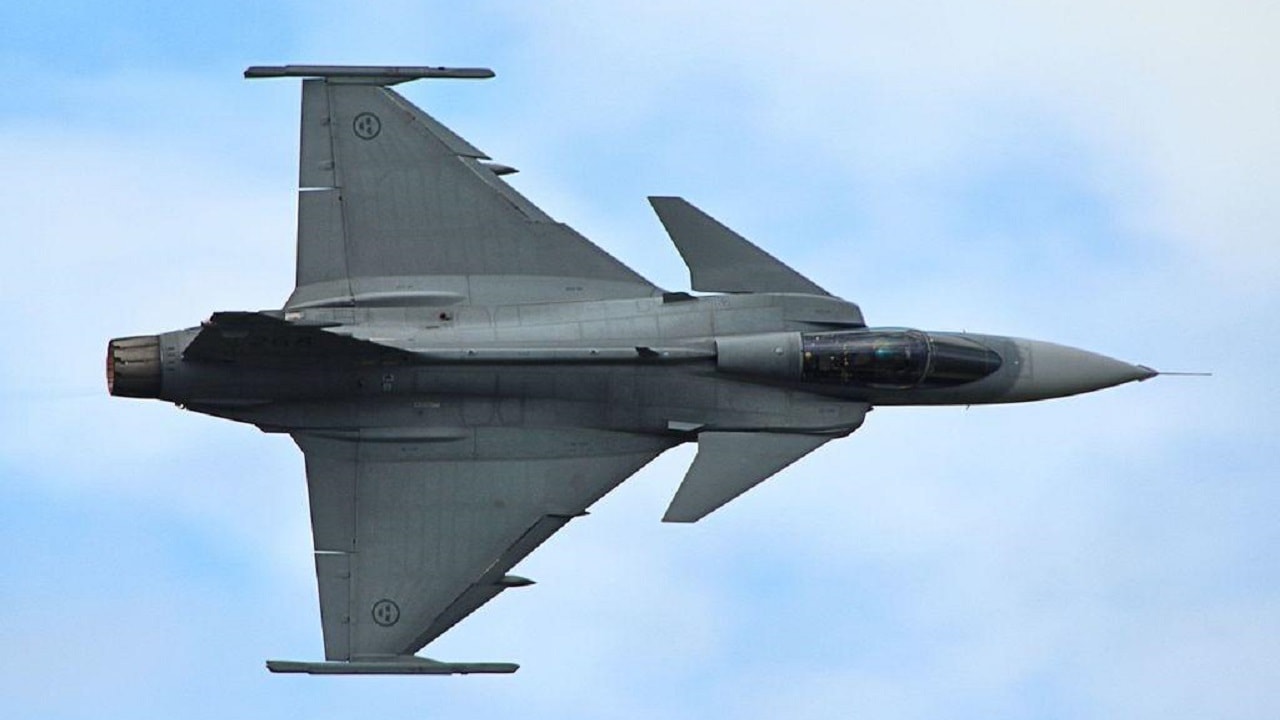
JAS 39 Gripen. Image Credit: Creative Commons.
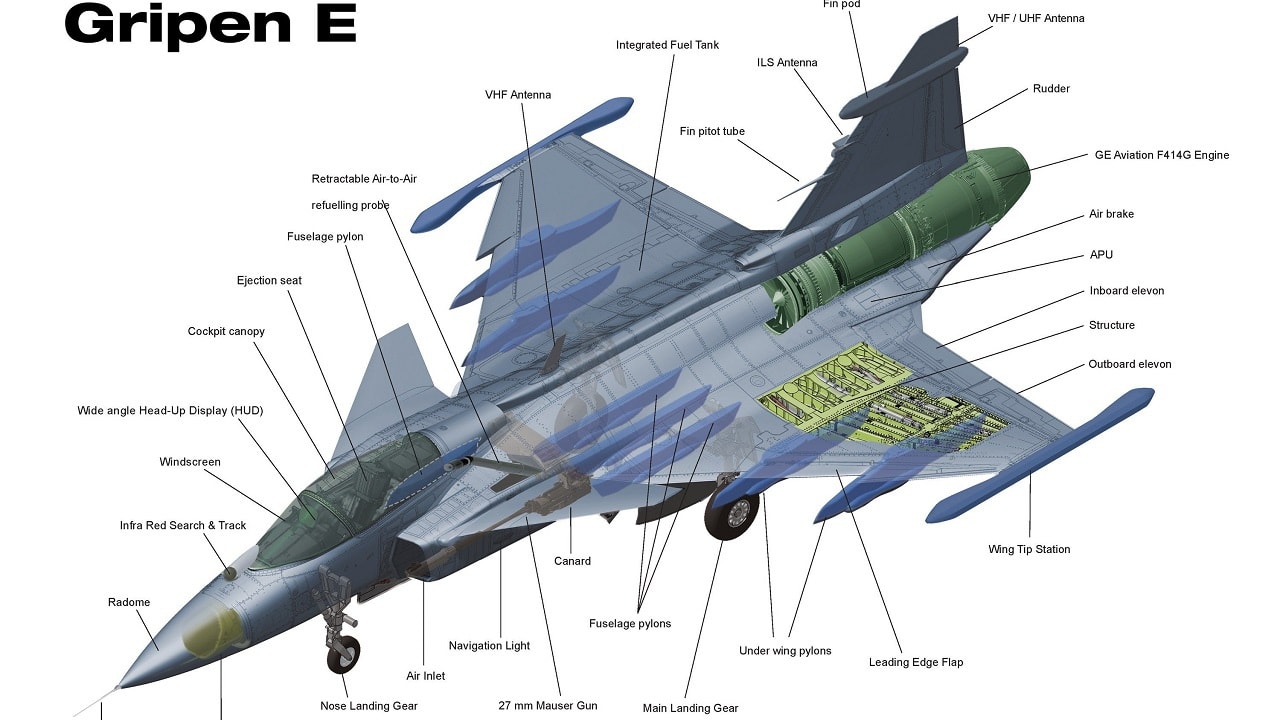
JAS 39 Gripen. Image Credit: Creative Commons.
And when asked directly about the Saab Gripen option, McKenna’s ambiguous response speaks a thousand words:
“So again, the competition is complete, right? We made an acquisition decision in 2023, and there’s a review ongoing. I’ll just leave it at that the government’s going to decide if they would decide if they wish for us to pursue.”
About the Author:
Jack Buckby is a British author, counter-extremism researcher, and journalist based in New York. Reporting on the U.K., Europe, and the U.S., he works to analyze and understand left-wing and right-wing radicalization, and reports on Western governments’ approaches to the pressing issues of today. His books and research papers explore these themes and propose pragmatic solutions to our increasingly polarized society. His latest book is The Truth Teller: RFK Jr. and the Case for a Post-Partisan Presidency.