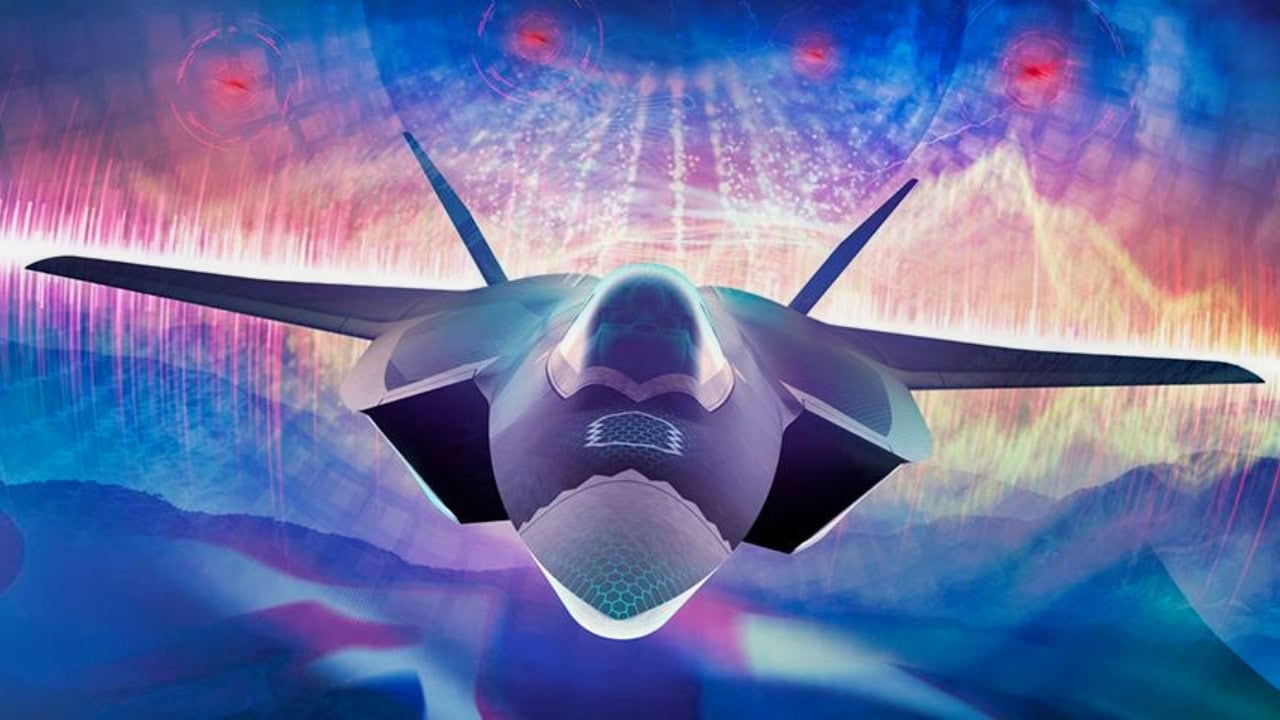
Summary and Key Points: The unveiling of the GCAP mock-up sparked a simple question: why are next-generation fighters getting so large?
-Size is a feature, not a flaw, as sixth-generation designs evolve from dogfighters into long-range, stealthy “flying command centers” built to manage a battlespace and coordinate unmanned teammates.
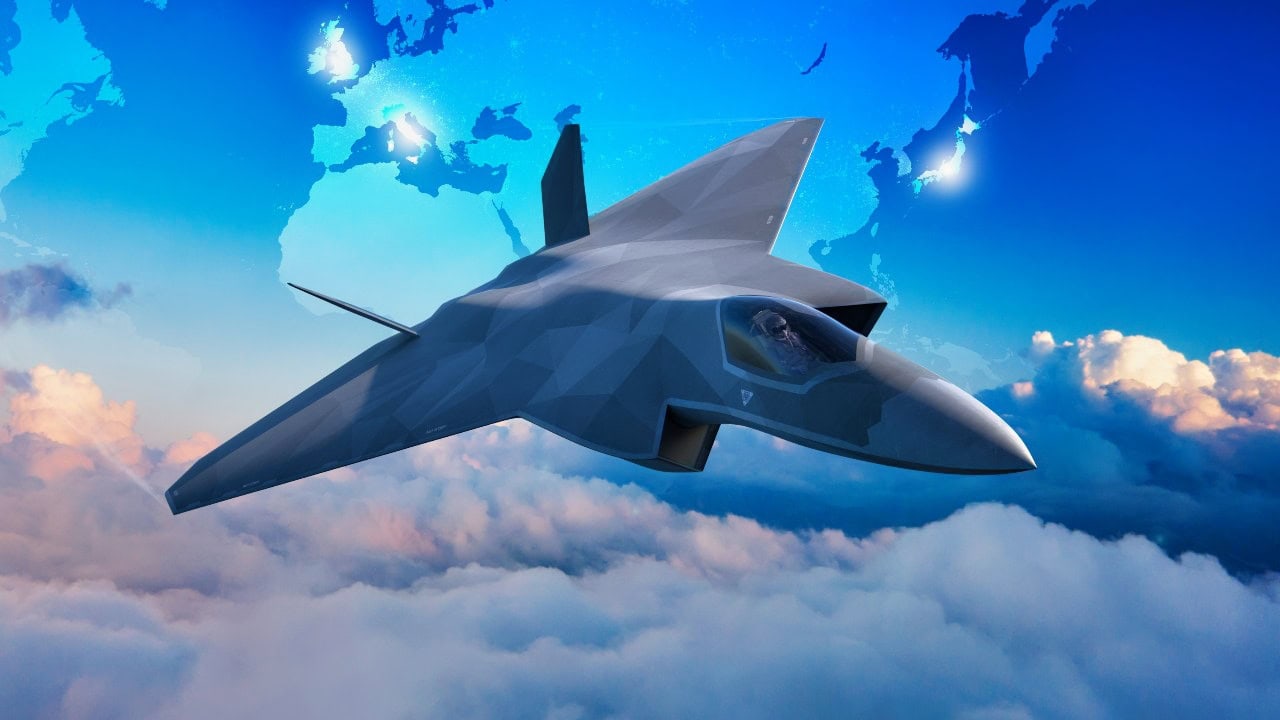
GCAP. Image Credit: Industry Handout.
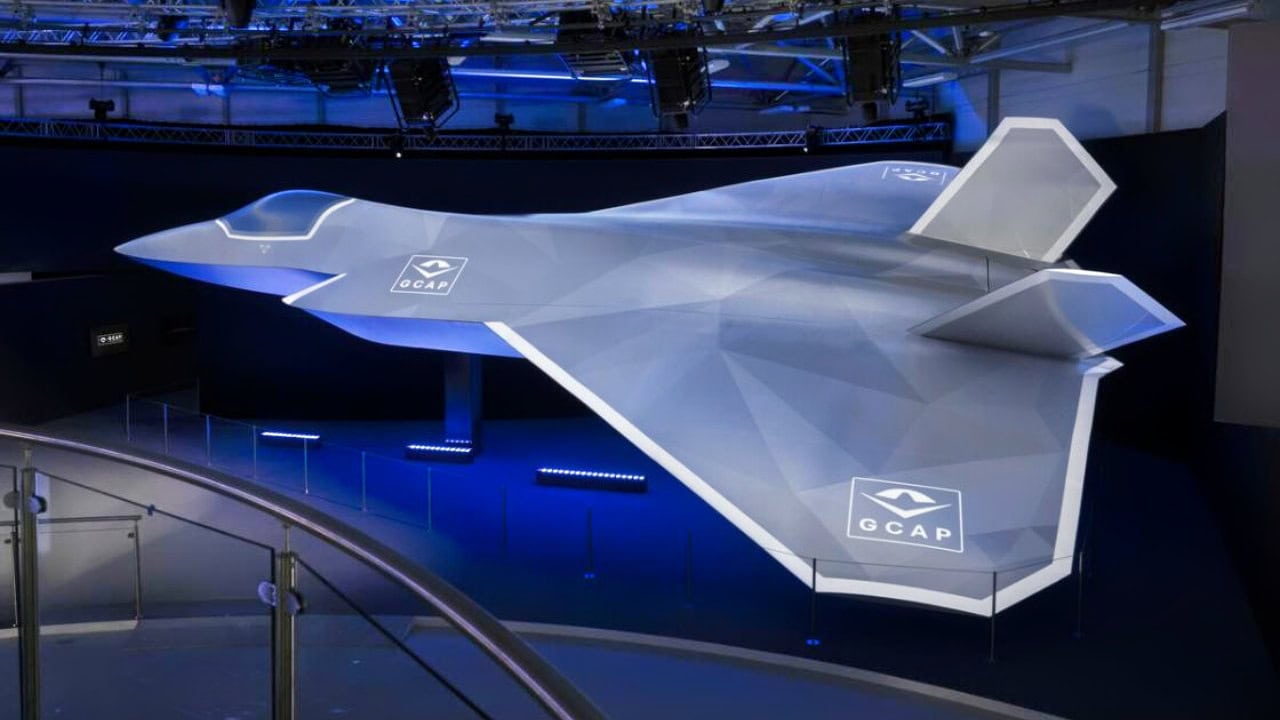
GCAP 6th Generation Fighter
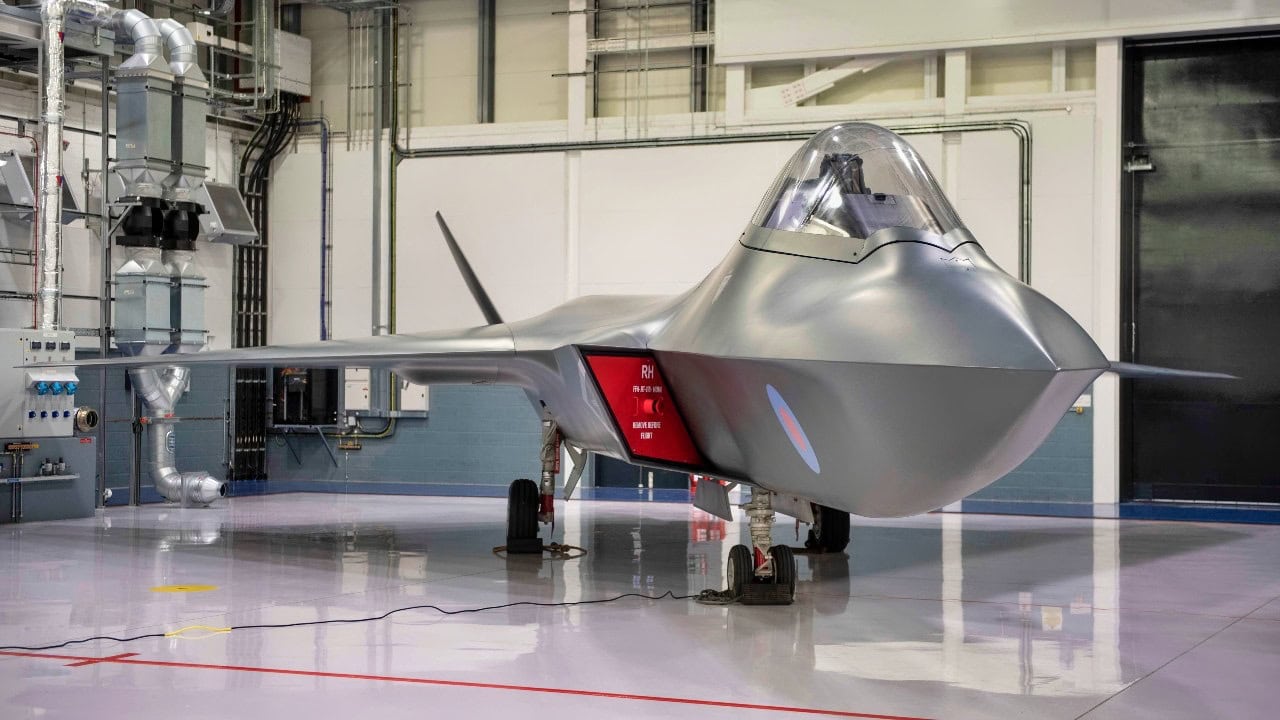
Image of the UK’s concept model for the next generation jet fighter “Tempest”, which was unveiled by Defence Secretary, at Farnborough International Air Show back in 2018.
-China’s tailless, blended-wing-body J-36—reportedly far larger than today’s fighters and employing an unusual three-engine configuration—is framed as an experimental path toward the thrust and onboard power these roles require.
‘The discussion also connects the trend to the U.S. F-47 concept: greater range, more sensors and electronics, longer-range weapons, and deeper integration into a system-of-systems where the first platform to detect the enemy sets the terms of the fight.
Why Sixth-Gen Fighters Are So Big: GCAP, China’s J-36, And The “Flying Command Center” Shift
When the full-scale mock-up for the joint Japan-Italy-UK Global Combat Air Program (GCAP) was unveiled, the general reaction was, “Why is this aircraft so big?”
Large size seems to be a trend for the next generation of fighter aircraft. More than a year ago, the world saw the first of several sixth-generation programs when the Chengdu J-36 was seen in flight, in December 2024, on videos posted on the internet. The J-36 is believed to measure about 75 feet long and is estimated to weigh between 99,200 and 119,000 pounds.
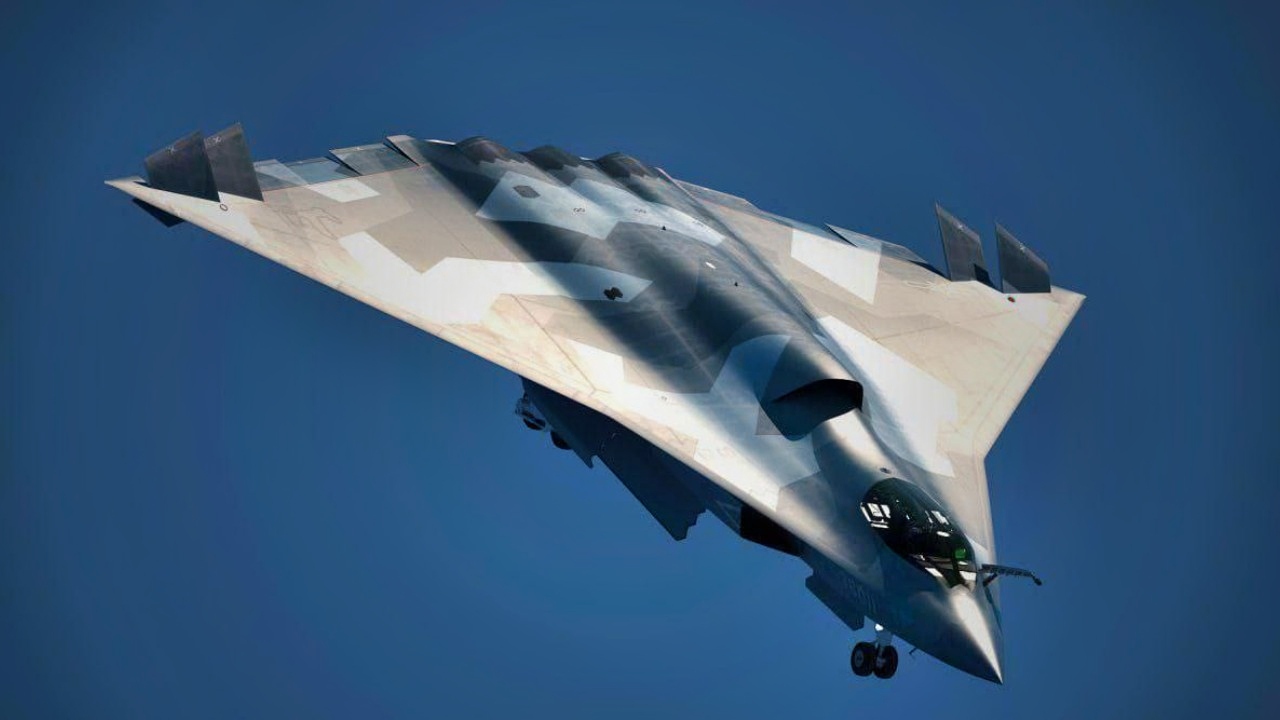
J-36 Fighter Artist Rendition. X Screenshot.
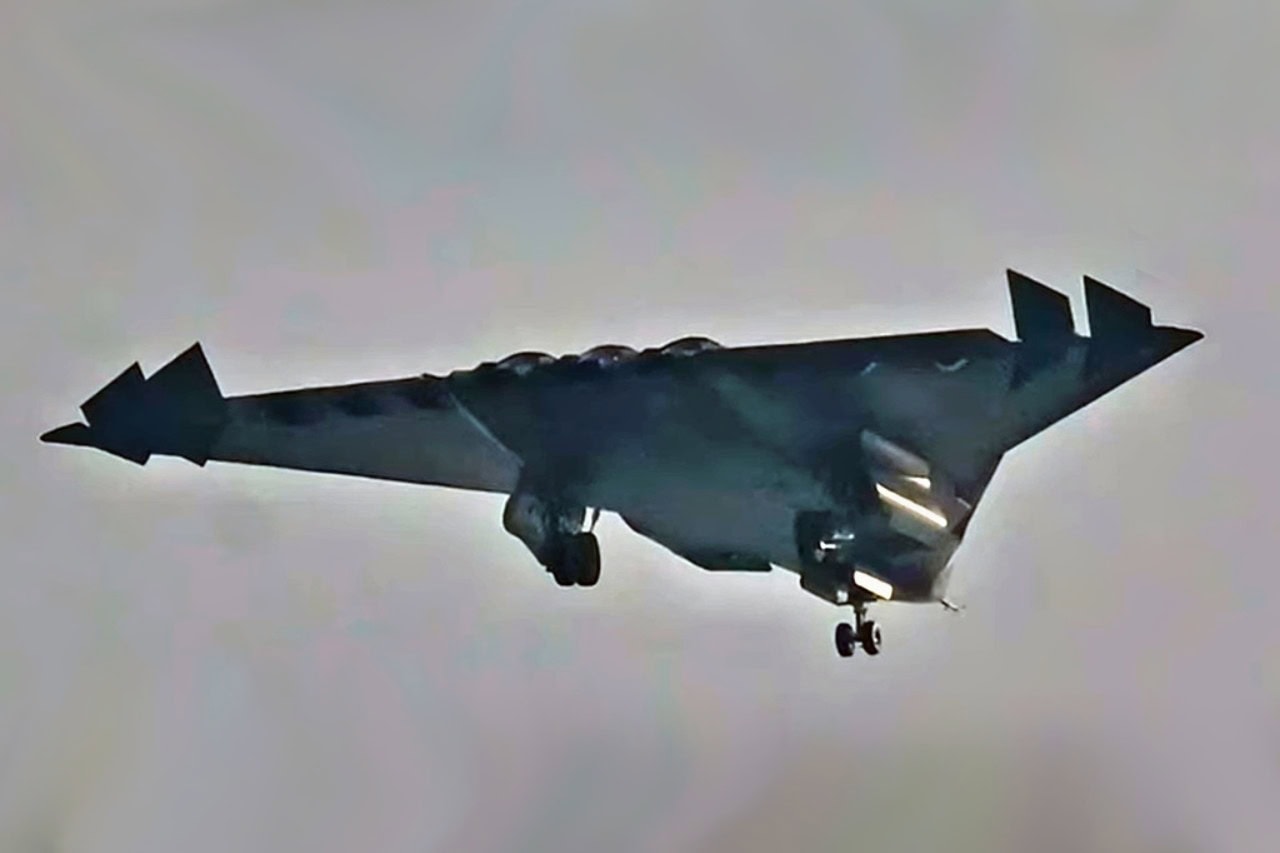
J-36 Fighter from China. Image Credit: Creative Commons.
The Chengdu J-36—or the “Sky Monster” as it is sometimes called—is still in development. It has the same tailless, blended wing-body that characterizes the stealth aircraft of this generation. It does have a less-conventional three-engine configuration.
Experimental and Developmental
The J-36’s use of three engines instead of two indicates that “the aircraft itself is a test bed or X-plane type of design that is being used to validate concepts or certain kinds of hardware that may or may not be part of a final design configuration,” said one American aircraft-design analyst we spoke to. “The extra weight of those concepts or hardware being tested could be responsible for the high thrust requirement.
It is also possible, he said, “that the aircraft requires three engines for now because the Chinese have always lagged in designing and producing an engine that will generate the performance they really need. Look how many years it took for Chengdu to come up with the WS-15 engine for their J-20 and to replace the Russian and previous-generation Chinese engines they had been using—it was more than a decade.”
By way of comparison, the largest U.S. fifth-generation design, the F-22, is about 62 feet long. It has an empty weight of 43,340 pounds and a fully-loaded maximum take-off weight of 83,500 pounds. The aircraft that is intended to replace it, the Boeing F-47, has only been seen in partial, CGI-rendered artist’s depictions. Even in those, it is shown obscured by clouds. All that is depicted is the frontal hemisphere of the aircraft.
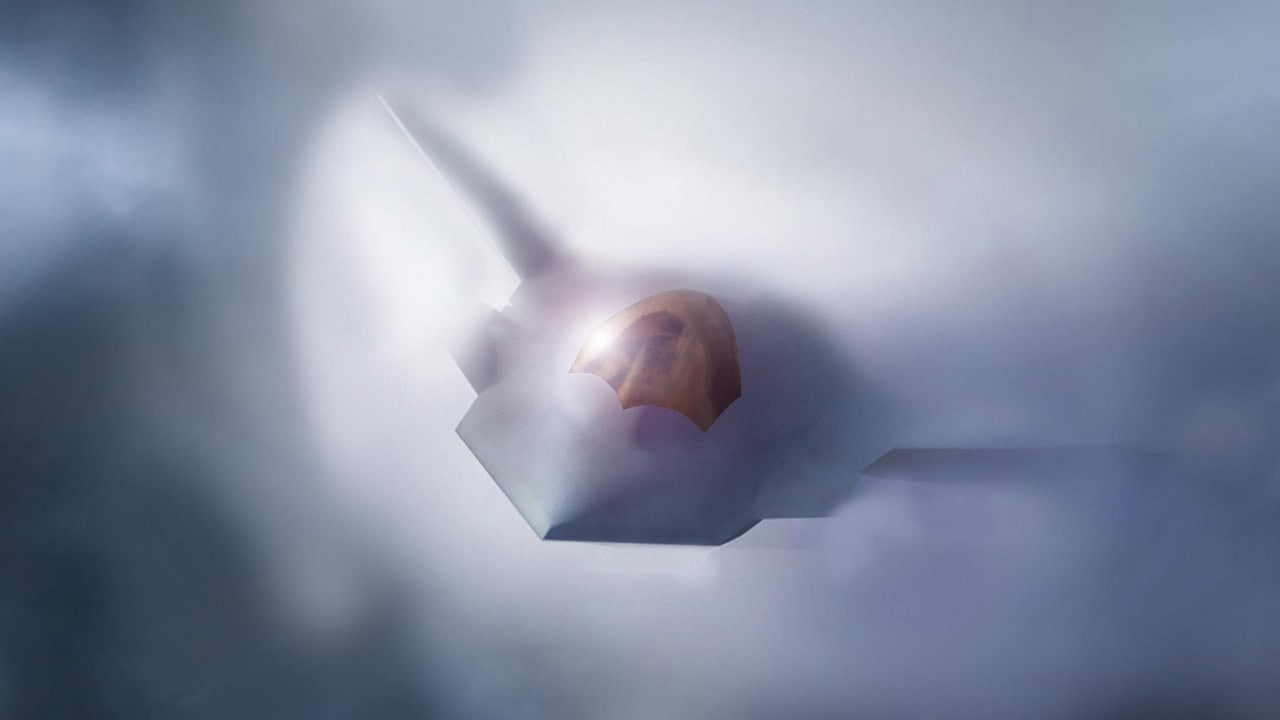
F-47 Fighter. Image Credit: U.S. Air Force.
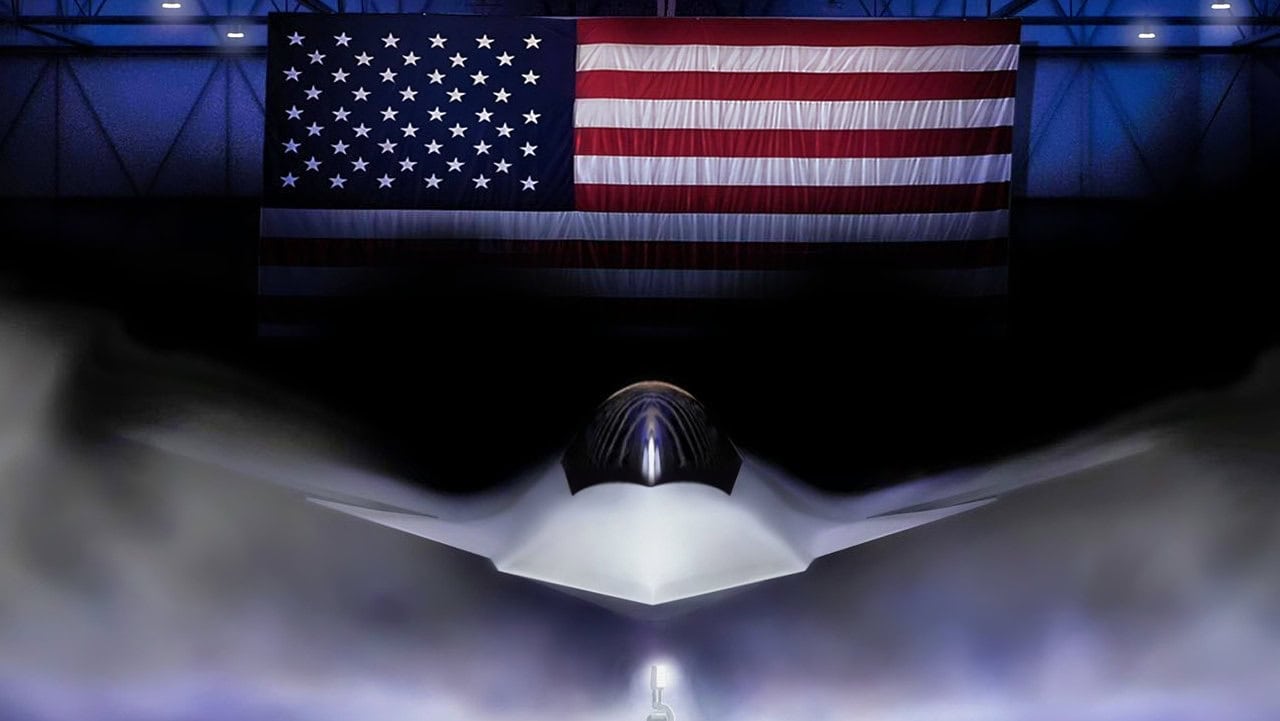
F-47 Fighter from U.S. Air Force.
Yet there are some rough approximations of the dimensions and weight of the F-47 that are based on known criteria. Using those as a baseline, and extrapolating data, the best estimate is that the aircraft weighs 90,000 pounds or more—not that much smaller or lighter than the J-36.
What’s On-Board
These sixth-generation designs are meant to be much more than the fighter aircraft that preceded them. They will perform many more functions than air combat; they will serve as flying command centers that manage the battlespace.
The U.S. Air Force revealed some of its intentions for the F-47’s capabilities in a report issued one month before the March 2025 announcement of the program. The 22-page document outlines the service’s vision for 2050 and calls for aircraft beyond traditional fighters.
The F-47 will be stealthier, despite its much larger size. It should substitute dogfighting air combat maneuverability with a much-expanded range and a much more impressive set of longer-range weapons. It will also be designed to work within a family of systems—many of them unmanned.
The designers for these programs—the F-47, the GCAP, and the other European program, the Future Combat Air System—are all designing aircraft at the center of a system of systems that gathers data from satellites, drones, and ground troops. That data is then passed on to other command nodes or forward positions, enabling commanders to immediately make more effective and informed decisions.
John Hoehn, a defense policy expert at RAND, told Interesting Engineering that these jets will be far stealthier than the F-35 or F-22. They will have a longer range and will be packed with sensors and electronics.
“The first jet that spots the enemy usually wins,” he said. That’s why the ability to detect stealth targets and to stay hidden is now more important than raw speed or maneuvering, and this will be the basis on which these aircraft are developed and built.
About the Author: Reuben F. Johnson
Reuben F. Johnson has thirty-six years of experience analyzing and reporting on foreign weapons systems, defense technologies, and international arms export policy. Johnson is the Director of Research at the Casimir Pulaski Foundation. He is also a survivor of the Russian invasion of Ukraine in February 2022. He worked for years in the American defense industry as a foreign technology analyst and later as a consultant for the U.S. Department of Defense, the Departments of the Navy and Air Force, and the governments of the United Kingdom and Australia. In 2022-2023, he won two awards in a row for his defense reporting. He holds a bachelor’s degree from DePauw University and a master’s degree from Miami University in Ohio, specializing in Soviet and Russian studies. He lives in Warsaw.