
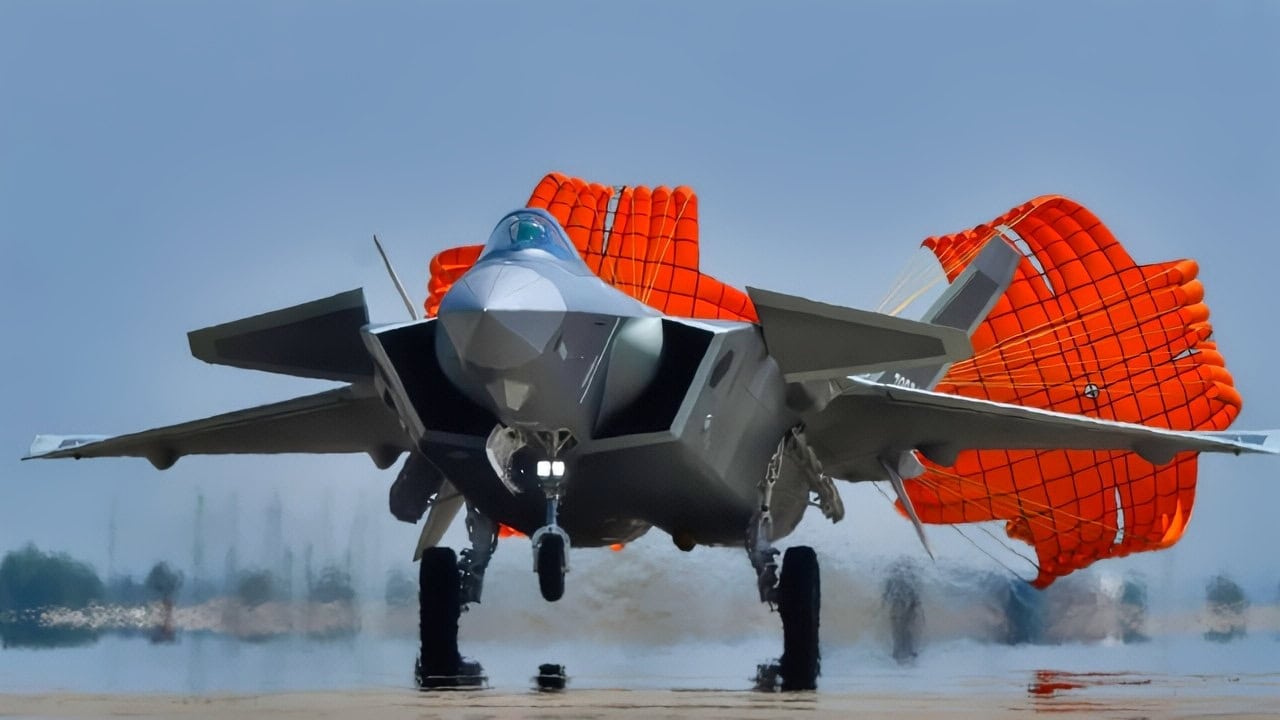
Key Points: Forget the J-20. Forget the Fujian-class carrier. Forget the DF-41 missiles and the 2-million-man Army and the largest navy on Earth. The People’s Liberation Army has not fought a real war in 47 years — and the last one lasted 29 days and ended with Chinese troops retreating from Vietnam after heavy casualties.
Every Chinese general, admiral, and colonel in command today has spent an entire career preparing for a war their military has never fought. Not one of them has ever led troops in combat. Xi Jinping knows it. The CCP’s internal assessments say it. And it is the single largest unanswered question hanging over a potential Taiwan conflict.
China’s Military Is Great On Paper:
On paper, the PLA is one of the most formidable fighting forces on the planet.
It possesses the most personnel, tanks, warplanes, naval vessels, missiles, etc.
In practice, however, the PLA has not fought a major conflict in almost fifty years. The American and Russian armies are battle-hardened in comparison and have engaged in numerous conflicts around the world in recent years.
This is a major point of concern for China. Despite training reforms, it is unclear how the PLA would perform in a large-scale conflict.
There have been several reforms instituted from the top to address the major experience gap, but are these measures enough to prepare China for war?
China’s Lack of Military Experience
The last major war fought by China was the 1979 Sino‑Vietnamese War, a short but violent conflict conducted ostensibly in response to Vietnam’s invasion of Cambodia. While the war lasted about a month, it exposed serious weaknesses in the PLA.
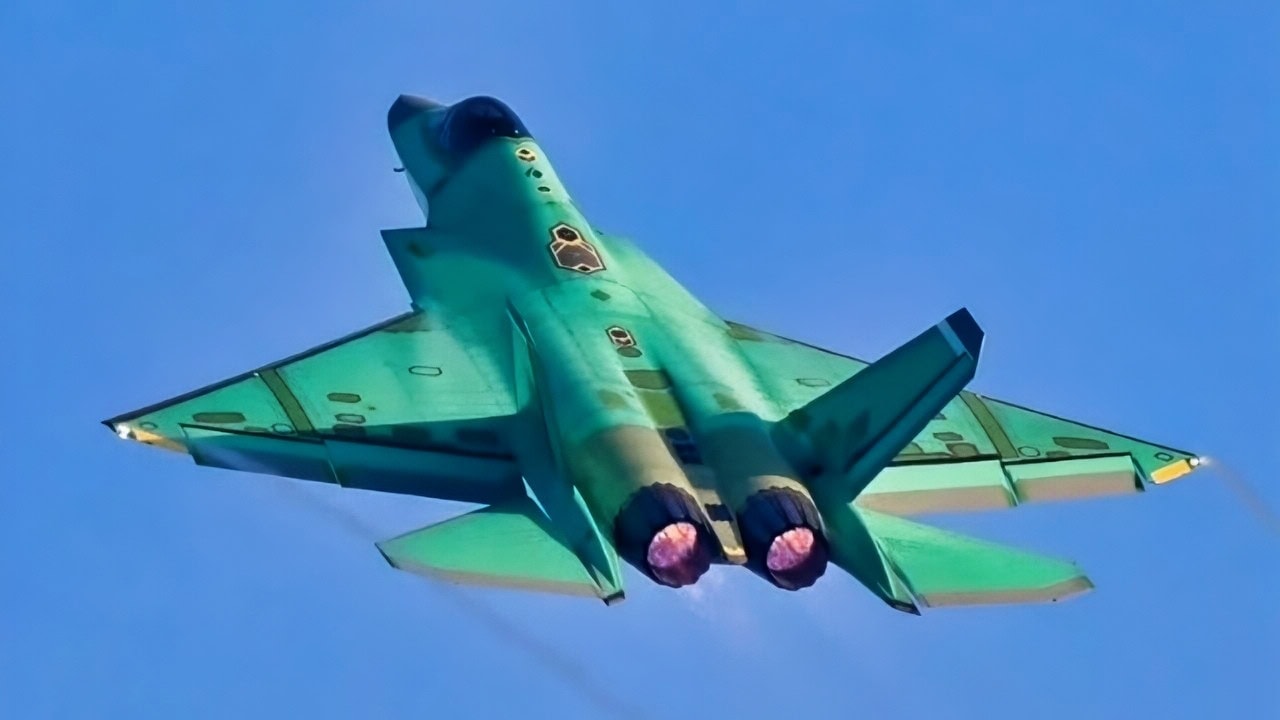
J-35A Stealth Fighter. Image Credit: Social Media Screenshot.
China suffered heavy casualties and struggled against a more experienced Vietnamese force that had spent decades fighting the French, Americans, and the Khmer Rouge.
Although China conducted limited border clashes with Vietnam throughout the 1980s, these engagements were small-scale and did not produce sustained joint warfighting experience. Since then, the PLA has not fought a modern, large‑scale war involving combined arms or expeditionary logistics. Entire generations of Chinese officers have therefore risen through the ranks without ever experiencing combat.
By contrast, the United States military has operated almost continuously in combat since the end of the Cold War.
The 1991 Gulf War marked the beginning of a period in which U.S. forces repeatedly deployed worldwide, first in high‑intensity conventional conflict and later in prolonged stabilization and counterinsurgency campaigns.
Operations in Kosovo, Afghanistan, Iraq, Syria, and elsewhere exposed large numbers of U.S. service members to real combat conditions.
As of writing this, Operation Epic Fury is on pause but could resume, marking the largest-scale military operation the U.S. has been involved in since the invasion of Iraq.
Over time, this created a deep well of institutional knowledge about how units perform under fire, how command structures cope with uncertainty, how logistics function in hostile environments, and how doctrine must adapt when reality diverges from plans.
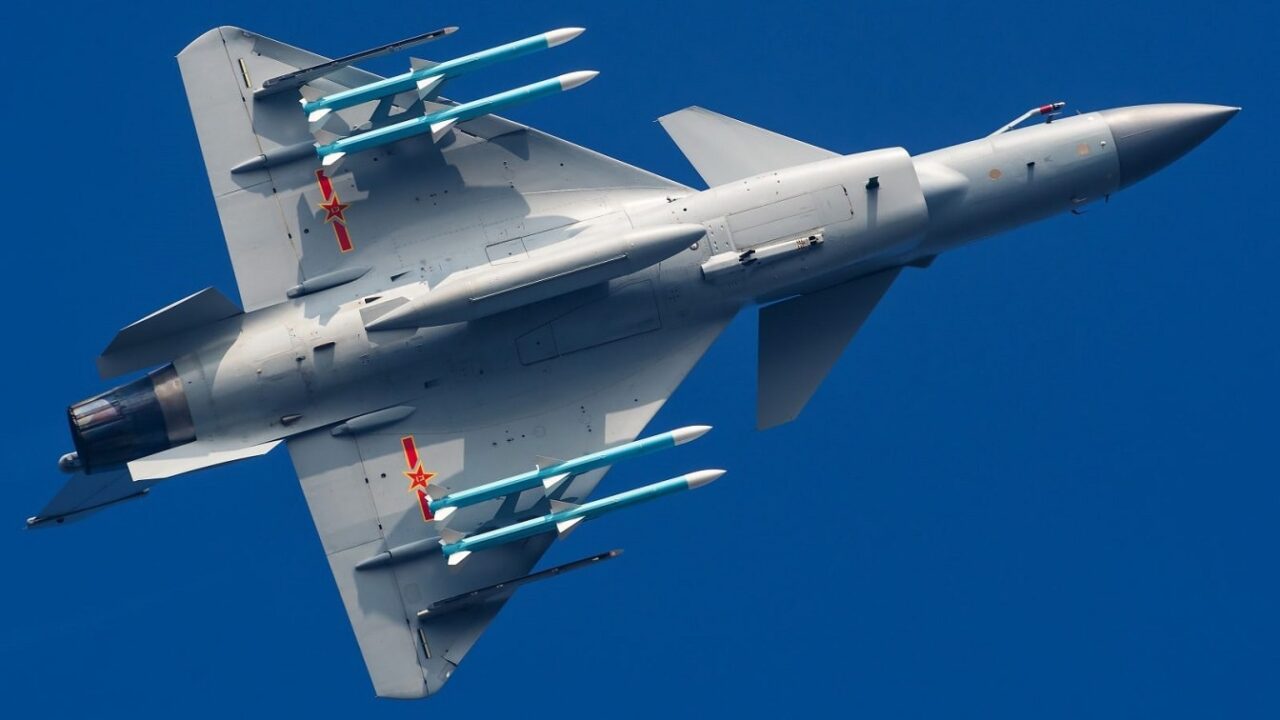
Chengdu J-10 Fighter Jet. Image Credit: Creative Commons.
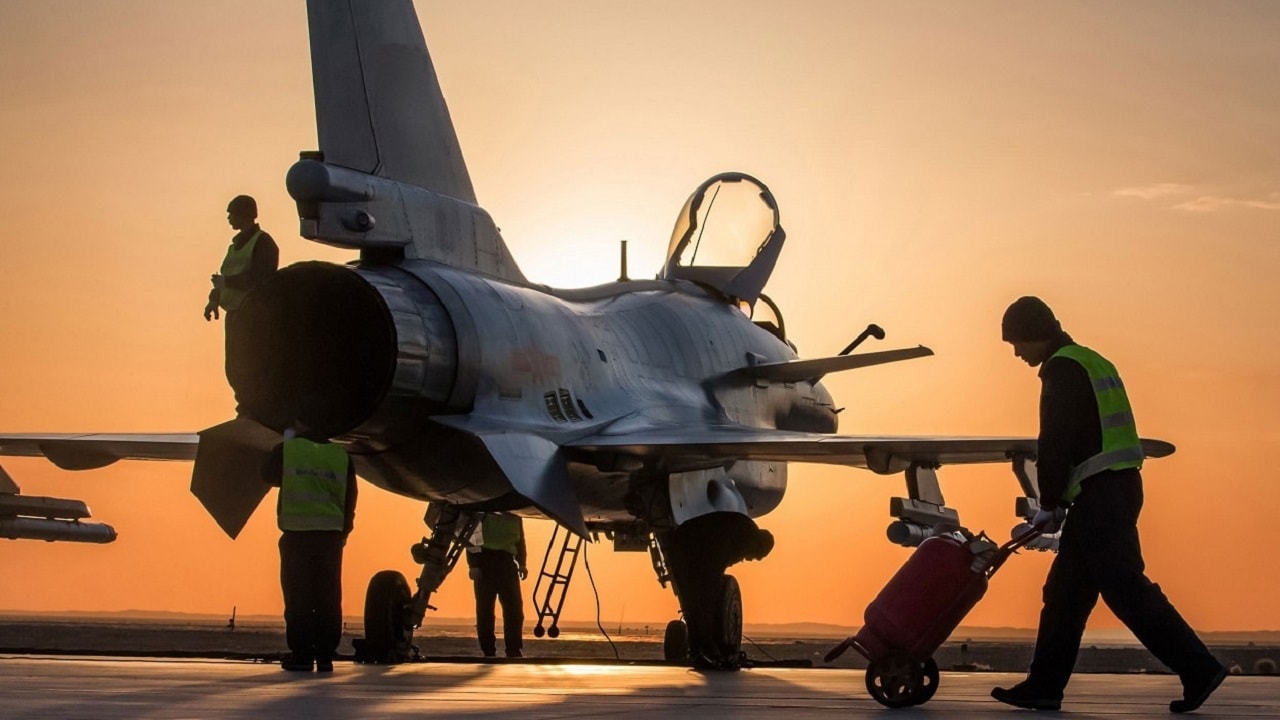
Chinese J-10 fighter. Image Credit: Creative Commons.
China’s Policy of Non-Aggression
One of the big cultural differences between the U.S. and China is that China does not view its lack of experience with shame as a problem. While the U.S. assesses the PLA and concludes it lacks sufficient combat experience to be a credible fighting force, the Chinese see their lack of combat experience as something to be proud of. Non-aggression is a state policy of the CCP and has been the cornerstone of China’s foreign policy since its establishment in 1954.
China’s lack of military experience is therefore the result of careful foreign policy decisions and a point often emphasized in official propaganda. The regime often boasts that, unlike Western powers, the CCP rose to superpower status without unnecessary wars of aggression.
This is not to say that the Chinese are right, or that their lack of experience is even a good thing (the CCP has engaged in many acts of aggression against its neighbors), but this is simply how China views its military and foreign policy.
Despite China’s foreign policy, combat experience is vital for a healthy military. No exercise, however complex, can fully replicate the psychological stress of real combat, where mistakes cost lives and plans break down in unpredictable ways.
In real war, commanders must make decisions with incomplete information, communications degrade or fail, and units suffer casualties that disrupt cohesion. Organizations that have fought wars accumulate hard‑earned lessons about what actually works when systems fail, doctrines collide with reality, and adversaries adapt. Those lessons shape instincts and judgment in ways that are difficult to teach artificially. T
his is not to say that nations should actively seek war to improve their military, but rather an admission that war is really good at exposing inertia and complacency within the chain of command.
Training Reforms
Chinese leaders are acutely aware of this gap. PLA writings and internal assessments frequently acknowledge the dangers of being a force that looks strong on paper but lacks battlefield validation.
Rather than ignoring the problem, the Chinese Communist Party has treated the experience deficit as something that must be mitigated through reform, training, and structural change. Over the past two decades, China has pursued an ambitious effort to build a military capable of fighting modern wars, despite having no recent experience doing so.
In recent years, China has dramatically changed its training methods to better mirror combat conditions. In the past, PLA exercises were scripted, politically choreographed, and were designed to show off military might rather than expose any potential weak points.
Outcomes in these exercises were often predetermined, failures were concealed, and commanders were rewarded for compliance rather than initiative. This changed gradually beginning in the 2000s and accelerated sharply under Xi Jinping.
Today, PLA training is more focused on realism and aims to replicate the uncertainties of real combat. Units increasingly face unscripted “blue force” opponents that are permitted to win exercises. Commanders are evaluated on decision‑making rather than adherence to rigid plans, and exercises are designed to surface weaknesses rather than hide them. Although this still falls short of real combat, it represents a genuine attempt to identify potential weaknesses and correct them.
About the Author: Isaac Seitz
Isaac Seitz, a Defense Columnist, graduated from Patrick Henry College’s Strategic Intelligence and National Security program. He has also studied Russian at Middlebury Language Schools and has worked as an intelligence Analyst in the private sector.