
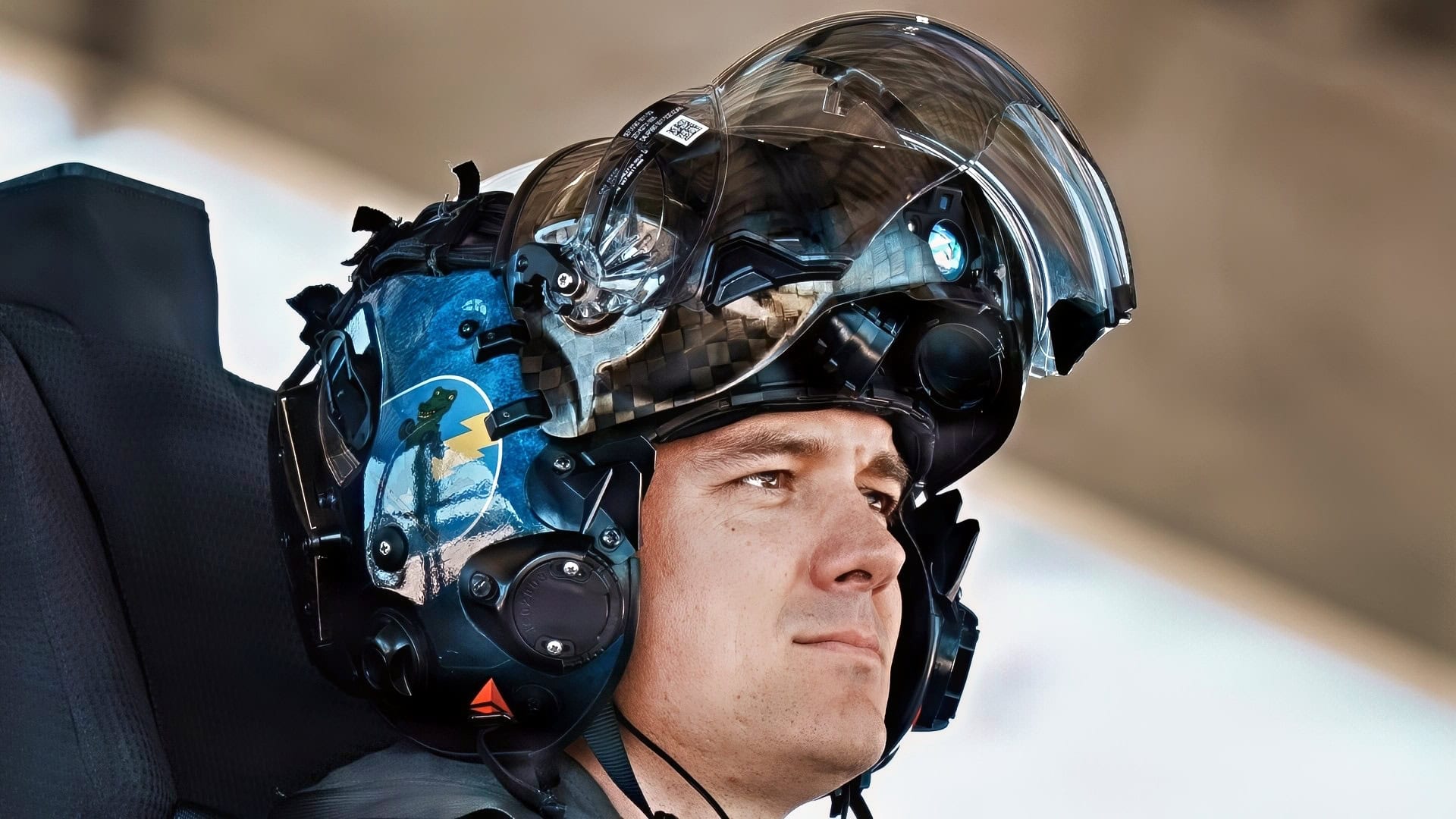
The Psychological Phenomenon That Causes F-35 Pilots to Forget Their Own Names After Hard Maneuvers – The US F-35 Lightning II is the most advanced fighter in the world, as the development of faster, more agile military aircraft depends not only on materials, fuel, and cost but also on pilots.
Modern military aircraft, such as the Lightning II, push pilots to their limits, constantly subjecting them to high G-forces that can lead to hypoxia. Hypoxia occurs when the body does not get enough oxygen, causing symptoms that include headaches, tunnel vision, and even unconsciousness.
When a pilot pushes an aircraft into a high-G turn or pulls up sharply, blood is forced from the pilot’s head down to his/her lower half. The heart is unable to effectively pump blood back to the brain, depriving it of an adequate blood supply.
Pilots often experience the “push-pull effect,” in which a negative-G maneuver followed by a positive-G maneuver increases the risk of loss of consciousness and subsequent retrograde amnesia (forgetting the immediate past).
The majority of people can withstand between 2 and 5 G-forces without being significantly affected.
G-LOC And The Temporary Impairment Of Pilots
The psychological phenomenon in which F-35 and other fighter pilots temporarily forget their own names or become disoriented after intense, high-G maneuvers is primarily caused by G-induced Loss of Consciousness (G-LOC) or by hypoxia due to extreme physical stress.
These maneuvers, often reaching 9+ Gs, pull blood away from the brain, leading to a state of altered perception and severe cognitive dysfunction.
The pilot doesn’t lose consciousness immediately, but the phenomenon can progress quickly. Pilots will normally experience visual cues before passing out, including “grey-out” (loss of color vision), peripheral vision loss (tunnel vision), and finally “black-out” (total loss of vision), followed by unconsciousness.
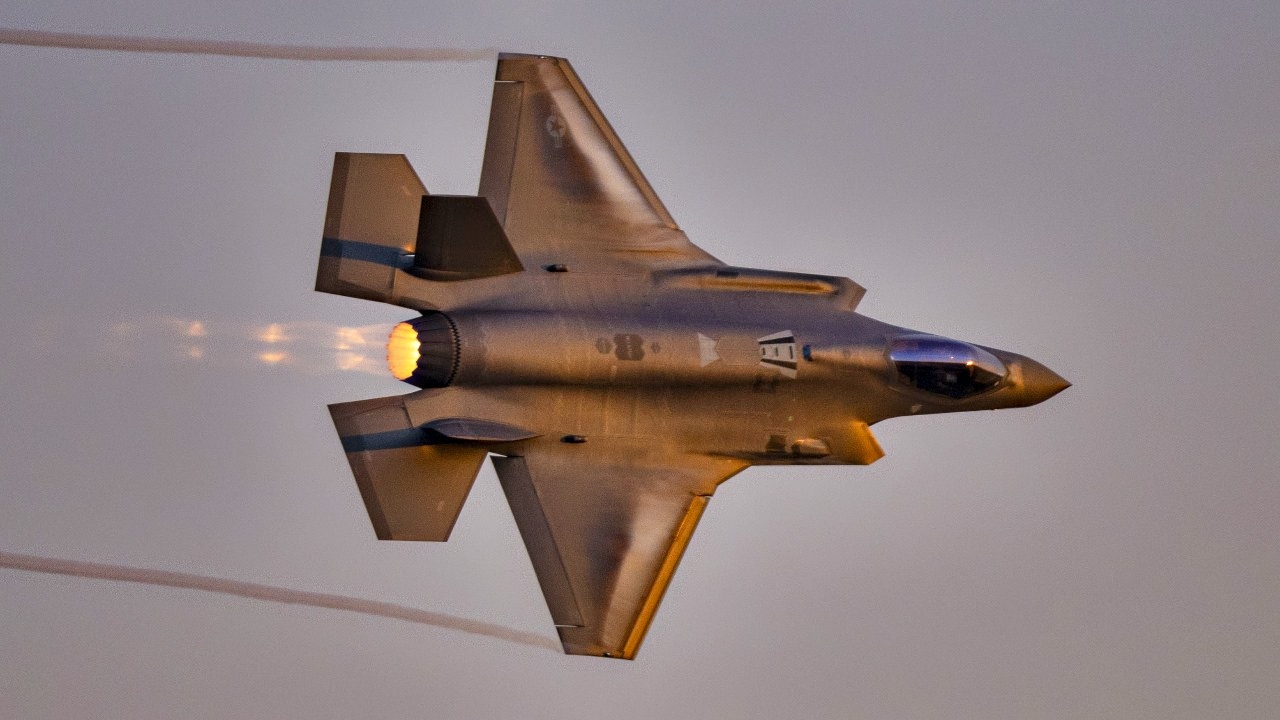
A U.S. Air Force F-35A Lightning II assigned to the F-35A Lightning II Demonstration Team performs at the Capitol Air Show over Sacramento, California, July 15, 2024. Innovations such as the F135 Smart Stacking Tooling Enhancement developed by the OC-ALC mechanics and engineers have significantly improved the rotor assembly process, increasing precision and enhancing the depot’s ability to produce the engine that powers the F-35 Lightning II. (U.S. Air Force photo by Staff Sgt. Zachary Rufus)
Upon regaining consciousness, a pilot may be in a state of confusion, known as “dreaming” or “confusion upon awakening,” in which they may experience cognitive disconnection and be unable to identify their name, location, or mission.
G-Force Tolerance Influences
Skybrary also points out that G-force “tolerance is influenced not only by the inherent susceptibility of an individual pilot but by day-to-day changes in their general physical state caused by factors such as their level of tiredness, any use of even simple medication, the after effects of previous alcohol consumption, a low blood-sugar level, self-imposed or environmental stress, dehydration or demanding physical activity undertaken prior to flight.”
During G-LOC, the pilot passes out and often experiences uncontrollable muscle spasms, commonly referred to as “the funky chicken”, and can be disoriented or amnesic upon waking up, which research using instrumented centrifuges usually occurs about 15–30 seconds later. This is what many F-35 pilots refer to when they temporarily forget their name.
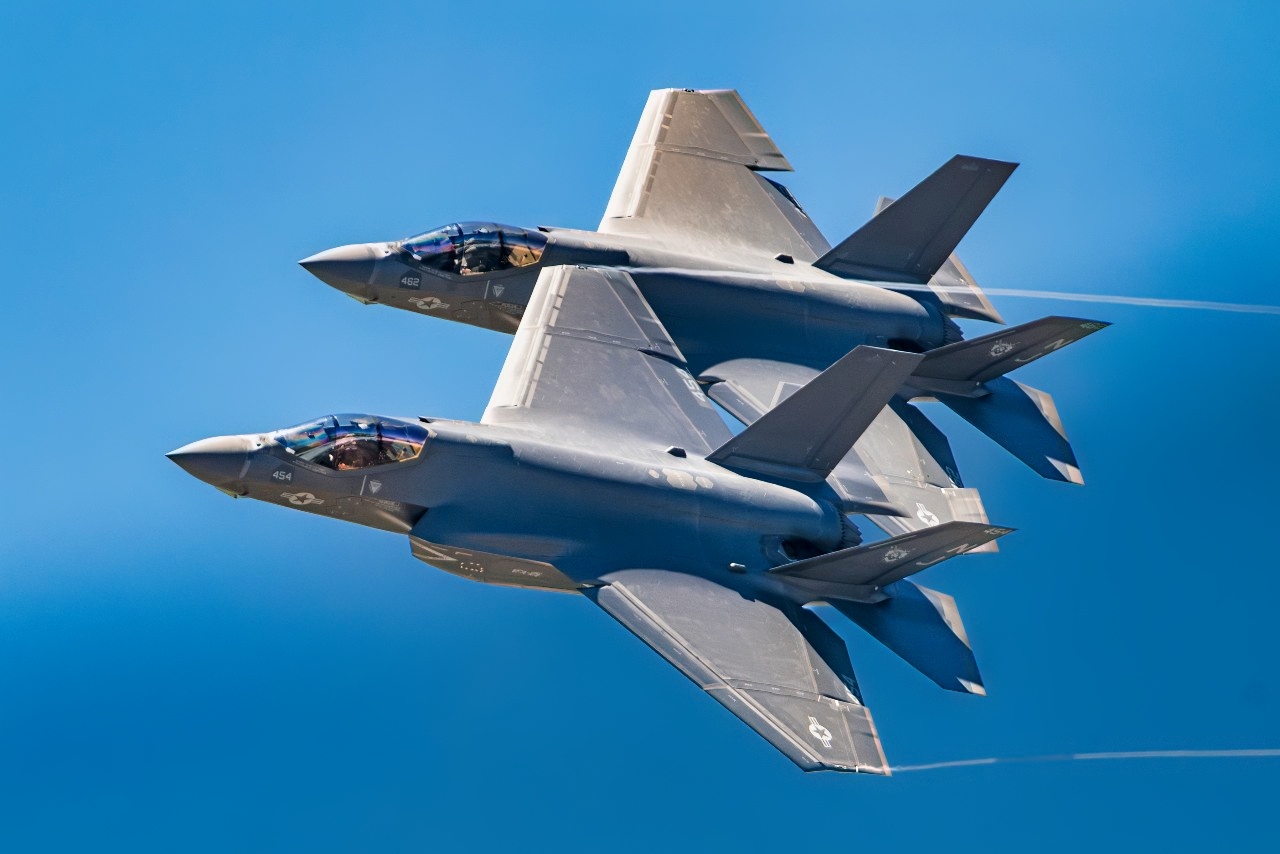
The U.S. Navy F-35C Lighting II Demo Team performs a flight demonstration at the Wings Over South Texas Air Show. This year’s air show marks Wings Over South Texas’s first return to Naval Air Station Corpus Christi since 2019.
What Is A-LOC (Almost Loss of Consciousness)?
The phenomenon known as A-LOC (almost loss of consciousness) produces genuine temporary cognitive impairment, including confusion about identity and location.
A-LOC is the is part of a spectrum of cognitive function impairment in which G-LOC is merely the ultimate stage. While suffering from the forces of A-LOC, a pilot retains the ability to respond to easily comprehensible alerts.
US Air Force, US Navy Research Teams
U.S. Air Force and U.S. Navy research on G-tolerance training has extensively documented these effects.
Wright-Patterson Air Force Base (AFB), through the Air Force Research Laboratory (AFRL) and the 711th Human Performance Wing (711 HPW), has been a central hub for studying G-Induced Loss of Consciousness (G-LOC) in fighter pilots.
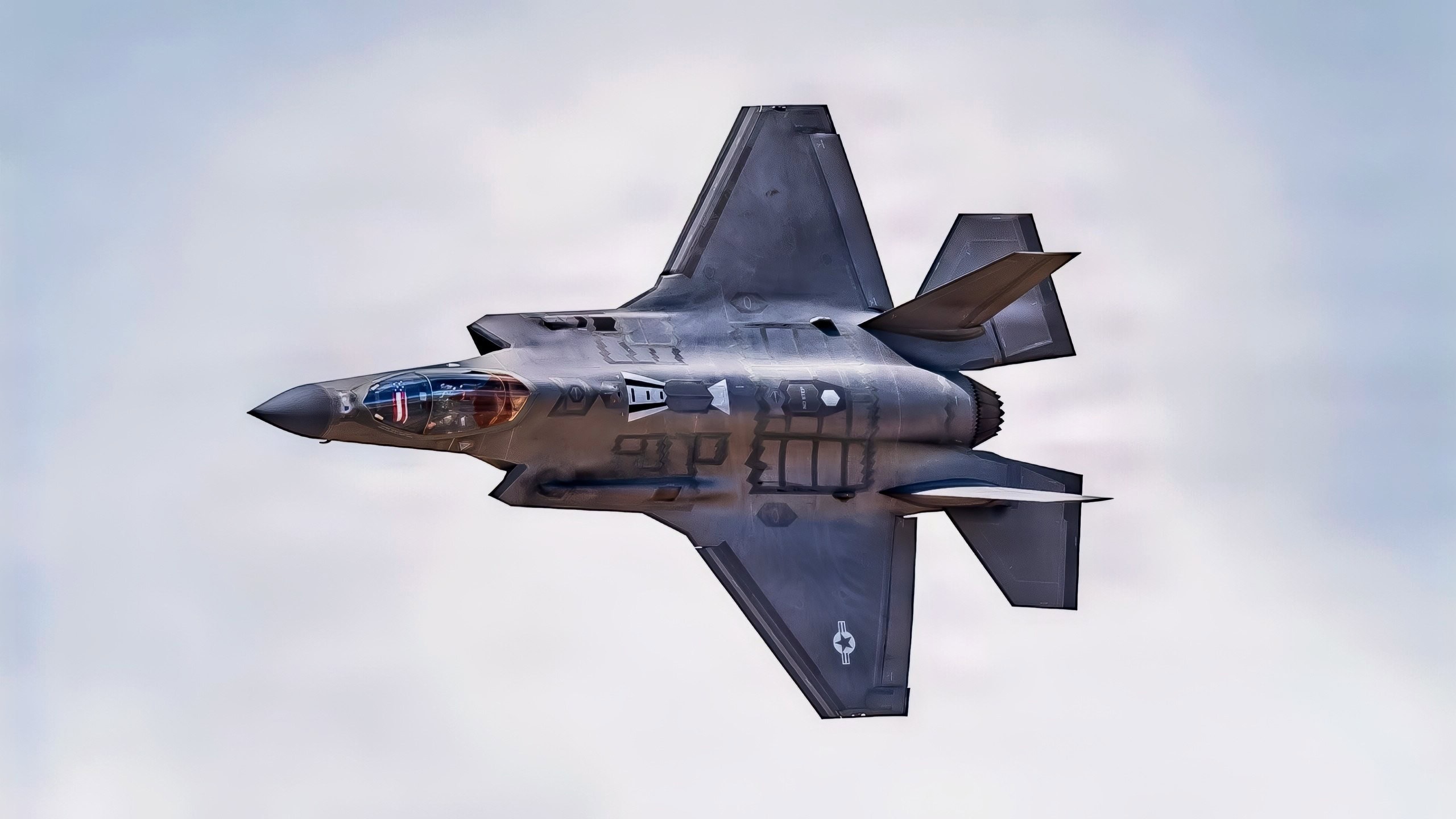
A U.S. Air Force F-35A Lightning II flies over the 56th Fighter Wing during Luke Days 2026, March 22, 2026, at Luke Air Force Base, Arizona. Luke Days 2026 highlights the precision and professionalism required to generate combat airpower and sustain the nation’s defense. Currently in operational service, the F-35A integrates stealth technology and advanced sensors to detect and defeat threats while maintaining air dominance. Opportunities for the public to see military aviation up close helps build appreciation for the readiness of the joint force. (U.S. Air Force photo by Senior Airman Belinda Guachun-Chichay)
Research has focused on understanding the physiological mechanisms of G-LOC, developing training techniques to enhance G-tolerance, and implementing automated systems to prevent aircraft crashes, often using the Dynamic Environment Simulator (DES) centrifuge.
Naval Air Warfare Center Aircraft Division (NAWCAD) at Patuxent River, MD, conducts extensive G-LOC (G-force-induced loss of consciousness) studies using human centrifuges to test pilot tolerances and life support systems, such as the Navy Combat Edge (NCE). Research focuses on mitigating risks from 9G+ maneuvers by evaluating equipment, training, and physiological countermeasures to prevent catastrophic aircraft mishaps.
How Does The Navy And Air Force Combat G-LOC?
Military services combat G-induced loss of consciousness (G-LOC) in pilots primarily through a combination of specialized protective equipment (G-suits), physical training techniques (AGSM), rigorous centrifuge training, and cockpit design enhancements. These methods work together to keep blood flowing to the brain under high acceleration.
The Anti-G Straining Maneuver (AGSM) is a two-part physical technique used by fighter pilots to combat high G-forces, preventing G-induced loss of consciousness (G-LOC) by keeping blood in the brain. It combines intense, continuous tensing of the leg/abdominal muscles with a “hook” breathing technique to increase chest pressure.
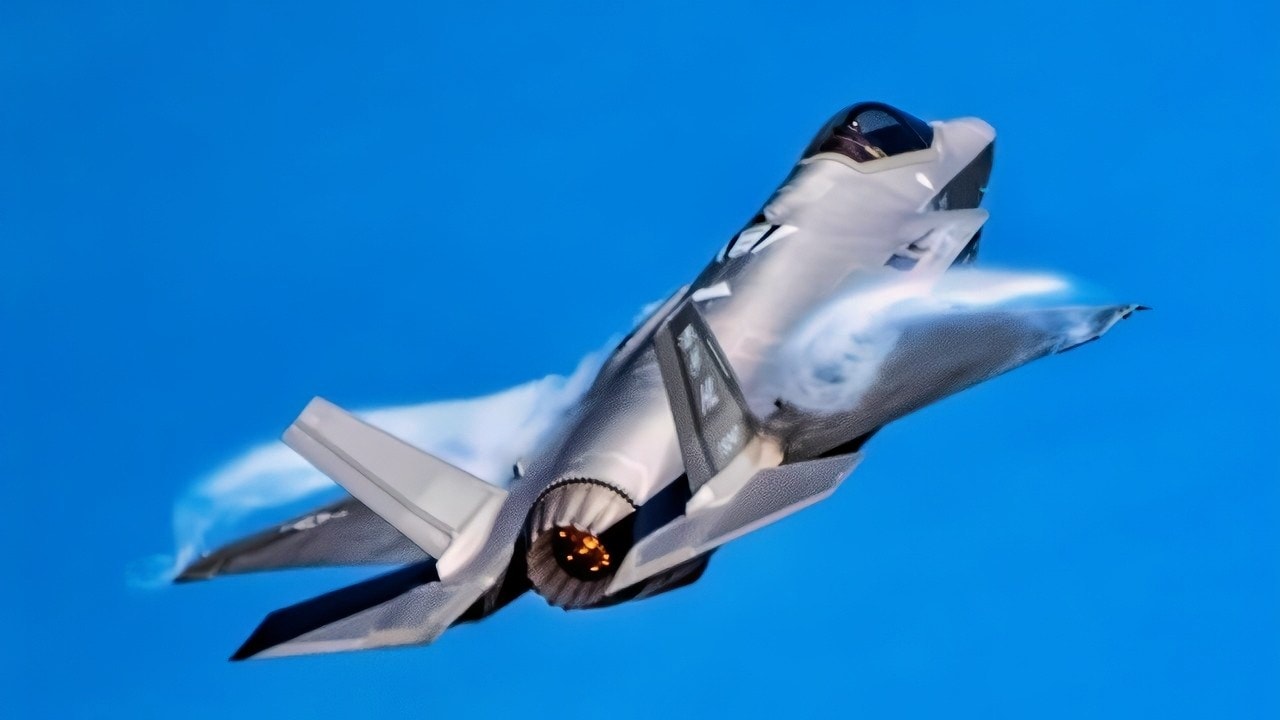
U.S. Air Force Maj. Kristin Wolfe performs a demonstration in the F-35A Lightning II during at the Reno Air Races in Reno, Nevada, September 19, 2021. The F-35 Lightning II Demonstration Team is based out of Hill Air Force Base, Utah. (U.S. Air Force photo by Tech. Sgt. Nicolas Myers)
The AGSM consists of a deep intake of breath, with active contraction of the legs, glutes, and abdomen, often described as “straining down” or trying to crush a walnut between your buttocks. The pilot holds his breath and grunts for about three seconds, then exhales explosively, and the process is repeated.
This act increases pressure in the lungs and chest and, in effect, supercharges blood pressure on the “inlet” side of the heart.
The G-suit is a tight-fitting garment that applies pressure to the pilot’s legs and abdomen using pressurized air (like a blood pressure cuff).
It is attached to the aircraft, measures the amount of Gs the pilot feels, and then automatically applies the appropriate pressure to prevent them from passing out. Working in conjunction with the AGSM, the G-Suit, or as some say, the Anti-G Suit, will allow a pilot to withstand a force of 6-Gs.
Rigorous training conducted by the services helps pilots alleviate the G-LOC phenomenon. In the Air and Space Forces article, training is the most significant factor in combating G-LOC.
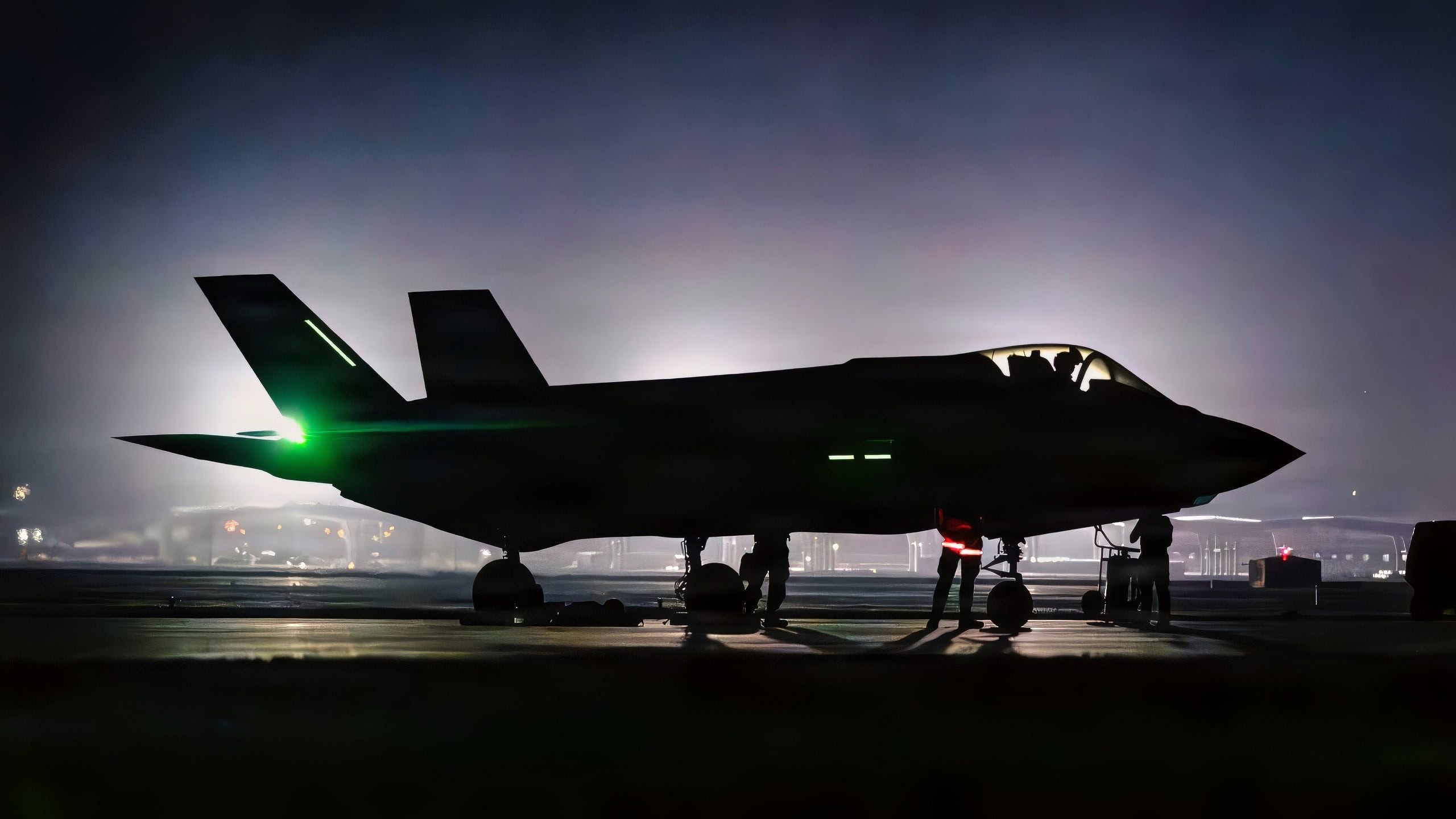
A U.S. Air Force F-35A Lightning II assigned to the 95th Fighter Squadron is parked on the flightline during exercise Noble Panther 26-4 at Tyndall Air Force Base, Florida, March 9, 2026. Airmen participated in night sorties, requiring them to perform their tasks in low-light conditions while staying watch for potential simulated attacks. These high-intensity, realistic scenarios were designed to build the confidence and muscle memory required for combat operations. (U.S. Air Force photo by Senior Airman Zeeshan Naeem)
“As the saying goes, ‘Pulling Gs makes you good at pulling Gs.’ It has been repeatedly observed that a long layoff from pulling Gs reduces one’s ability to tolerate that stress. Frequent exposure to high, sustained Gs probably causes increased reactivity in the cardiovascular system, or perhaps frequent exposure begets better straining technique.”
About the Author: Steve Balestrieri
Steve Balestrieri is a National Security Columnist. He served as a US Army Special Forces NCO and Warrant Officer. In addition to writing on defense, he covers the NFL for PatsFans.com and is a member of the Pro Football Writers of America (PFWA). His work was regularly featured in many military publications.