Putin is the Head of a Russian State on the Brink of Economic Collapse: Leonid Putin, meet Vladimir Brezhnev. Serious Russian economists are increasingly of the opinion that Russia is in deep trouble and that Putin’s policies are bringing it to the point of collapse.
In that sense, Putin’s Russia is following in the footsteps of Brezhnev’s USSR.
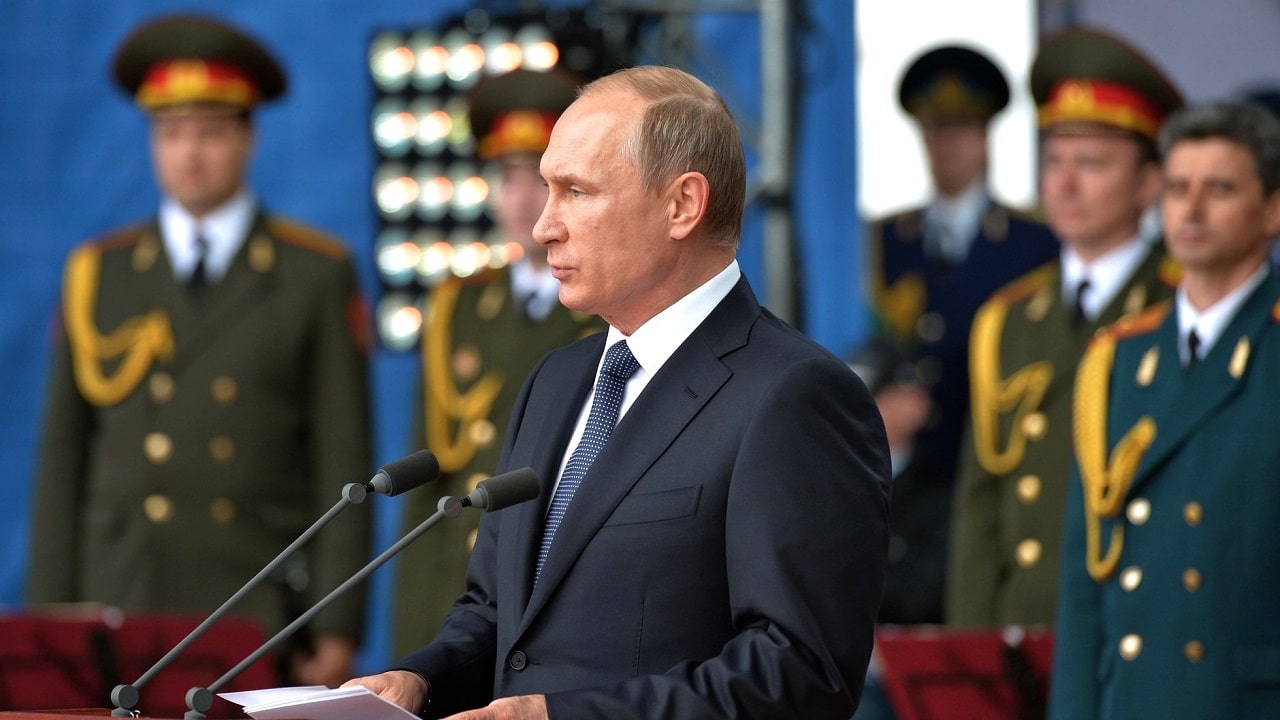
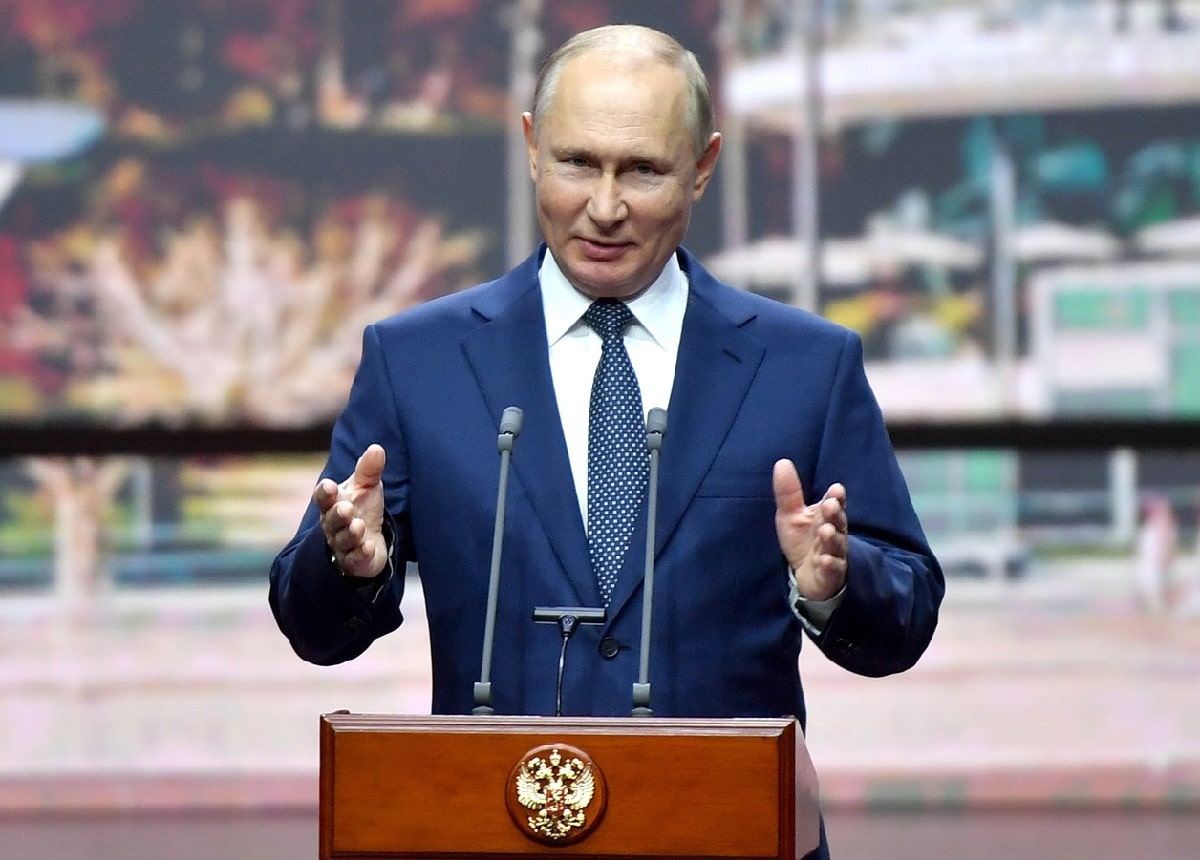
Vladimir Putin at the opening ceremony of international military-technical forum.
The Russian Economy Is in Trouble
A case in point is the view of one of Russia’s leading mathematicians, Academician Robert Nigmatulin, who told the Moscow Economic Forum in April 2026 that Russia’s economy is experiencing an existential crisis.
Reform won’t do the trick anymore. Restructuring—shades of Mikhail Gorbachev’s perestroika!—is imperative. But economic restructuring presupposes political restructuring, which is impossible as long as Putin remains in power and believes, correctly, that his survival hinges on continuing the war against Ukraine.
An ethnic Bashkir, the 85-year-old Nigmatulin is a distinguished member of the Russian Academy of Sciences. He served as the president of Bashkortostan’s Academy of Sciences and is a laureate of the USSR State Prize. In a word, he’s an authority, a full-fledged member of the Russian establishment, and no rabble-rouser.
His views must be taken seriously.
The Challenges Are Big for Moscow
Nigmatulin identified the following critical problems:
-Russians have the lowest disposable income in all of Europe, and China’s poorest regions are better off than Russia’s.
-Russia suffers from Europe’s highest mortality rate.
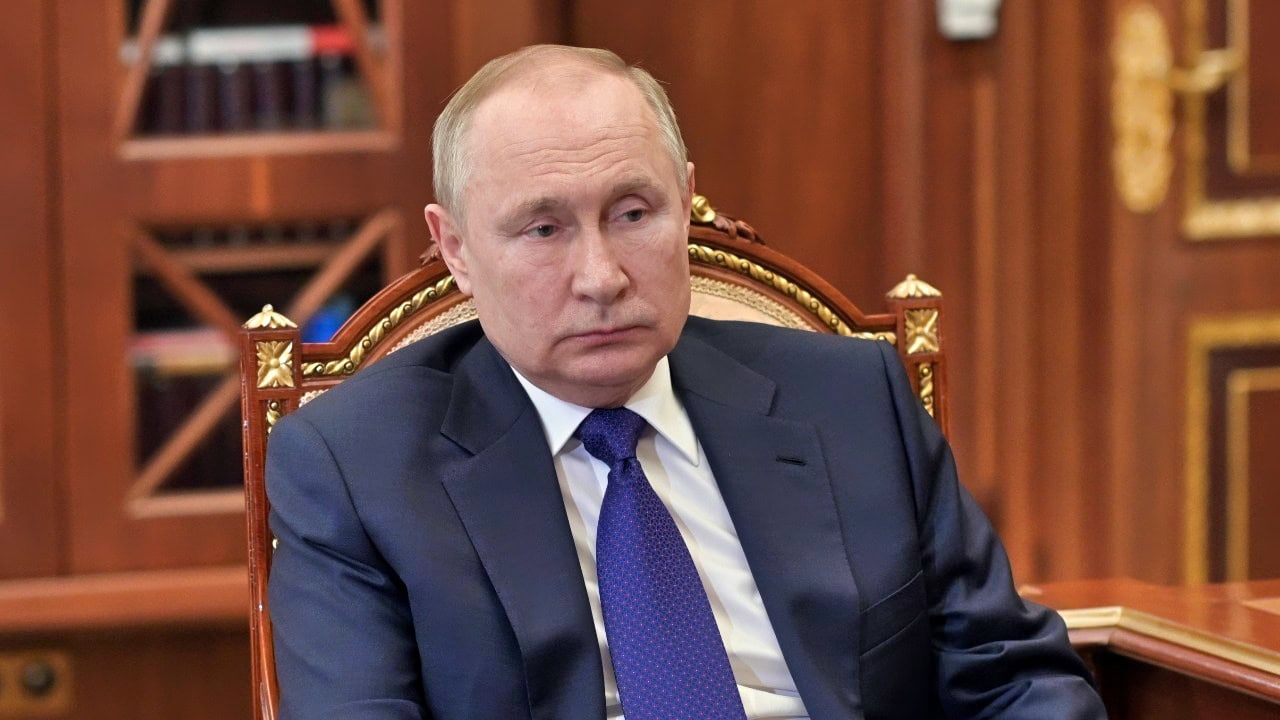
Russian President Putin. Image Credit: Creative Commons.
-In 2015-2025, GDP grew 1.5 percent per annum, while consumer prices rose 77 percent, and yearly inflation stood at 7 percent.
-Since 2012, none of Vladimir Putin’s economic decrees has been implemented.
-Investments are low and inefficient.
This is “no way to run the economy,” thundered Nigmatulin. Indeed, “the existing situation is a threat to the stability of the President’s rule under conditions of war ‘fatigue’ and horrific corruption…. The crisis will last long, and we are obligated to warn the President and society.”
Nigmatulin is not alone in his dire analysis of Russia’s economy. The dissident economist Igor Lipsits concurs, stating that Putin’s Russia is in worse shape than Leonid Brezhnev’s Soviet Union (thereby implying that Russia is on the verge of collapse) and is rapidly degrading.
Economists speak of developed and undeveloped countries, Lipsits says, but it may be time to introduce a third category: degrading countries such as Russia, which has nothing to offer the world economy besides oil and gas. Only a Marshall Plan could save Russia, but it’s almost impossible to imagine.
How to Save Russia
So, what is to be done? Nigmatulin has a few suggestions.
“It’s urgently necessary to overhaul the economy. The economic order must be fundamentally improved. And the leading cadres of the economic bloc in the Government, corporations, and regions must be replaced.”
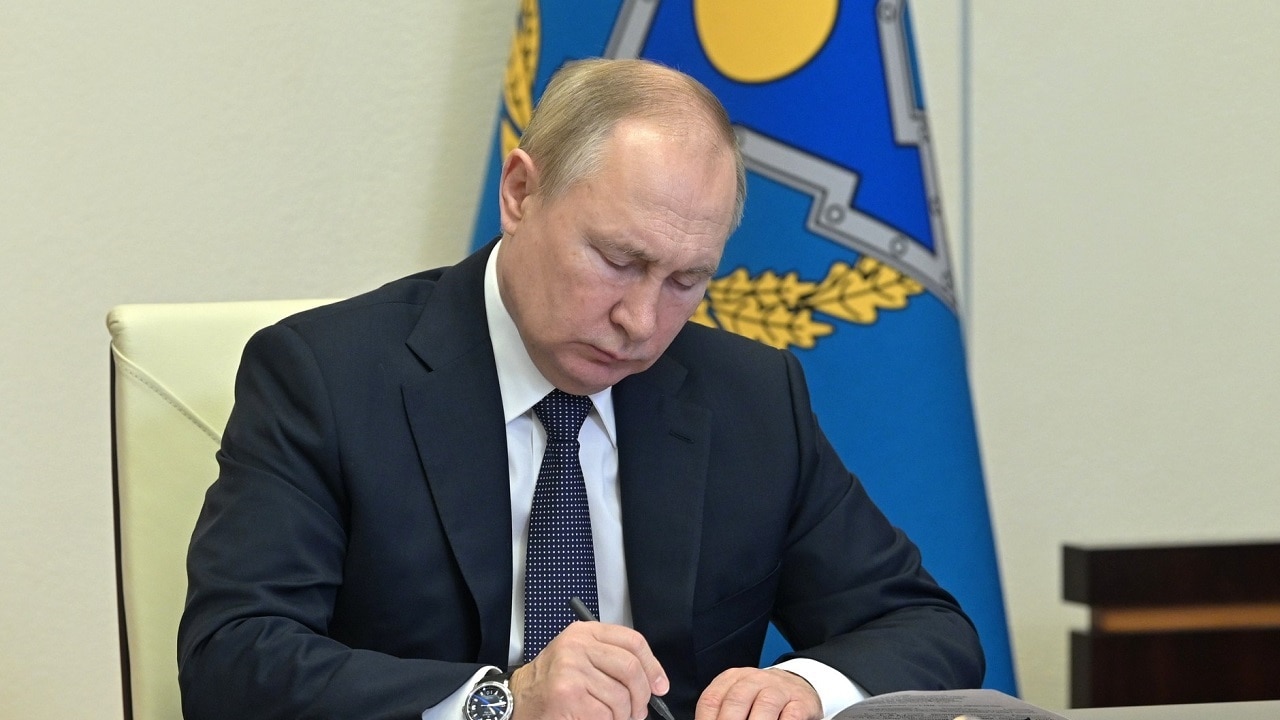
Russian President Putin. Image Credit: Russian Government.
“When the economy is not growing or contracting, taxes on production must be reduced (example: Reaganomics).”
“Investment projects must be selected on the basis of open competition and the expertise of specialists with different points of view.”
Nigmatulin ends his talk with this admonition: “We’re late! TIME DOES NOT WAIT!”
Except that in Putin’s Russia, time is rapidly moving backward, and it will continue doing so as long as Putin remains in control.
Like Gorbachev and Lipsits, Nigmatulin recognizes that the crisis is systemic, and nothing short of a full-scale transformation of the economy—as well as of crony capitalism, corruption, and bureaucratic stasis—will do the trick.
But that means overhauling the economy, which can happen only after Putin leaves, or is forced to leave, his office. The political-economic system Nigmatulin denounces is precisely what Putin, and not some nameless leading cadres, has created.
The Power Vertical Is Broken
Significantly, even the political half of that system appears to be far less efficient than Putin may imagine. When Nigmatulin states that none of Putin’s economic decrees have been implemented since 2012, he is in effect saying that the entire “power vertical” has broken down.
Which is exactly what one would expect from an overcentralized bureaucracy, in which corruption, buck-passing, and decision-avoidance are rampant. The only way to fix such a rotten system—or what Gorbachev called the “era of stagnation” under Leonid Brezhnev—is to rebuild it in its entirety, or perestroika.
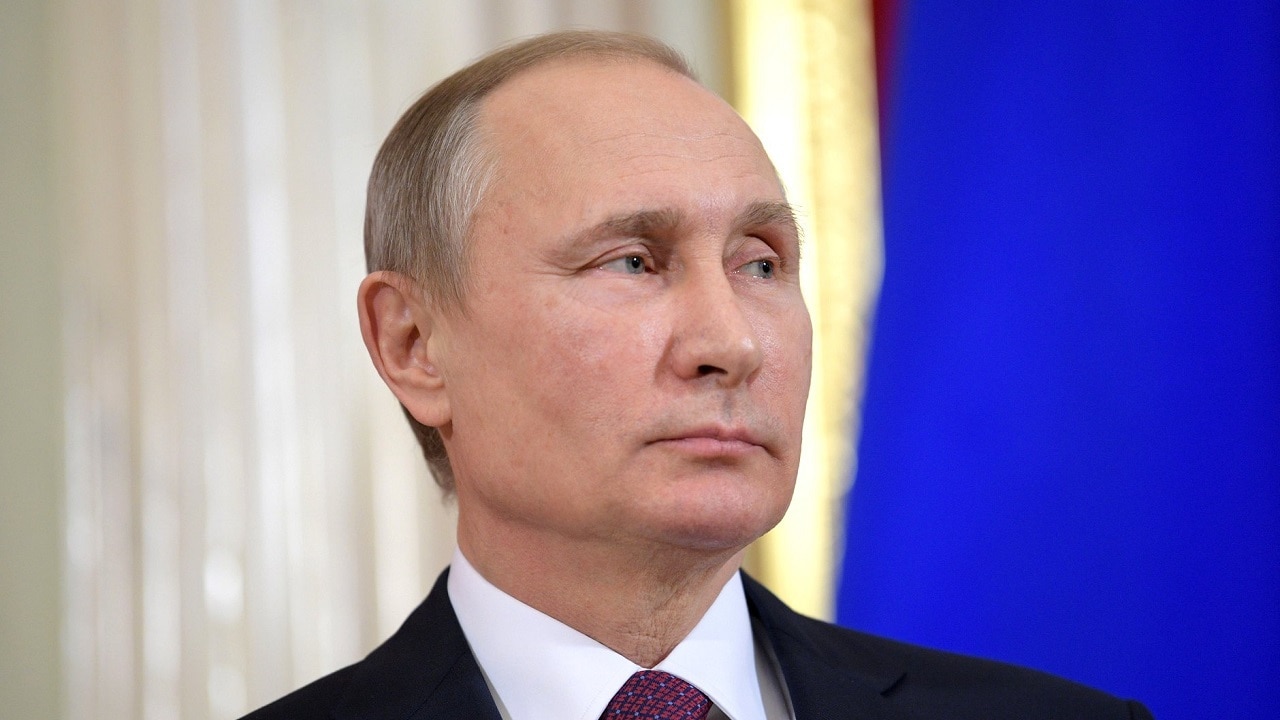
Russian President Putin.
Besides highlighting the many ills besetting Putin’s economy, Nigmatulin’s analysis has an added benefit. Given the stature and authority of its author, his critique should finally put to rest Western illusions about Putin’s economy and government. Both are dysfunctional and are a “threat to the stability of the President’s rule under conditions of war ‘fatigue’ and horrific corruption.”
And, as this statement implies, albeit obliquely, the war will not go well for Russia if existing conditions remain unchanged. It follows that the longer the war continues and the more dysfunctional the economy and government become, the greater the likelihood of Ukraine’s victory and Russia’s defeat.
About the Author: Dr. Alexander Motyl, Rutgers University
Dr. Alexander Motyl is a professor of political science at Rutgers-Newark. A specialist on Ukraine, Russia, and the USSR, and on nationalism, revolutions, empires, and theory, he is the author of 10 books of nonfiction, including Pidsumky imperii (2009); Puti imperii (2004); Imperial Ends: The Decay, Collapse, and Revival of Empires (2001); Revolutions, Nations, Empires: Conceptual Limits and Theoretical Possibilities (1999); Dilemmas of Independence: Ukraine after Totalitarianism (1993); and The Turn to the Right: The Ideological Origins and Development of Ukrainian Nationalism, 1919–1929 (1980); the editor of 15 volumes, including The Encyclopedia of Nationalism (2000) and The Holodomor Reader (2012); and a contributor of dozens of articles to academic and policy journals, newspaper op-ed pages, and magazines. He also has a weekly blog, “Ukraine’s Orange Blues.”