
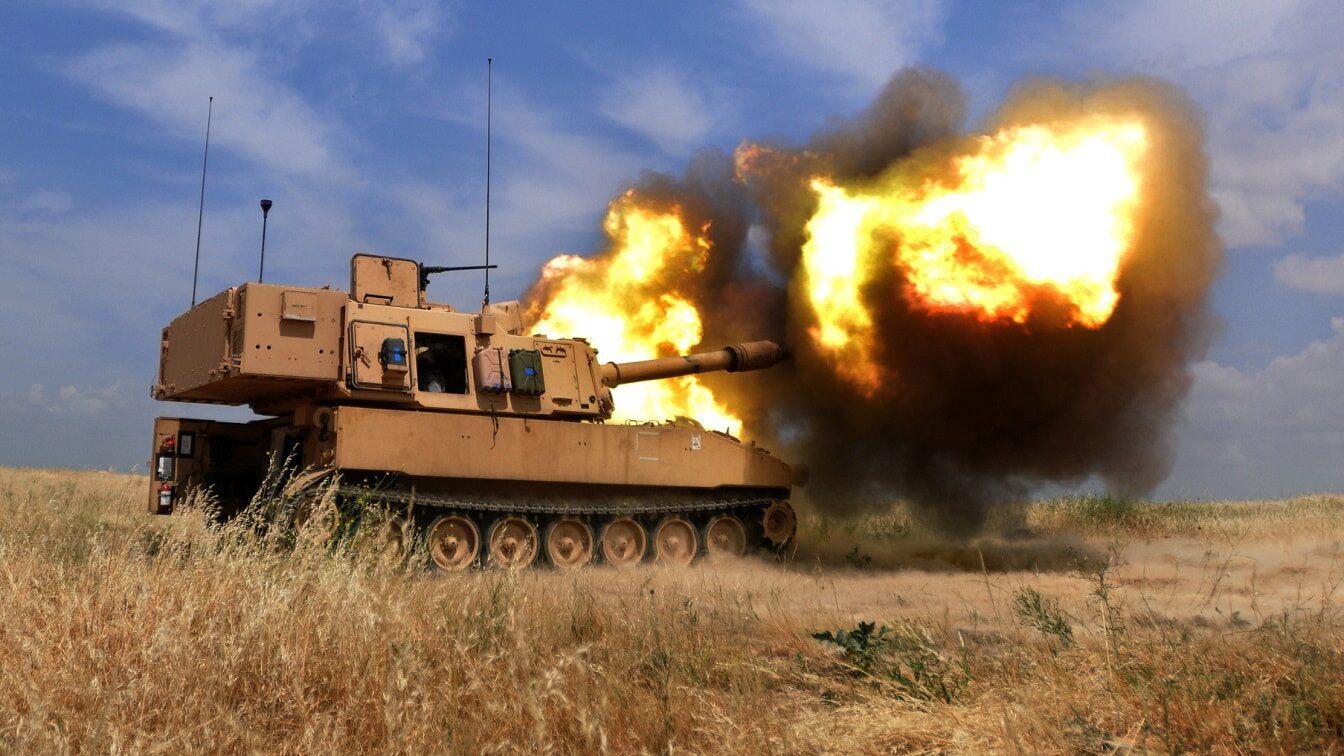
The conventional wisdom in Washington is that the Iran ceasefire now frees up American diplomatic energy to refocus on the war in Ukraine—but that reading gets the causality completely backward. Three rounds of U.S., Ukrainian, and Russian talks held in the UAE and Switzerland between January and February 2026 already collapsed before Operation Epic Fury even began, meaning the Ukraine peace track was buried as a dead letter days before the first bomb fell on Iran.
Putin: The Real Iran War Winner
Grant the optimistic reading Washington has settled on this week: Epic Fury is over, the Iran ceasefire is holding — however nominally — and American diplomatic attention can finally pivot back to Ukraine.
That reading gets the causality backward.
What Was Already Broken
Three rounds of US, Ukrainian, and Russian talks held in the UAE and Switzerland between January and February 2026 collapsed without producing anything. That failure predates Operation Epic Fury by days. When the bombing of Iran began on February 28, the Ukraine peace track was not interrupted — it was already a dead letter.
The Iran war did not divert American attention from a functioning diplomatic process. It buried a broken one, and buried it under conditions that suited one party to the conflict considerably more than the others.
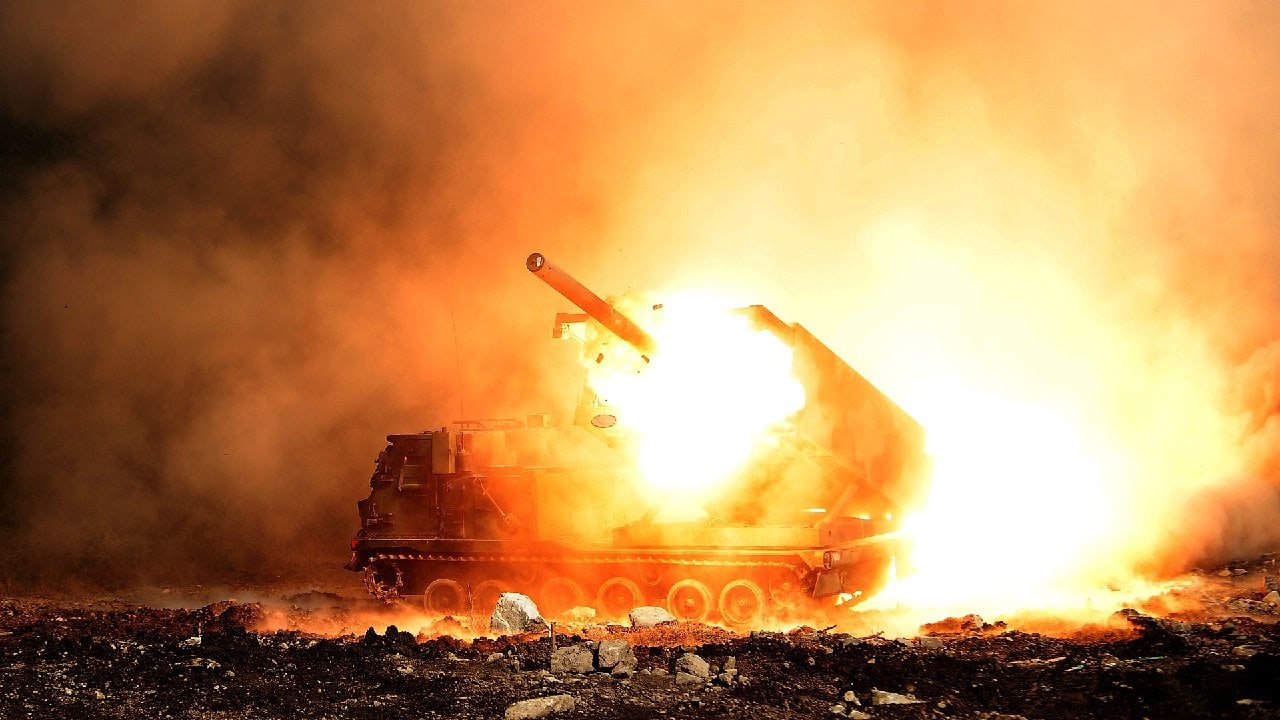
MLRS combat firing practice, Republic of Korea Army The 5th Artillery Brigade.
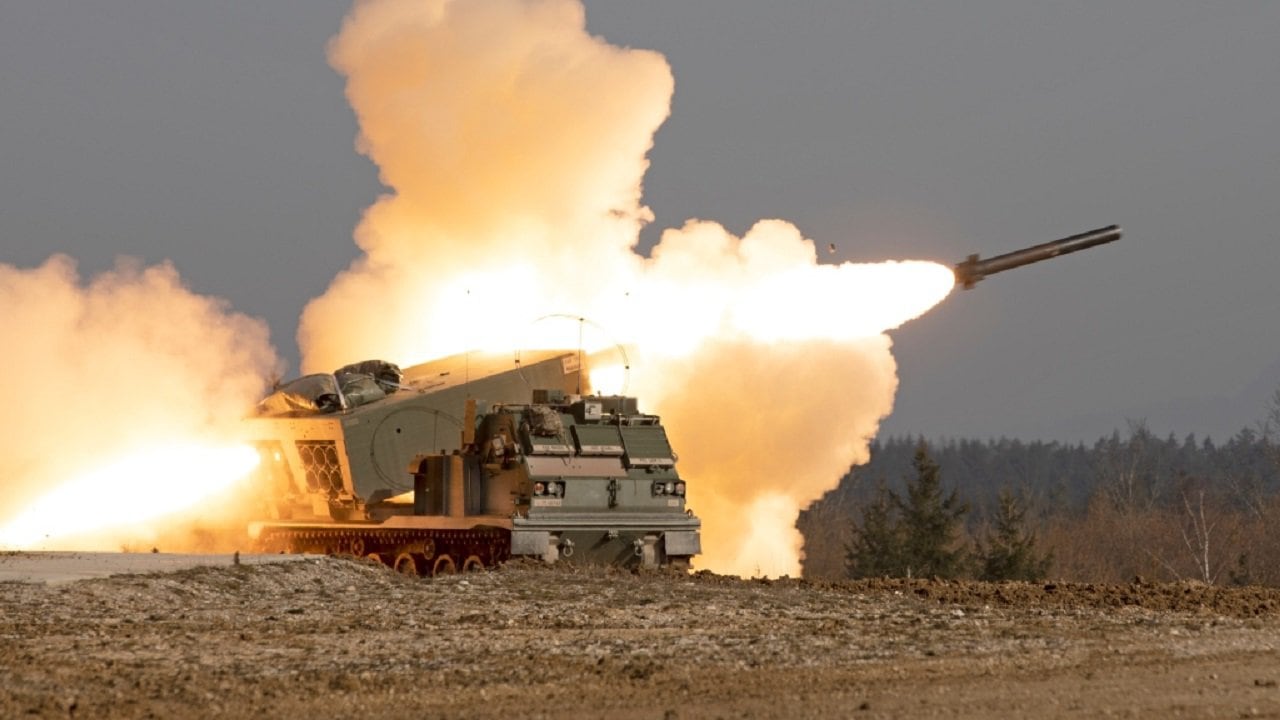
MLRS weapons system. Image Credit: Creative Commons.
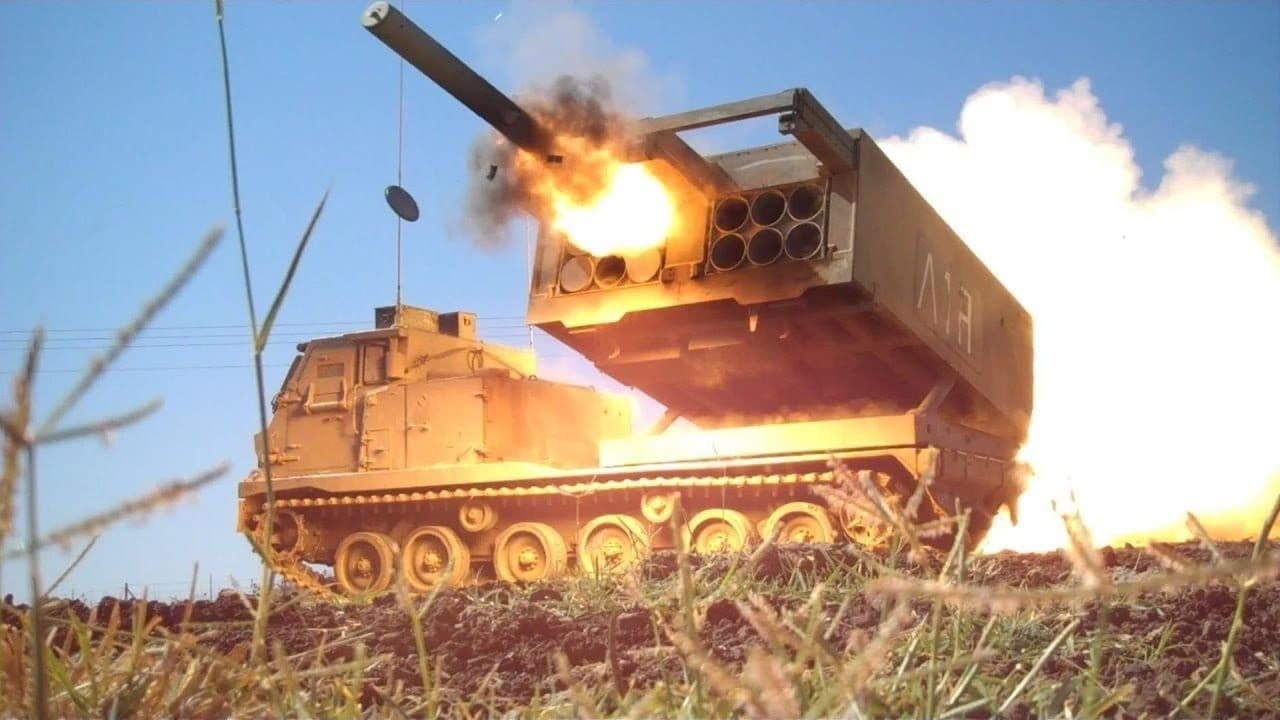
MLRS rocket system. Image Credit: Creative Commons.
The Transaction Nobody Is Naming
Trump’s phone call with Putin last week deserves more attention than it has received.
Putin offered Russia’s assistance in managing Iran’s enriched uranium stockpile. The offer arrived at the precise moment Trump needed a face-saving resolution to the thorniest technical issue in the Iran negotiations — and the Kremlin produced one, positioning Russia not as a sanctioned adversary seeking accommodation but as Washington’s indispensable partner in resolving America’s most urgent foreign crisis.
The same call was the one in which Trump floated the idea of “a little ceasefire” for Ukraine. Putin responded within days by announcing a Victory Day truce — a pause timed to a Soviet anniversary, and one that cost Moscow nothing. Russia’s strategic cooperation with Iran coincided with a Ukrainian ceasefire proposal that cost the Kremlin nothing. On May 5, the same day Rubio declared Epic Fury concluded, Lavrov requested a call with the Secretary of State covering both Iran and Ukraine in the same breath — Moscow doing the linking explicitly, and without embarrassment.
The sequencing alone doesn’t establish coordination, and it doesn’t need to — what it demonstrates is that Moscow produced a solution for Washington’s most urgent problem at the precise moment one was needed, and extracted no visible concession on Ukraine in return. Ukraine was the unspoken currency of that exchange, and treating it as anything else is a strategic error.
The Frozen Conflict by Design
Most analyses frame the Ukraine stalemate as a negotiating failure — two sides with incompatible positions that no mediator has yet bridged. That framing understates what is actually happening.
Russia’s demands have not shifted a single degree throughout this period. Moscow still insists on recognition of all four claimed oblasts — including substantial territory its forces have never occupied — Ukraine’s permanent exclusion from NATO, and a ceiling on Ukrainian military strength that would render any security guarantee meaningless in practice. Ukraine submitted a 20-point counterproposal in late 2025; the Russian Foreign Ministry announced it had never received the document.
The frozen conflict is not the product of failed mediation — it is Moscow’s preferred end state, and the structural logic is not complicated. Indefinite limbo forecloses Ukraine’s NATO pathway, stalls reconstruction, and prevents any normalization of its military posture, while Russia rebuilds its industrial base behind a ceasefire line that looks, on a map, like a border.
Europe has been genuine in its efforts to fill the gap — the coalition of the willing is real, and the security guarantee framework has taken shape around a Trump commitment to serve as a hard-force backstop. But Russia has rejected any NATO-country presence on Ukrainian soil, and security guarantees without credible American enforcement are precisely the structural ambiguity a frozen conflict is built to exploit.
Rearming is a multi-year project, and the diplomatic window for Ukraine is not.
What This Means for Washington
Zelenskyy told European leaders in Yerevan this week that summer would force Putin’s hand — expand the war or move toward diplomacy. That read is probably correct. But note what it reveals: Ukraine is waiting on a Russian decision rather than forcing one. That asymmetry defines where the leverage actually sits, and it has nothing to do with the Strait of Hormuz.
The scenarios in which this breaks differently are not zero. Trump could arrive at Ukraine negotiations with Iran-derived momentum and press for genuine concessions rather than be drawn into Putin’s framing.
Russian economic strain could intensify without the full mobilization Putin has so far avoided. The degradation of Iran’s proxy network could eventually reduce one element of Moscow’s broader leverage architecture in ways that register in the Ukraine calculus.
None of that is in the observable record. What is in the record is a ceasefire offered as a gesture, a uranium offer extended as a transaction, and a peace process that was already failing before the Iran war gave Moscow 10 additional weeks to let it fail completely.
The frozen conflict was not born from the Iran war — it predates Epic Fury by years, rooted in Russian demands designed to be rejected and a mediation track already failing when Washington’s attention moved elsewhere.
What the Iran war gave Putin was something more useful than battlefield advantage: ten weeks during which Washington needed Moscow more than Moscow needed Washington, and a transaction that recast Russia from a sanctioned pariah to an indispensable partner — at no cost to the Kremlin in Ukraine.
That is the Ukraine problem Washington should be focused on — and a ceasefire with Iran is not the answer.
About the Author: Dr. Andrew Latham
Andrew Latham is a professor of international relations and political theory at Macalester College in Saint Paul, MN. You can follow him on X: @aakatham. He writes a daily column for 19FortyFive.com.