
Is the Trump administration’s war with Iran ever going to end? The Memorandum of Understanding that was expected to set terms for the negotiation of a permanent peace between Iran and the United States has failed, with the countries now regularly exchanging fire and no talks on the horizon.
Israel, a co-belligerent of the US, has not acknowledged the need for a cease-fire and continues to threaten to spoil any peace efforts.
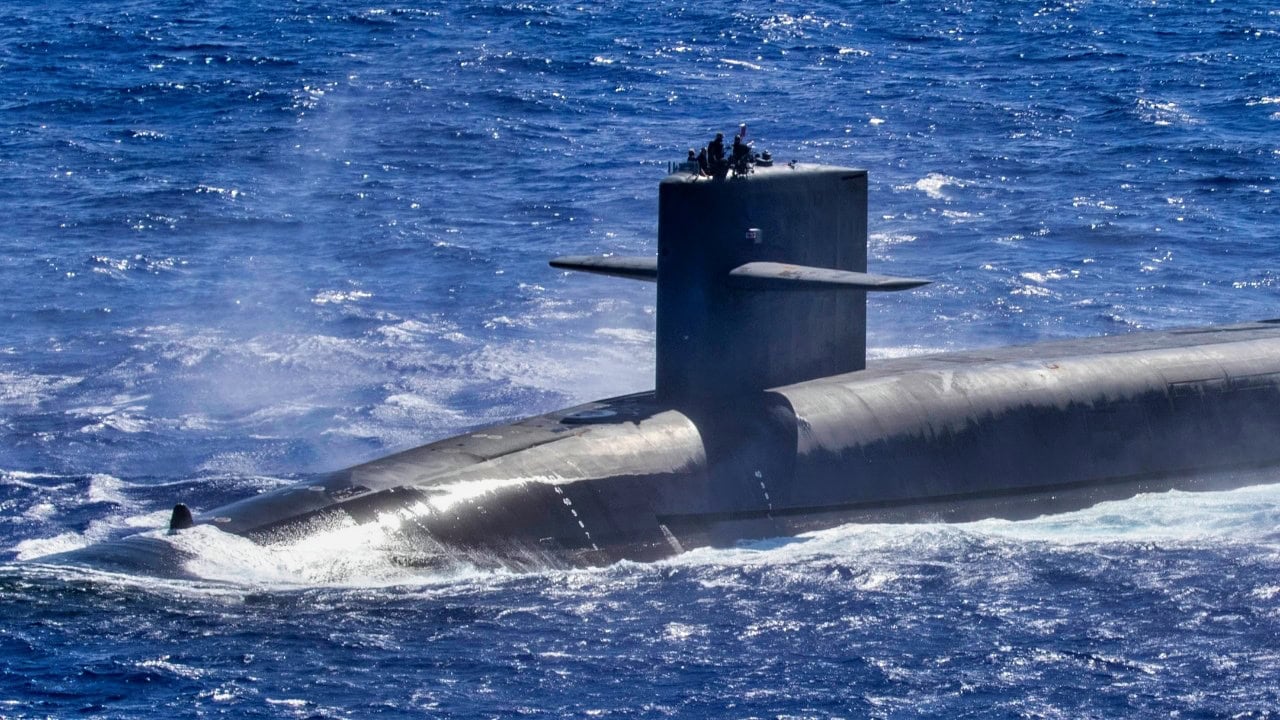
PACIFIC OCEAN (June 28, 2024) – An AS-332 Super Puma assigned to the Lewis and Clark-class dry cargo ship USNS Cesar Chavez (T-AKE 14) delivers supplies to the Ohio-class ballistic missile submarine USS Louisiana (SSBN 743) during a vertical replenishment at sea, June 28, 2024. The presence of the SSBN in the Pacific demonstrates the flexibility, survivability, readiness, and capability of the U.S. Navy submarine forces and complements the many exercises, training, operations, and other military cooperation activities conducted by Strategic Forces to ensure they are available and ready to operate around the globe at any time. Homeported in Bangor, Washington and currently assigned to Submarine Squadron 17, Louisiana is an undetectable launch platform for submarine-launched ballistic missiles, providing the United States with its most survivable leg of the nuclear triad. (U.S. Navy Photo by Mass Communication Specialist Seaman Andrew McPeek)
A War With No Ending In Sight
Wars end for lots of reasons. The military situation may make it impossible for one side to continue. Both sides may determine that the game isn’t worth the candle, and bargain to find some kind of settlement to pre-empt additional fighting.
Domestic coalitions can shift in response to the progress of a war, creating new factions and changing the political balance of power. Finally, events may shift the perspective of leaders on either side, generating momentum for peace.
So what does this say about when the war in Iran might end?
The Trump administration seems to swing between the belief that it can win the war by destroying Iran’s capacity to resist and the idea that some obvious bargain exists that a rational Iran can be dragged into, for its own good.
For their part, the Iranians seem to be putting their faith in American domestic politics and in the mercurial nature of President Trump.
They seem increasingly confident that Trump rarely follows through on even his aggressive commitments, and that he senses acute electoral vulnerability if he fails to address the war’s economic impact on American consumers.
One thing that will certainly not end the war is an amateurish effort at a peace agreement.

The Ohio-class guided-missile submarine USS Florida (SSGN 728) departs Naval Submarine Base Kings Bay. Florida will perform routine operations while at sea. (U.S. Navy photo by Mass Communication Specialist 1st Class James Kimber/Released)
The failed Memorandum of Understanding that established a shaky ceasefire in the spring has now collapsed completely.
While in some sense an admirable effort to end the conflict, the MOU failed to establish the conditions under which further diplomacy might prosper.
Instead, it unintentionally created definitional misunderstandings and negotiation chokepoints that made a resumption of war extremely likely.
In particular, the MOU did not establish a shared understanding of the status of the Strait of Hormuz, a key issue that has now led to the resumption of conflict.
This was only one problem; however, the MOU’s ambiguous treatment of disagreements over sanctions, nuclear material, and reparations created unnecessary tensions and laid the groundwork for disputes that could easily lead to further war.
So where does this leave us? The Trump administration may well continue on its two-pronged effort to drive Iranian concessions, trying to destroy Iranian military capacity on the one hand while leaving the door to sanctions relief open on the other.
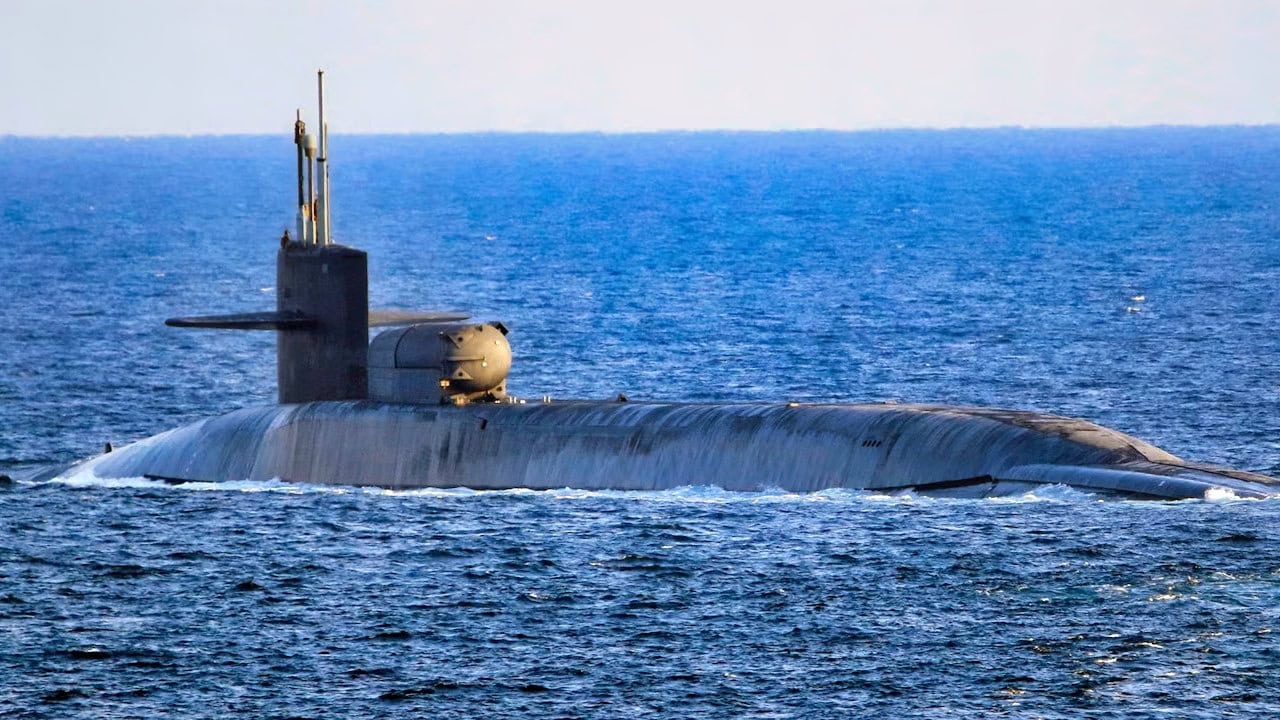
Ohio-Class SSGN Submarine U.S. Navy.
Eventually, from Trump’s point of view, the Iranians must come to understand their own best interests and give up on all this nonsense.
From Iran’s point of view, indefinite extension of the war puts pressure on Trump’s domestic coalition and on his partners in the Gulf. Eventually, out of a sense of enlightened self-interest, Trump must come to the table and grant Iran the concessions that it needs to declare victory in the war.
These two realities aren’t quite mutually incompatible, but it will take some diplomatic wizardry to conjure a binding, enduring agreement.
The current US negotiating approach involves building a team close to President Trump but short on formal, professional expertise… and unfortunately, this approach is likely to continue to fail. It may be necessary for the middlemen- Qatar, Saudi Arabia, Pakistan- to do the bulk of the work necessary to conclude the first stages of a viable agreement.
The Iran War Challenge Won’t Go Away
It’s cliché, but the best way to end a bad war is to refrain from starting it in the first place. The Trump administration launched the current conflict from a position of unwarranted optimism and an ill-defined strategy of success.
The second best way to end a war is simply to stop fighting it, but for reasons of psychology and domestic politics, such a course is often more difficult than it sounds.
President Trump is allergic to the idea of defeat and deeply concerned about the coherence of his political coalition, but simply wanting to win isn’t sufficient to bring about victory.
Similarly, the Iranian government faces factional fighting over who will control the Strait and, indeed, the state. If the President and his advisors cannot find a way to bring these perspectives together, the war will continue, and the world will need to keep muddling through.
About the Author: Robert Farley, PhD
Robert Farley, PhD, has taught security and diplomacy courses at the Patterson School since 2005. He received his BS from the University of Oregon in 1997 and his Ph. D. from the University of Washington in 2004. Dr. Farley is the author of Grounded: The Case for Abolishing the United States Air Force (University Press of Kentucky, 2014), the Battleship Book (Wildside, 2016), Patents for Power: Intellectual Property Law and the Diffusion of Military Technology (University of Chicago, 2020), and most recently Waging War with Gold: National Security and the Finance Domain Across the Ages (Lynne Rienner, 2023). He has contributed extensively to a number of journals and magazines, including the National Interest, the Diplomat: APAC, World Politics Review, and the American Prospect. Dr. Farley is also a founder and senior editor of Lawyers, Guns and Money.