
Donald Trump, in his three presidential campaigns, vowed to get the United States out of “forever wars,” and also to avoid starting new ones.
He has accused his various election opponents of wanting to take America into wars that he would avoid, and after returning to the White House, Trump has frequently touted how many wars he has ended, which has required him to significantly stretch the definitions of words like “wars” and “ended.”
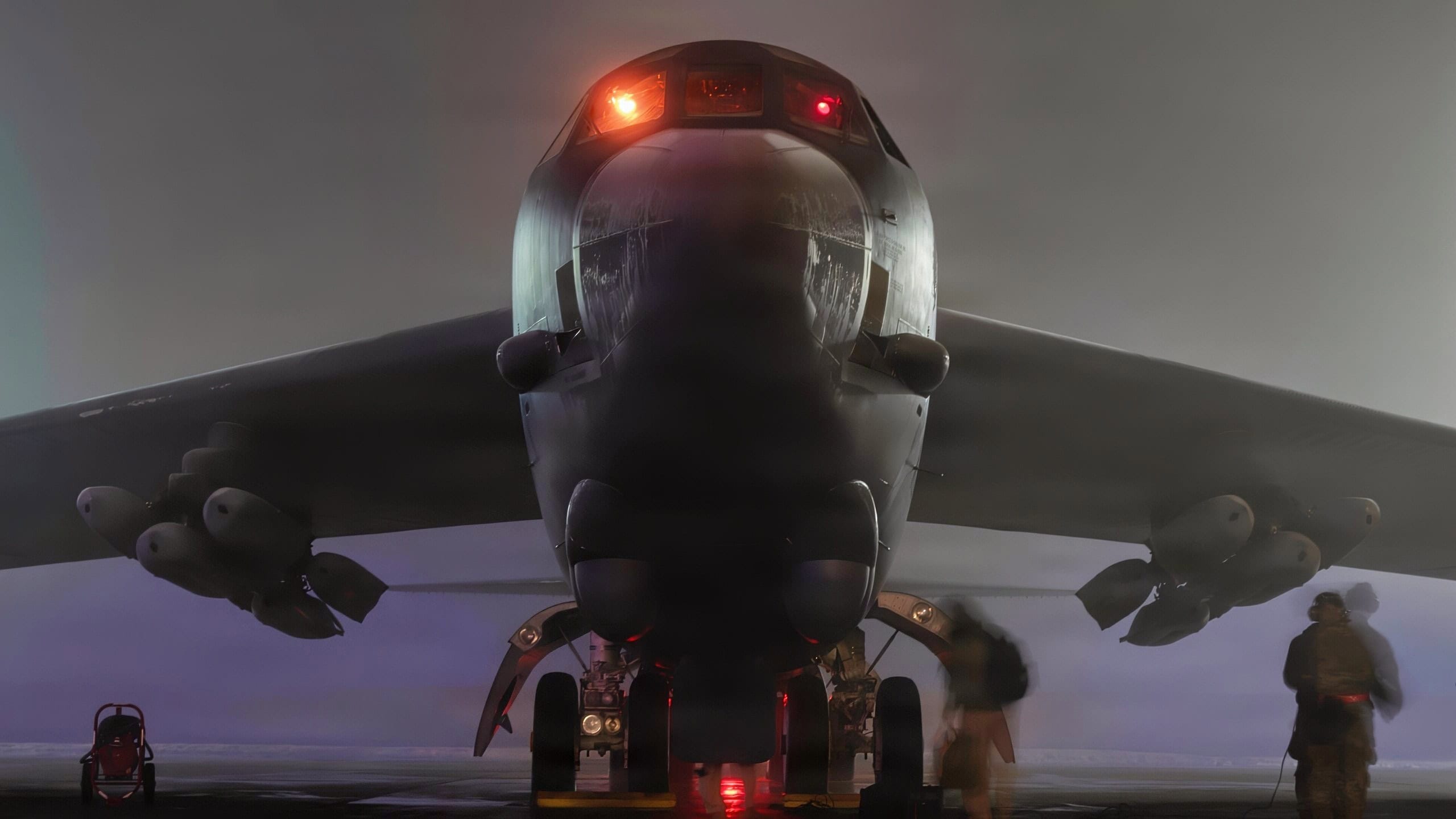
Aircrew members board a B-52H Stratofortress prior to taking off in support of Operation Epic Fury, March 4, 2026. (U.S. Air Force photo)
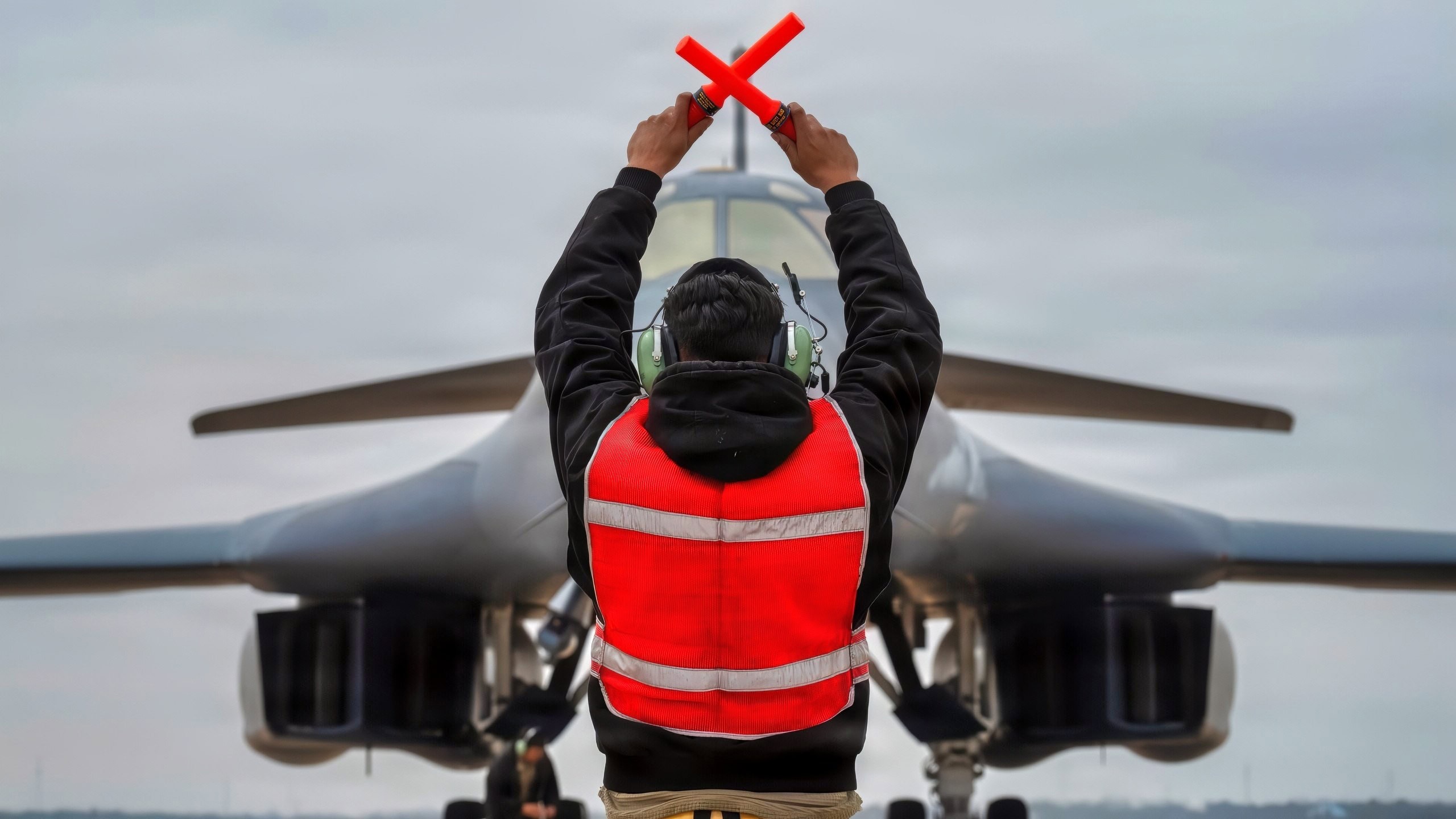
A U.S. Air Force B-1B Lancer crew chief marshals a B-1 after returning from a CONUS-to-CONUS mission in support of Operation Epic Fury, March 4, 2026. The B-1B is a long-range, multi-role bomber that carries the largest payload of precision guided and unguided munitions in the Air Force inventory. (U.S. Air Force photo)
But now, Trump has spent the bulk of his second year back in the White House seeming to launch a new forever war of his own, in Iran, and he doesn’t appear to have any idea how to get out of that war.
Iran Forever?
In a news analysis published this week, Los Angeles Times foreign correspondent Nabih Bulos writes that Trump has frequently railed against long-running military conflicts in which the United States has involved itself, including Afghanistan (“a complete waste of time”), Iraq (“the worst single mistake ever made in the history of our country”) and Ukraine (“stupid”).
However, Trump now has his own such war, in Iran, a military engagement which Trump clearly hoped and expected would end quickly and easily.
But it hasn’t worked out that way, and now U.S. service members are losing their lives.
“Now, 4½ months later, after a torturous, start-stop vacillation between truce and war, the U.S. is pressing on with a fight that has no end in sight — or even a clear definition of what an acceptable end would be,” Bulos writes.
“In the last week, the ceasefire collapsed, with the U.S. and Iran trading daily waves of strikes, leading to the deaths of two American servicemen on Friday when Iranian ballistic missiles struck Muwaffaq Salti Air Base in Jordan, where U.S. assets and personnel are stationed,” for the first time since the now-doomed ceasefire was announced in mid-June.
And while Trump has talked about major successes, whether it was the “obliterated” Iranian nuclear capability or the “decimated” Iranian air defenses, Iran has kept on fighting.
And it doesn’t appear that the U.S. is likely to achieve any of its stated war aims, whether the end of the Iranian regime or permanent denuclearization.
“Iran has also created a new pressure point to use against adversaries by blockading the Strait of Hormuz, the vital waterway through which a fifth of the world’s oil and natural gas flowed before the war,” Bulos writes. “And it has widened the war’s footprint by targeting countries hosting American military assets.”
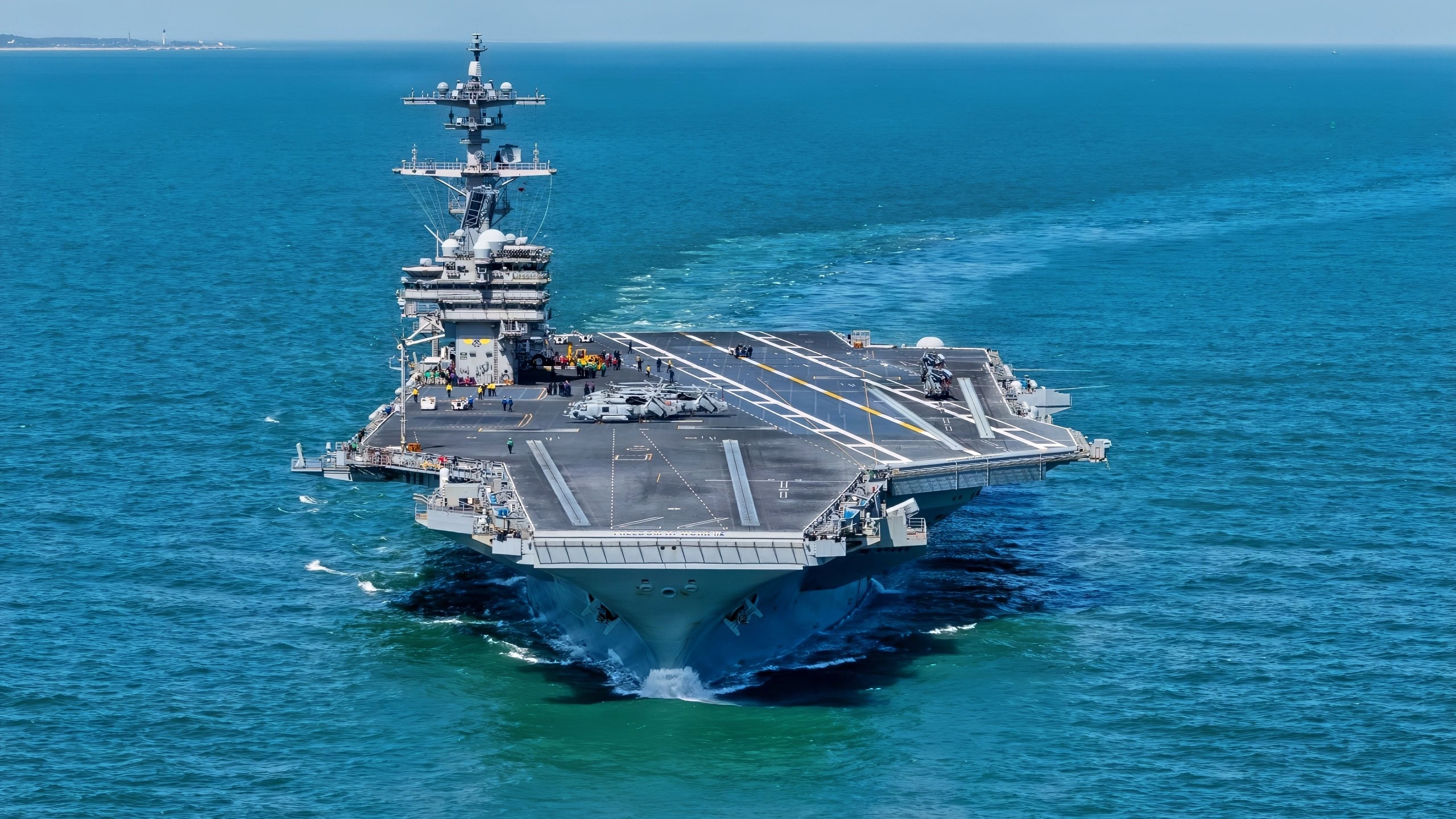
The analysis added that the U.S. now has 50,000 troops in the region, along with 20 Naval warships- both marks of a long-term military engagement.
“From Trump’s perspective, the easiest way to demonstrate resolve and power is by just bombing Iran and seeing what that brings about,” Andreas Boehm, a Middle East expert, told the Los Angeles Times.
“In reality, it doesn’t change the situation because the Iranians won’t budge. And if you confuse tactical and strategic success, then you’re not going anywhere in any kind of war.”
No Ground Troops
The Los Angeles Times analysis notes that the U.S. has not committed ground troops in Iran, which is different from what has happened in Vietnam, Iraq and Afghanistan.
“The country’s area — about 636,000 square miles — is more than double the size of Afghanistan, almost four times the size of Iraq, and five times the size of Vietnam — all nations where the U.S. struggled to prevail against adversaries not as well equipped and arguably less ideologically motivated than its adversaries in Iran,” the analysis said.
A New Ceasefire?
Meanwhile, after more than a week of escalation, there is an effort underway to restore the ceasefire, and possibly get the sides back to a place where the war could come to an end.
According to Reuters, mediators have passed a proposal on to the Iranian side for a 10-day ceasefire. Iranian Foreign Ministry Spokesman Esmaeil Baghaei confirmed the diplomatic overture to the press.
“The principle of the matter is clear: mediators are working and trying to prevent tension from escalating,” the spokesman said, per Reuters.
“While our armed forces are responding with strength and power and destroying the source and origin of American aggression, diplomacy also knows its duties well and spares no effort.”
About the Author: Stephen Silver
Stephen Silver is an award-winning journalist, essayist, and film critic, and contributor to the Philadelphia Inquirer, the Jewish Telegraphic Agency, Broad Street Review, and Splice Today. The co-founder of the Philadelphia Film Critics Circle, Stephen lives in suburban Philadelphia with his wife and two sons. For over a decade, Stephen has authored thousands of articles that focus on politics, national security, technology, and the economy. Follow him on X (formerly Twitter) at @StephenSilver, and subscribe to his Substack newsletter.