
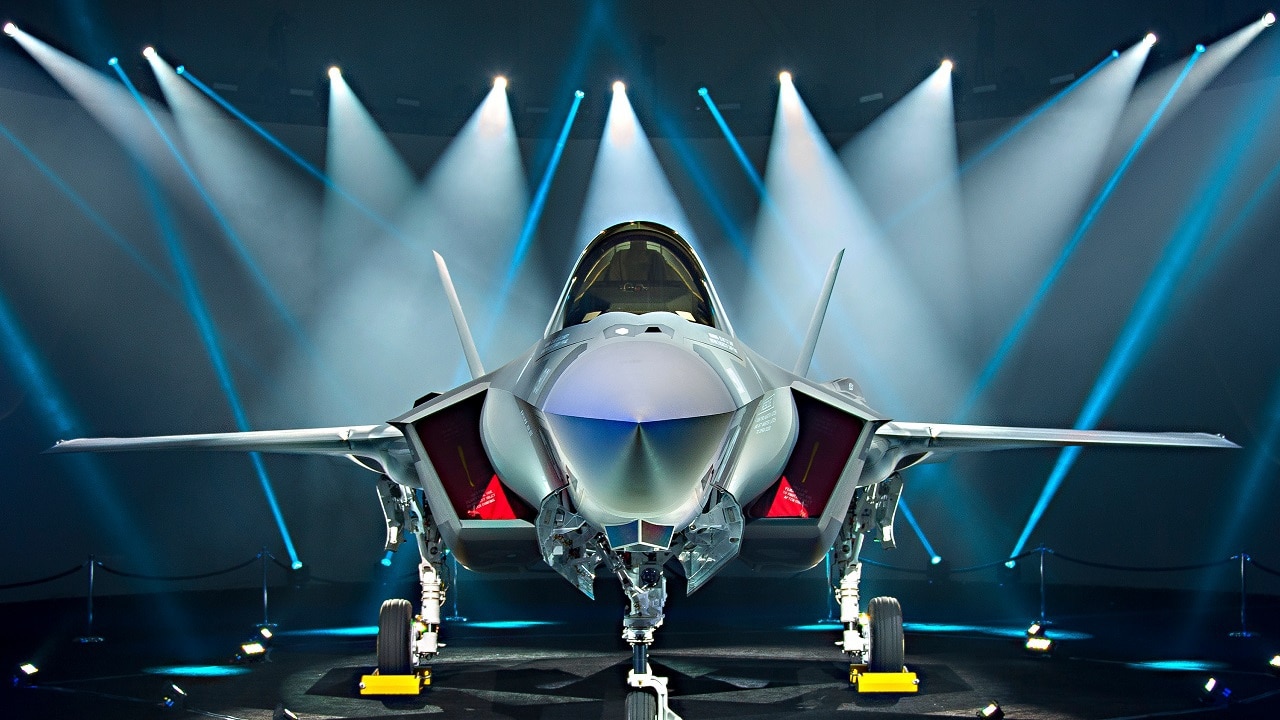
Israel Has 48 F-35I Adirs. Two Iran Wars Showed Why It Wants 100 – Israel currently has 48 F-35I Adir stealth fighters, a fighter variant of the F-35 that even the US Air Force doesn’t have, as Israel modified it for its own uses. The final two aircraft from the original 50-jet purchase were still expected later in 2026. A signed $3 billion agreement adds another 25 beginning in 2028, bringing the firm’s order to 75. Israel approved a fourth squadron in May, but the agreements needed to reach 100 aircraft had not been finalized.
No official document provides one consolidated price for all 75 aircraft. The first 19-aircraft package cost $2.75 billion, including simulators, spare parts and maintenance. Fourteen more cost about $3 billion.
The next 17 were priced below $100 million per aircraft, producing a minimum airframe estimate of about $1.7 billion before added support. The third squadron adds another $3 billion. Those figures place the publicly documented commitment above $10.45 billion, though the packages are not directly comparable.
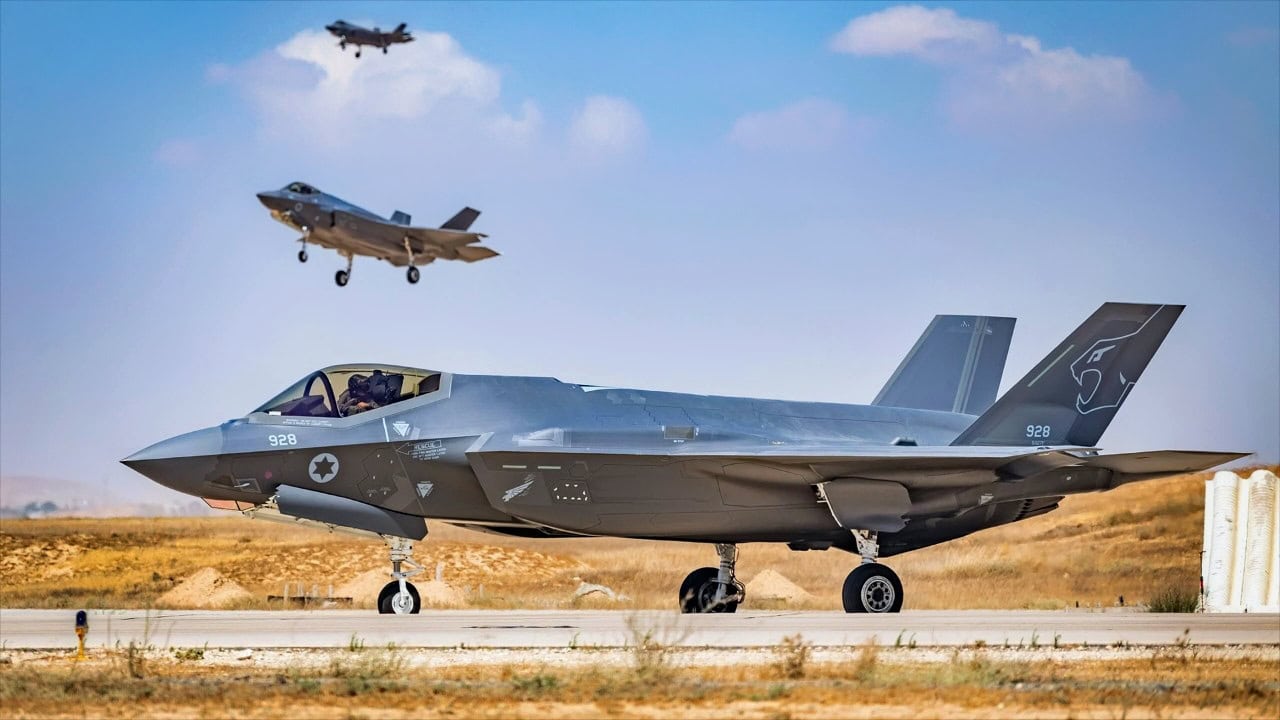
F-35I Adir. Image Credit: Creative Commons.
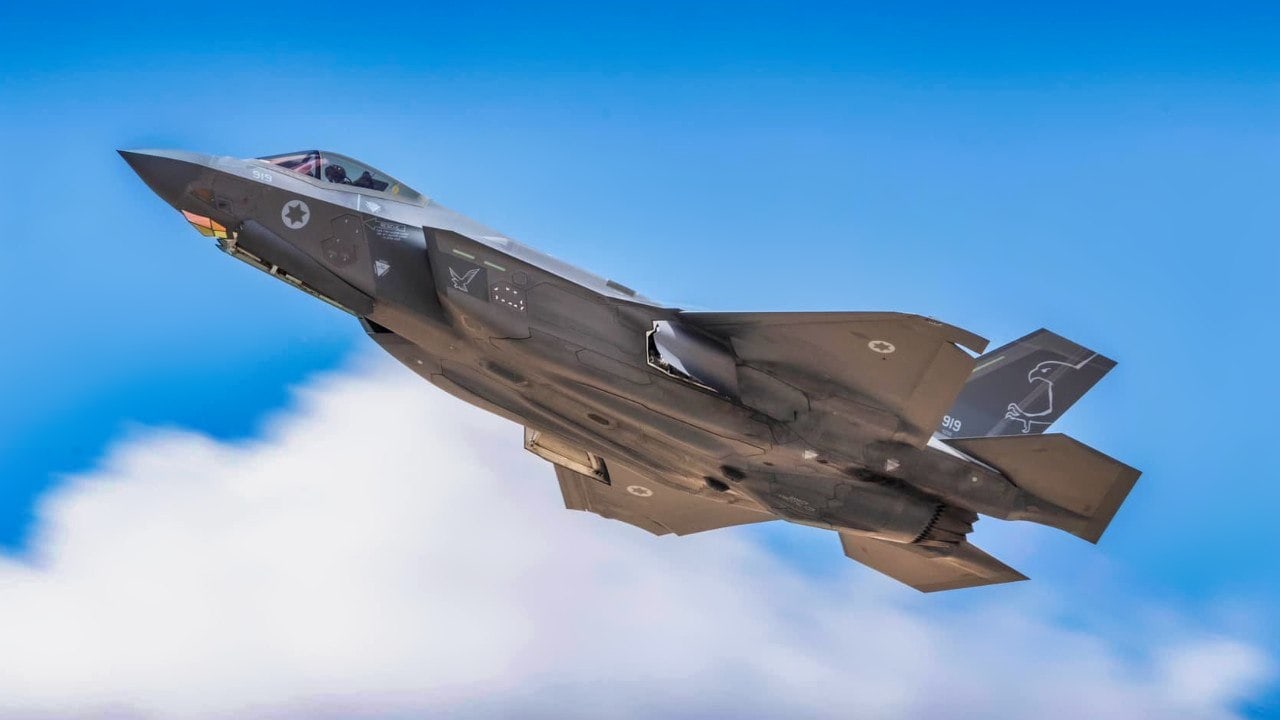
Israeli Air Force (IAF) F-35I Adir
Iran Learned a Lesson from the F-35I Adir Israel Flies
The investment yielded its highest return in Iran. During the June 2025 war, Israel rapidly established air superiority over the parts of Iran needed for its campaign and suffered no reported combat or operational loss of a manned aircraft, according to a Foreign Policy Research Institute assessment.
Israel has not released an F-35I-specific sortie count or a complete target list.
The 2026 war made the Adir’s roles more visible. The Israeli military said an F-35I shot down an Iranian Yak-130 over Tehran, detected a ballistic-missile launch, and helped direct the destruction of the launcher.
Those missions combined deep penetration, air-to-air combat, surveillance, and rapid sensor-to-shooter targeting.
Israel Modified the F-35 Around Its Own Threats
The F-35I is based on the conventional-takeoff F-35A. Its airframe, F135 engine, low-observable shaping, radar, and sensor-fusion architecture remain products of the multinational American program. The Adir differs from the national systems Israel has been permitted to add.
Reuters reported in November 2025 that Israel’s aircraft include advanced weapons, electronic-warfare equipment, and radar-jamming capabilities unavailable to potential Saudi F-35 buyers.
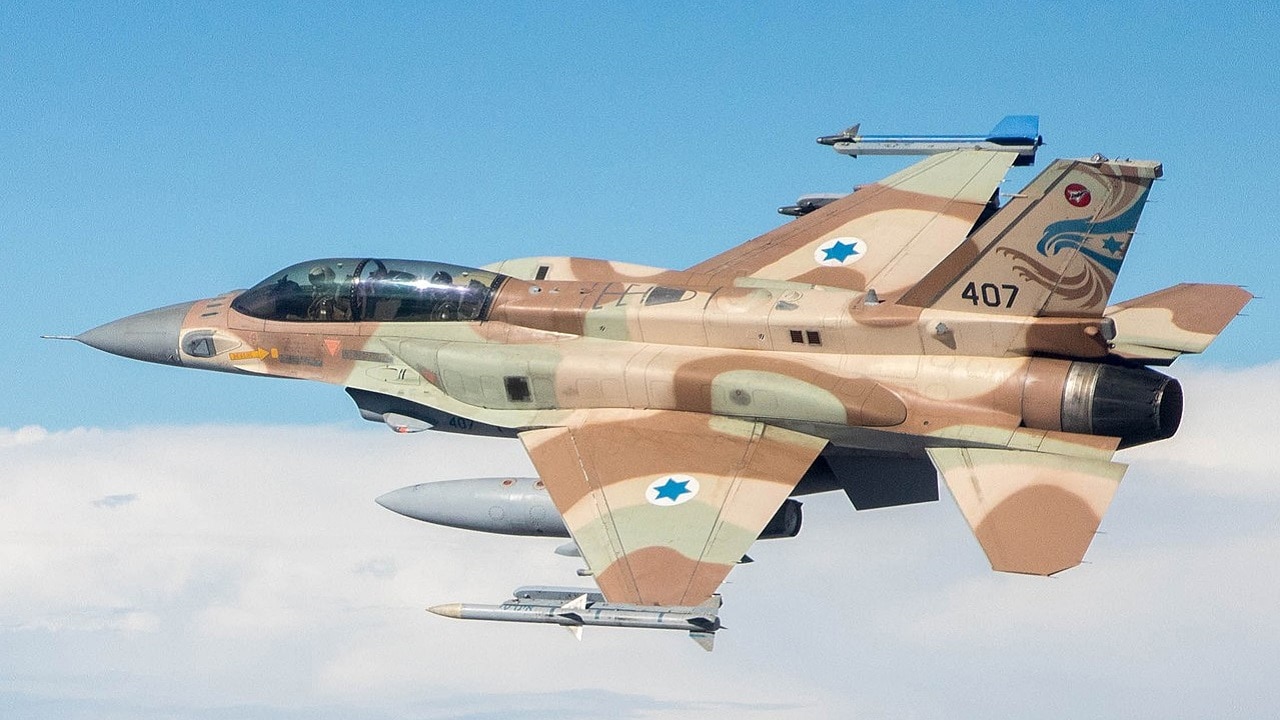
F-16I Sufa. Image Credit: Creative Commons.
Israel also has unusual authority to integrate national upgrades without waiting for every change to move through the wider international fleet.
A one-of-a-kind F-35I test aircraft delivered in 2020 supports development work inside Israel. That testbed lets engineers examine weapons, electronic systems and software before sending changes to combat squadrons. Domestic testing shortens the path between identifying a new Iranian radar or weapon and preparing an operational response.
The deeper advantage is institutional. Israel does not operate the Adir as an isolated stealth fighter. It connects the aircraft to national intelligence, command networks, F-15s, F-16s, drones, and ground-based sensors. The aircraft’s ability to collect, combine, and distribute information explains why sensor fusion matters as much as its radar signature.
The F-35I Helped Open Iranian Airspace in 2025
Israel’s opening attacks on June 13, 2025, involved more than 200 aircraft striking over 100 targets, according to a Royal United Services Institute reconstruction. The first waves hit air-defense sites, missile infrastructure, military headquarters, and nuclear facilities.
RUSI assessed that the early use of direct-attack JDAM weapons indicated that Israel gained air control quickly, aided by covert operations inside Iran and likely F-35I attacks on air defenses. The wording matters. Israel has not published a complete assignment list proving which Adir struck each radar, launcher or command center.
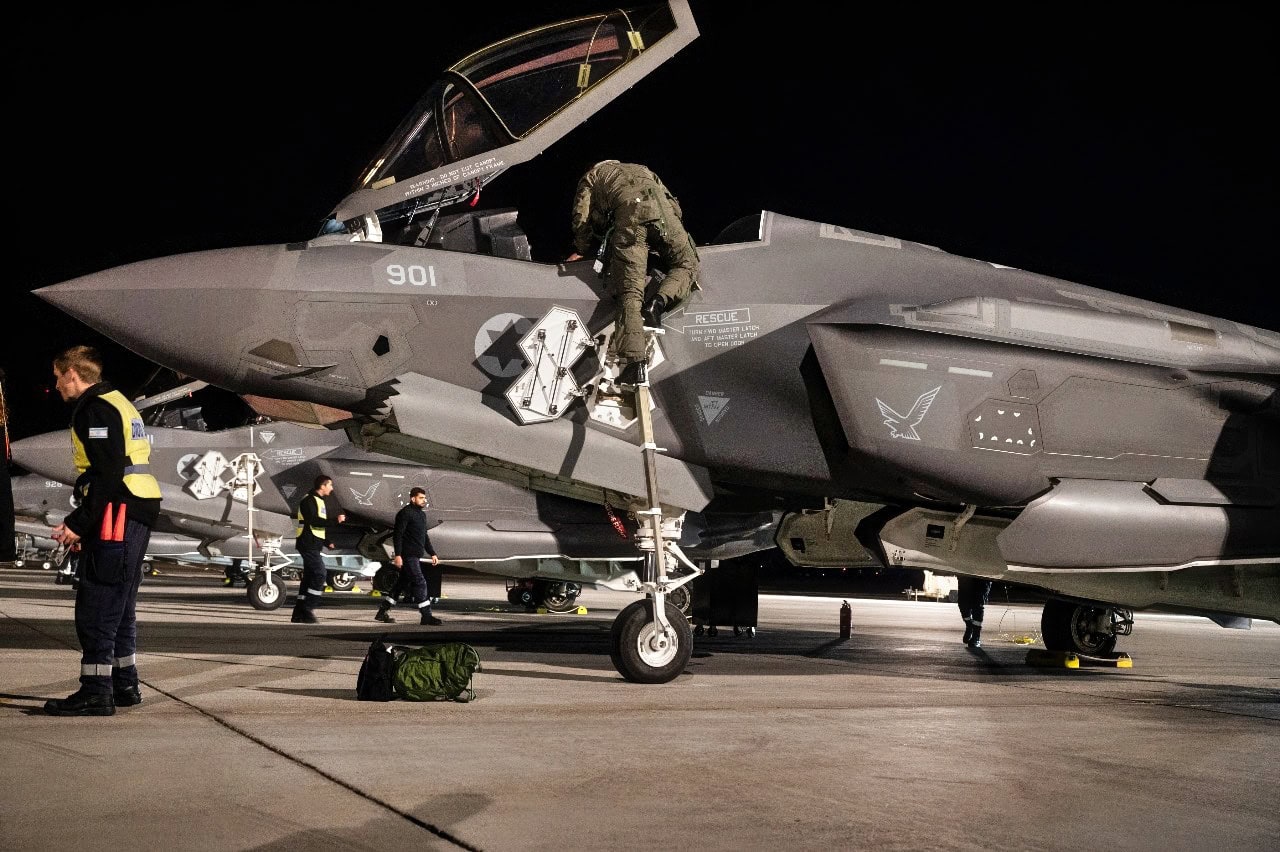
An Israeli Air Force pilot climbs into an F-35I Adir prior to a Red Flag-Nellis 23-2 mission at Nellis Air Force Base, Nevada, March 16, 2023. Red Flag is an opportunity to build on the success of JUNIPER OAK 23-2, JUNIPER FALCON, and additional combined exercises to enhance interoperability with Israel, strengthen bilateral cooperation, and improve capabilities in ways that enhance and promote regional stability and reinforce the United States’ enduring commitment to Israel’s security. (U.S. Air Force photo by Airman 1st Class Trevor Bell)
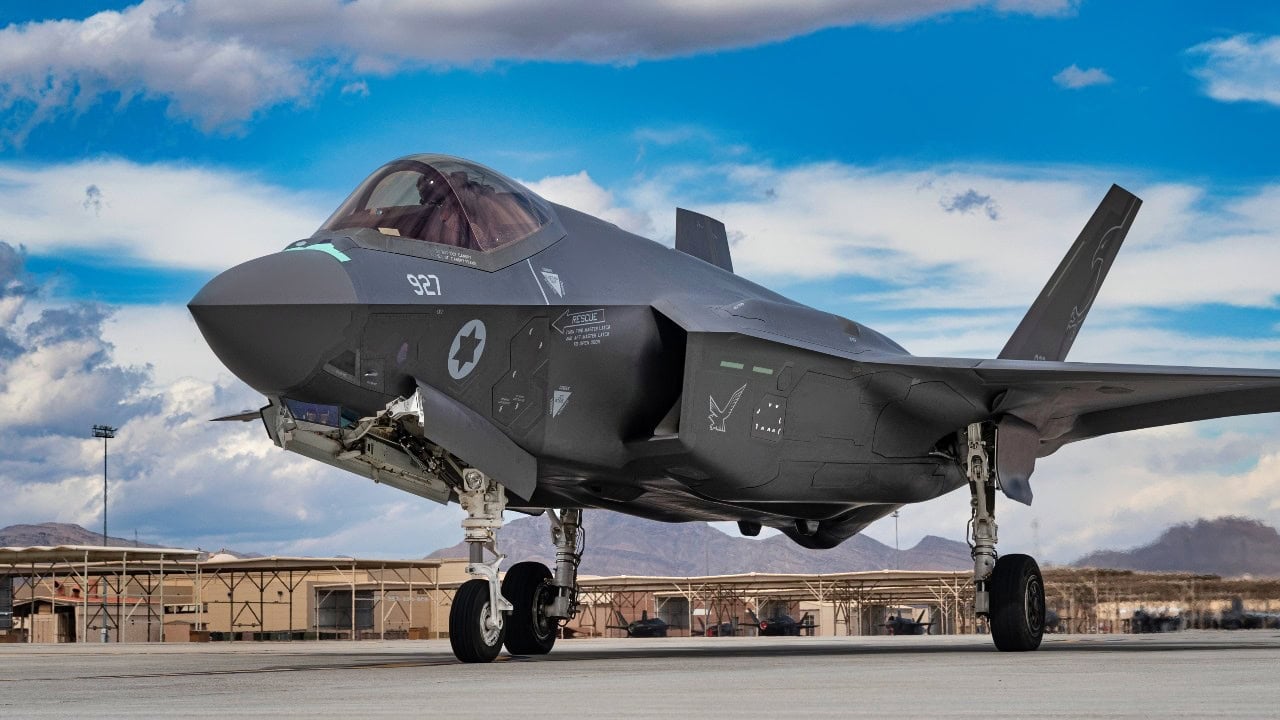
F-35I Adir Fighter from Israel
The aircraft also appears to have acted as a forward sensor. A Center for Strategic and International Studies analysis found that some Israeli strike packages placed an F-35I in an intelligence, surveillance, and reconnaissance role ahead of F-15Is or F-16Is. The Adir located threats or targets, while larger legacy fighters carried more fuel and weapons.
That division of labor helps explain the campaign’s scale. The F-35I did not need to drop every bomb. It needed to enter first, map the threat environment, share targeting data, and help other aircraft operate with less risk. Intelligence penetration, tankers, standoff weapons, cyber activity and covert teams inside Iran also contributed. The fighter was the leading edge of a much larger system.
External JDAMs Gave the Adir a Heavier Second-Wave Load
The F-35 typically carries weapons internally when low observability is prioritized.
Israel developed another option during the wider regional war. In March 2025, the IDF announced that the Adir had conducted operational strikes with external JDAMs, which it described as a unique F-35 capability.
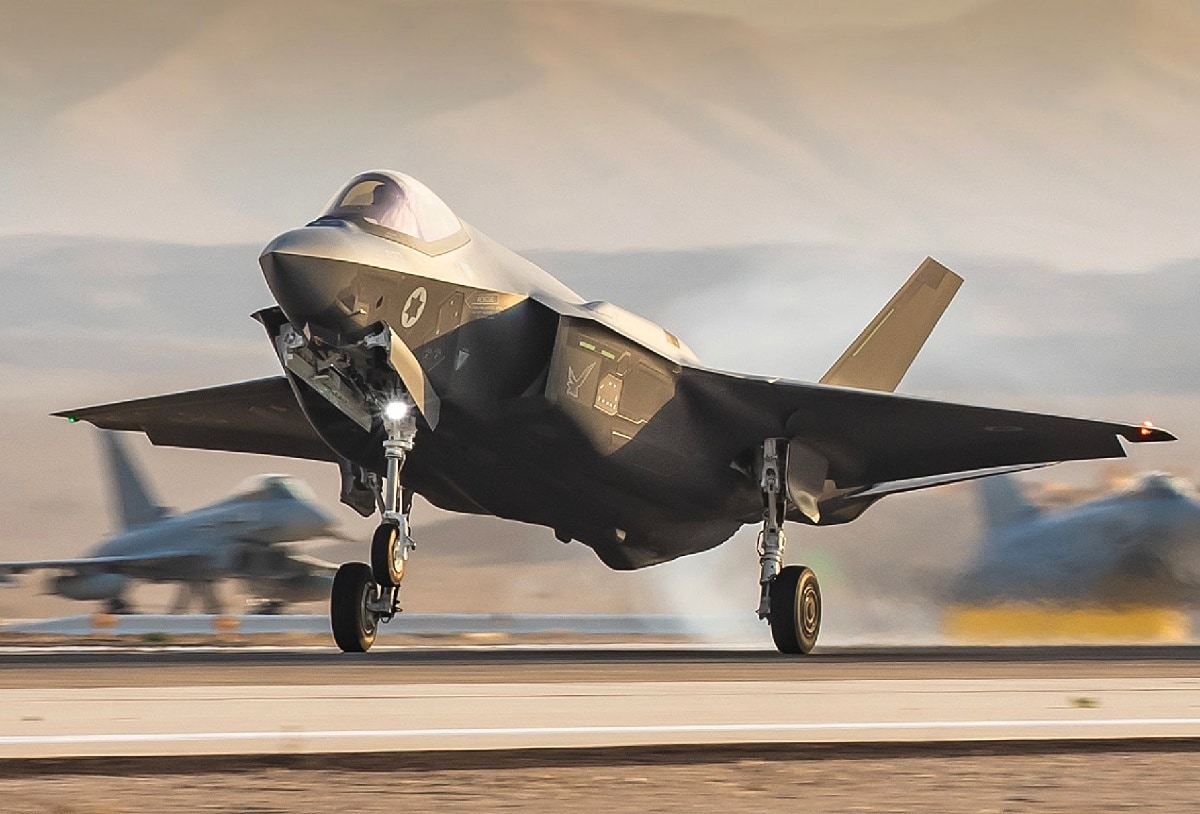
F-35I Adir. Image Credit: Creative Commons.
External bombs increase payload but also enlarge the aircraft’s radar signature. The configuration therefore makes the most sense after the most dangerous radars and missile batteries have been suppressed. Israel could use an internally armed Adir for penetration, then shift later sorties toward heavier external loads. That flexibility is one reason Israel’s customized F-35I differs from a standard export fighter.
Range remains another constraint. Reports that Israel used secret stealth-preserving fuel tanks during the 2025 campaign have not been officially confirmed. In May 2026, Israel signed a $34 million contract for external fuel tanks intended to extend range and reduce tanker dependence. External tanks also affect signature, so mission planners must balance endurance against stealth.
The new work shows that long-range F-35I operations remain an active development effort.
The 2026 War Showed Air-to-Air and Missile-Hunting Roles
On March 5, 2026, the Israeli military said an F-35I shot down an Iranian Yak-130 roughly 1,500 kilometers from Israel. The service selected the Adir because its sensors could acquire the aircraft rapidly and its long-range missiles were well suited to the engagement. No other crewed-aircraft kill by an F-35 had been publicly confirmed, giving the event significance beyond the limited combat value of the Yak-130 itself.
The encounter was not a classic close-range dogfight between peer fighters. The Yak-130 is primarily a trainer with light combat capabilities. The Adir detected and destroyed it from a position of overwhelming technical advantage. The engagement still showed that the same aircraft used to penetrate air defenses could protect a strike formation from an airborne threat. The operation is examined in more detail in the account of the Yak-130 shootdown.
On April 2, an F-35I detected an Iranian ballistic-missile launch from a storage site. The launcher was then struck before it could support additional attacks. This was the Adir functioning as a sensor node over hostile territory, not simply as an aircraft assigned a fixed target before takeoff.
Israel has not disclosed whether the F-35I itself released the weapon that destroyed the launcher, which sensors established the track, or how the information moved through the strike network. The public account confirms detection by the Adir and a subsequent strike. It does not support assigning every part of the engagement to one jet.
The Iran Wars Strengthened the Case for 100 Adirs
The 2025 and 2026 campaigns also exposed the limits of a 48-aircraft fleet. Long-range operations require aircraft for combat sorties, maintenance, training, alert duties, and reserve. A jet undergoing inspection at Nevatim cannot simultaneously patrol Israeli airspace or strike a target near Tehran.
In May 2026, Israel approved plans for a fourth F-35I squadron that would eventually bring the fleet to 100. The decision followed operational lessons from Iran, although the government still had to finalize terms with the United States. The proposed expansion would make Israel one of the largest F-35 operators outside the U.S. military, a development explored in the fourth-squadron procurement plan.
No Israeli F-35I has been independently confirmed lost in the 2025 or 2026 Iran campaigns. Iranian claims that Adirs were shot down did not produce verifiable wreckage, pilot identities, or imagery establishing a loss.
About the Author: Harry J. Kazianis
Harry J. Kazianis (@Grecianformula) is the former Senior Director of National Security Affairs at the Center for the National Interest (CFTNI), a foreign policy think tank founded by Richard Nixon based in Washington, DC. Harry has over a decade of experience in think tanks and national security publishing. His ideas have been published in the NY Times, The Washington Post, The Wall Street Journal, CNN, and many other outlets worldwide. He has held positions at CSIS, the Heritage Foundation, the University of Nottingham, and several other institutions related to national security research and studies. He is the former Executive Editor of the National Interest and the Diplomat. He holds a Master’s degree focusing on international affairs from Harvard University.