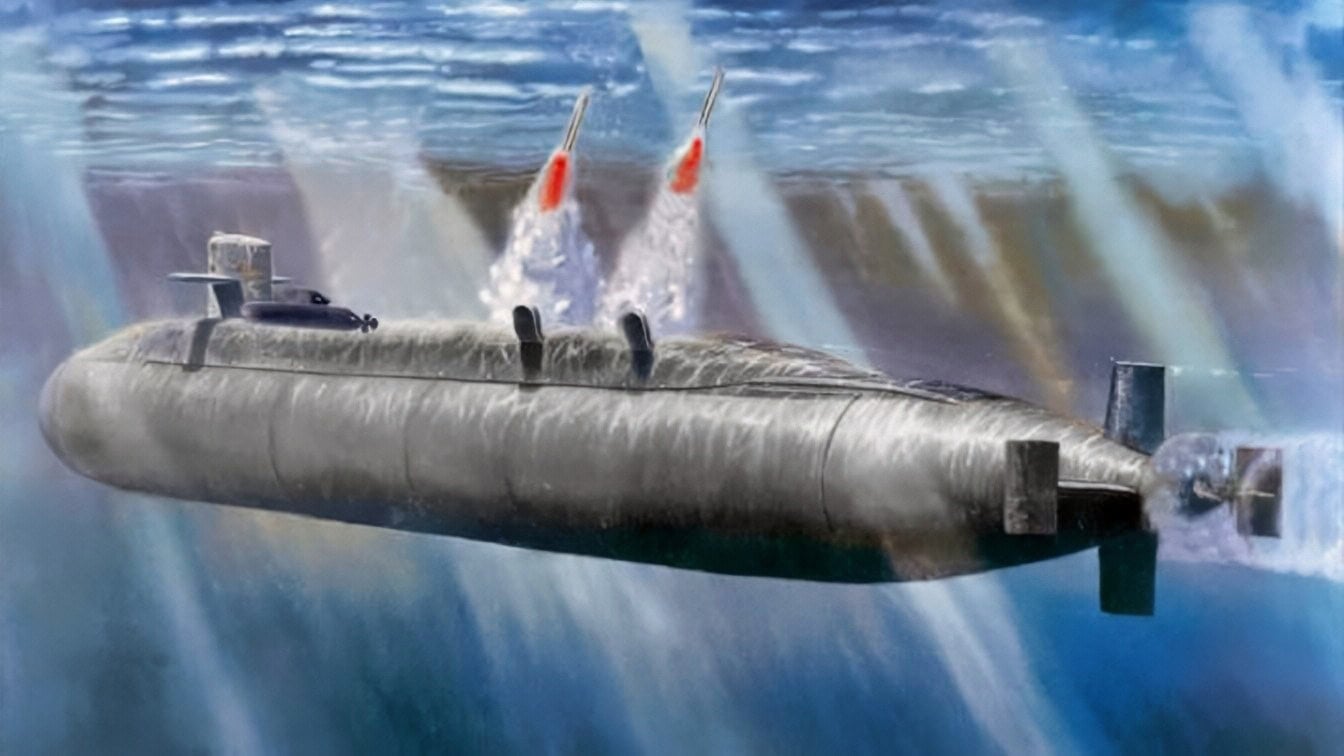
The recent unplanned experience of prematurely ending the life of the Los Angeles-class nuclear-powered attack submarine, USS Boise, brings up the question of what it takes–and how much it costs–for Uncle Sam to fully decommission a nuclear-powered submarine.
These submarines, which form the backbone of the Navy’s offensive capacity, are not only tactically essential but also fundamentally hard to dismantle.
An Expensive Undertaking: Retiring Old US Navy Nuclear Submarines
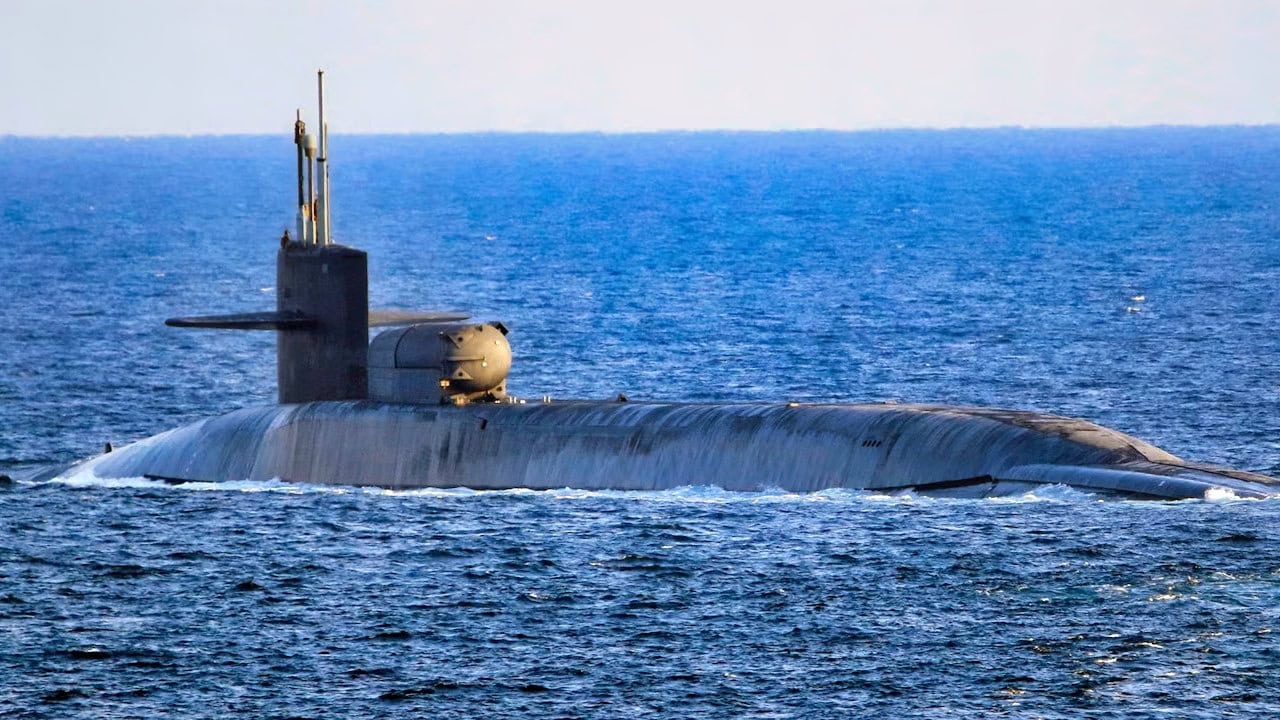
Ohio-Class SSGN Submarine U.S. Navy.
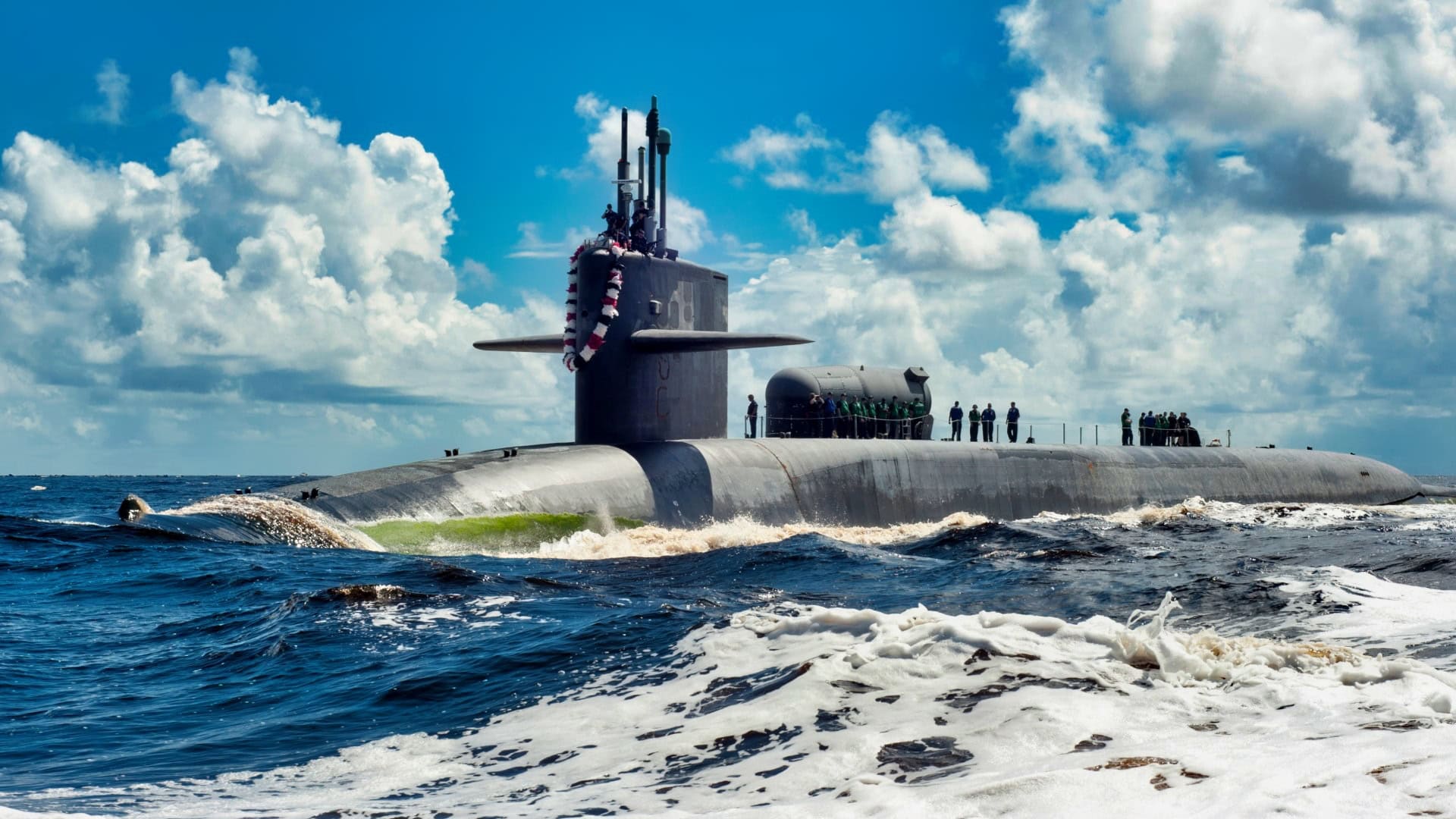
FERNANDINA BEACH, Fla. – The Ohio-class guided missile submarine USS Georgia (SSGN 729) transits the Saint Marys River July 15. Georgia returned to Kings Bay after spending more than a year forward deployed. (U.S. Navy photo by Mass Communication Specialist 1st Class(SW) James Kimber)
Under the rubric of the Navy’s Ship-Submarine Recycling Program, ending the life of a nuclear-powered submarine usually costs anywhere between $50 million and $100 million per submarine.
Larger submarines, such as the Ohio-class ballistic-missile (SSBN) and guided-missile (SSGN) submarines, cost close to $100 million.
There are many steps toward rendering one of America’s mighty undersea killers inactive. The Pentagon must dismantle the submarine’s key weapons systems.
They must then remove all aspects of the various classified systems that comprise the submarine. One of the biggest processes is the shuttering of the sub’s nuclear reactor core.
In fact, about $7.5 million of that $50 million to $100 million submarine recycling fund goes only to disposing of the nuclear reactor.
Getting rid of the nuclear reactor is an involved process.
It’s not just a matter of defueling and yanking it out.
The core must be isolated from the rest of the ship. It must then be buried. Before that, the core gets shipped by barge to the Department of Energy’s Hanford Site in Washington State.
Any non-radiological component is dismantled and recycled, usually sold as scrap metal, with proceeds covering only a fraction of the cost of breaking the submarine apart (of course, this is ultimately nowhere near enough and often becomes a net expense, according to Harry J. Kazianis of 19FortyFive.com).
Department of Energy Is Involved
The Department of Energy’s Hanford Site is defined by its solid waste burial trenches.
Environmental regulations from both the Washington State and federal governments govern this site.
The Resource Conservation and Recovery Act (RCRA) addresses various chemical components in low-level radioactive waste, the Comprehensive Environmental Response, Compensation, and Liability Act (CERCLA) establishes conditions for long-term cleanup, and the Atomic Energy Act (AEA) specifically addresses nuclear waste from submarines.
Given all these regulations and transportation costs, it should not surprise any reader that an astonishing 15 percent of total dismantlement costs goes to nuclear decommissioning.
Shipyard Crisis
Once completed, the total time the Navy takes to dismantle a single nuclear-powered attack submarine ranges from 9 to 24 months of active shipyard work.
Yet the time from the moment the submarine retires to its ultimate dismantlement often runs into years. This is less because the process is so onerous and more because the naval shipyards are so incredibly backlogged.
In fact, those shipyards are so sclerotic that the Navy has begun contracting with private-sector shipbreakers to dispose of its nuclear-powered aircraft carriers, alleviating the burden on the strained naval shipyards.
Due to the overburdened nature of the naval shipyards, once the nuclear fuel is removed from a submarine about to be decommissioned (defueling), the dead hull is often towed to a storage facility where it will wait for protracted periods of time until the shipyards have a slot they can use during the recycling process.
A Submarine Retirement Wave
On a larger scale, an ongoing wave of retirements of Cold War-era subs is outpacing the production of new ones.
This has created a major submarine force deficit and worries naval planners.
The Navy must maintain a fleet of at least 66 nuclear-powered attack submarines. That number has dropped to 49 submarines and is expected to fall to 47 by 2028.
In all, the US Navy faces a severe shipyard crisis that is slowing the retirement rate of older submarines (and likely increasing costs) while struggling with an overall decline in the submarine force that many believe is unsustainable under current US military obligations.
Not only can the United States Navy not build new submarines to replace the massive number of older hulls retiring, but it apparently cannot retire its submarines fast enough.
The real crisis, therefore, is an industrial one. Meanwhile, China’s Dalian shipyards can produce 12 nuclear-powered submarines without fail every year.
About the Author: Brandon J. Weichert
Brandon J. Weichert is the Senior National Security Editor at 19FortyFive.com. He also manages The Weichert Brief on Substack. Weichert also hosts “National Security Talk” on Rumble. He is the author of four bestselling national security books, the most recent of which is A Disaster of Our Own Making: How the West Lost Ukraine (Encounter Books). Follow him via Twitter/X @WeTheBrandon.