
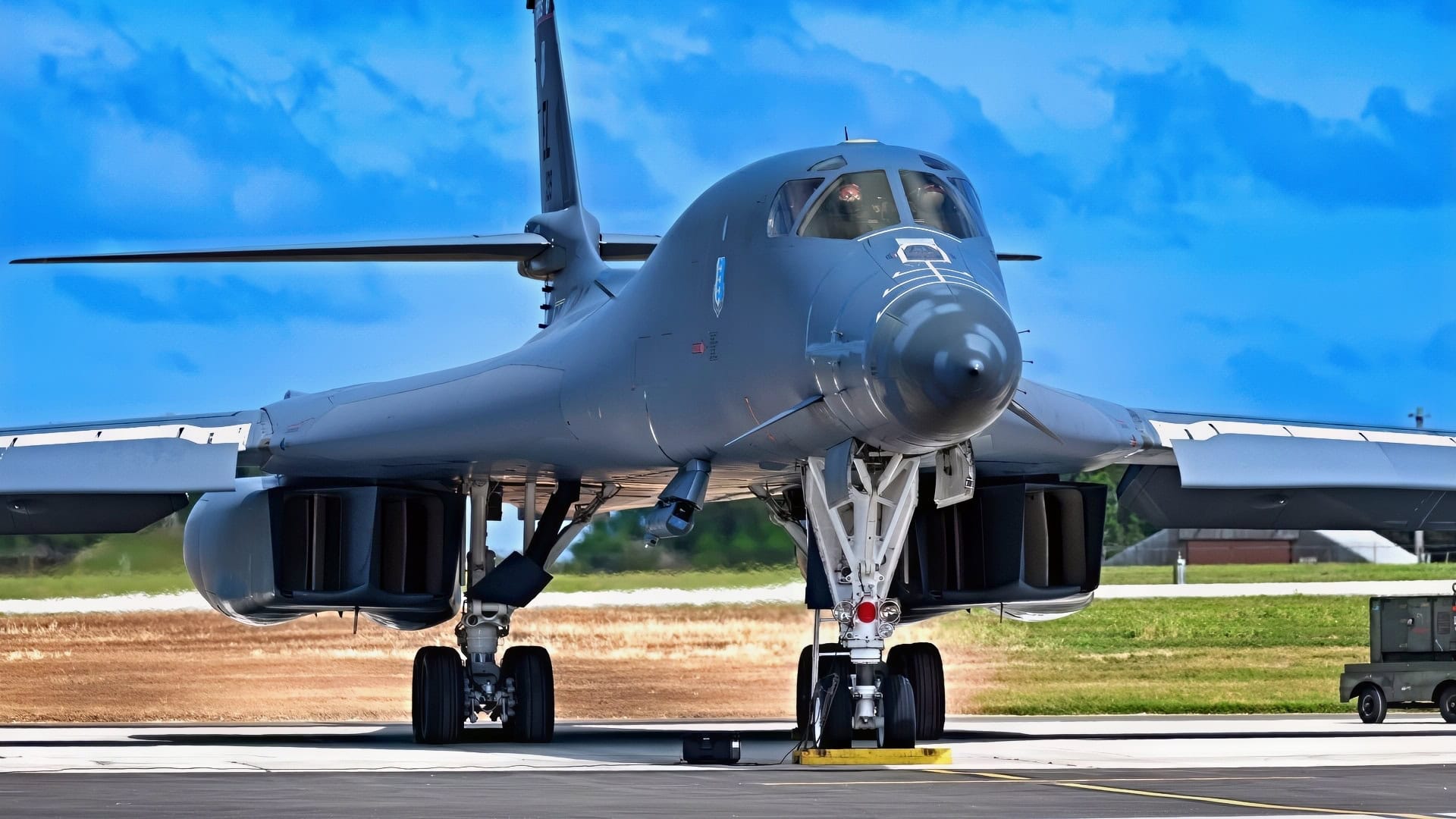
More than four decades after entering service, the B-1B Lancer remains one of the US Air Force’s most impressive strategic bombers.
With supersonic speed, 75,000 pounds of internal weapons capacity, long range, and variable-sweep wings, the B-1B is still capable of performing conventional strike missions effectively.
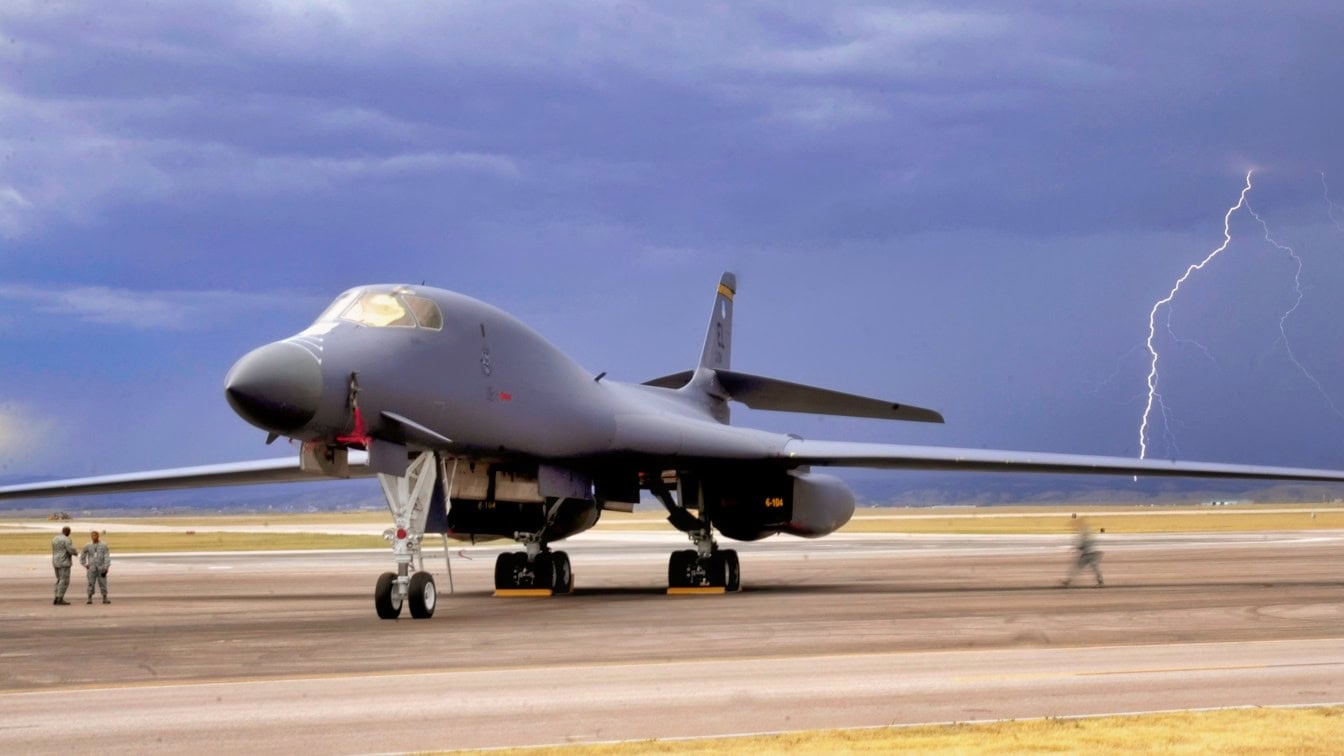
B-1B Lancer Bomber. U.S. Air Force Photo.
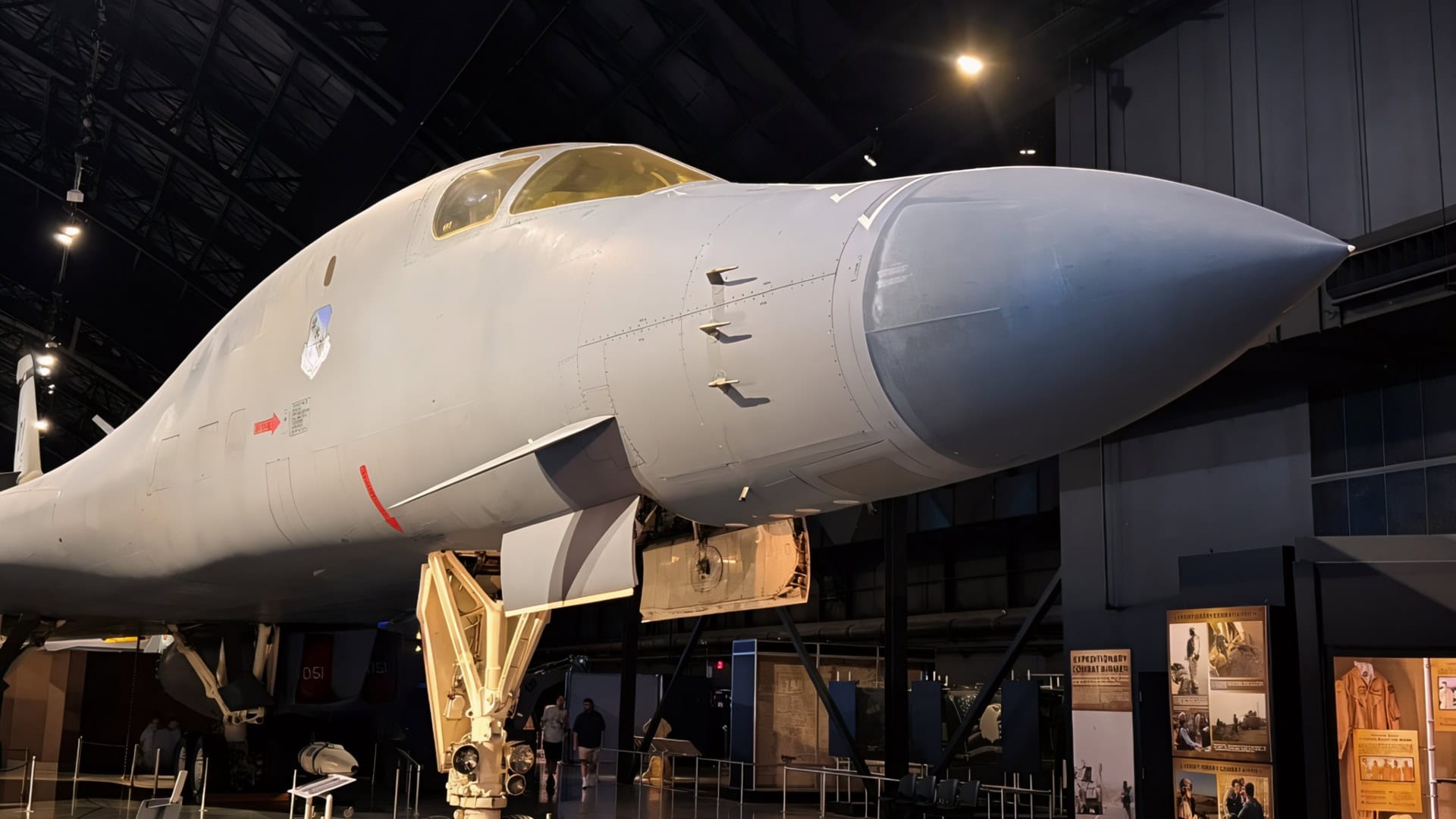
B-1B Lancer Bomber 19FortyFive Photoshoot Photo from National Museum of the U.S. Air Force
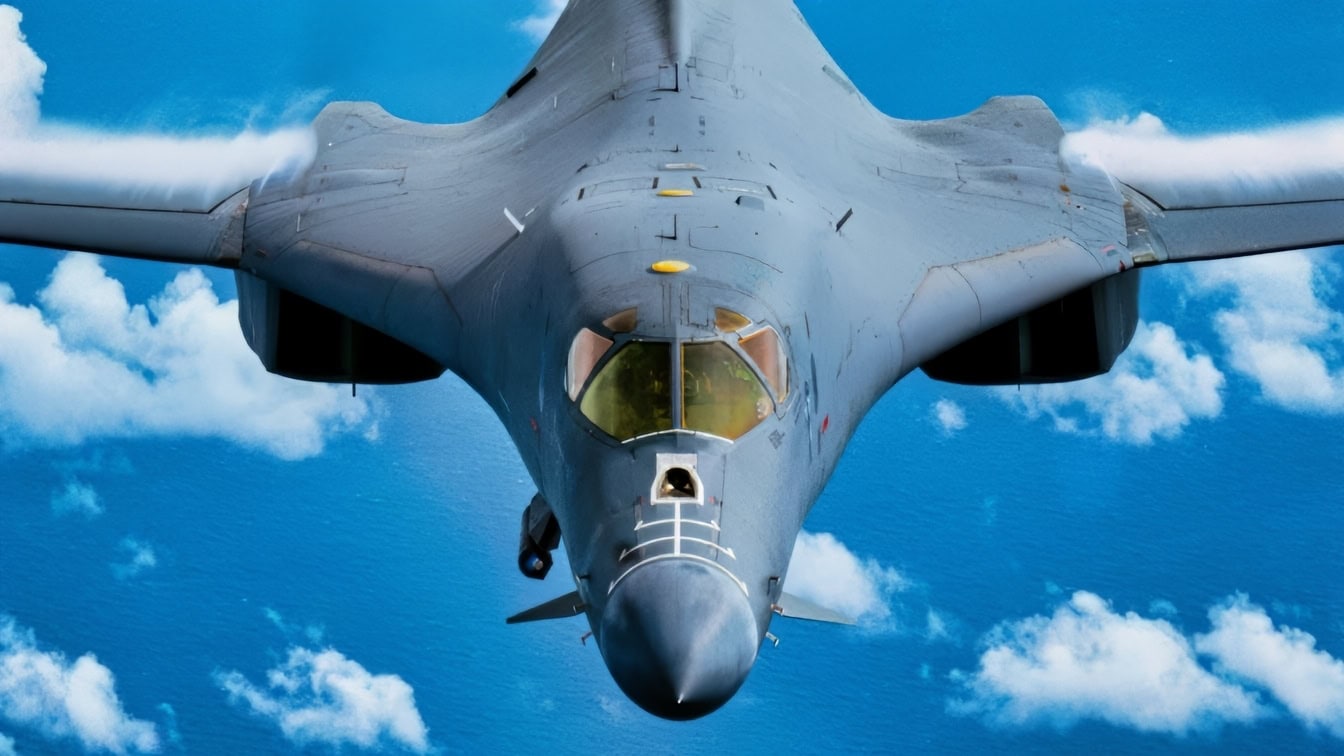
A U.S. Air Force B-1B Lancer prepares to refuel behind a KC-135 Stratotanker during a bomber air demonstration over the U.S. Southern Command area of responsibility Oct. 23, 2025.
The demonstration showcased Southern Command’s ability to quickly mobilize and enable the rapid establishment of credible, combat-ready forces with effective and overwhelming force.(U.S. Air Force photo by Airman 1st Class Daniel Harrell)
Still, the Air Force is upgrading the B-1B, layering new weapons interfaces, communications, avionics, and structural repairs into an airframe from the 1980s.
But despite the ongoing improvements, the B-1B’s trajectory is sealed.
The aircraft is quickly approaching the end of its structural life and will inevitably be replaced.
The replacement has already been named: the B-21 Raider is in development, poised to enter operational service and replace both the B-1B and the B-2 Spirit.
Aging Poorly
The B-1B hasn’t necessarily aged well.
The aircraft is hard on itself, essentially. Four GE F101 afterburning turbofans give the jet supersonic performance, while its variable-sweep wings move from roughly 15 degrees forward to 67.5 degrees swept.
The speed and heat generated through supersonic performance accelerate wear and tear. Similarly, the wing structures are complex and more maintenance-intensive.
Huge loads are concentrated around these complicated joints, through the structure, pivots, and center fuselage, too.
The B-1B has also accumulated enormous flying hours—in Afghanistan, Iraq, and Syria—serving as a conventional bomb truck and close air support platform.
By the late 2010s, after decades of operations in the Middle East, the B-1B’s readiness had noticeably deteriorated.
The Air Force retired 17 aircraft in 2021, leaving 45—partly to save money so personnel could invest more time and resources in the remaining jets, which were healthier than the others but still in need of intensive care.
Enter the Rebuild
Operational demand and individual aircraft losses have complicated the B-1B drawdown.
The Air Force has even regenerated selected aircraft out of storage to restore fleet capacity and counter dwindling readiness rates.
So, right now, the Air Force is retrieving retired bombers from the 1980s while simultaneously building the replacement.
This is not the most sustainable or practical arrangement.
At least the arrangement is sophisticated: the Air Force and Wichita State University’s National Institute for Aviation Research have used retired B-1Bs to build detailed digital representations of the aircraft, allowing the airframes to be disassembled and components scanned.
This, in turn, allows engineers to map fatigue, reproduce structures no longer readily available, model repairs, and understand how cracks spread through an aging airframe.
From the data gained, major structural work is executed, often involving substantial fuselage repairs, not just patchwork.
New Teeth
The work being invested in the old B-1Bs isn’t just about fixing cracks and broken parts.
It’s also about upgrading capabilities and weapons compatibility.
The B-1B has long since evolved from a Cold War nuclear penetrator into a conventional weapons truck.
Its modern arsenal includes weapons such as JASSM/HASSM-ER stealthy cruise missiles, JDAM precision-guided bombs, and maritime LRASM anti-ship missiles. Engineers are also restoring greater use of the B-1B’s external hardpoints.
Specifically, Load Adaptable Modular (LAM) pylons can accommodate unusually large weapons or multiple smaller munitions.
The value isn’t necessarily about adding more weapons, but about integrating oversized future weapons that might not fit neatly inside the B-1 B’s internal weapons bays of the B-1B as previously configured.
Indeed, the B-1B has already served as a test platform for externally carried hypersonic weapons, which makes the old bomber useful as both a strike platform and a testbed for future weapons.
Of course, the cockpit and electronics of the B-1B are relatively ancient. Modernization efforts have brought the tech into the 21st century.
Specifically, the overhaul includes the Integrated Battle Station, with multifunction color displays, improved navigation, upgraded data links, better situational awareness, and modern diagnostics.
Link 16 and modern communications help to turn the B-1B from an isolated bomber into an interconnected node in a greater battlefield network.
The End is Inevitable
But despite the upgrades, there is an end point. At this stage in the lifecycle, the economics of aircraft retention become untenable.
Aging aircraft require more inspections, maintenance, repairs, and downtime. The cost of keeping the jet airborne keeps going up.
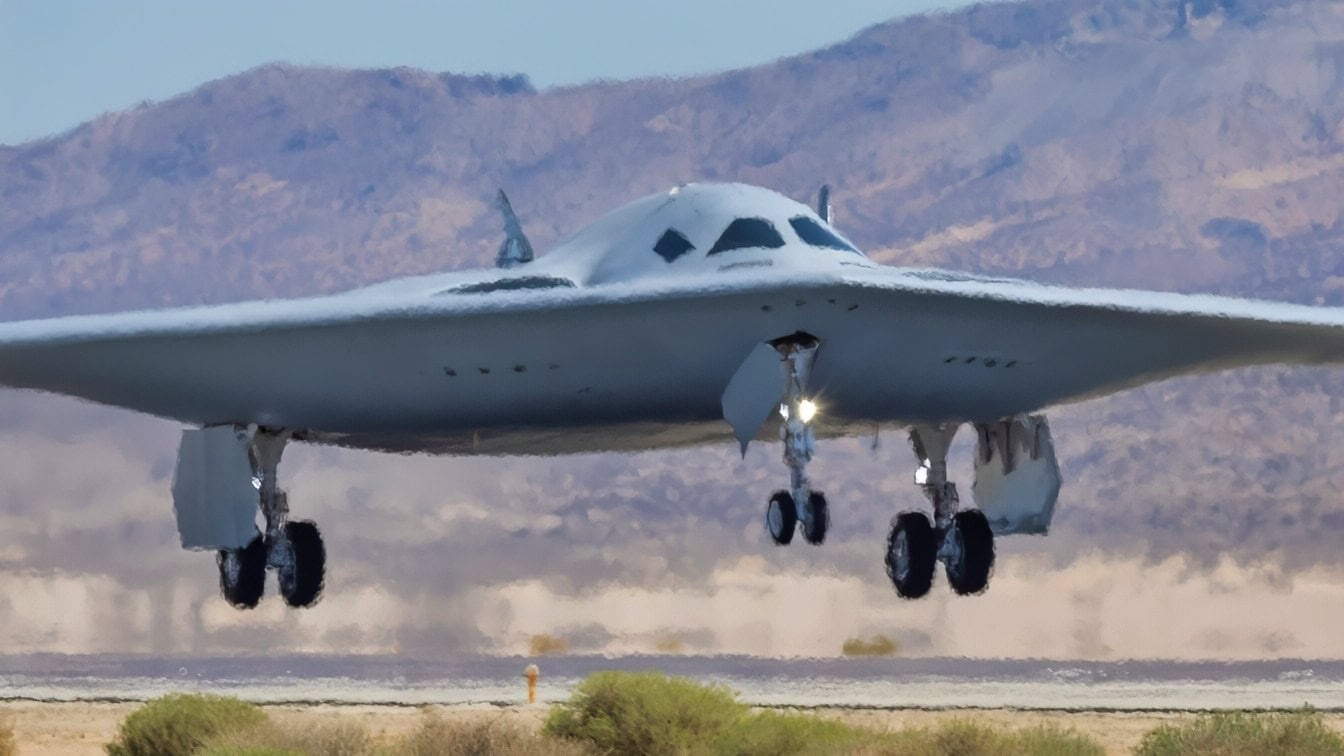
A B-21 Raider test aircraft lands at Edwards Air Force Base, Calif., during ongoing developmental flight testing, Sept. 11, 2025. The B-21 will be the backbone of the bomber fleet; it will incrementally replace the B-1 Lancer and B-2 Spirit bombers. (U.S Air Force photo by Todd Schannuth)
And with the B-21 replacement already in development, the B-1B’s time in service is very clearly finite.
About the Author: Harrison Kass
Harrison Kass is a writer and attorney focused on national security, technology, and political culture. His work has appeared in Tablet, City Journal, The Hill, The Spectator, and The Cipher Brief. He holds a JD from the University of Oregon and a master’s in Global & Joint Program Studies from NYU. More at harrisonkass.com.