
The Lockheed SR-71 Blackbird remains one of the most extraordinary aircraft ever operated. Capable of sustained flight above Mach 3 at altitudes exceeding 80,000 feet, the SR-71 was designed to penetrate hostile airspace, collect intelligence, and outrun enemy aircraft and missiles.
Yet the Air Force retired the SR-71 in 1990 despite the aircraft’s remarkable performance—not because a superior aircraft replaced it, but because of operating costs, evolving intelligence requirements, alternative systems, and changing geopolitical circumstances.
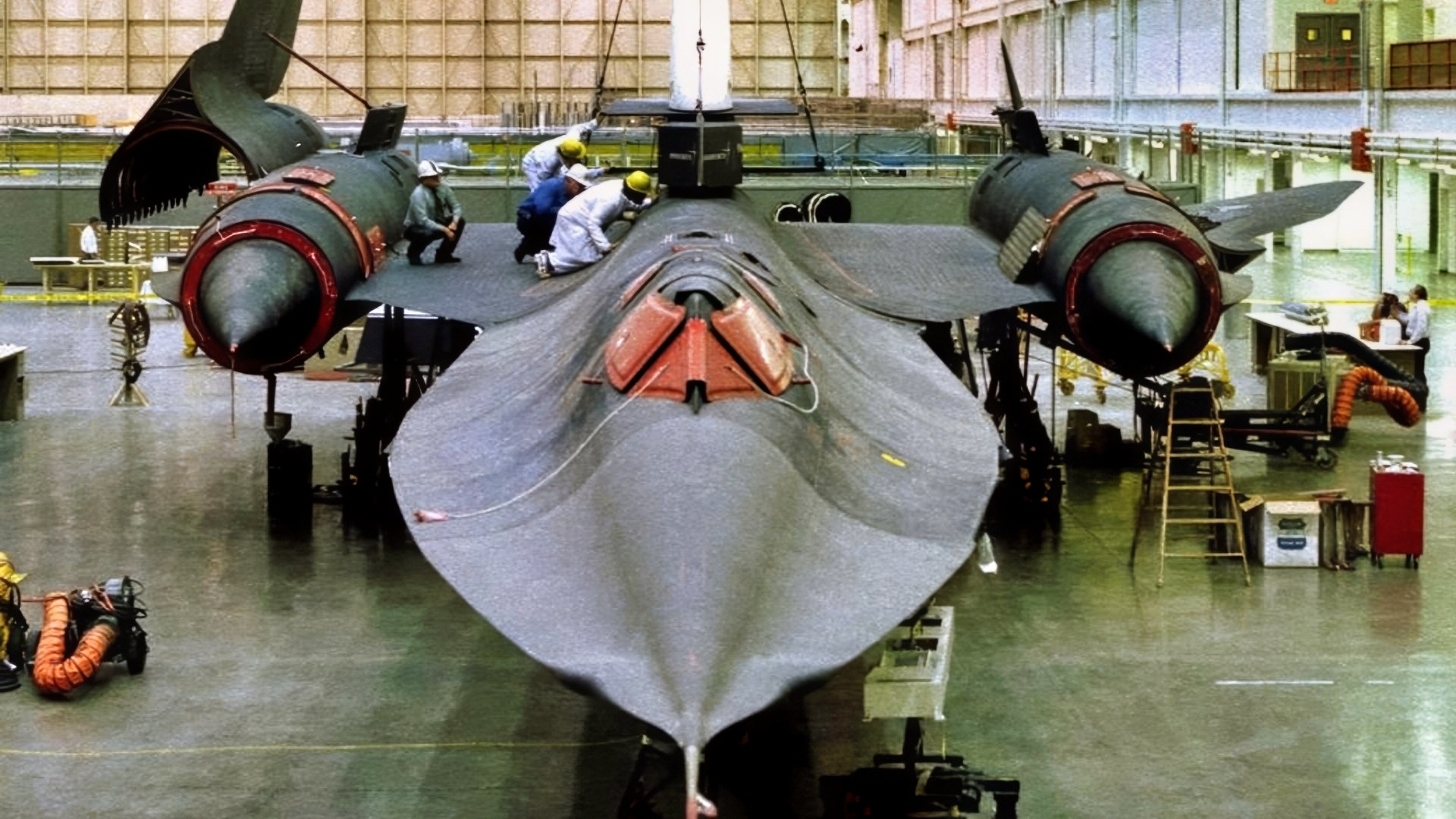
NASA SR-71 Blackbird Creative Commons NASA Photo
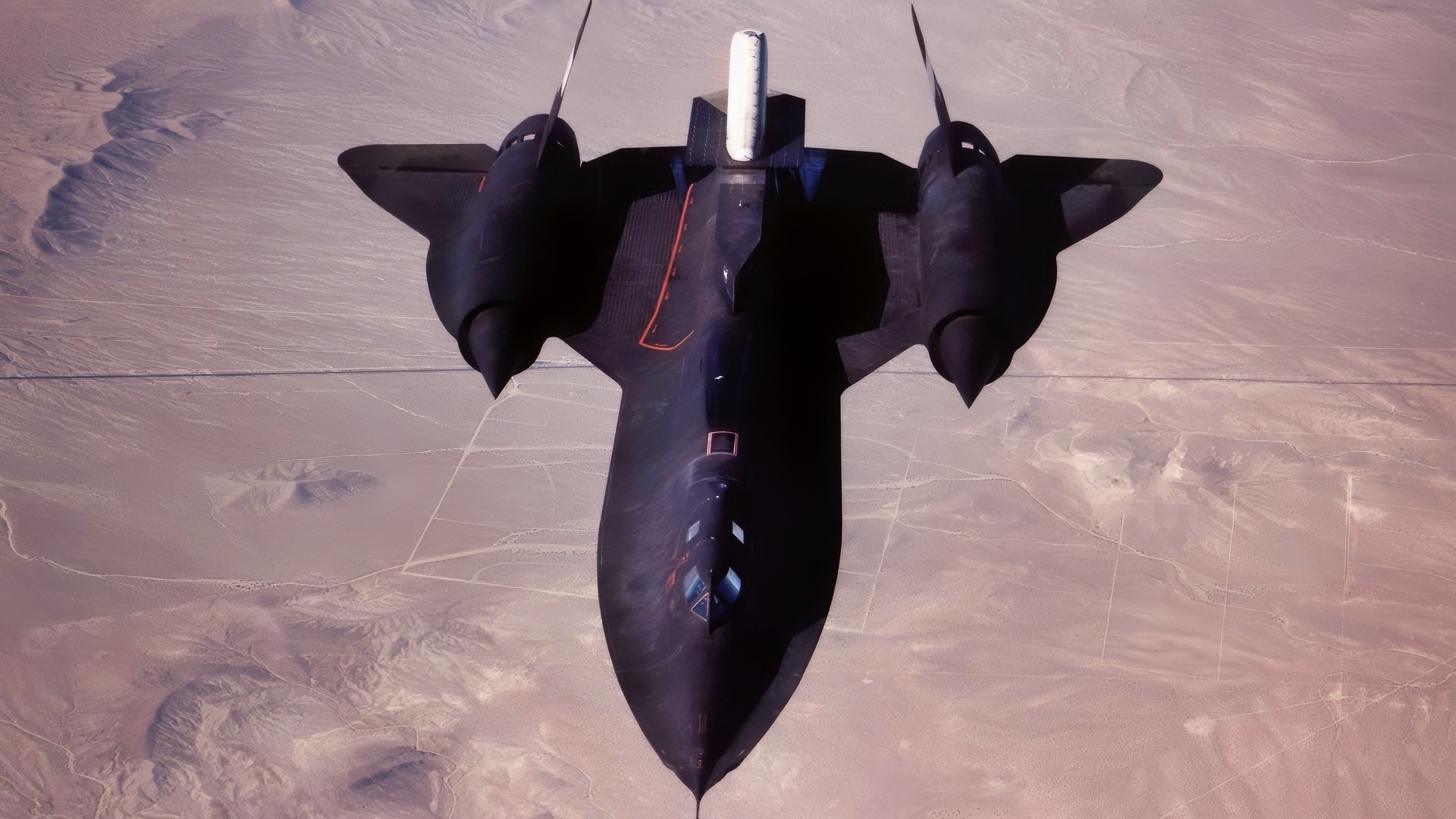
SR-71 Blackbird NASA Photo Handout
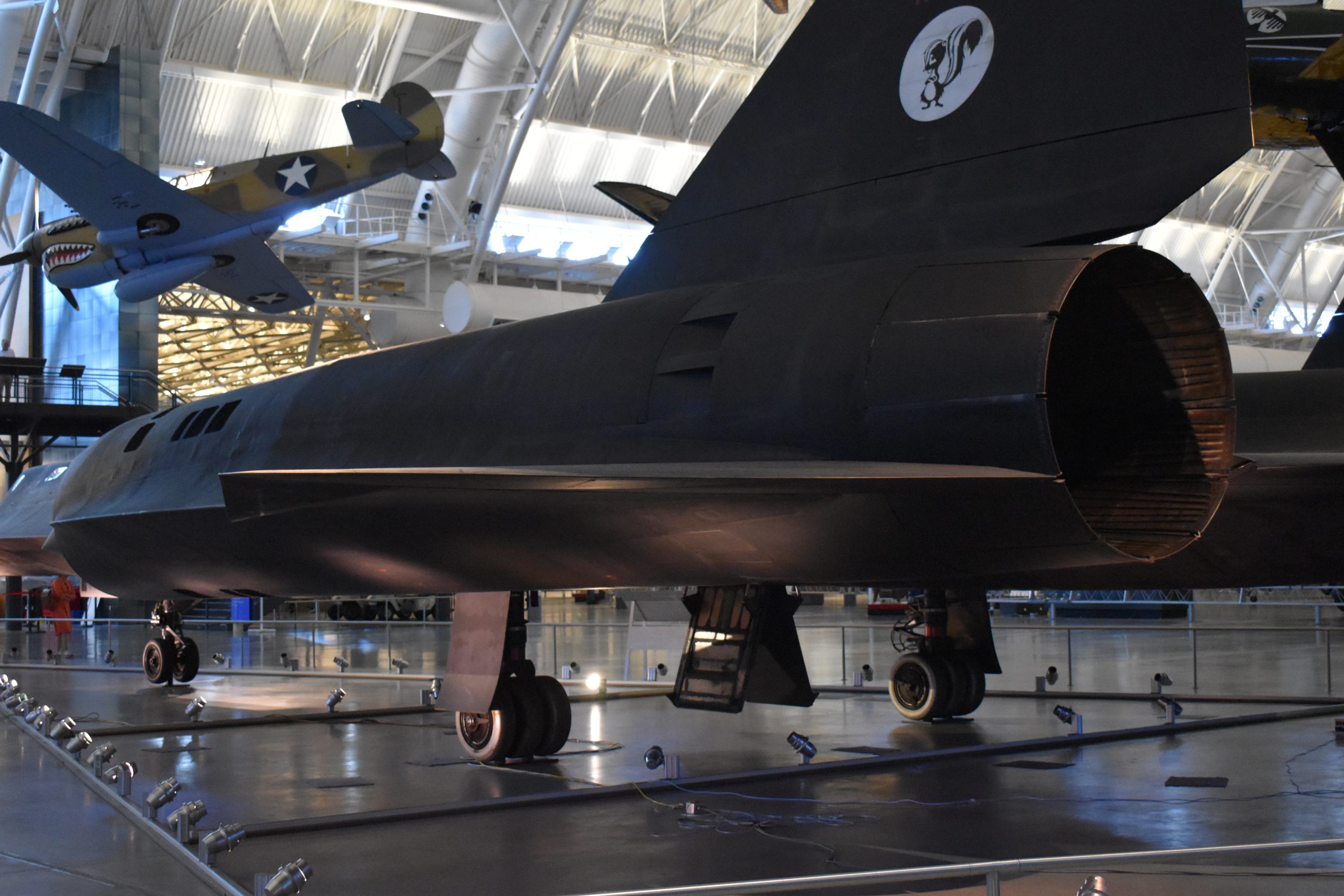
SR-71. 19FortyFive photo from Smithsonian exhibit.
The SR-71’s history, therefore, shows how an aircraft can be technologically cutting-edge yet strategically questionable.
Extraordinary Capabilities
Lockheed’s legendary Skunk Works division developed the SR-71; it first flew in December 1964 and entered operational service in 1966. Powered by two Pratt & Whitney J58 engines, the SR-71 was designed to operate at high Mach numbers for sustained periods.
Its maximum operational speed is generally cited as Mach 3.2 (about 2,200 mph), and its operational ceiling was above 80,000 feet. The SR-71 wasn’t just fast—it carried sophisticated cameras, radar, and signals-intelligence equipment for reconnaissance during Cold War crises.
Over its service history, the SR-71 flew missions over Vietnam, North Korea, and the Middle East, using a combination of speed and altitude that made interception difficult.
Despite spending a career penetrating enemy lines, no operational SR-71 was ever lost to enemy action.
So when the Air Force retired the aircraft, it wasn’t because it could no longer perform its basic reconnaissance mission.
Enormous Costs
The SR-71 was among the most demanding aircraft in the Air Force inventory. Its extraordinary performance required specialized maintenance and extensive logistical support, and it even used JP-7, a specialized fuel developed for high-temperature, high-speed operations.
JP-7 underscored just how demanding the SR-71 platform was; the aircraft required specialized fuel, which in turn required specialized supply and storage.
Even the aerial refueling tankers used with the SR-71 had to be adapted to handle JP-7.
The SR-71’s maintenance requirements were equally burdensome: the titanium airframe endured extreme thermal cycling, and the engines and inlet systems were specialized, with seals and components designed to withstand high-temperature exposure.
As a result, inspections and servicing were demanding.
The small fleet also meant fixed costs were spread across relatively few aircraft.
In short, the SR-71 was very expensive to operate, with costs commonly estimated at tens of thousands of dollars per flight hour.
Emerging Technology
When the Blackbird first flew in the 1960s, it offered reconnaissance capabilities that were difficult to gain elsewhere.
But by the 1980s, American intelligence collection had changed considerably; reconnaissance satellites provided increasingly sophisticated, immediate signals intelligence without risking pilots or entering contested airspace.
Satellites offered global coverage with no need for deployed tanker support or specialized JP-7 fuel.
Of course, satellites were not perfect replacements; their orbital paths limited when they could observe particular targets, while the SR-71 could be directed over a subject in real time.
Still, satellites reduced the need for the SR-71.
Cold War Conclusion
The Blackbird wasn’t designed specifically for operations against the Soviet Union, but by the late 1980s the strategic environment had changed considerably.
As the Cold War de-escalated, the United States became unipolar, and pressure mounted to curb defense spending. The SR-71 competed for limited Air Force funding.
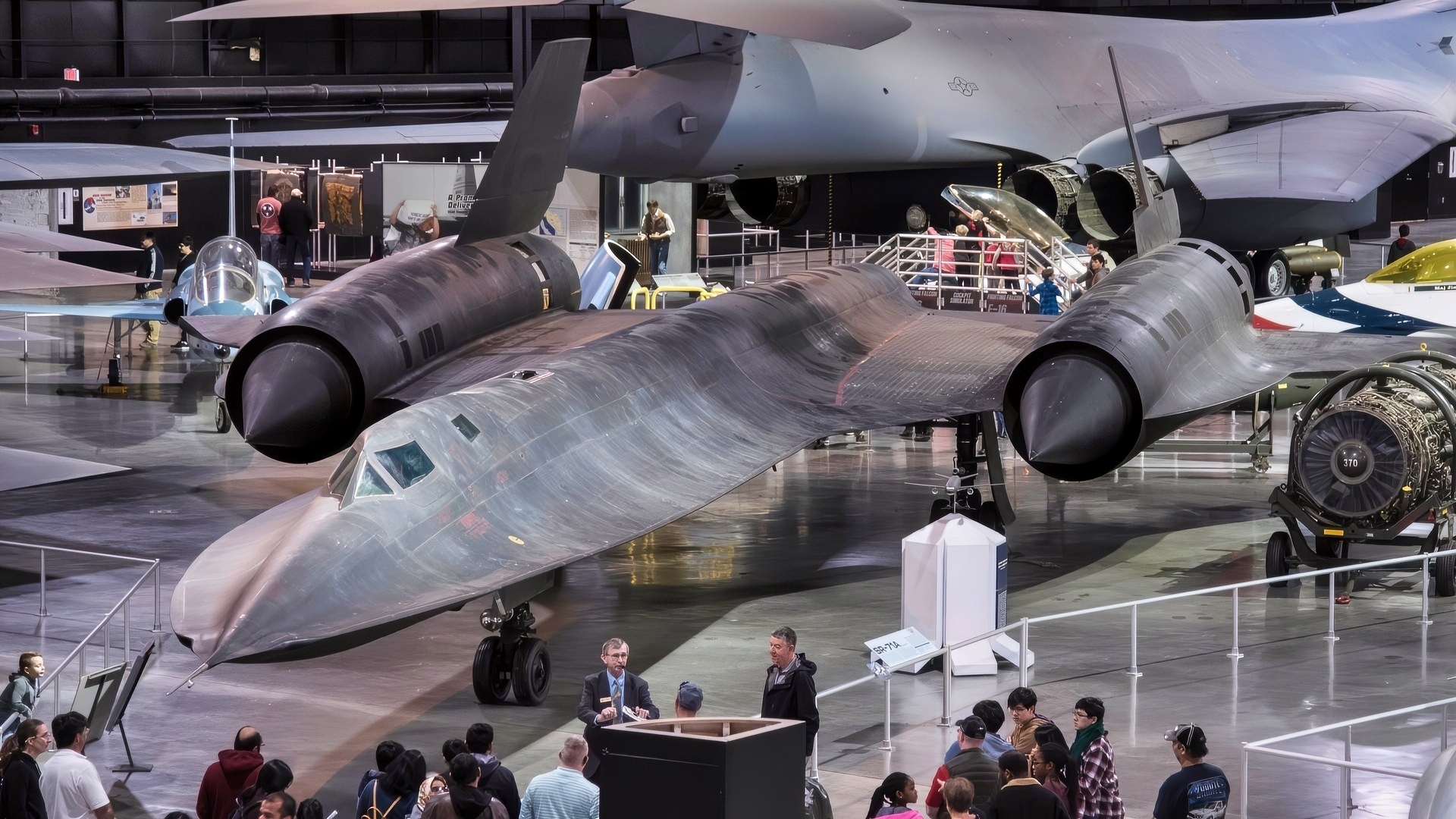
SR-71 Blackbird Museum Exhibit
Because the SR-71 fleet was so small and specialized—and performed such a narrow mission set—it became an attractive target for cuts.
Controversial Retirement
The Blackbird was retired in 1990, but the decision provoked criticism from intelligence officials, military personnel, and members of Congress.
Critics argued that satellites could not fully replace the SR-71’s ability to conduct responsive, high-speed reconnaissance. Subsequent crises renewed interest in its capabilities, and Congress authorized funding to reactivate a small number of aircraft during the 1990s.
The SR-71 returned to operational service in 1995, but the revival was short-lived.
The Air Force retired the aircraft permanently in 1998, while NASA conducted the final SR-71 flight in 1999.
About the Author: Harrison Kass
Harrison Kass is a writer and attorney focused on national security, technology, and political culture. His work has appeared in Tablet, City Journal, The Hill, The Spectator, and The Cipher Brief. He holds a JD from the University of Oregon and a master’s in Global & Joint Program Studies from NYU—more at harrisonkass.com.