
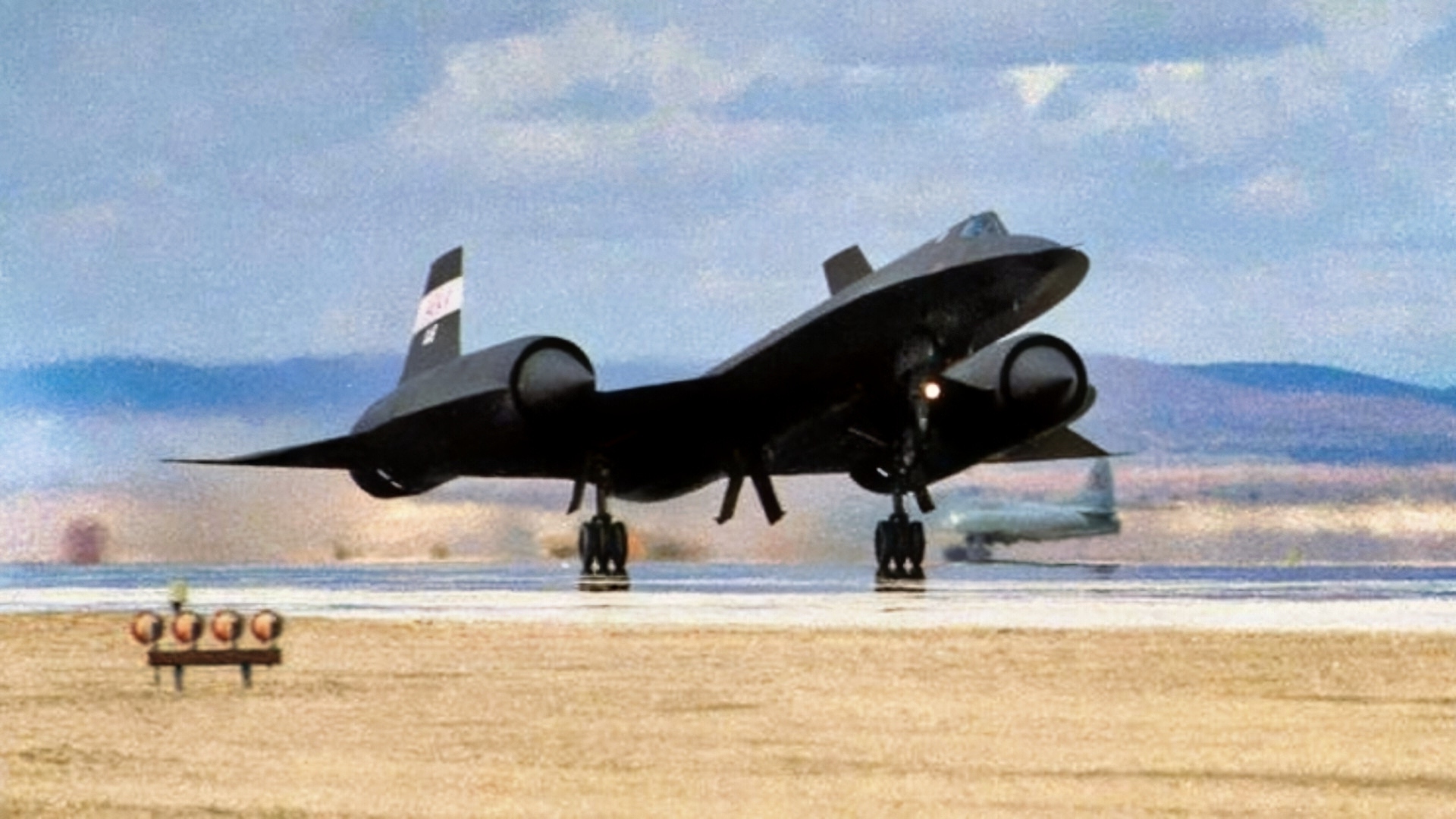
NASA may be taking concrete steps towards returning an SR-71 Blackbird to flight after roughly 27 years of dormancy, according to new reporting from The War Zone.
The aircraft is NASA Tail 844, an SR-71A that previously served as a NASA high-speed research aircraft and last flew in the late 1990s.
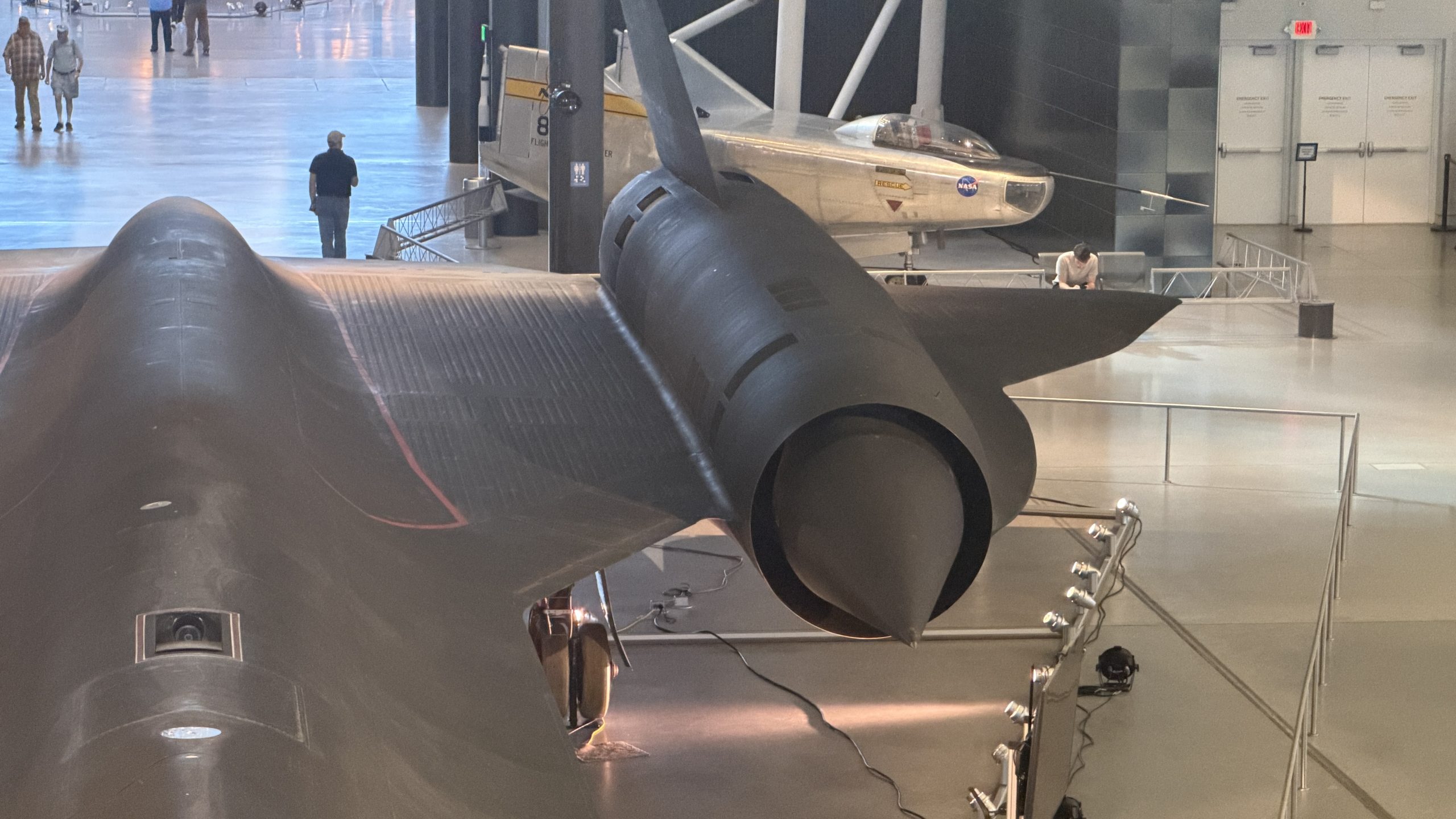
SR-71 Blackbird at the Smithsonian. Photo taken by 19FortyFive.com Staff.
Tail 844 made headlines recently when it mysteriously disappeared from its longtime display location at NASA’s Armstrong Flight Research Center.
Aviation Week defense editor Steve Trimble first spotted the disappearance in satellite imagery, which TWZ then investigated.
Now, TWZ has interviewed Tim Conners, NASA’s former lead propulsion engineer for its Blackbird program, who worked on 844 during the 1990s.
Conners told TWZ that he understands NASA has been inspecting the aircraft and is preparing it for external electrical “power-on” testing.
To clarify: NASA has not announced that 844 will fly again, and Conners only gave the project a 25 percent shot at returning to flight.
But the development is exciting for aviation enthusiasts who have long regretted the retirement of the SR-71.
Introducing Conners
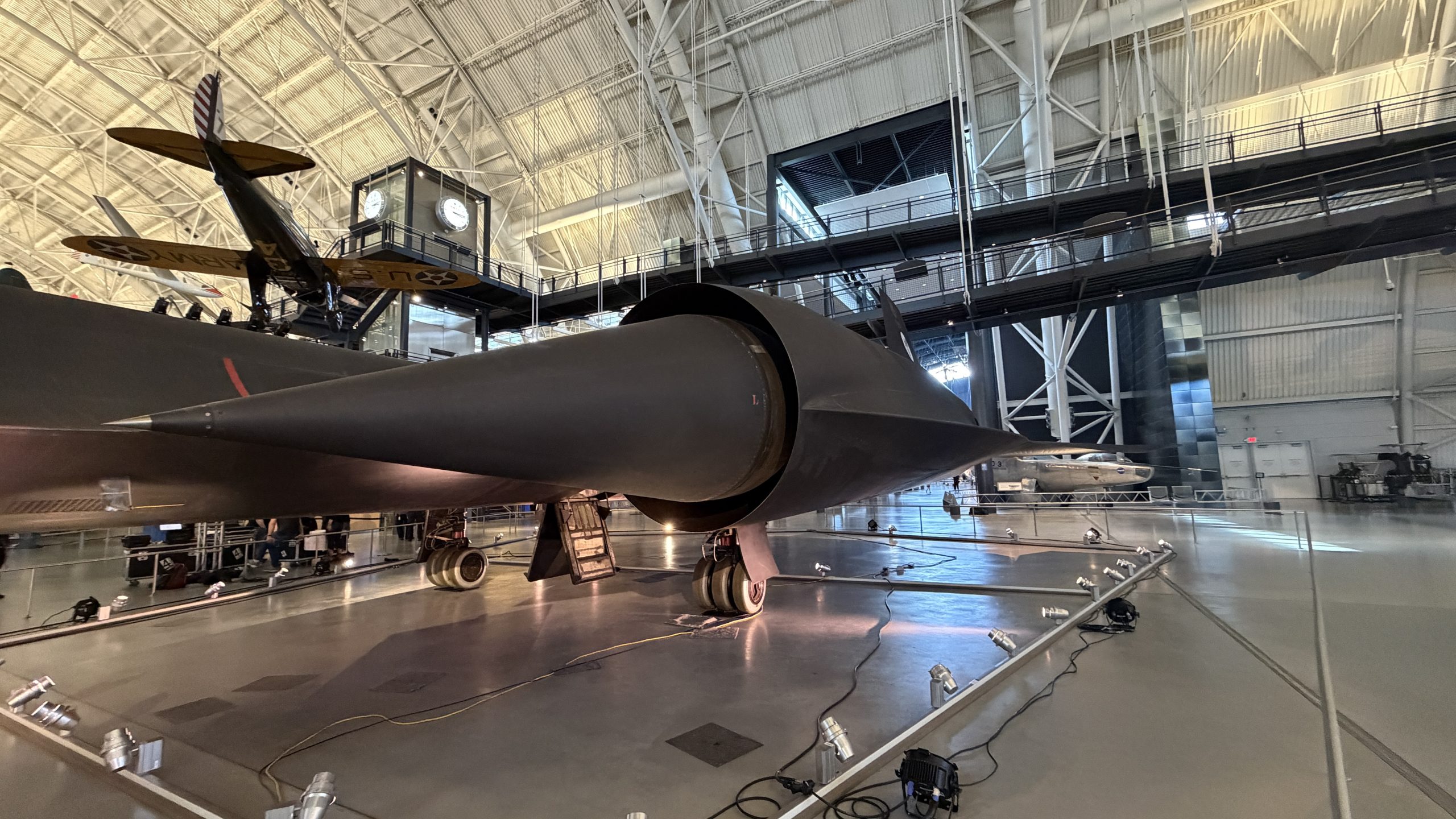
SR-71 Blackbird at the Smithsonian. Photo taken by 19FortyFive.com Staff.
Conners joined NASA’s Blackbird effort at what was then the Dryden Flight Research Center after NASA received three Blackbird airframes following the USAF’s retirement of the fleet.
Conners then became NASA’s lead propulsion engineer, overseeing the aircraft’s performance.
He helped ensure experimental payloads could safely integrate with the aircraft and supported NASA research flights beginning in 1996.
One especially demanding project Conners worked on was LASRE, which mounted a roughly 20–25,000-pound Linear Aerospace Rocket Engine experiment externally on the SR-71.
What is NASA Up To?
Conners told TWZ he has heard NASA is moving toward power-on testing. This does not mean starting the engines. It means technicians would connect external electrical power and determine which aircraft systems still function after decades of inactivity.
According to Conners, technicians have already completed a visual inspection, so the next logical step is to apply power.
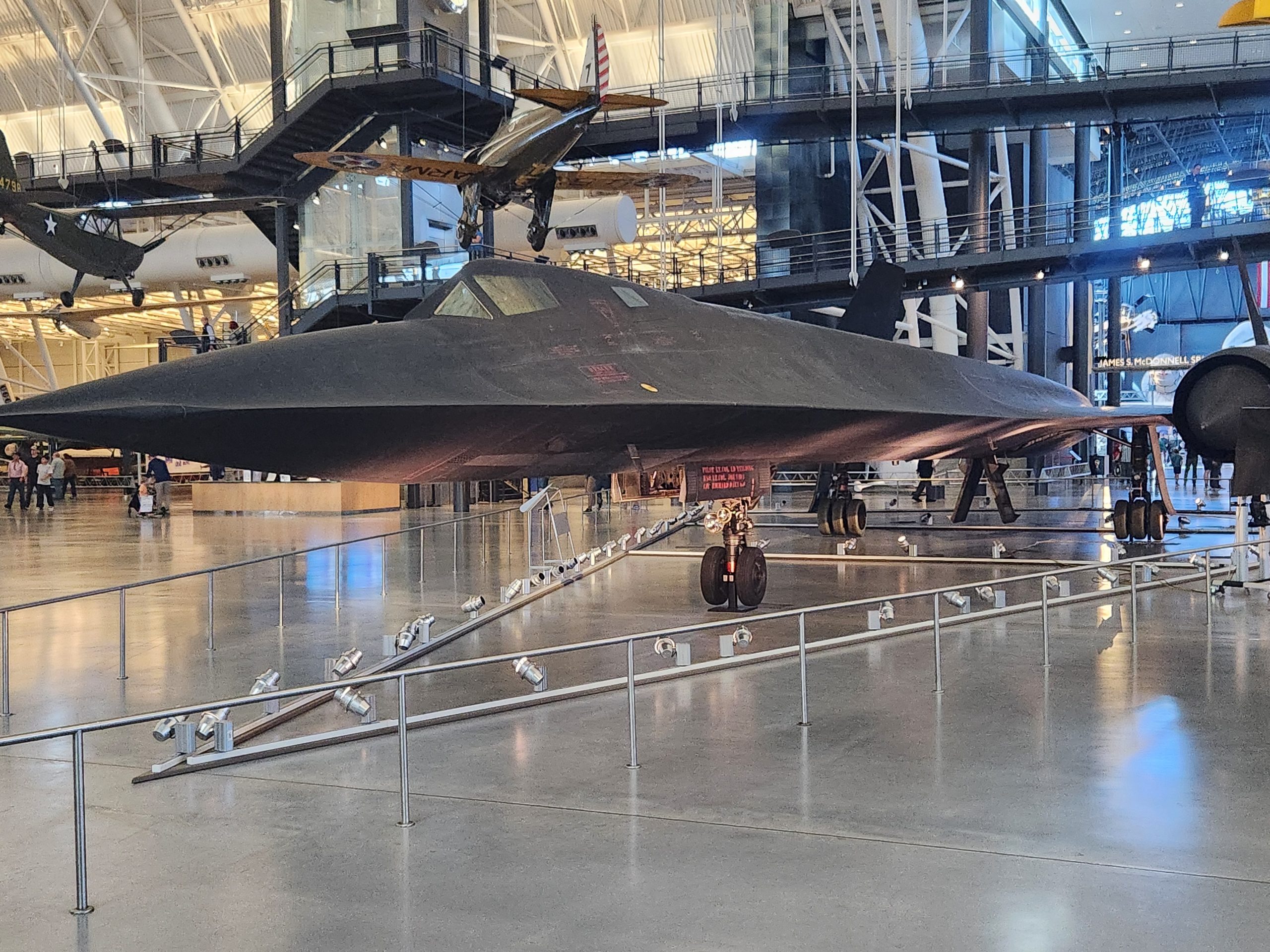
SR-71 Blackbird at the Smithsonian. Photo taken by 19FortyFive.com Staff.
He told TWZ that power-on testing was expected within weeks of the interview. According to Conners, the aircraft has undergone inspection for months since it was removed from its display pad.
Conners believes that if those inspections had revealed a hopeless airframe beyond saving, NASA would have returned it to display rather than keeping it in the lab.
Why Resurrect?
Conners believes that NASA may want 844, not to study aerodynamics, but as a high-speed propulsion testbed.
Modern computational fluid dynamics can model much of the SR-71’s aerodynamic behavior within its speed envelope fairly well, so resurrecting an aircraft from thirty years of dormancy for aerodynamics testing wouldn’t make much sense.
What remains harder to reproduce computationally, however, is the real-world behavior of a large experimental engine integrated into an aircraft and operated for sustained periods at very high speeds.
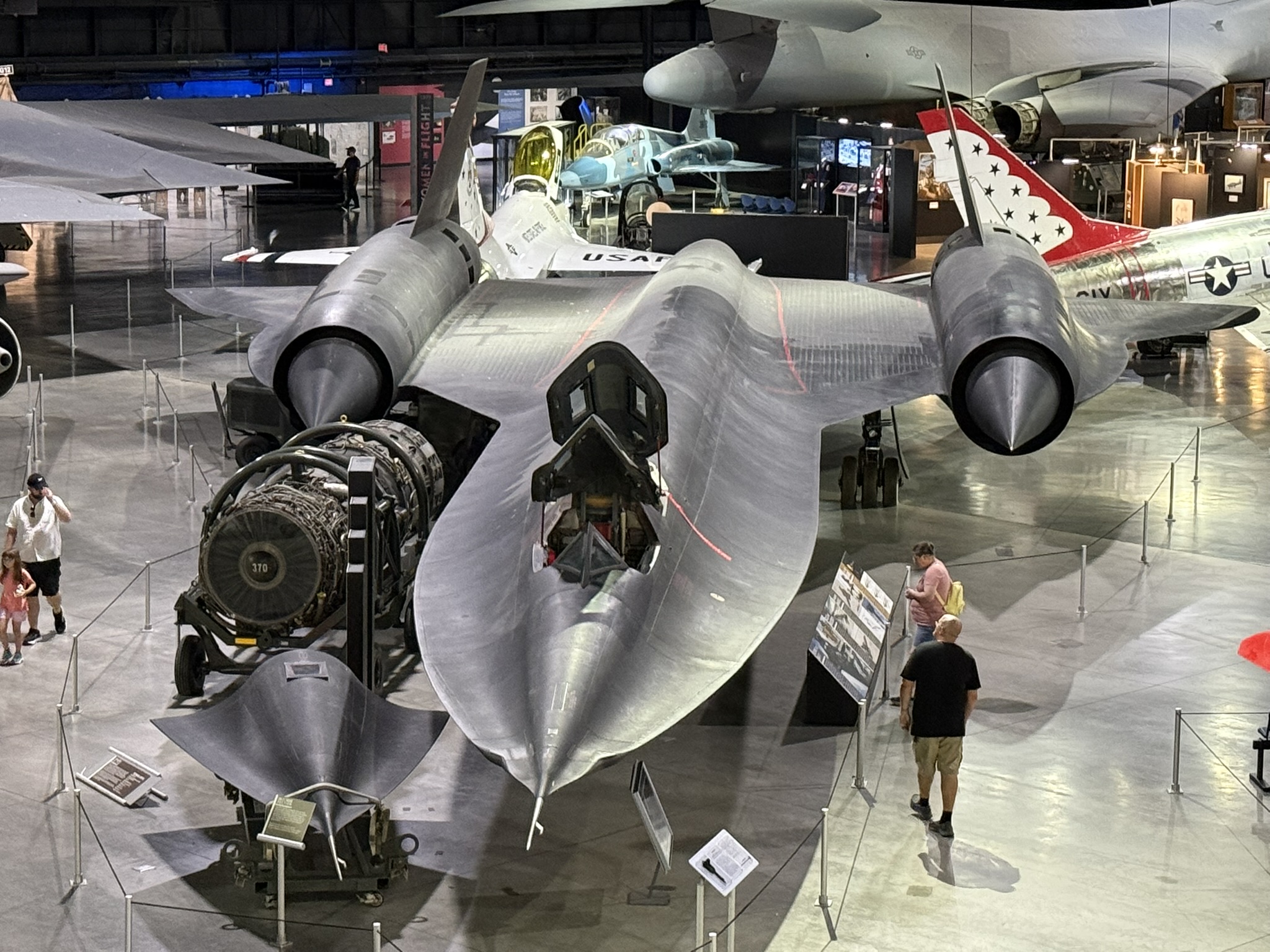
SR-71 Blackbird at the National Museum of the US Air Force. Photo taken by 19FortyFive.com Staff.
Conners argues that if researchers want to test something comparable to the SR-71’s J58, it would be extremely expensive to develop a clean-sheet Mach 3 aircraft to test an engine.
But the SR-71 already provides a proven large airframe capable of sustained flight in the Mach 3 range.
This approach would be thematically consistent with Tail 844’s existing service, which featured test-bed work for propulsion experiments.
Complicated Proposition
Bringing an SR-71 back to life isn’t like restoring an old P-51 or Spitfire. The SR-71 is a vastly more complicated machine.
According to Conners, the original Pratt & Whitney J58 engines are unserviceable after 27 years of sitting unused.
That makes sense—most car engines wouldn’t start after 27 years off. If true, NASA could install modern high-Mach engines in place of the dead J58S.
The possibility reinforces Conners’ theory that 844 could become an engine testbed.
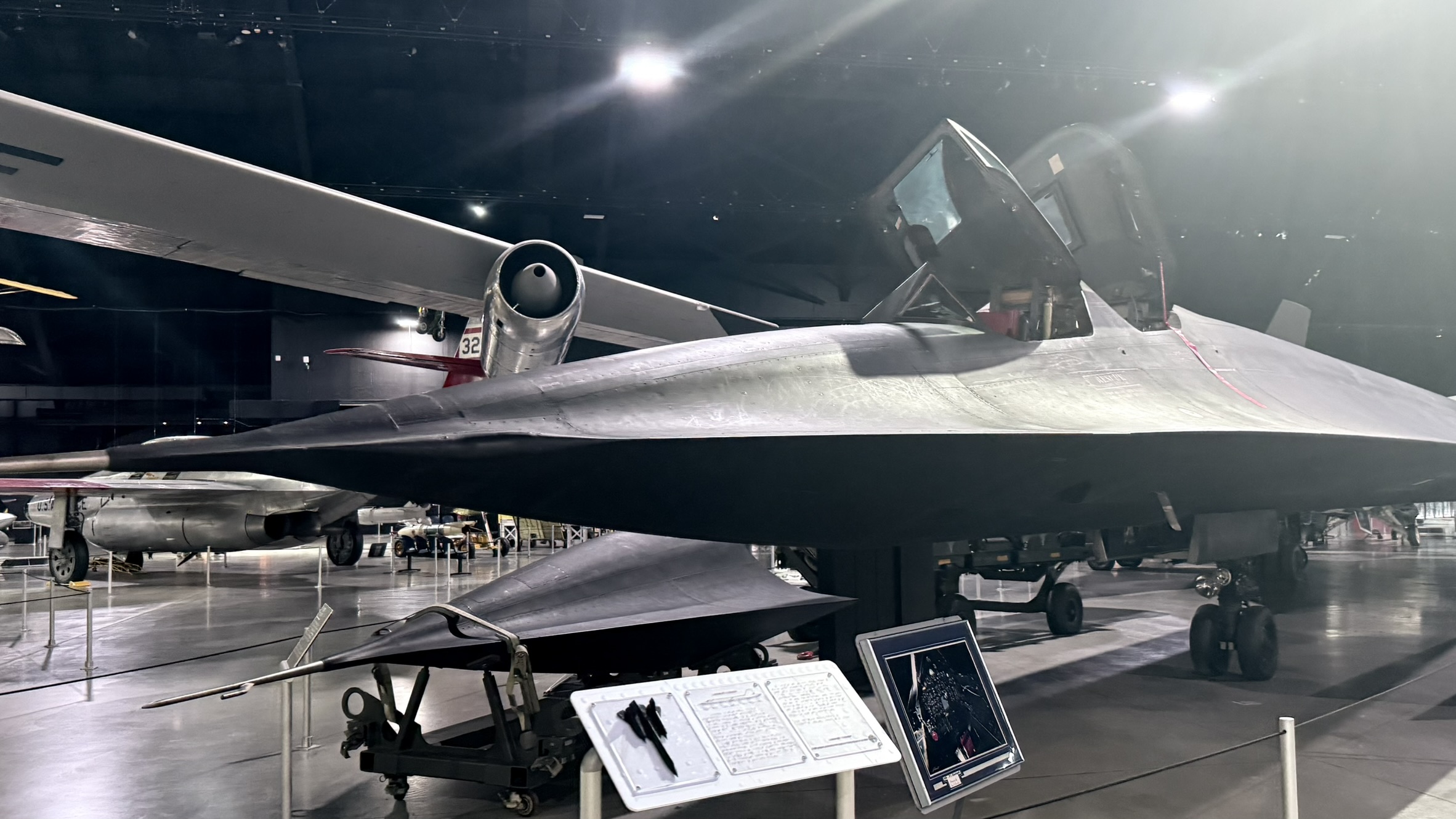
SR-71 Blackbird at the National Museum of the US Air Force. Photo taken by 19FortyFive.com Staff.
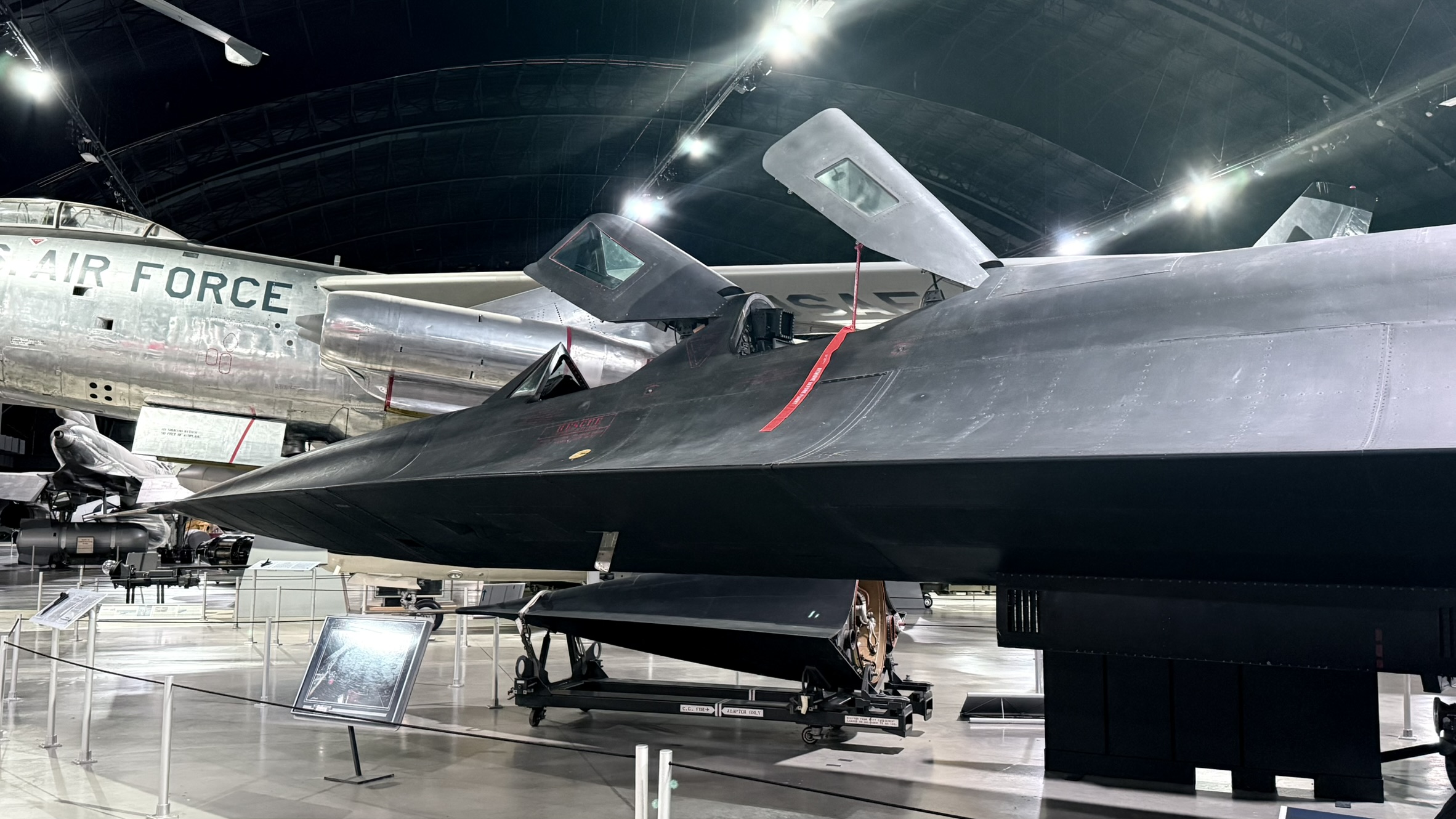
SR-71 Blackbird at the National Museum of the US Air Force. Photo taken by 19FortyFive.com Staff.
Aside from the engines, the remaining hurdles are substantial. The SR-71 relied on specialized fuel that is no longer produced.
Then there’s an entire SR-71 ecosystem that has vanished.
And of course, no one has flown the SR-71 in a generation, so no one can fly it or train aviators to fly it today.
A new crop of pilots would have to learn to fly the aircraft from scratch.
Still, Conners thinks there’s a 25 percent shot the SR-71 returns to flight within a few years.
We can hope.
About the Author: Harrison Kass
Harrison Kass is a writer and attorney focused on national security, technology, and political culture. His work has appeared in Tablet, City Journal, The Hill, The Spectator, and The Cipher Brief. He holds a JD from the University of Oregon and a master’s in Global & Joint Program Studies from NYU. More at harrisonkass.com.