
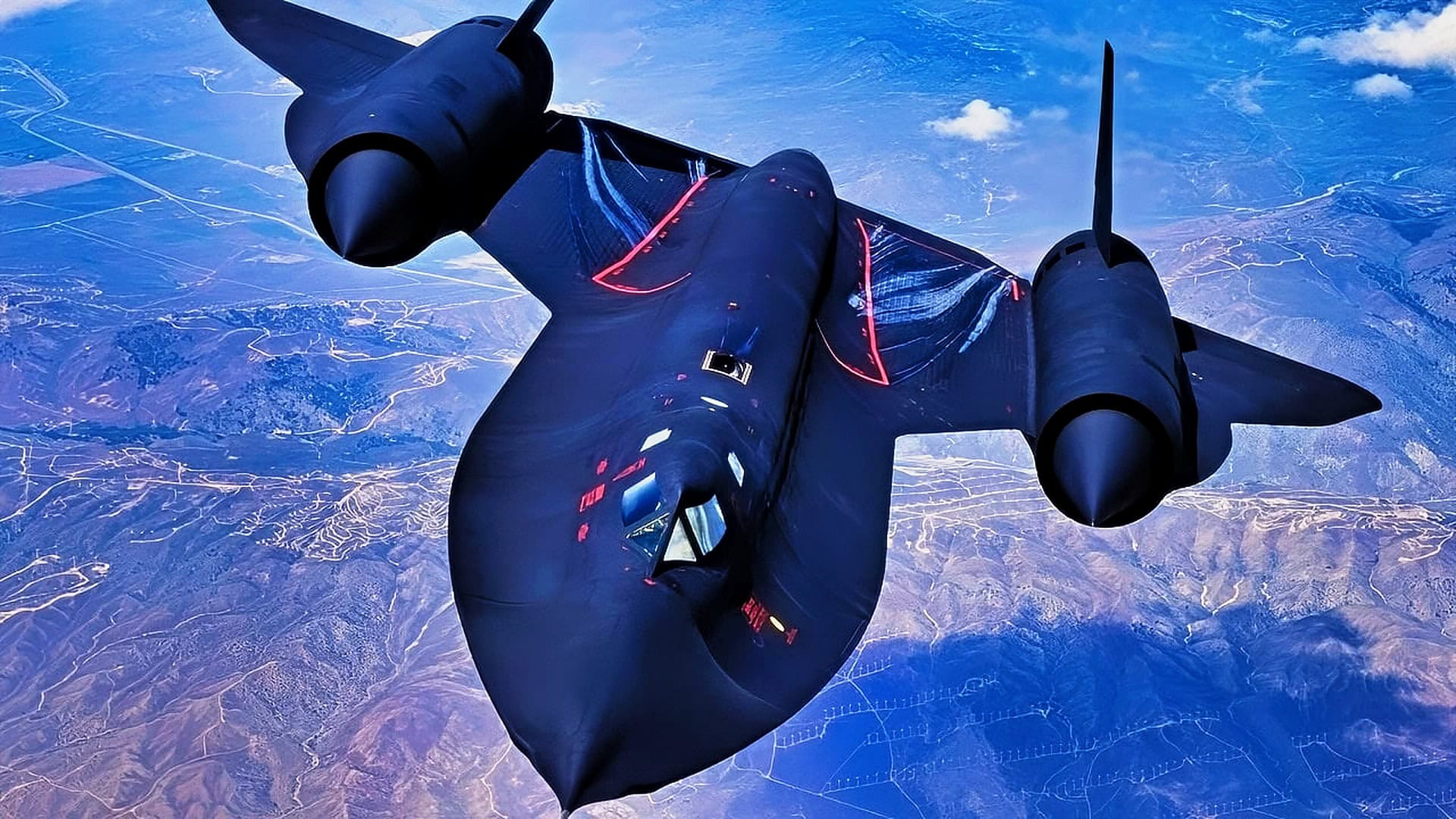
Summary and Key Points: They left Beale Air Force Base, refueled over central Alaska, and climbed toward about 75,000 feet on a moonless night. With no practical diversion airfields, the tanker kept flying north so that an SR-71 with a failed engine could turn 180 degrees and attempt a head-on rendezvous.
The SR-71 Blackbird is Aviation History Like Nothing Else
The SR-71 Blackbird is 19FortyFive’s favorite Cold War warplane, which is why we love taking so many photos of it, as you can see below, as we travel the country to get the best military photos.
And the SR-71 is a military history machine that keeps on giving. Case in point: In late 1969, an American SR-71 Blackbird flew a nighttime reconnaissance mission toward the North Pole to investigate suspicious Soviet activity.
The target was a Soviet installation reportedly established on the Arctic ice.
US intelligence believed the Soviets were conducting activities potentially involving American submarines.
According to an account published by Linda Sheffield Miller in The Aviation Geek Club on November 6, 2026, her father, SR-71 reconnaissance systems officer Colonel Richard “Butch” Sheffield, participated in the mission.
Sheffield later learned that the Soviets were reportedly installing underwater acoustic sensors intended to monitor US submarines.
The Ultimate Recon Tool
Developed by Lockheed’s Skunk Works, the SR-71 emerged from the earlier A-12 and YF-12A aircraft programs. After making its first flight on December 22, 1964, the SR-71 entered operational service in 1966 and was initially assigned to the 4200th Strategic Reconnaissance Wing at Beale Air Force Base, California.
The Blackbird was designed for high-altitude, high-speed intelligence collection.
Its basic performance characteristics included a Mach 3-plus top speed and an operational altitude of approximately 80,000–85,000 feet.
The crew consisted of a pilot and a reconnaissance systems officer (RSO).
The aircraft’s incredible speed made interception quite difficult.
But the aircraft’s capabilities came with demanding operating requirements, including aerial refueling, specialized navigation, and limited emergency landing options.
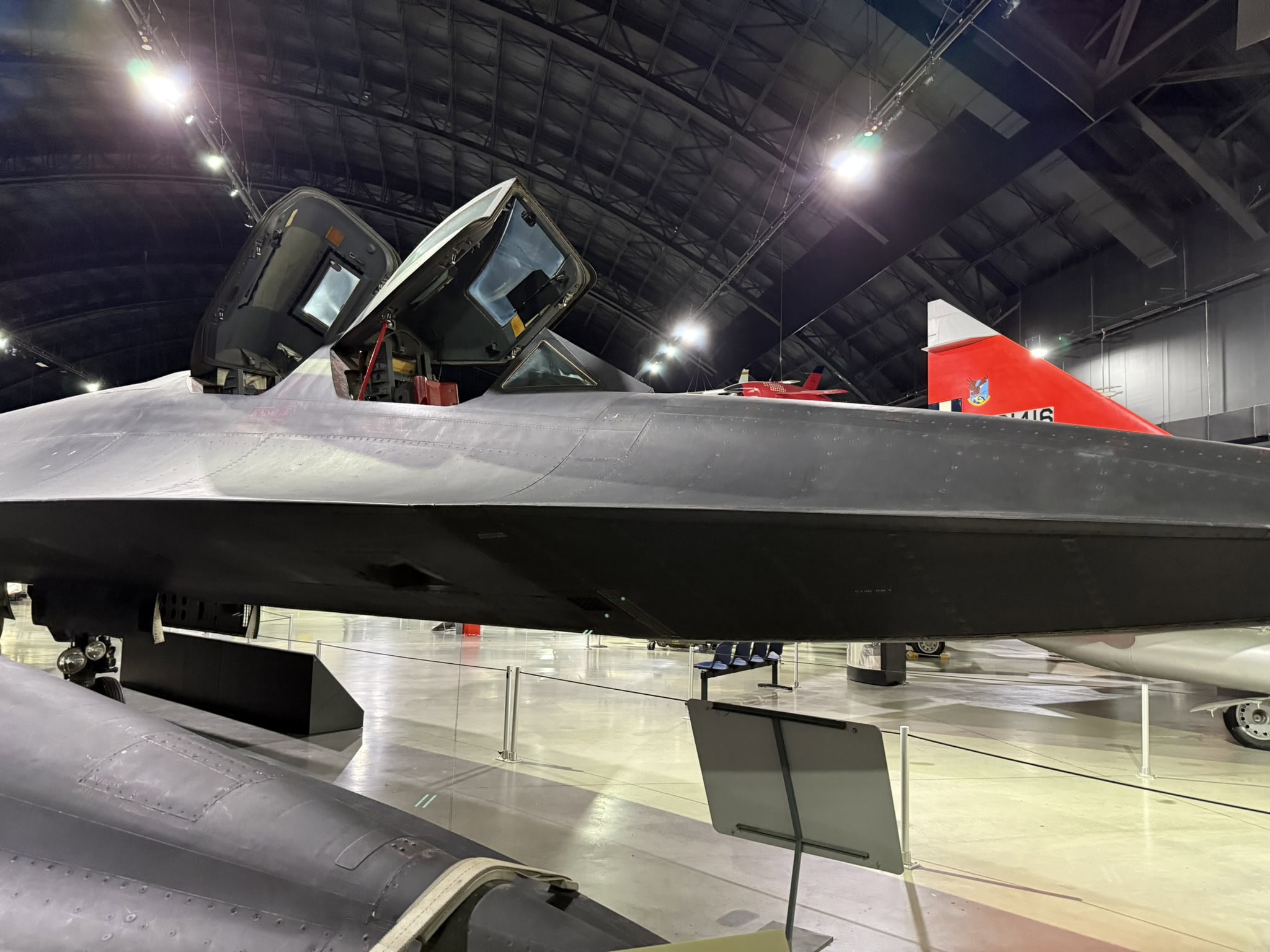
SR-71 at National Museum of the Air Force.
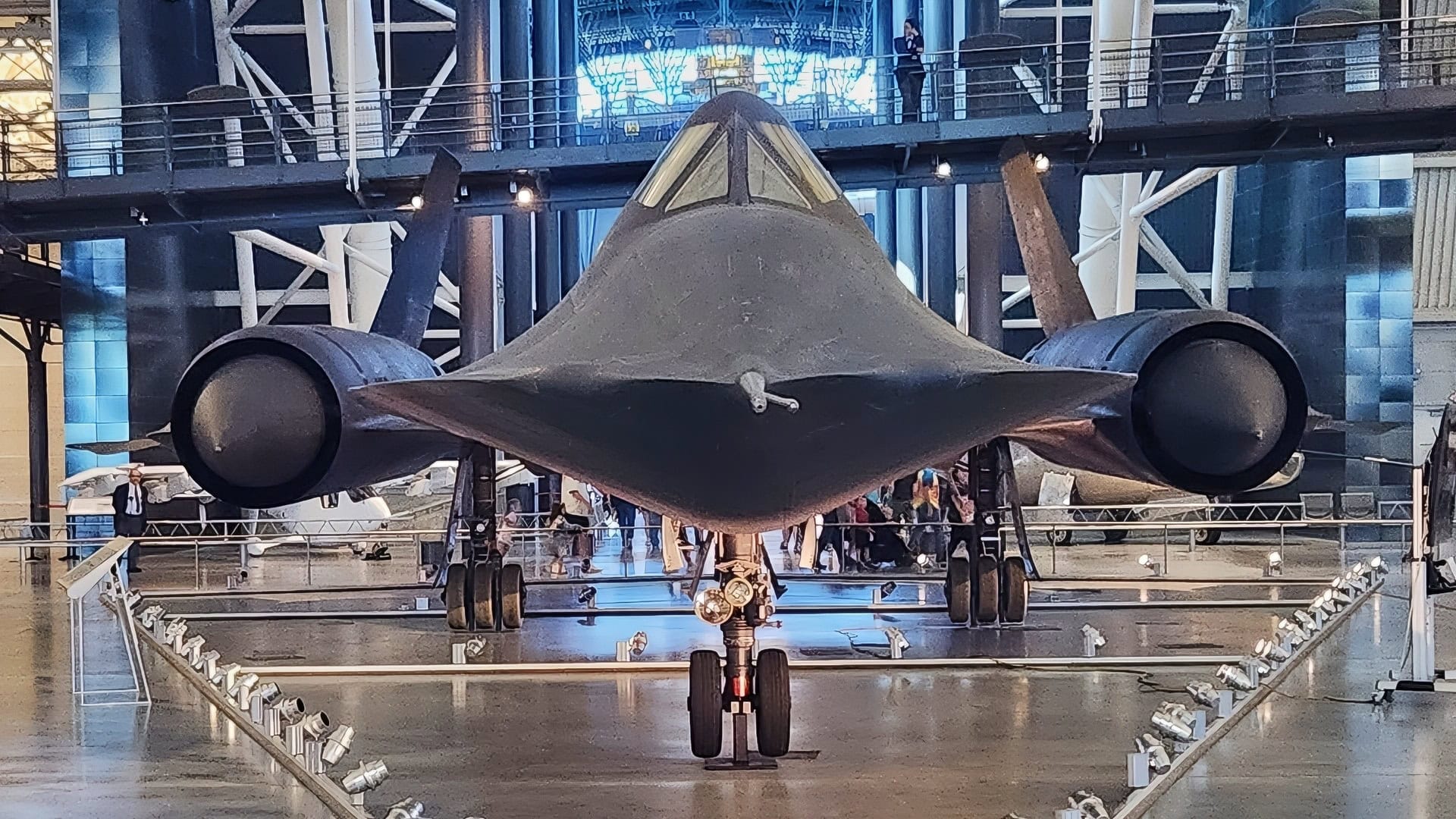
SR-71 At the Smithsonian. Image Credit: Creative Commons.
Tracking The Soviets
During the Cold War, the Arctic was an important operating environment for American and Soviet submarines. The polar ice cap offered submarines opportunities to operate far from conventional maritime surveillance.
Acoustic detection systems use underwater sound to identify and potentially track submarine movements.
According to Sheffield, the Soviets had established a station on the ice near the North Pole.
So naturally, American intelligence wanted to determine what was happening at the installation.
Sheffield said he learned years afterward that the Soviet activity involved deploying acoustic sensors intended to track American submarines beneath the ice.
Of course, this account is all retrospective, but plausible: the mission reflects the strategic competition over underwater surveillance.
Night Flight into the Arctic
Sheffield recalled receiving the assignment shortly after being paired with SR-71 pilot Bob Spencer in late 1969.
Night missions were unusual for the SR-71 at the time, which Sheffield attributed to a 1967 nighttime crash associated with a navigation-system failure near St. Martin.
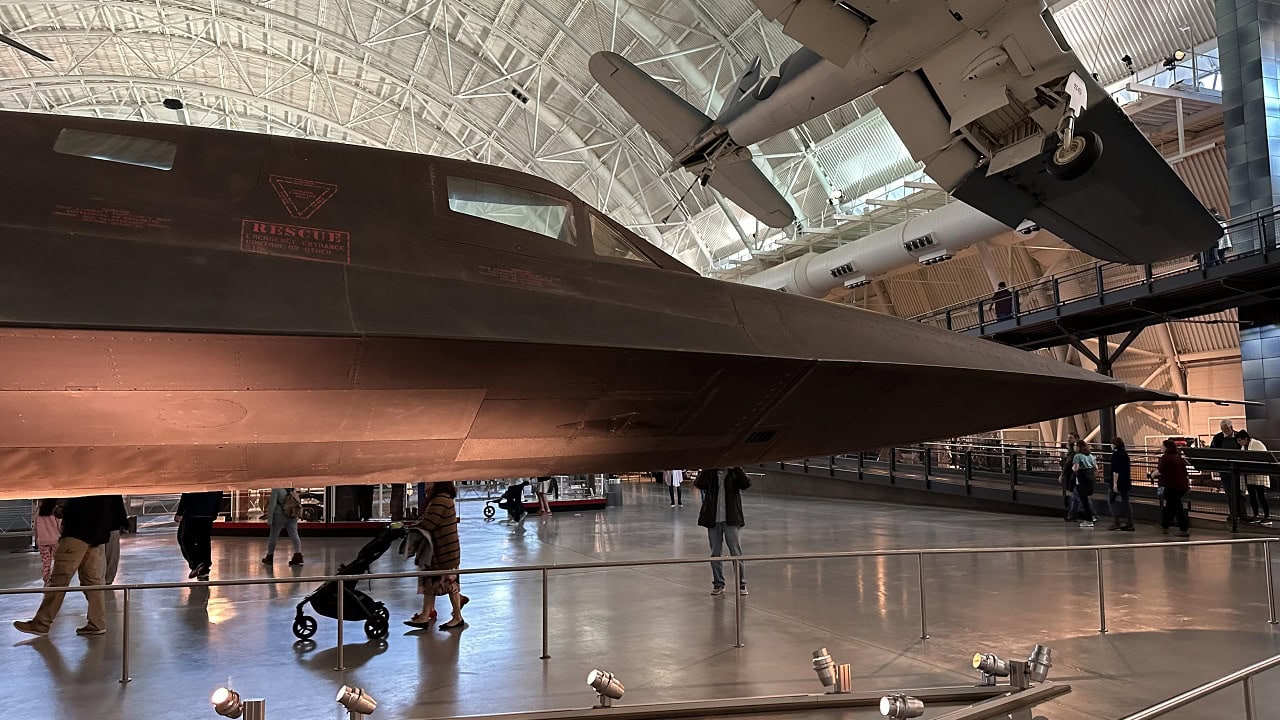
SR-71. SR-71 photo taken at the National Air and Space Museum. Taken by 19FortyFive on 10/1/2022.
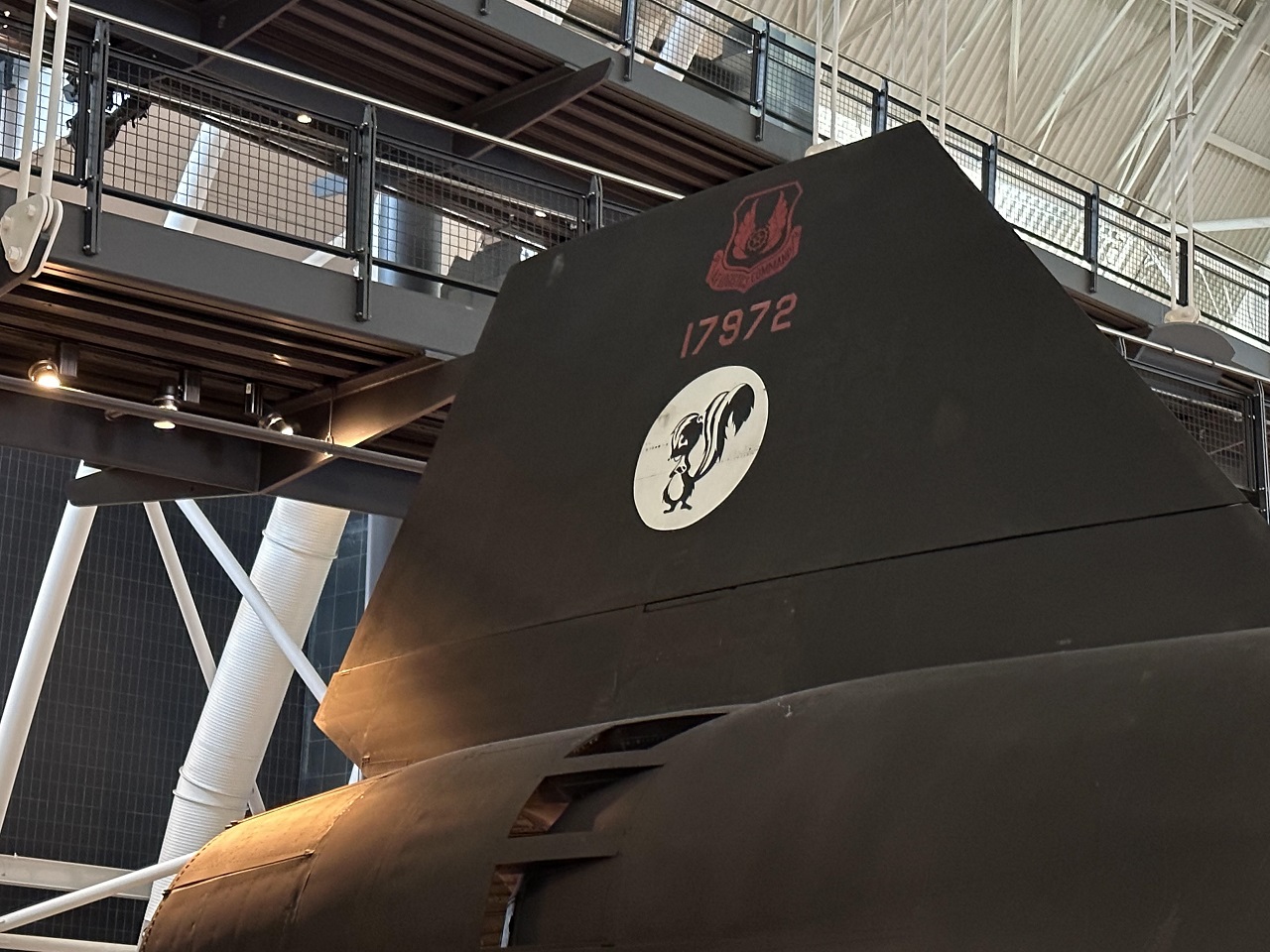
SR-71. SR-71 photo taken at the National Air and Space Museum. Taken by 19FortyFive on 10/1/2022.
Nevertheless, Sheffield and Spencer were considered an experienced crew.
Their mission began at Beale Air Force Base, California. They flew north toward Alaska, where they rendezvoused with an aerial refueling tanker.
After refueling over central Alaska, the crew engaged afterburners and climbed toward approximately 75,000 feet. They then continued north toward the Soviet ice station.
The mission took place on a moonless night, although Sheffield recalled seeing the landscape in starlight.
He understood that an aircraft emergency over the Arctic could leave the crew with virtually no chance of rescue. His recollection captured the danger, noting that the mission was “risky business.”
The Most Dangerous Part
Flying deep into the Arctic presented a different risk profile from conventional reconnaissance missions. The SR-71 had no practical diversion airfields near its target.
Sheffield recalled that the tanker had been instructed to continue flying north after refueling the SR-71.
This precaution provided an emergency option if the SR-71 experienced an engine failure.
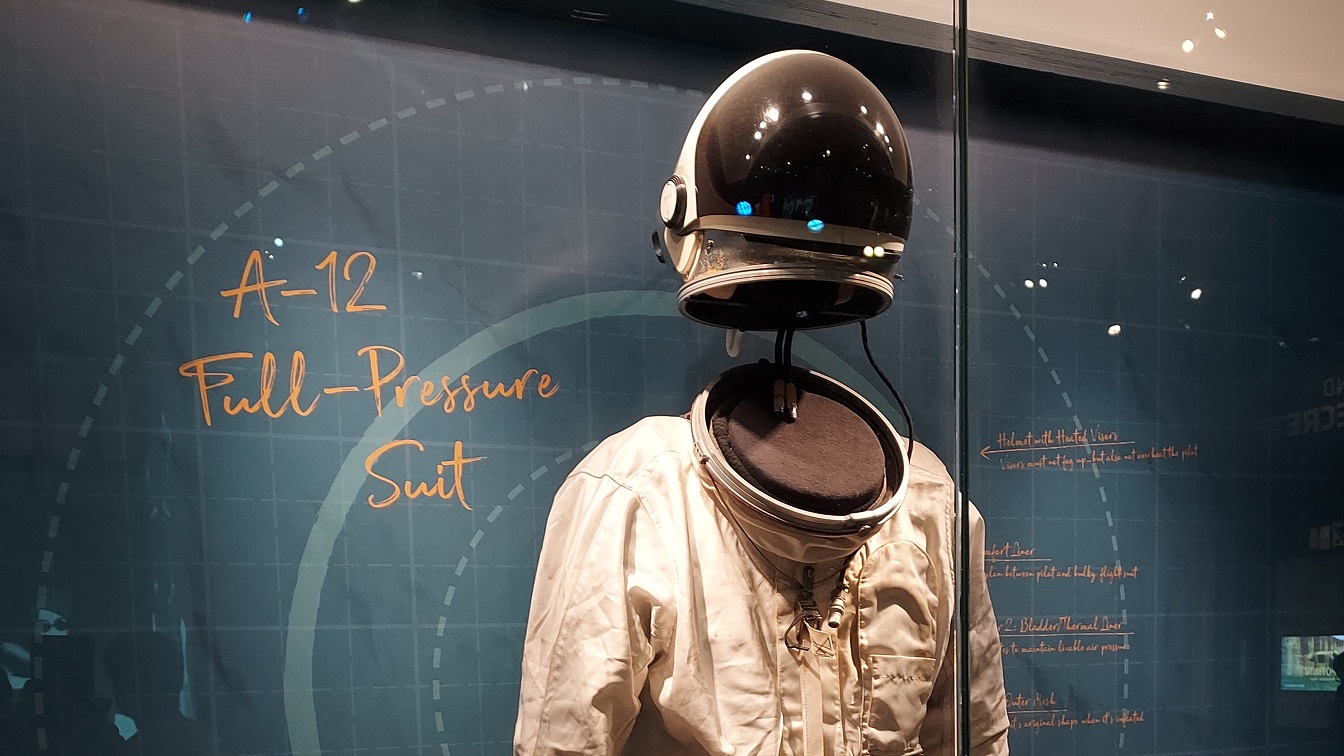
Flight suit. Image Credit: 19FortyFive Original Image.
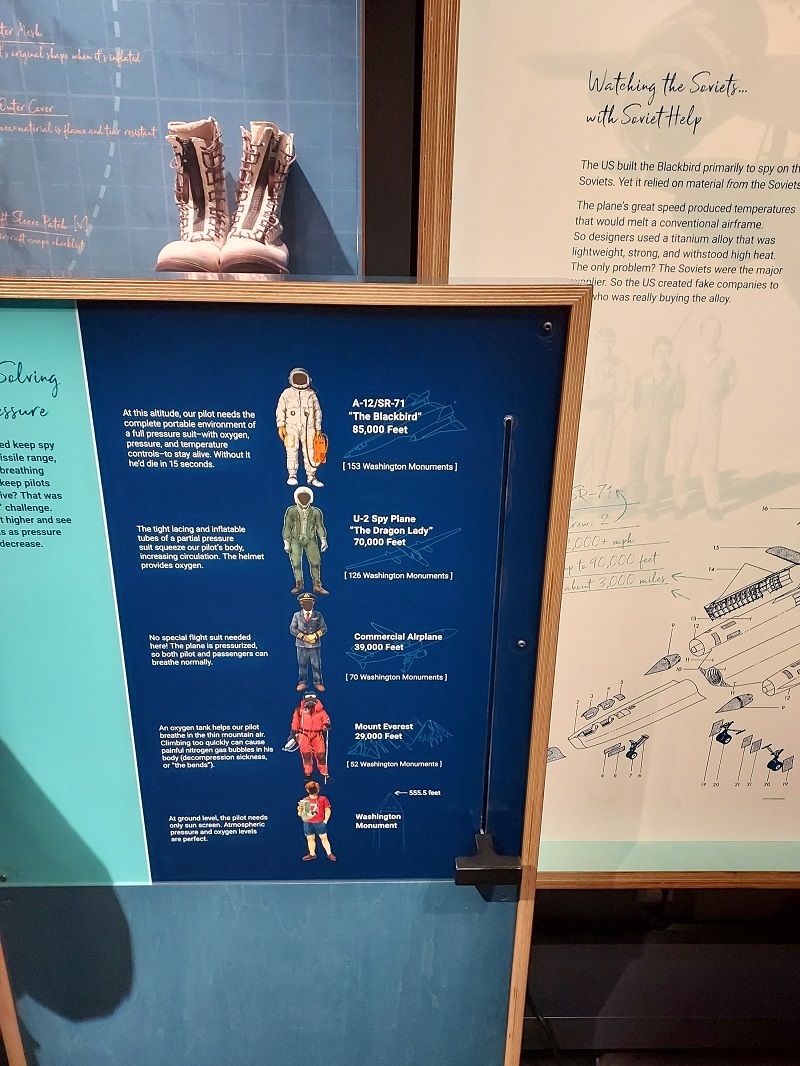
SR-71 Suit. 19FortyFive original image.
Under the contingency plan, the SR-71 would turn 180 degrees and attempt a head-on rendezvous with the tanker while operating on one engine.
Without successful refueling or sufficient remaining fuel, the crew could face a catastrophic situation. Sheffield believed that if the aircraft went down, rescuers might never locate them.
Photographing the Installation
The SR-71 carried a side-looking radar (SLR) system capable of collecting imagery without flying directly over a target.
Sheffield activated the radar as the aircraft approached the designated location, and the system successfully imaged the Soviet installation.
The system’s imaging capability extended about 80 miles to the side of the aircraft, allowing the crew to remain some distance from the installation while collecting intelligence.
Ultimately, the mission concluded without incident.
Sheffield and Spencer returned toward Alaska, refueled again, and flew back to Beale Air Force Base.
The operation demonstrated the Blackbird’s ability to collect intelligence in remote, hazardous environments.
About the Author: Harrison Kass
Harrison Kass is a writer and attorney focused on national security, technology, and political culture. His work has appeared in Tablet, City Journal, The Hill, The Spectator, and The Cipher Brief. He holds a JD from the University of Oregon and a master’s in Global & Joint Program Studies from NYU. More at harrisonkass.com.