
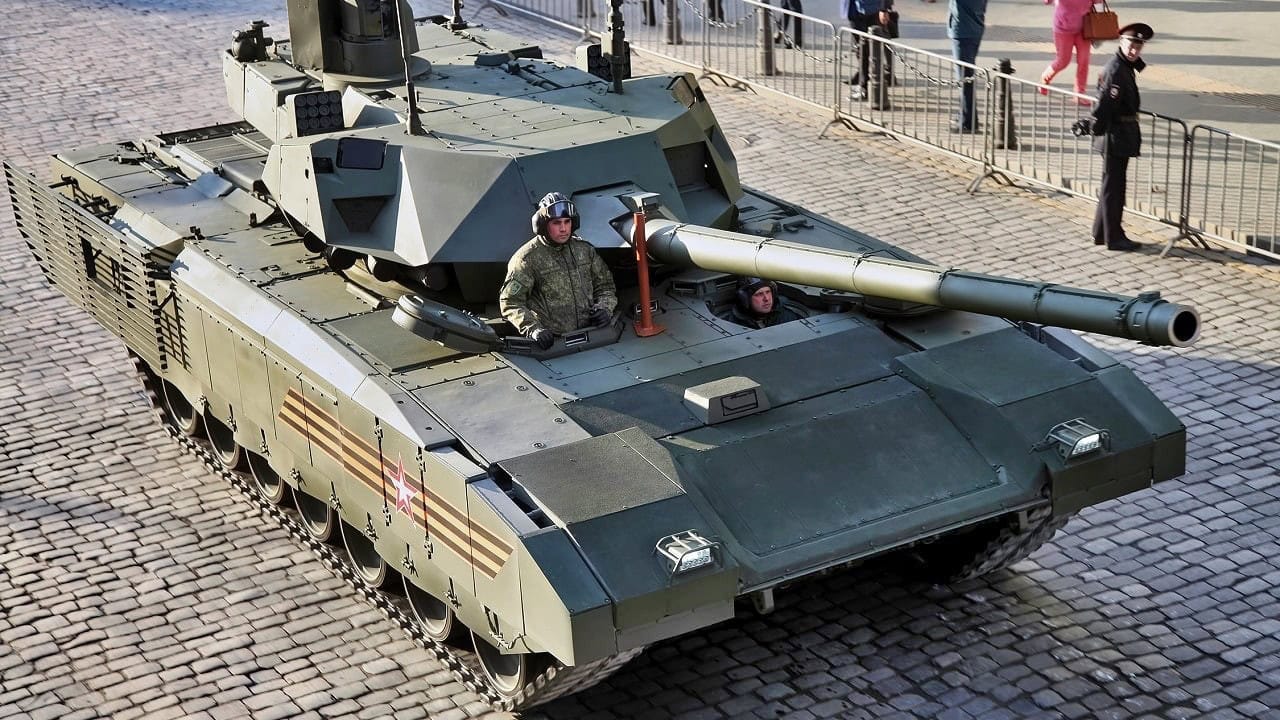
Once again, the media is treated to statements from the Kushner/Witkoff team about yet another round of negotiations with Moscow. Those pronouncements suggest that the U.S. envoys either do not understand the nature of Russia’s threat to Europe or are willing to look the other way to reach a ceasefire in Ukraine at any cost. Reportedly, Russia’s demands remain unchanged, including Finland’s exit from NATO, the removal of allied bases from the Baltic States, and a de facto restoration of a Russian sphere of influence across the Nordic/Baltic/Central European region.
In effect, Putin is asking the United States to do for him what he has not been able to achieve over the past quarter century. The brazen arrogance of Moscow’s approach is matched by the Trump administration’s apparent lack of understanding of Europe’s security concerns and of the threat Russia poses to American interests on the continent.
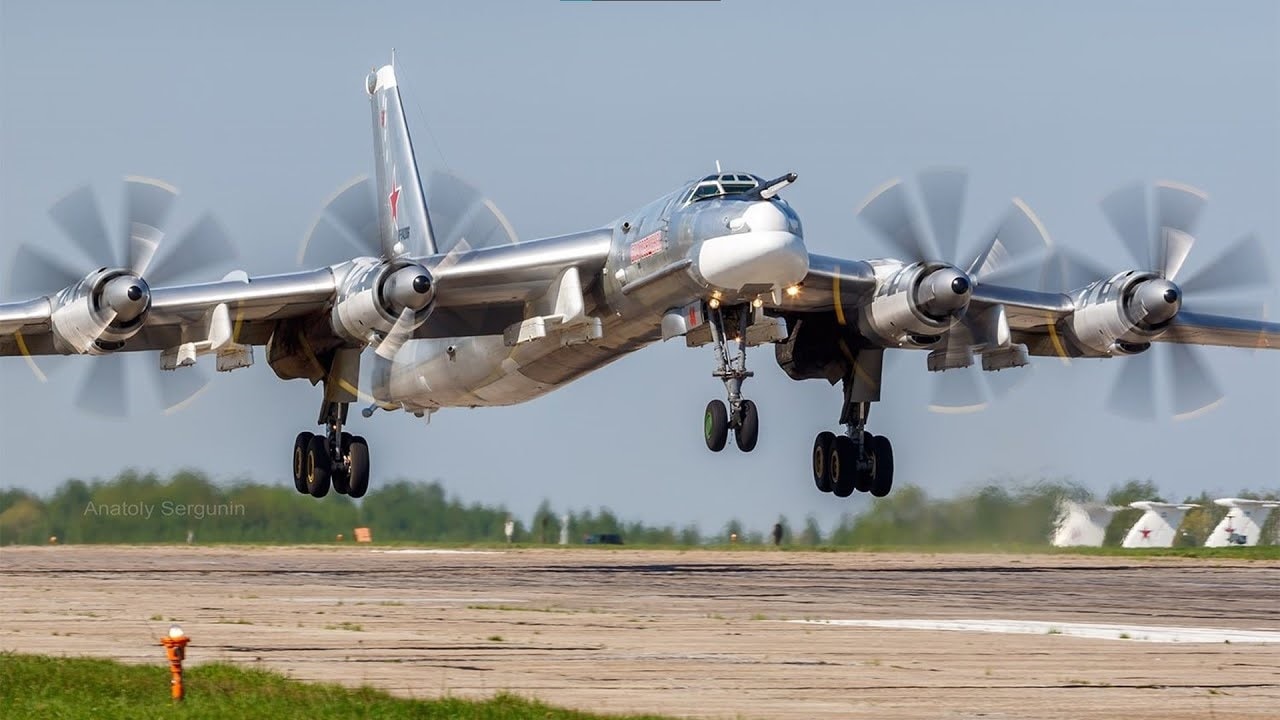
Tu-95 bomber. Image Credit: Creative Commons.
It Matters Who Started the War
Trying to end the brutal war in Ukraine, which continues to kill thousands each month, is a noble undertaking, but the view that “it doesn’t matter who started it – let’s just stop the fight” shows the administration has yet to appreciate the enduring verities of national defense.
It matters greatly that Russia is the aggressor and that Ukraine is fighting an existential fight to preserve its sovereignty and independence.
America once understood these basic principles, paying a high price to liberate Europe in World War II and defending it for half a century during the Cold War. Why, at this moment in history, do we suddenly forget the fundamentals of how events in Europe and on the Eurasian landmass will affect our own homeland? Why do we dismiss our European allies’ legitimate security concerns and seek an accommodation with our long-standing adversary, Russia, which is allied with China, Iran, and North Korea against us?
Why Russia Remains America’s Adversary
Russia remains America’s adversary not because of a misunderstanding or misplaced priorities by another U.S. administration. It’s America’s adversary because, if allowed to expand unchecked, it could control Eurasia and dominate Europe, depriving the United States of access to global resources, trade routes, and regions that are linchpins of the nation’s security.
This would also vastly strengthen China’s hand in the Indo-Pacific, further complicating the United States’ ability to work with its allies in Asia. This is a prescription for America’s decline, impacting our economy and homeland security across the board.
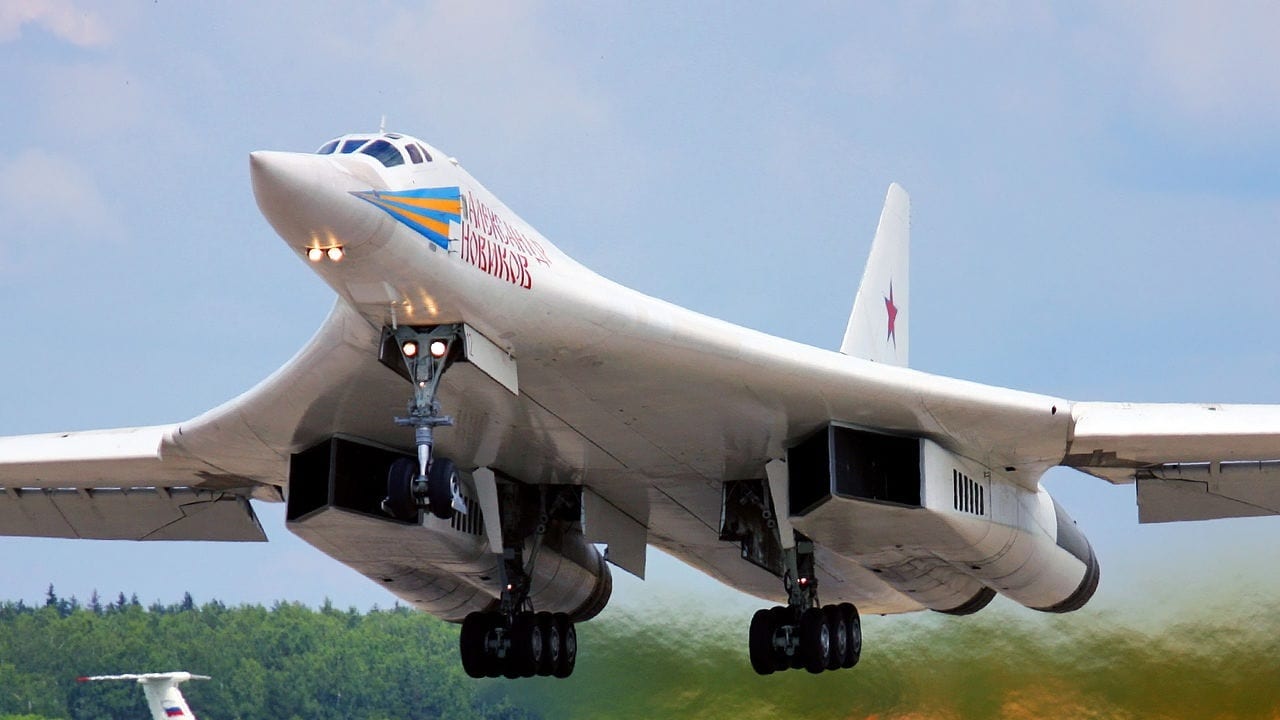
Tu-160 Bomber. Image Credit: Creative Commons.
Though a quintessentially maritime power, the United States would be contained and effectively confined to a peripheral status in the Western Hemisphere. This simple reality of geography was clearly understood by every U.S. administration from Woodrow Wilson through FDR, and from Harry Truman through Ronald Reagan, but it somehow fails to register with the current team.
Rebuilding the Transatlantic Alliance
The United States needs a fundamental reorientation of its Russia policy, rebuilding our relations with Europe and treating our NATO allies as allies again, not as an unruly collection of wayward children.
Transatlantic relations should never be reduced to personalities or animus against any particular politician, U.S. or European, because doing so undermines trust and risks unraveling the alliance. Alliances are built on shared threats and common interests, and if we want to contain Chinese expansion, we need our European allies on our side.
Europe needs the United States to ensure effective deterrence and defense against Russia. The United States needs Europe to balance its adversaries and maintain access to critical regions of the world – if anyone doubts this, ask how the administration could execute the Iran operation without bases in Europe and access to supply networks there.
Europe, not Russia, has been and remains our principal Atlantic partner, not because NATO is an alliance of democracies – though this aspect strengthens and facilitates our engagement – but because our vital national interests align. It is well past time to abandon the administration’s “pivot to Asia” rhetoric and relearn the fundamentals: To be secure, the U.S. needs to be anchored in both the Atlantic and the Pacific.
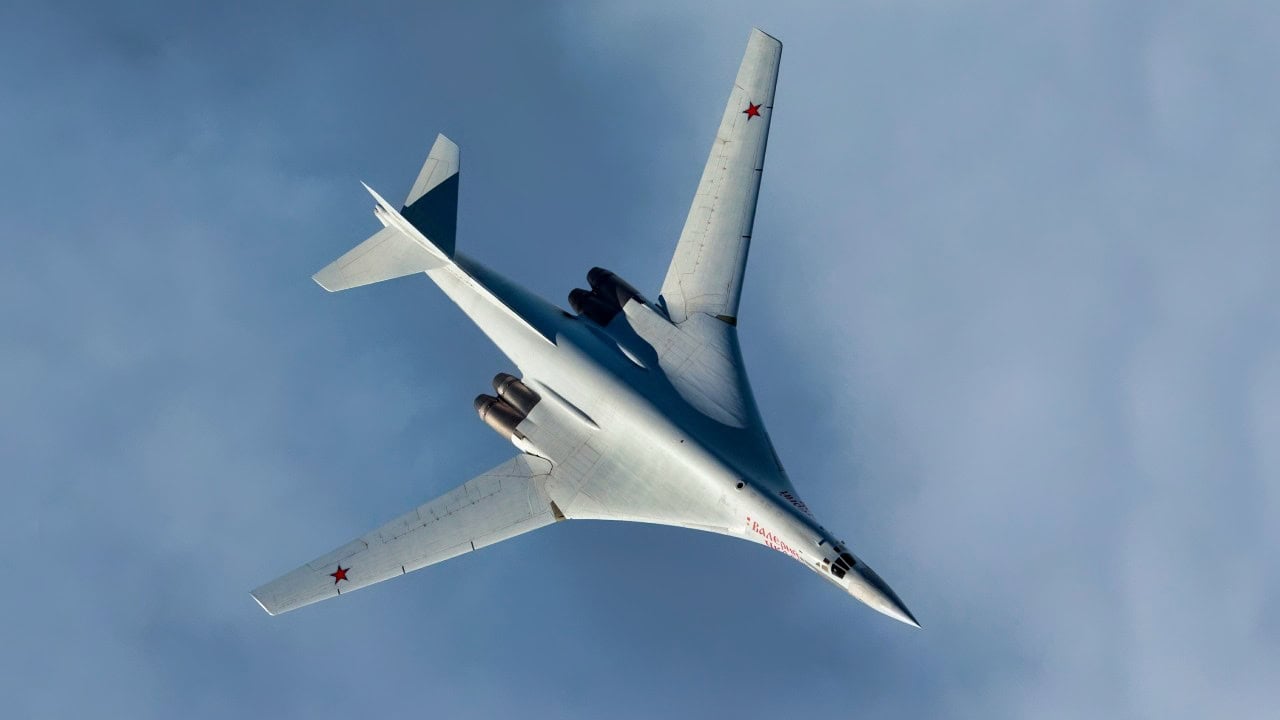
Tu-160. Image Credit: Creative Commons.
The Return of Grand Strategy
Continuing to negotiate a comprehensive Europe agreement with Russia is a path to defeat because the current framework fails to fully account for Russia’s strategic objectives. Worse, it runs counter to the enduring fundamentals of America’s geostrategy.
National security is not only about making deals; it is about a clear, comprehensive design that articulates the country’s irreducible national interests and provides the means to achieve them. It’s called “grand strategy,” and it is high time we had one again.
About the Author: Dr. Andrew Michta
Andrew A. Michta is Professor of Strategic Studies at the Hamilton School at the University of Florida, a Nonresident Senior Fellow at the Atlantic Council in Washington, D.C., and a Visiting Fellow at the Hoover Institution at Stanford University. The views expressed here are his own.