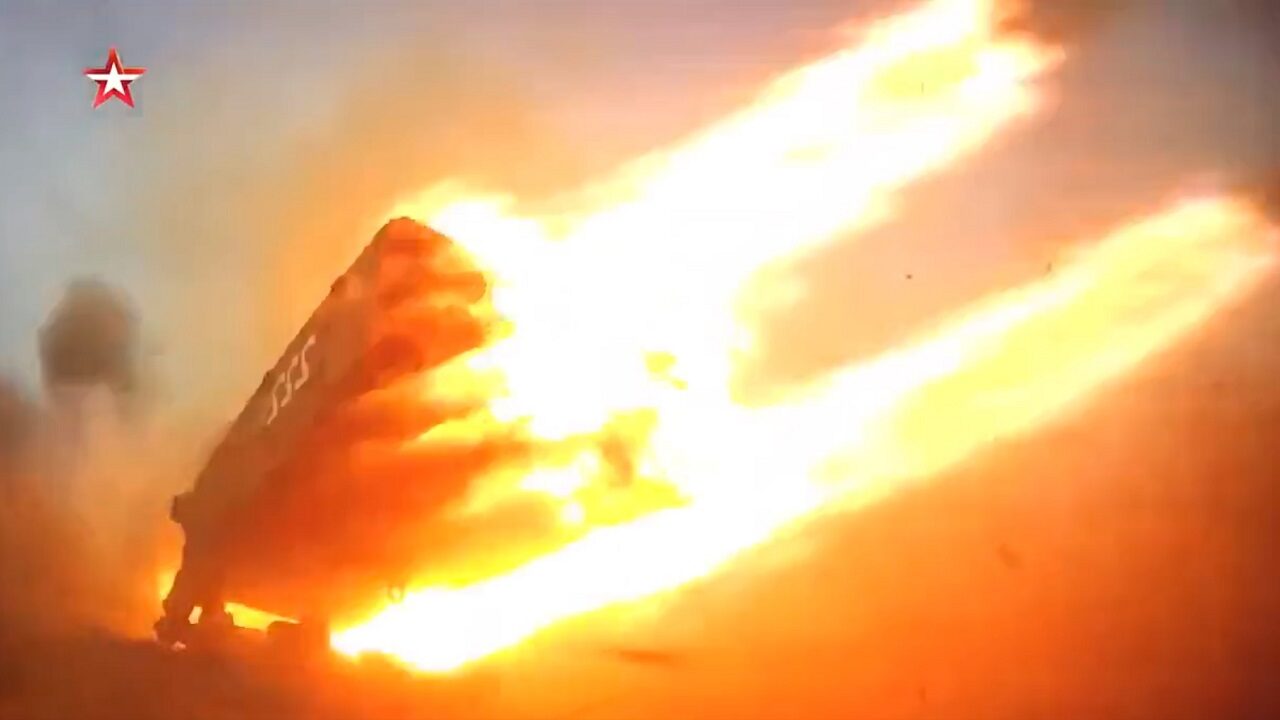
Key Points and Summary: Ukraine’s survival against Russia hinges on consistent U.S. military aid. With artillery use at 6,000 shells daily and constant equipment and manpower losses, supply disruptions could halt Ukraine’s momentum.
-Meanwhile, Russia’s alliance with North Korea adds a brutal new dimension to the war, as North Korean soldiers employ fanatical tactics on the front lines.
-Despite ongoing U.S. and Western support, risk-averse policies and restricted aid have left Ukraine fighting with limitations against a well-resourced adversary.
-Experts warn that cutting military aid would lead to devastating consequences, making sustained support critical for Ukraine’s ability to resist Russian aggression.
The Ukraine War: From Bad to Worse if Trump Dumps Kyiv?
For months leading up to the 2024 presidential election, the issue of whether Ukraine could survive and continue to fight back against Russia’s military without United States military aid. This line of questioning stems from the unspoken assumption that a second Donald Trump Administration might reduce that aid—or even curtail it altogether.
Since the fall, and more so since Trump’s election victory in November 2024, the prospect of the withdrawal of US military aid seems less likely. However, if assistance to Ukraine was not canceled but just significantly scaled back, the consequences could be severe.
The most crucial point to remember, says a Ukrainian official in Kyiv who spoke to 19FortyFive, is the “constant, static usage of military items on the front lines. Vehicles are destroyed and have to be replaced. Soldiers are either killed – or if wounded have to be withdraw from combat. Reduced manpower causes a loss in firepower and too many vehicles out of action means a loss of mobility.”
Critical Shortages for Ukraine
One of the most serious problems is that of consumables on the battlefield, namely munitions.
This war has seen some of the highest rates of fire for, among other items, artillery shells, which the Ukrainian forces are burning through at a rate of 6,000 rounds per day.
“What most people in the US do not realise ,” said Yuri, a long-time Ukrainian colleague who regularly moves between the front and the rear area, “is the nature of logistics in this conflict. It is like a pipeline. If you do not keep the pipeline running with a steady flow of personnel, ammunition, POL, vehicles, etc. momentum screeches to a halt.”
These kinds of “reductions in military aid will cause the Ukrainian military to gradually lose combat power. Ukrainian cities will suffer more destruction as air defences weaken and more Russian missiles get through,” reads a CSIS study released on the war in late 2023. This dynamic has not changed in the intervening 12 months.
If the flow of munitions is disrupted, then Ukrainian troops have no choice but to fall back, and, as Yuri describes, “it takes three times the effort to reclaim that lost territory than it would have required to defend it.”
North Korea Enters the Fray
“What makes the situation for Ukraine worse,” said Yuri, “is that while the US and others are trying to work out how to send Ukraine less aid or how to limit what targets we are allowed to hit with the weapons we are provided, Moscow has allies willing to send more to support his war effort and without any restrictions whatsoever.”
He was referring to Russian president and former KGB Lt. Col. Vladimir Putin now putting North Korean soldiers into the war, per an arrangement he has made with Kim Jong-un, the current dictator of the regime in Pyongyang.
As a report late last year by the Atlantic Council concludes, the West has imposed only modest sanctions on the DPRK as “punishment” for intervening in the Ukraine war.
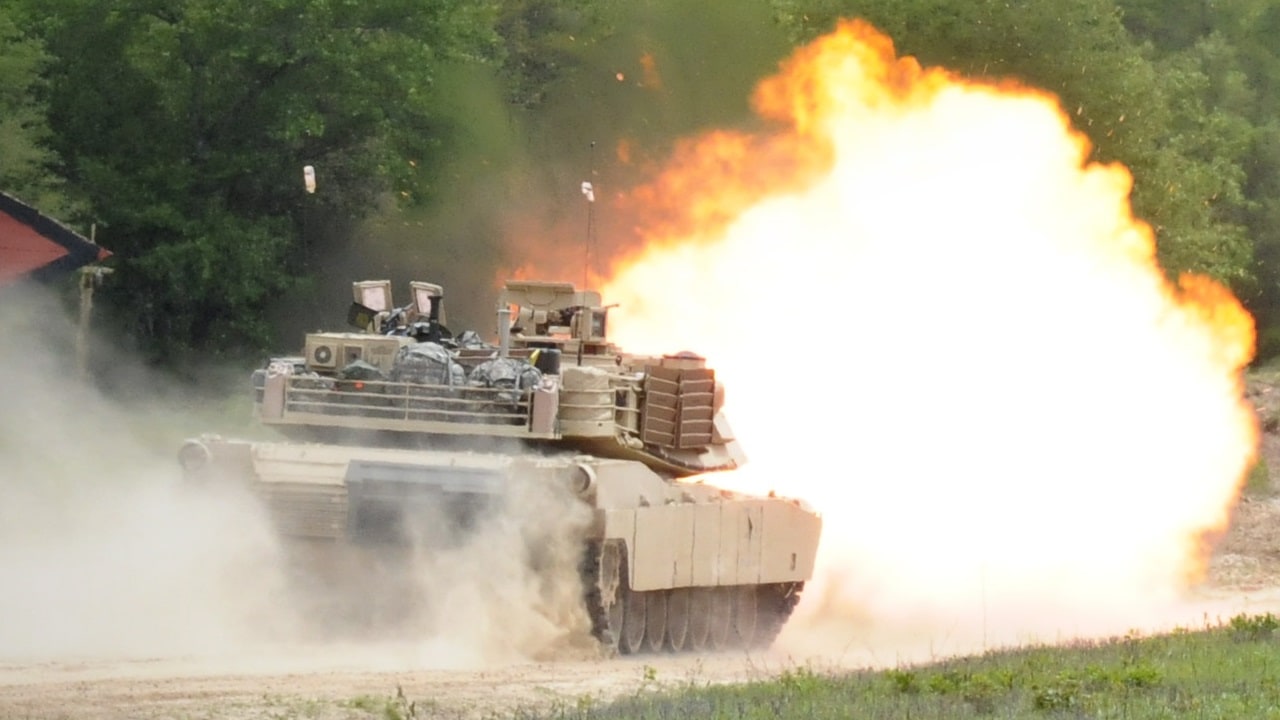
M1 Abrams Tank like in Ukraine. Image Credit: Creative Commons.
In the meantime, “Putin has skillfully exploited this fear of escalation, employing a combination of nuclear blackmail and talk of Russian red lines to intimidate Western leaders and convince them to limit their military support for Kyiv while imposing restrictions on Ukraine’s ability to defend itself. As a result, the Ukrainian army finds itself forced to wage war against a military superpower with one hand tied behind its back,” reads the same report.
Yuri recounts for 19FortyFive just how brutal and devastating the North Korean soldiers are on the front fighting against the Ukrainian military. The phrase “fanatical” enters into numerous descriptions of their actions on the battlefield.
“The North Korean soldiers move forward as if they are almost determined not only to die, but to take others with them in the process,” he stated in a conversation just after the new year. “They will lose an arm or a leg and it does not matter – they will keep moving forward. They will throw themselves into a group of Ukrainian soldiers with a live hand grenade in their hands – killing themselves but trying to take as many Ukrainians with them in the process.”
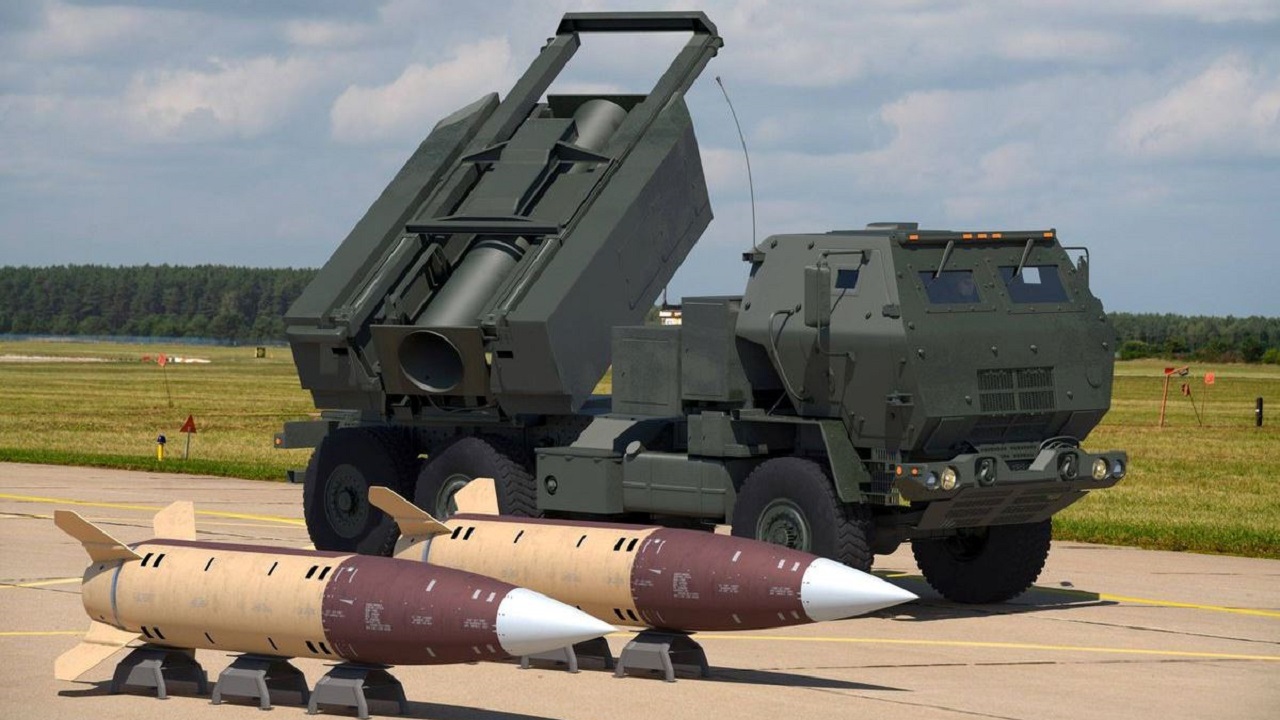
ATACMS missiles Ukraine wants. Image Credit: Creative Commons.
“This is a combination of an enemy that is determined to destroy us while we are supported by a risk-averse group of allies who want to make sure they are not drawn into the conflict, he concluded. “If Ukraine is to win this war, this disparity has to change, and people have to stop talking about ‘reducing military aid.’”
About the Author: Reuben F. Johnson
Reuben F. Johnson is a survivor of the February 2022 Russian invasion of Ukraine and is now an Expert on Foreign Military Affairs with the Fundacja im. Kazimierza Pułaskiego in Warsaw and has been a consultant to the Pentagon, several NATO governments and the Australian government in the fields of defence technology and weapon systems design. Over the past 30 years he has resided in and reported from Russia, Ukraine, Poland, Brazil, the People’s Republic of China and Australia.