
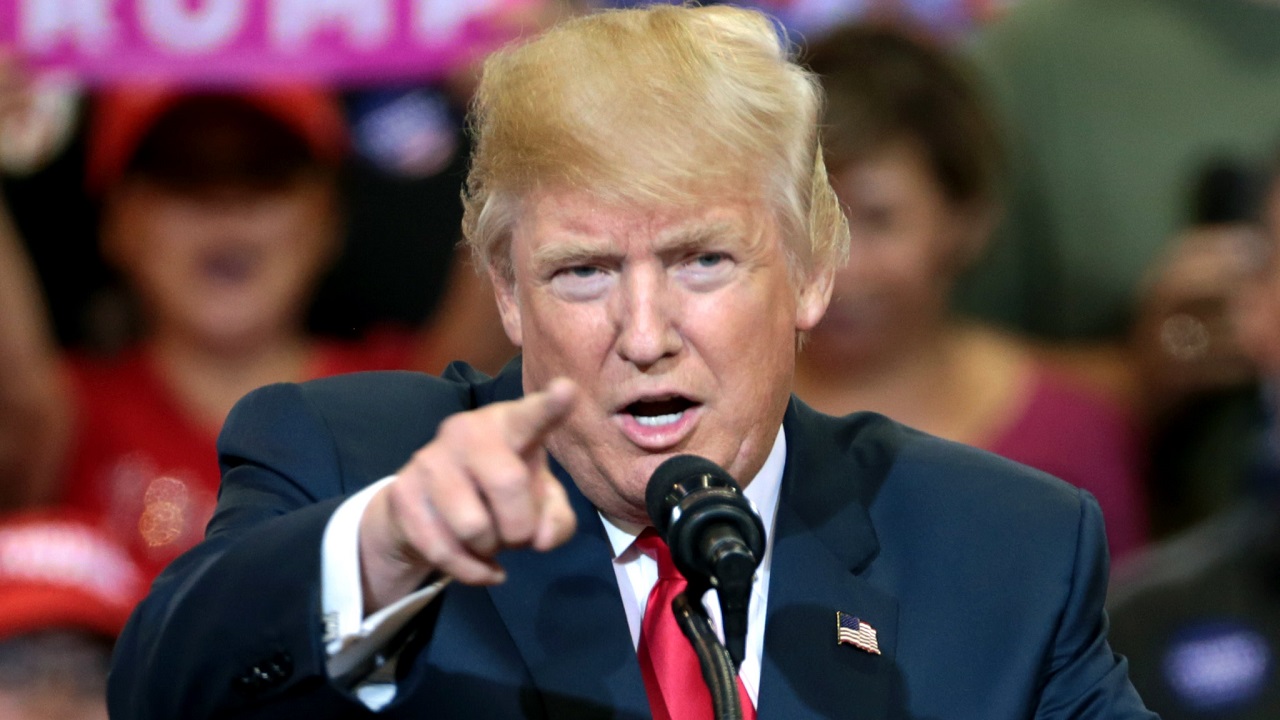
Former President Donald Trump’s return to the White House and his proposed 25 percent tariffs on imports would present Canada with one of its most significant trade challenges in decades.
Unlike previous U.S. protectionist moves, which Canada managed through negotiation and targeted retaliation, a second Trump presidency could be more unpredictable, requiring a far more strategic and adaptive response.
What Will Canada Do?
Prime Minister Justin Trudeau will likely fall back on his familiar “Team Canada” approach, an effort to present a united political front and seek exemptions through diplomatic channels.
This strategy, used during the NAFTA renegotiations and past tariff disputes, emphasizes leveraging political and business ties in the U.S. to mitigate the impact of protectionist measures.
However, this approach has inherent weaknesses.
The political landscape in Washington is shifting, and a second Trump administration may be less receptive to traditional Canadian lobbying.
Unlike in 2018, when Canada found allies in Congress and the business community to push back against tariffs, Trump 2.0 might double down on economic nationalism regardless of pushback from American industries.
Ontario’s Premier Doug Ford has already signaled a more confrontational response, threatening to cut off Ontario’s electricity exports to key northern U.S. states if tariffs are imposed.
Given Ontario’s central role in North American automotive and manufacturing supply chains, Ford sees a strategic advantage in using economic leverage to deter U.S. trade actions. His stance reflects growing frustration that Canada has relied too much on diplomacy without deploying its own economic tools aggressively.
What Could Happen
However, this hardline approach carries risks—it could escalate tensions, provoke further retaliation, and disrupt industries that depend on cross-border trade.
Alberta’s Premier Danielle Smith, on the other hand, has taken a starkly different approach. Rather than using energy as a retaliatory weapon, Smith argues for maintaining stable oil and gas exports to the U.S., emphasizing the importance of long-term market stability.
Her stance reflects Alberta’s deep integration into North American energy networks and a recognition that energy disruptions could hurt Canada as much as they hurt the U.S. Smith’s strategy also underscores a key reality: despite tensions, the U.S. remains Canada’s largest energy customer, and any retaliatory action must be carefully calculated.
The divide between Ford and Smith presents a fundamental challenge for Trudeau. If Canada is to respond effectively, it must find a way to reconcile these competing provincial approaches while presenting a unified national strategy.
This will not be easy. Ford’s aggressive stance appeals to those who believe Canada has been too soft on past U.S. trade measures, while Smith’s measured approach highlights the risks of escalating an economic conflict with its largest trading partner.
Meanwhile, business leaders across Canada are urging the federal government to focus on long-term strategies, including deeper trade diversification and strengthening supply chain resilience.
Canada: Time to Take a Strategic Approach to Tariffs
Canada’s response must go beyond reactionary measures.
A well-calibrated approach should involve targeted retaliation—focusing on key U.S. industries that rely on Canadian exports—while simultaneously working to reinforce trade ties with alternative partners in Europe and the Indo-Pacific.
The Trudeau government must also double down on domestic investments in critical industries to reduce dependence on American supply chains.
A Trump tariff escalation would be a defining moment for Canada’s economic future. While Ford’s hardline approach and Smith’s more cautious stance may appear to be in conflict, both highlight the urgent need for Canada to assert itself more decisively in trade policy.

President Donald J. Trump delivers remarks at the 450th mile of the new border wall Tuesday, Jan. 12, 2021, near the Texas Mexico border. (Official White House Photo by Shealah Craighead)
The lesson from past disputes is clear: Canada cannot rely on diplomacy alone.
If Trump follows through on his tariffs, Canada must respond with a mix of strategic retaliation, aggressive lobbying within the U.S., and an accelerated push for economic diversification.
The time for complacency is over.
About the Author: Andrew Latham
Andrew Latham is a non-resident fellow at Defense Priorities and a professor of international relations and political theory at Macalester College in Saint Paul, MN. Andrew is now a Contributing Editor to 19FortyFive.