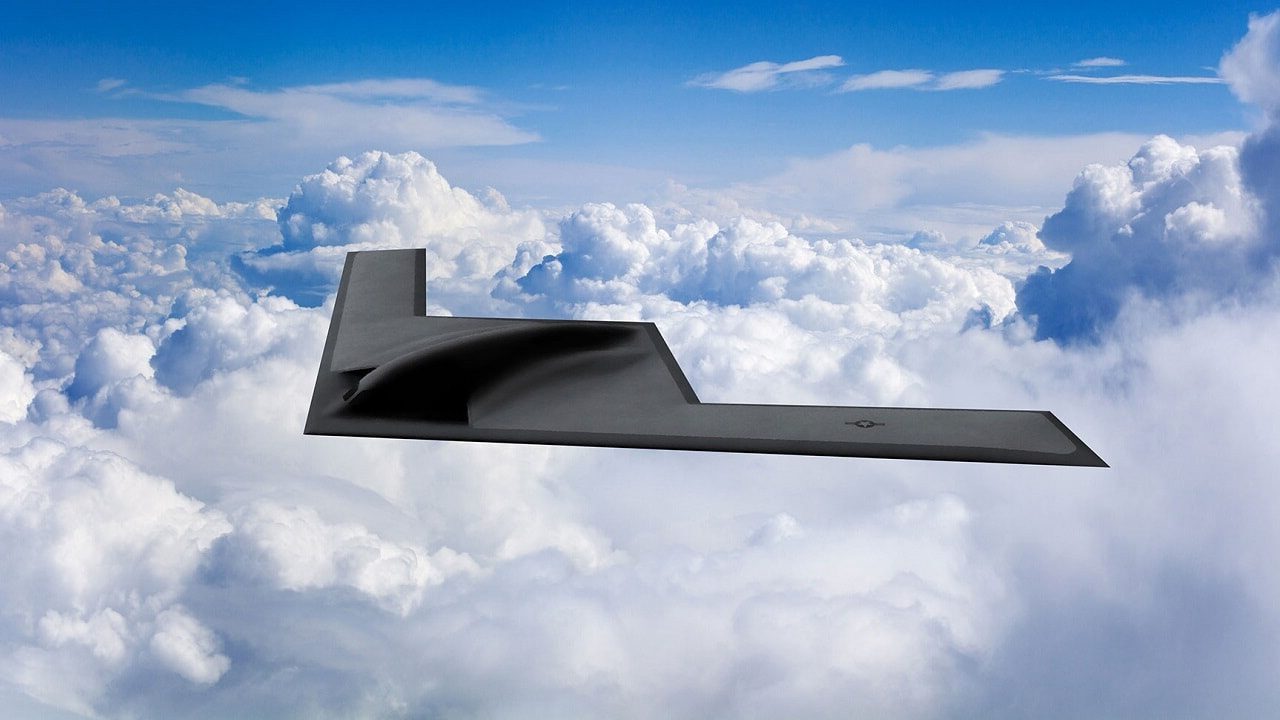
Article Summary and Key Points: The B-21 Raider is more than just a stealth bomber—it’s a high-tech command-and-control platform capable of controlling drones and flying unmanned missions.
Key Point #1 – Designed for AI-driven warfare, the B-21 will coordinate air and ground operations, acting as a critical sensor node in future battlefields.
Question: But should it fly without pilots?
B-21 Raider: The Future of Stealth Bombing with AI and Drone Swarms
Developers of the B-21 Raider stealth bomber for years have discussed plans to operate the new platform as a command-and-control sensor node in the sky, connecting groups of drones, manned aircraft, and ground locations.
Former Secretary of Defense Lloyd Austin discussed this capability at the aircraft’s formal unveiling several years ago, explaining that the B-21’s sensing, computing, and communications technologies would prove even more impactful than its stealthy external configuration.
Developers also claim that not only will the B-21 control groups of drones from the cockpit—the aircraft will itself be capable of flying unmanned missions.
B-21 Raider Bomber as Sensor Node
The advantages of aerial manned-unmanned teaming are clear. It enables forward sensing, reconnaissance targeting, and even weapons delivery, with a manned platform performing command-and-control.
The prevailing consensus among weapons developers is that such teaming constitutes the optimal use of advanced computing and artificial intelligence: The speed and processing power of advanced computing blends with human decision-making and consciousness.
But could unmanned systems operate alone? Would, for instance, the Department of Government Efficiency seek to remove the manned element of the B-21 in favor of lower-cost drones designed to perform stealth bombing missions?
It is unclear whether DOGE would actually choose to pursue any such thing, as there are many critical elements of human decision-making, cognition, and consciousness that algorithms cannot replicate. Without humans in the air to support unmanned systems, stealth bombing missions would suffer from a massive tactical deficit.
Human Cognition
Many air war scenarios could end poorly if managed exclusively by algorithms that quickly analyze and interpret new information.
Decisions in warfare require subjective decision-making. Intuition, emotion, and moral considerations matter. Imagine, for example, that targeting dynamics assess that a given high-value target is filled with innocent civilians.
An algorithm could be created to measure this change, and possibly abort the attack—but what if an AI system makes an error?
Such considerations are the reason the Pentagon and its industry partners are working to develop what is called “Zero Trust” to make AI more reliable.
The problem is that an AI system is only as effective as its database, so it might not accurately recognize or analyze new information if its existing database is not equipped for it.
Advanced AI can determine context, such as the difference between “ball” as in “football” and “ball” as in “dance ball,” by analyzing the surrounding words.
However, there are many circumstances where it is not certain an AI system could perform fast and accurate real-time analytics to avoid potentially catastrophic errors.
For this reason, it seems the planners of stealth bombing missions would be best served by keeping humans in control of making decisions from the air.
This will also reduce latency and enable much faster information processing than having unmanned systems push data down to a ground-based control center where humans make decisions.
B-21 Raider: A Collection of Photos
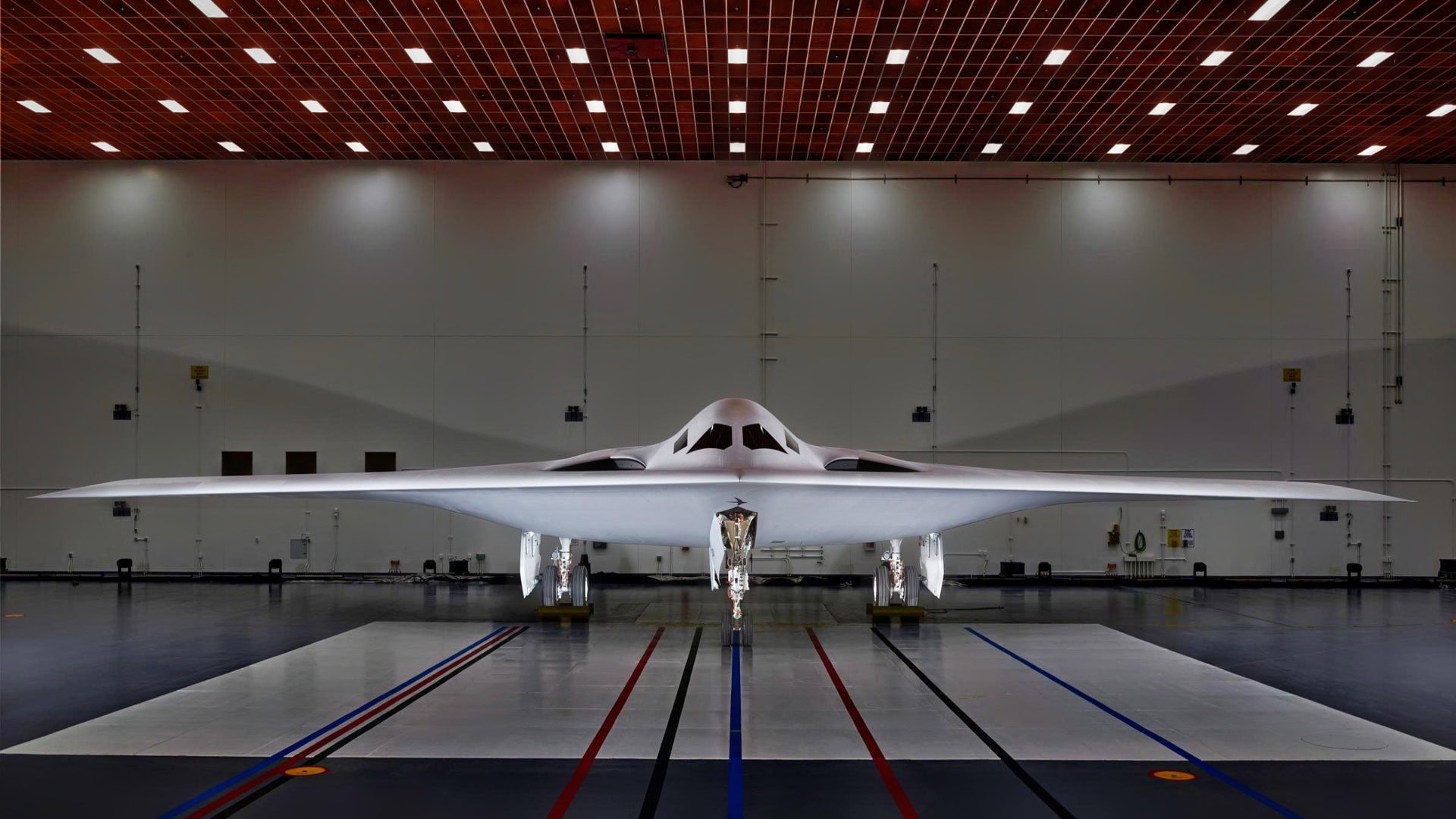
B-21 Raider U.S. Air Force. Image Credit: U.S. Air Force.
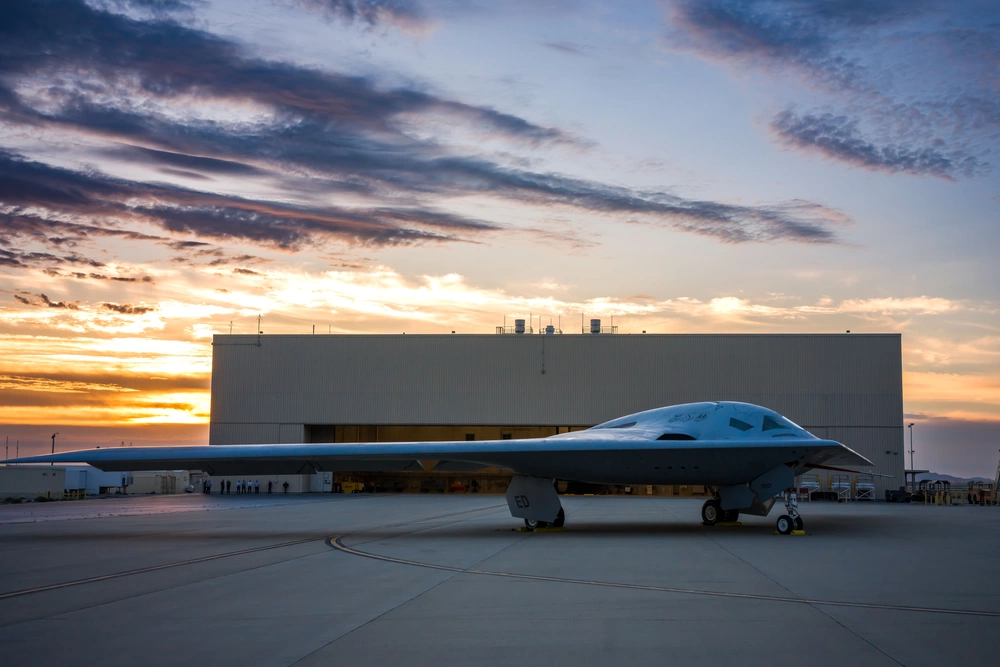
The B-21 Raider is designed with an open systems architecture, enabling rapid insertion of mature technologies and allowing the aircraft to be effective as threats evolve. The bomber was designed up front for supportability and maintainability-based upon decades of lessons learned and best practices from prior aircraft programs-to improve long-term affordability and outcomes in operations and sustainment. The B-21 first flight is anticipated to take place in calendar year 2023. (U.S. Air Force photo)
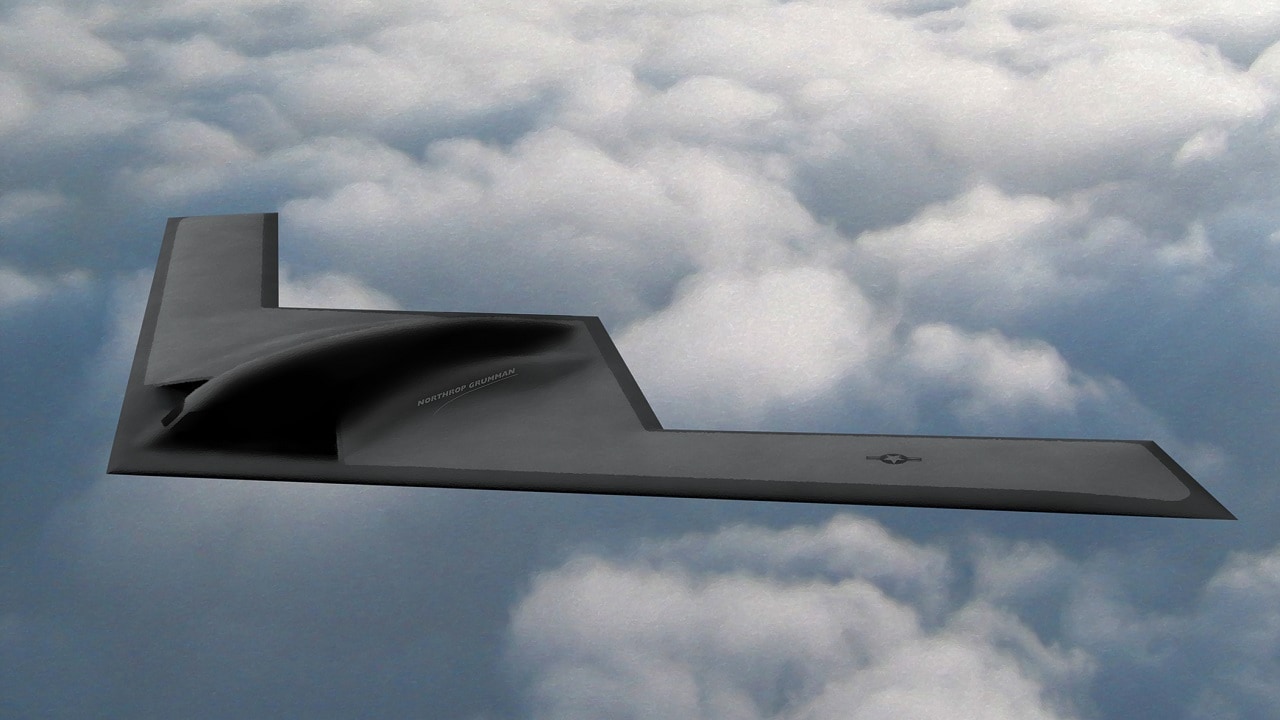
B-21 Raider bomber.
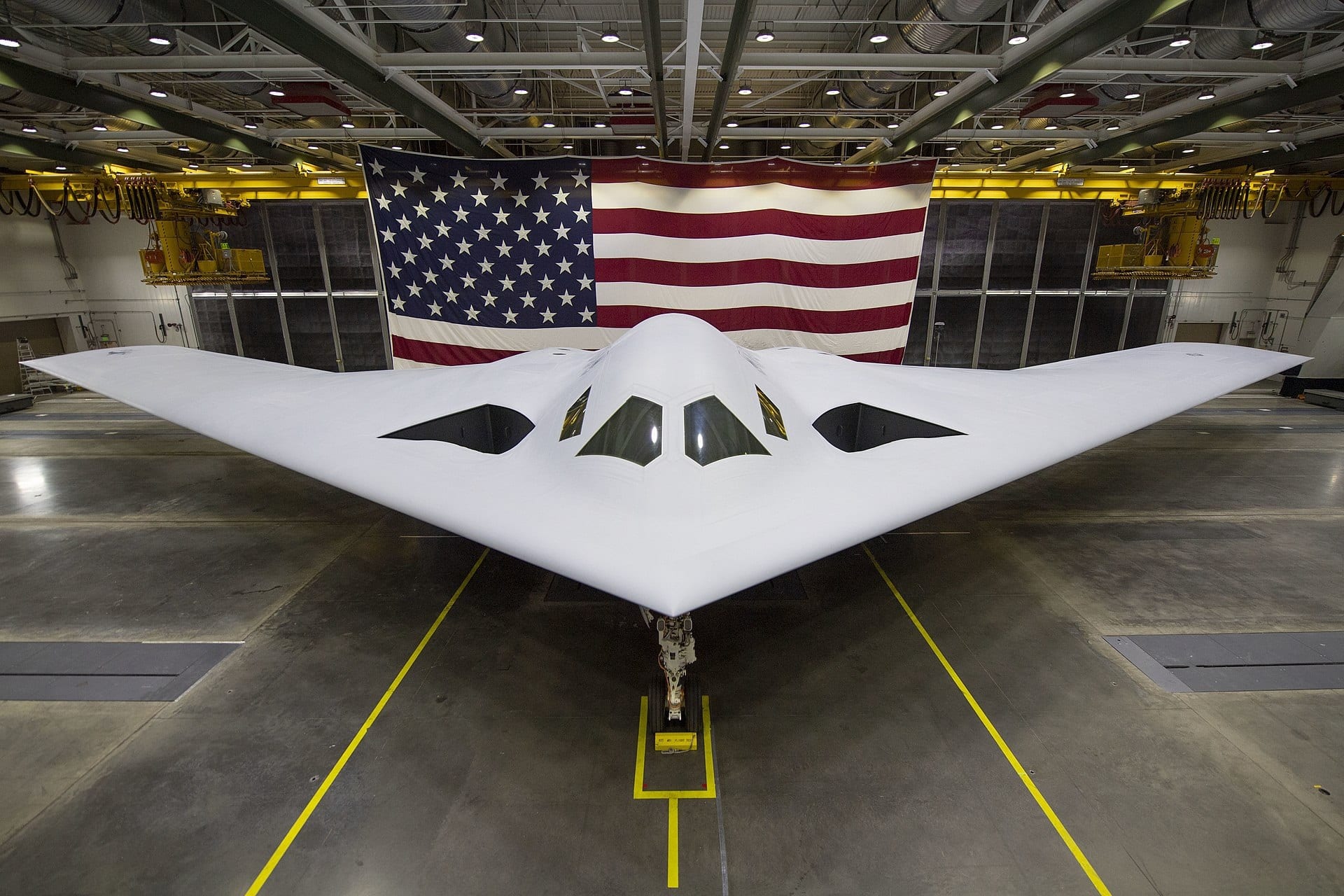
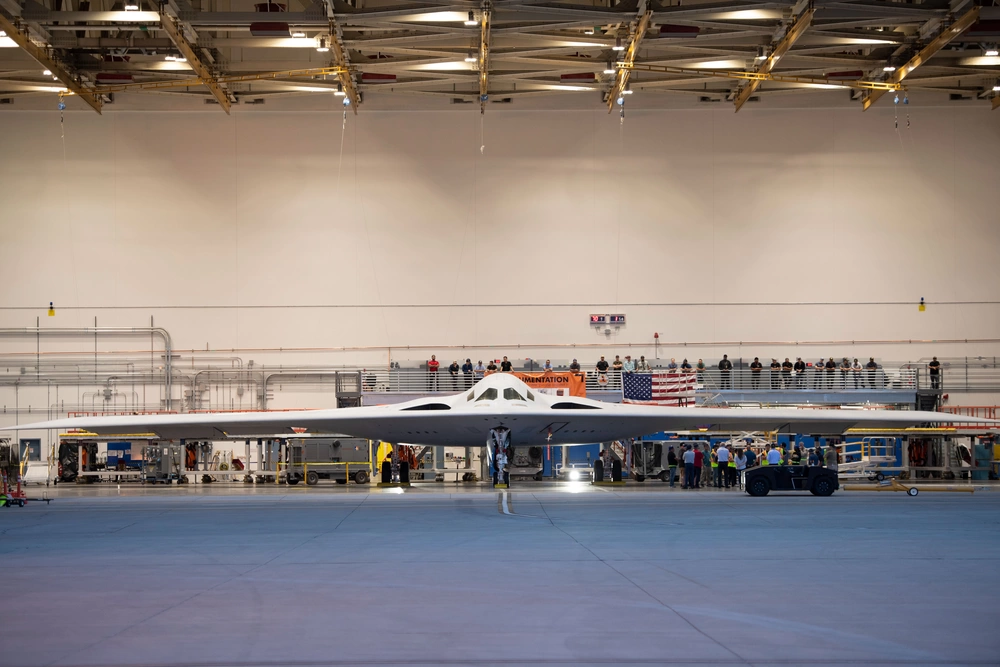
The B-21 Raider was unveiled to the public at a ceremony December 2, 2022 in..Palmdale, Calif. Designed to operate in tomorrow’s high-end threat environment, the B-21 will play a critical role in ensuring America’s enduring airpower capability. (U.S. Air Force photo)
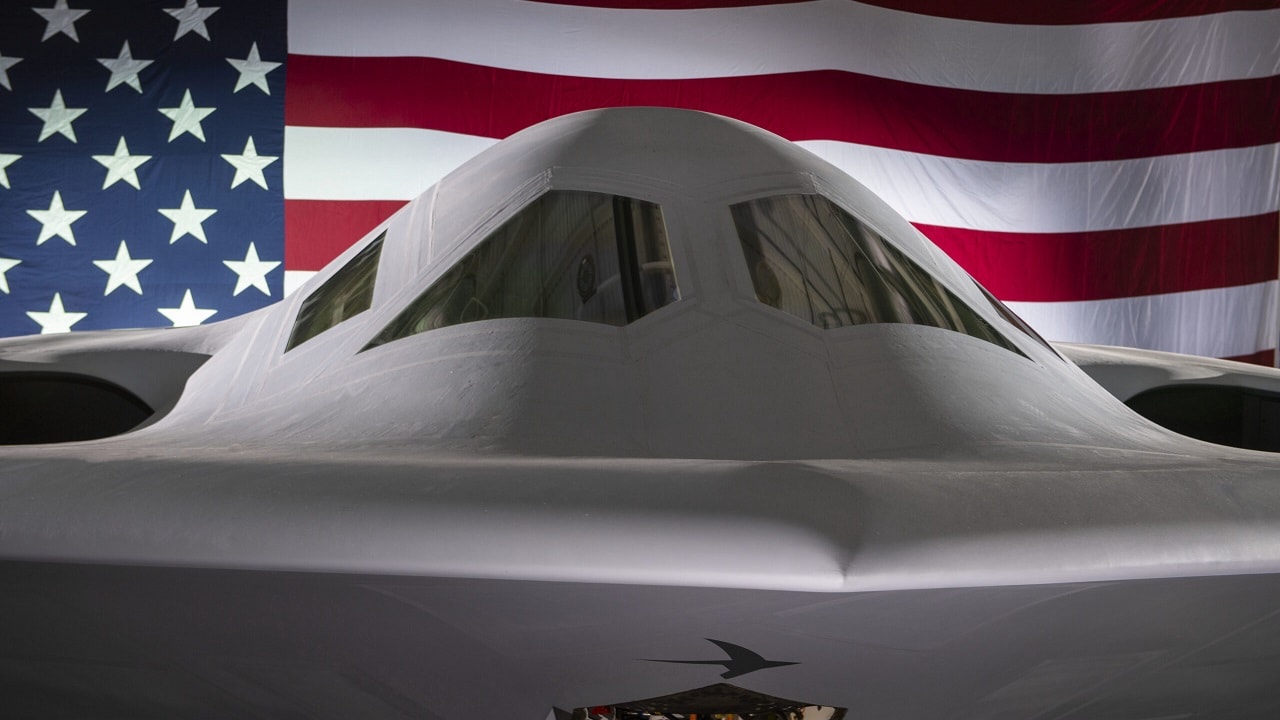
The B-21 Raider was unveiled to the public at a ceremony December 2, 2022 in Palmdale, Calif. Designed to operate in tomorrow’s high-end threat environment, the B-21 will play a critical role in ensuring America’s enduring airpower capability. (U.S. Air Force photo)
About the Author: Kris Osborn
Kris Osborn is the Military Technology Editor of 19FortyFive and President of Warrior Maven – Center for Military Modernization. Osborn previously served at the Pentagon as a highly qualified expert in the Office of the Assistant Secretary of the Army—Acquisition, Logistics & Technology. Osborn has also worked as an anchor and on-air military specialist at national TV networks. He has appeared as a guest military expert on Fox News, MSNBC, The Military Channel, and The History Channel. He also has a Masters Degree in Comparative Literature from Columbia University.