
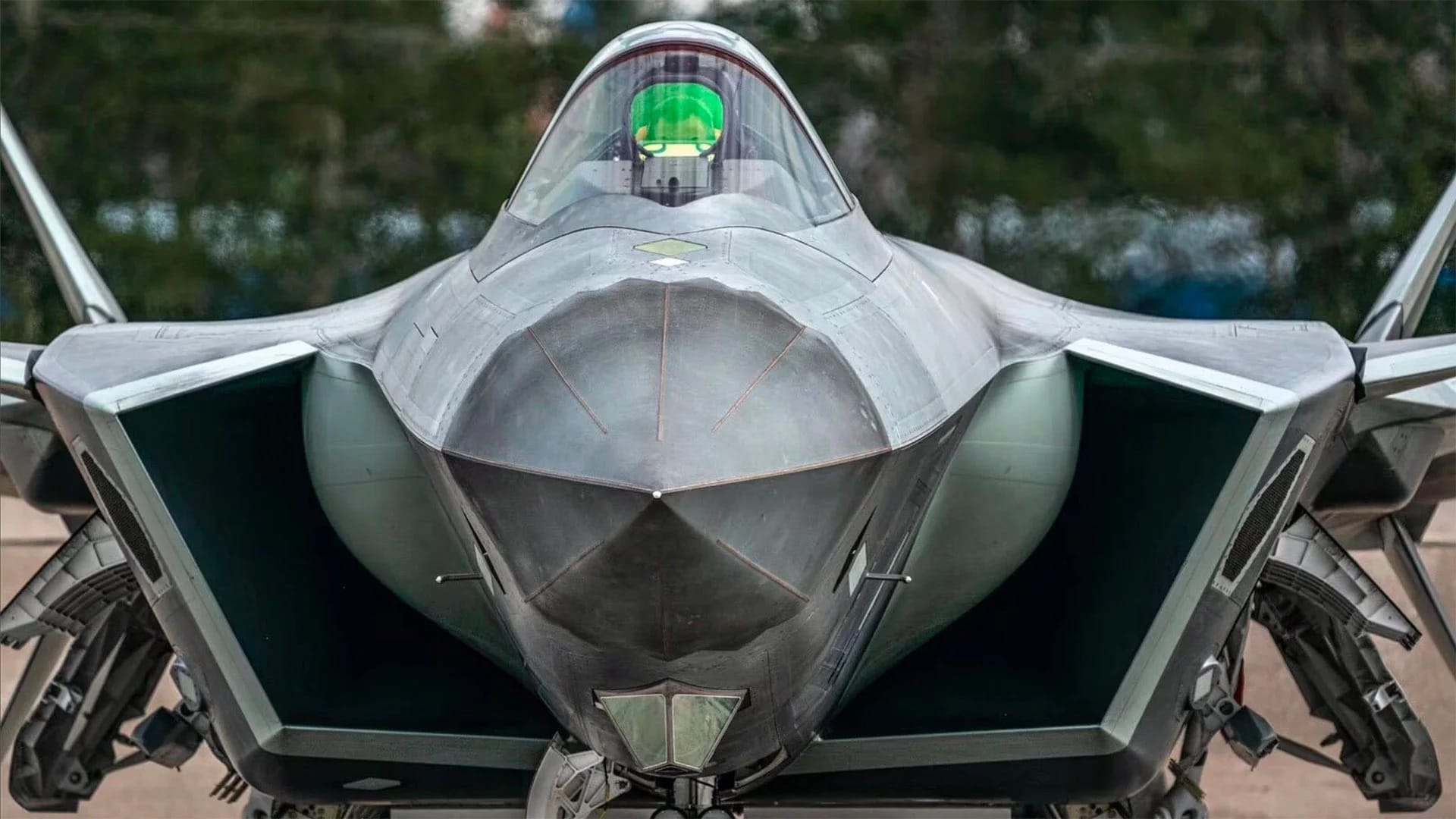
The J-20 Mighty Dragon was China’s first fifth-generation stealth aircraft. Introduced in 2018, it was designed to act as a foil to its American counterpart, the F-22 Raptor. However, as analysts took a closer look at the jet, some speculated that the Chinese may have stolen classified data on the F-22 and F-35 in order to build its stealth fleet.
But how true are these rumors? Did the Chinese copy the F-22 and F-35?
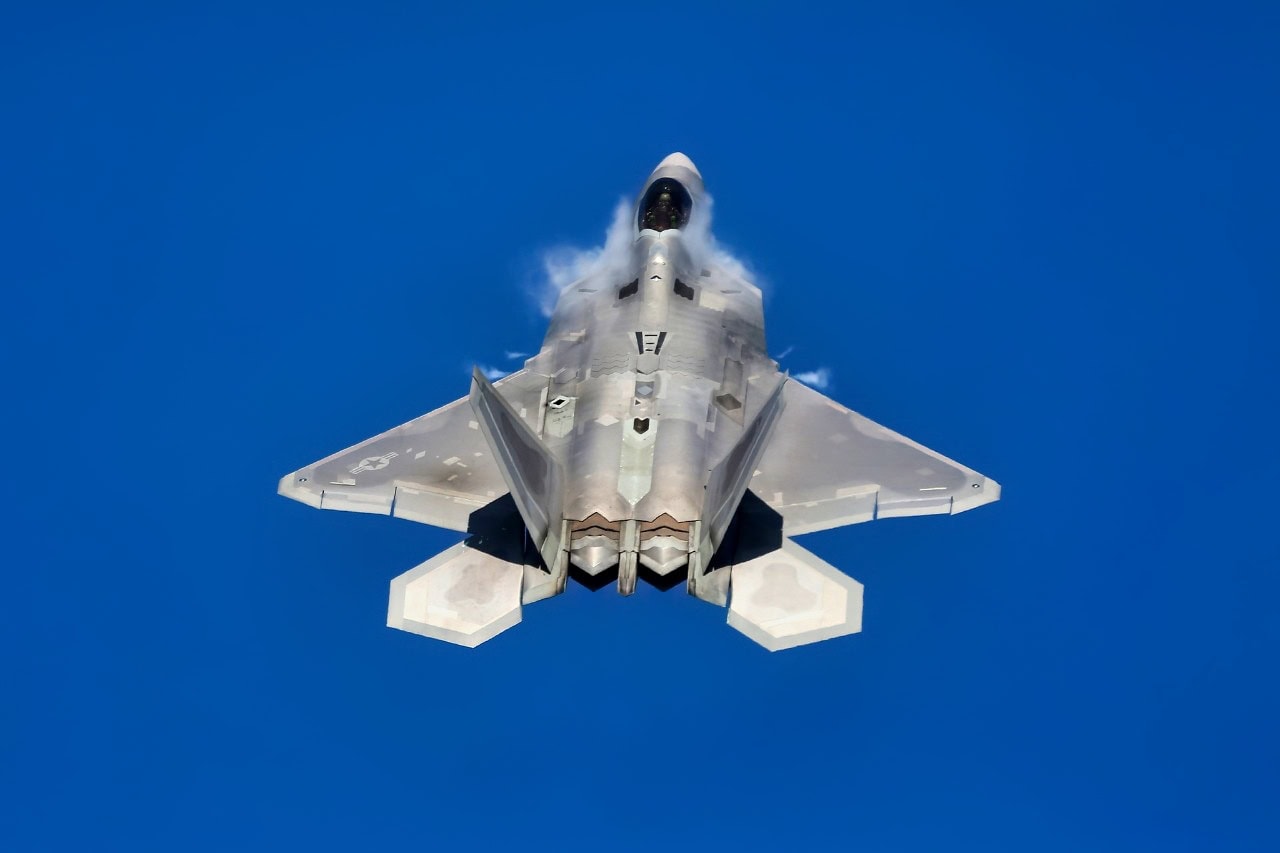
F-22 Raptor Fighter. Image Credit: Creative Commons.
J-20: F-22 Copy?
China is no stranger to espionage. From the entertainment industry to the defense sector, China is infamous for creating cheap replicas of other works. Hence why it is so easy to believe that China would straight up copy American designs for its own fighters, similarly to how the J-16 copied the Soviet Su-27 Flanker.
IN 2023, Former Acting Under Secretary of Defense for Policy James Anderson accused China of pilfering U.S. Secrets from the F-22 Raptor and Joint Strike Fighter program. “What we know is that because of the espionage efforts, the J-20 is more advanced than it otherwise would be, and that’s the important point here,” Anderson said in an interview with Fox News. However, the extent to which espionage helped the development of the J-20 is unknown. ‘hard to say, short of actual combat,’ how the J-20 would measure up against the F-22 in a real-world confrontation, Anderson added.
What Does the Fighter Look Like?
Judging by visual appearances, it is hard to deny some of the striking similarities that the F-22 and J-20 share. There are, however, many differences as well. The F-22 has a sleek design with a length of 18.9 meters and a wingspan of 13.6 meters. It features thrust vectoring nozzles for enhanced maneuverability, and an internal weapons bay to enhance stealth capabilities.
The J-20, on the other hand, features a canard-delta wing configuration, which enhances its maneuverability and aerodynamic performance. It has a length of approximately 20.4 meters and a wingspan of 13.5 meters. While the two share similarly designed weapons bays and air intakes, this is not definitive proof that the J-20 is a carbon copy.
How Does It Do In the Air?
In terms of performance and capabilities, the J-20 can reach speeds of up to Mach 2.0. Initially equipped with Russian AL-31F engines, newer variants use the Chinese WS-15 engines. The J-20 can carry a variety of air-to-air missiles and precision-guided munitions and features advanced avionics systems, including integrated targeting pods and passive infrared sensors.
The F-22 can supercruise at speeds of up to Mach 1.82 without afterburners, powered by Pratt & Whitney F119-PW-100 engines with thrust vectoring capabilities. It is equipped with a mix of air-to-air missiles and precision-guided bombs and boasts a sophisticated sensor suite, including radar, electronic warfare systems, and situational awareness tools.
How the Might Dragon Can Perform Better?
The one area where the Mighty Dragon soundly beats its American counterparts is in the area of payload capacity. The J-20 can reportedly take off with a payload capacity of around 27,998 lbs of weaponry. The F-22 on the other hand can only take off with around 3,915 lbs of weapons. The F-35 offers a bit more with an internal weight of 5,000 lbs of armaments and more than 18,000 lbs of combined internal and external weapons. While it is an improvement over the F-22, the J-20 is still superior in terms of payload capacity.
Range is another area in which the J-20 beats the F-22. The J-20 boasts a range of around 5,926 km according to the specs provided by China. The F-22, on the other hand, only has a range of around 2,963km. Likewise, the F-35 only has a range of 2,200 km, even less than the F-22. There is, however, the possibility that China is exaggerating the J-20’s range for propaganda purposes.
Where the F-22 Dominates
Comparing stealth capabilities is a difficult task. The exact details on the stealth technology used in the F-22, F-35, and J-20 are all classified. Additionally, neither the J-20 nor the F-22 has seen direct air-to-air combat, so their true quality is as of yet untested.
However, many experts agree that the J-20s stealthy design is sound on paper. In reality, there are many concerns for the J-20. In 2018, an Indian Air Chief Marshal claimed the J-20 could be detected from multiple kilometers away using Su-30 MKI fighters.
In dogfights, experts universally agree that the F-22’s maneuverability and broader range of air-to-air missiles put it at a distinct advantage. For what it’s worth, though, the likelihood of either getting into a close-range dogfight is minimal.
All in all, the Mighty Dragon is not precisely a cheap rip-off of the F-22 or F-35. While it shares some similar design features, the J-20 is vastly different and, in some ways, superior to its American counterparts. However, in terms of stealth capabilities and internal electronics, the United States remains in the lead.
J-20 in Photos
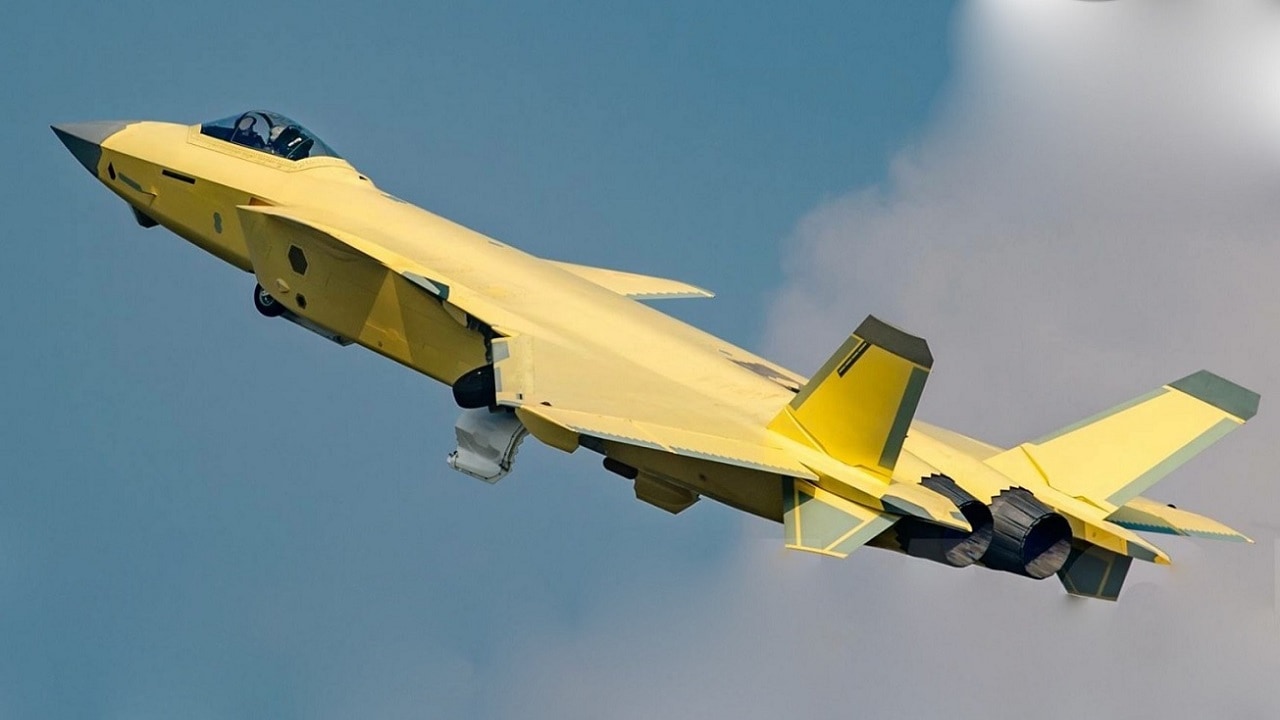
J-20 Mighty Dragon Stealth Fighter. Image Credit: Chinese Internet.
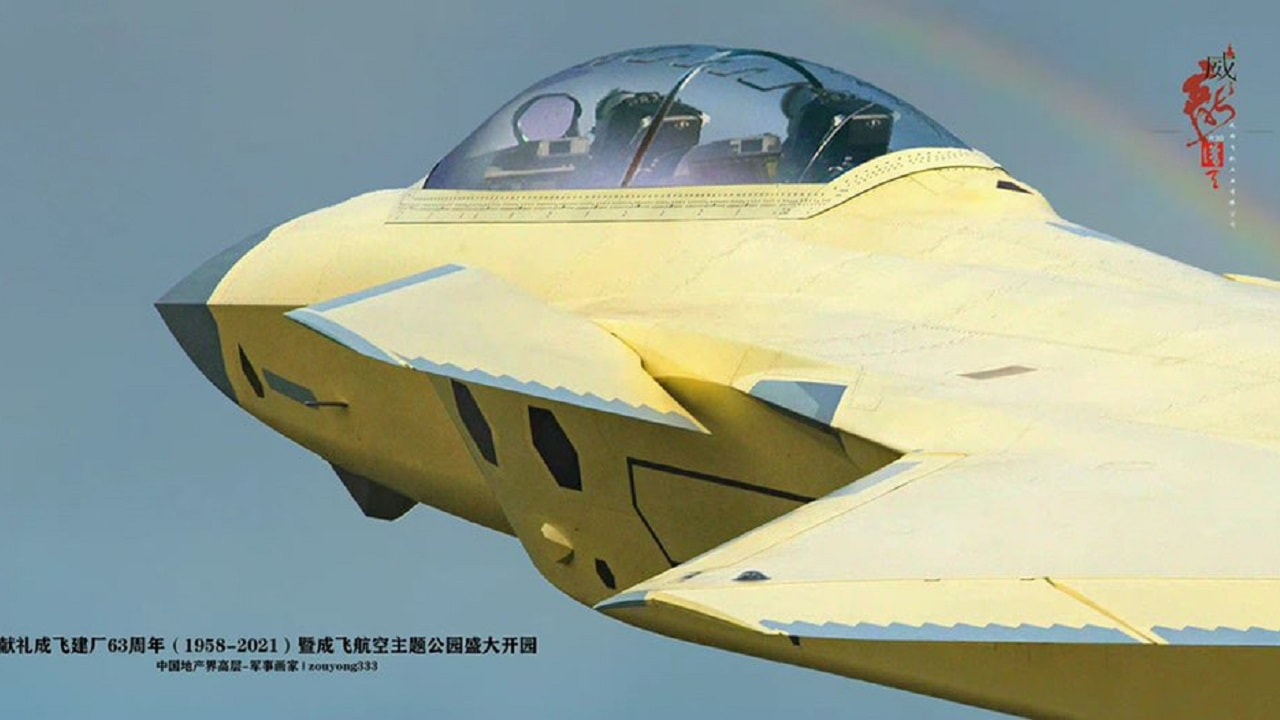
Chinese J-20 stealth fighter. Image Credit: Chinese Internet.
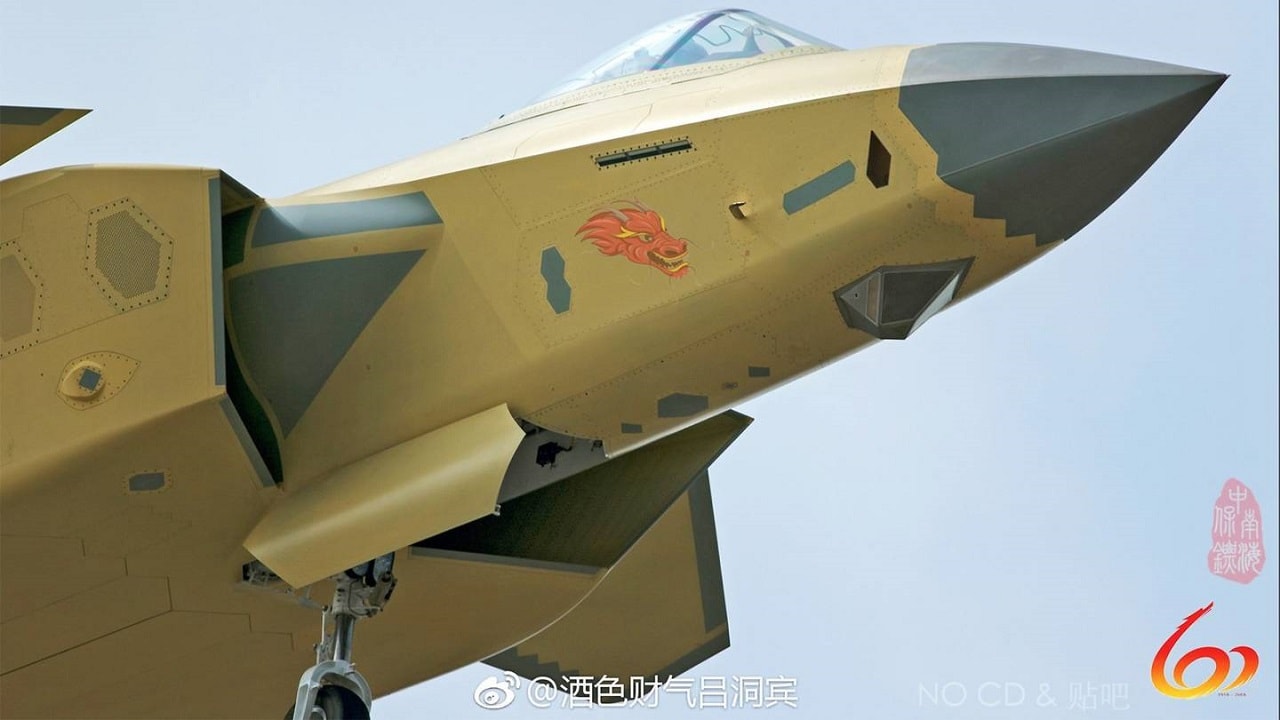
Stealth Fighter. Image Credit: Chinese Internet.
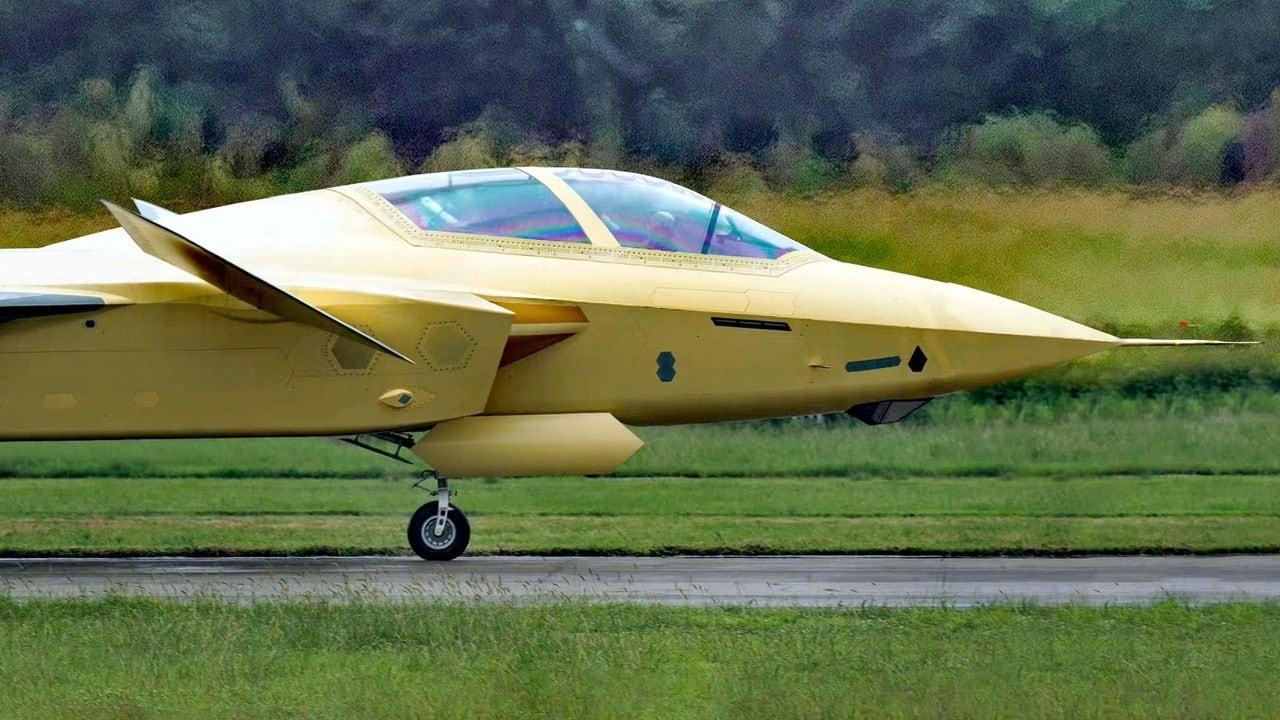
Image of Chinese J-20 stealth fighter which could be soon armed with laser weapons.

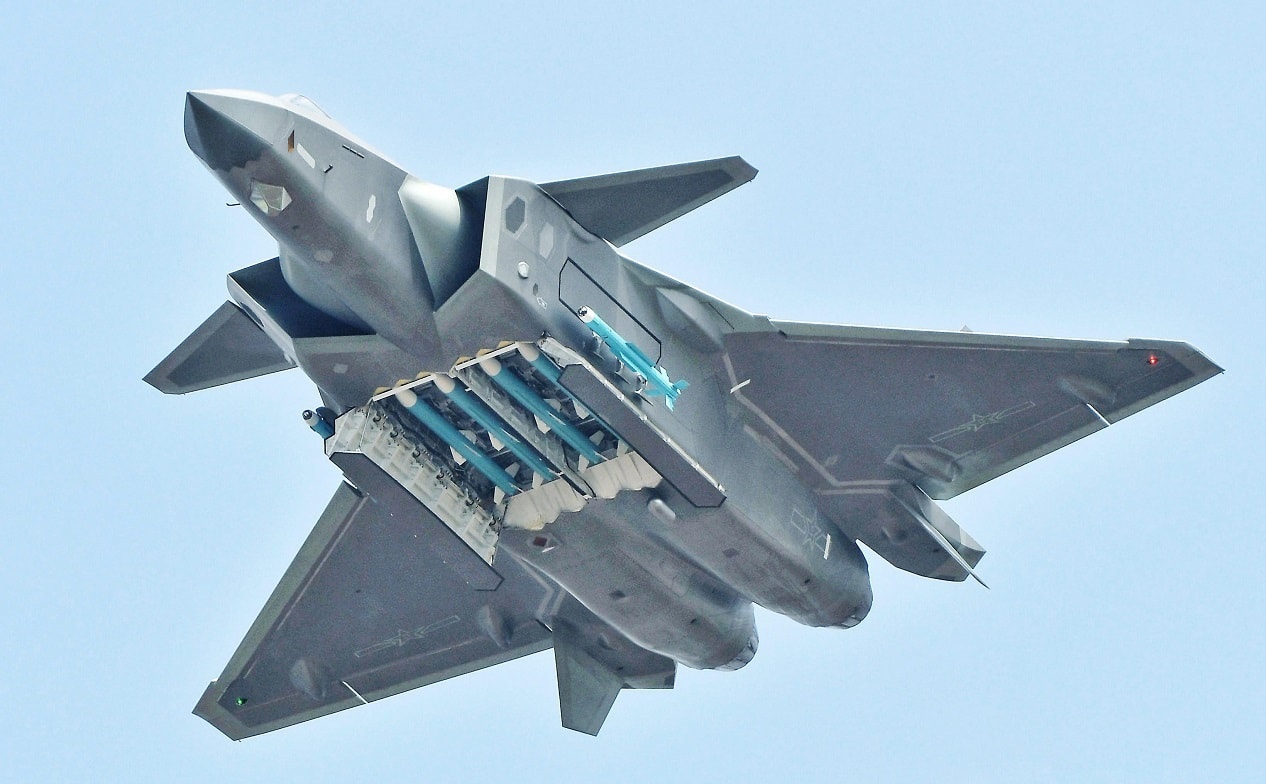
Stealth Fighter.
About the Author: Isaac Seitz
Isaac Seitz, a 19FortyFive Defense Columnist, graduated from Patrick Henry College’s Strategic Intelligence and National Security program. He has also studied Russian at Middlebury Language Schools and has worked as an intelligence Analyst in the private sector.