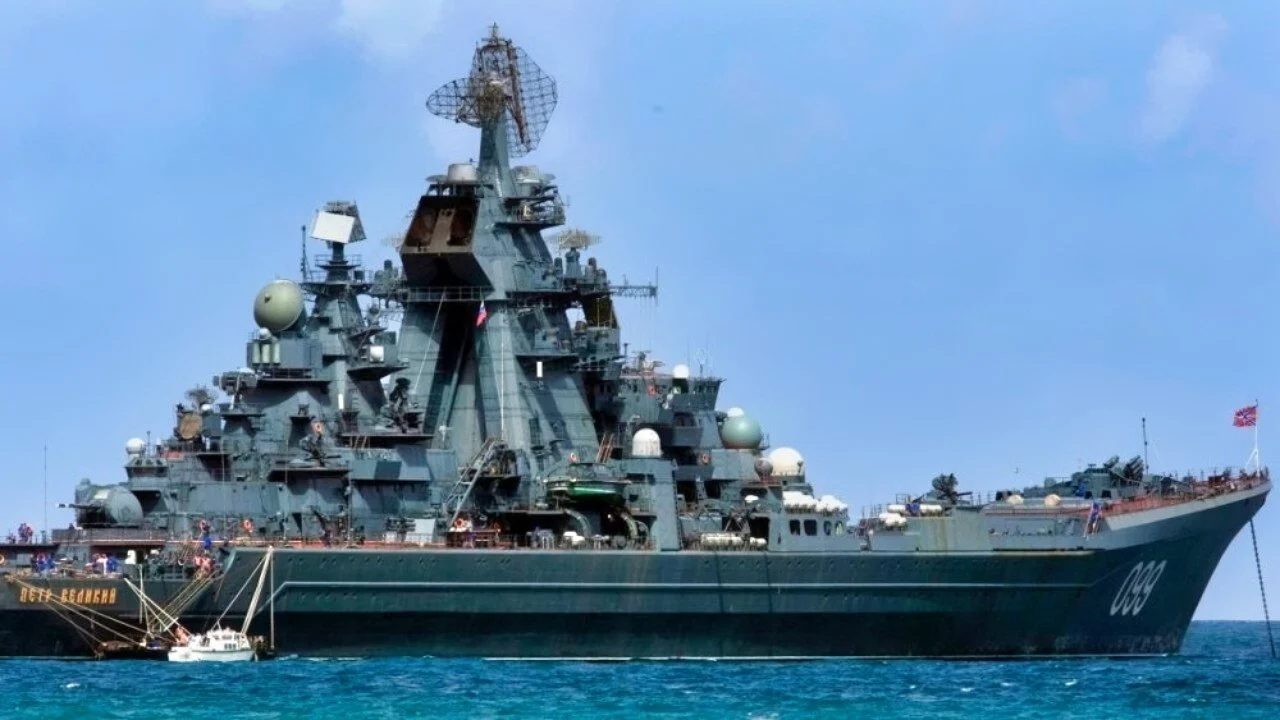
Key Points – Russia is reportedly repairing its Kirov-class nuclear-powered battlecruisers, signaling a potential return of these massive warships to service.
-Their most significant feature is the integrated S-300F “Fort” maritime air defense system, designed to provide area protection against aircraft and potentially ballistic missiles—a capability largely absent in other Russian surface combatants.
-While a Kirov operating in the Black Sea against Ukraine would likely be highly vulnerable to anti-ship missiles and drones, its redeployment in blue-water scenarios could pose an increased threat to Western naval aircraft.
-However, its S-300 system is probably less advanced than modern US Navy Aegis/SM-3 defenses.
The Great Kirov-Class Comeback?
Russia’s S-300-armed Kirov-class battlecrusier is surging to make a comeback due to ongoing repairs and an apparent Russian interest in again deploying the massive warship for ballistic missile defense and at-sea fire-support operations.
The Soviet-era Kirov class is a large-deck, heavily armed guided missile cruiser with guns, rockets, torpedoes, missiles and, perhaps of greatest tactical significance, S-300 air defenses.
The ship, which is second in size to a carrier, is known for this distinctive effort to integrate a maritime-variant of the well-known S-300 air defenses. The S-300F maritime variant is a ship-based version of the S-300P land-fired air defenses, and its integration into a battleship gives the Russian Navy an otherwise non-existent air and ballistic missile defense capability.
Russia’s ongoing efforts to resurrect the Kirov may indicate an interest in once-again bringing air-defense capability to sea, something which aligns strategically with the US Navy’s widely-integrated Aegis Radar system.
The presence of ship-integrated S-300s, should Russia successfully bring back its Kirov-class, does impact the threat equation to a certain extent because it presents an otherwise absent maritime combat capability for the Russian Navy.
A Russian Sputnik news report from several years ago claims the Kirov-class integrated S-300s can track multiple targets at altitudes of 30km out to ranges of 300km.
“Pyotr Veliky is armed with 48 S-300F Fort and 46 S-300FM Fort-M (SA-N-20 Gargoyle) medium-range surface-to-air missiles (with effective range of up to 200 kilometers), 128 3K95 Kinzhal (SA-N-9 Gauntlet) short-range SAMs, and six CADS-N-1 Kashtan gun/missile systems,” Sputnik explains.
S-300 vs. Ukraine
The return of the Kirov-class raises significant tactical questions regarding the ongoing war in Ukraine and a potential “blue-water” Navy air defense systems.
An S-300-armed Kirov in the Black Sea might be in position to attack Ukrainian-held coastal areas with deck-mounted guns, yet Ukrainian land-fired anti-ship missiles and drone boats have already essentially “cleared” the coastal Black Sea area of any kind of threatening Russian Naval presence.
Therefore, should the Kirov seek to operate in the Black Sea to add suppressive coastal fire, the ship would likely be far too vulnerable to Ukrainian missiles and be destroyed quickly. The presence of S-300s in the Black Sea would similarly seem to have little tactical relevance, since ground-based air defenses already deny access to certain Russian areas from the air and there is no distinct air superiority established in the ongoing war.
Kirov-Class vs US Navy
The most relevant element of a Kirov-class battleship return might relate to open or “blue-water” maritime warfare, as the presence of S-300s could potentially imperil US Navy aircraft from the ocean surface.
While operating a large target and therefore potentially vulnerable to surface and undersea attack, the Kirov-class could only be well-positioned to add large-volume fires and air defenses in a lower-threat environment.
The larger and more significant operative question, however, may pertain to the ship-integrated S-300’s ability to perform counter-air and ballistic missile defense missions. This would depend upon the condition of integrated S-300s and the extent to which they have been modernized.
US Navy Aegis Combat Systems Baseline 9 and 10, for example, are capable of integrating air-and-cruise-missile defense and ballistic missile protections into a single radar and fire-control solution. US Navy Vertical Launch System-fired SM-3 Block II interceptor missiles, for example, have shown an ability to intercept ICBMs in space approaching the boundary of the earth’s atmosphere
The Russian Kirov-class battlecruisers are not likely to operate with a comparable ability in these respects but may add a maritime-based counter aircraft node which might otherwise not exist.
Kirov-Class Battlecruiser Photo Essay
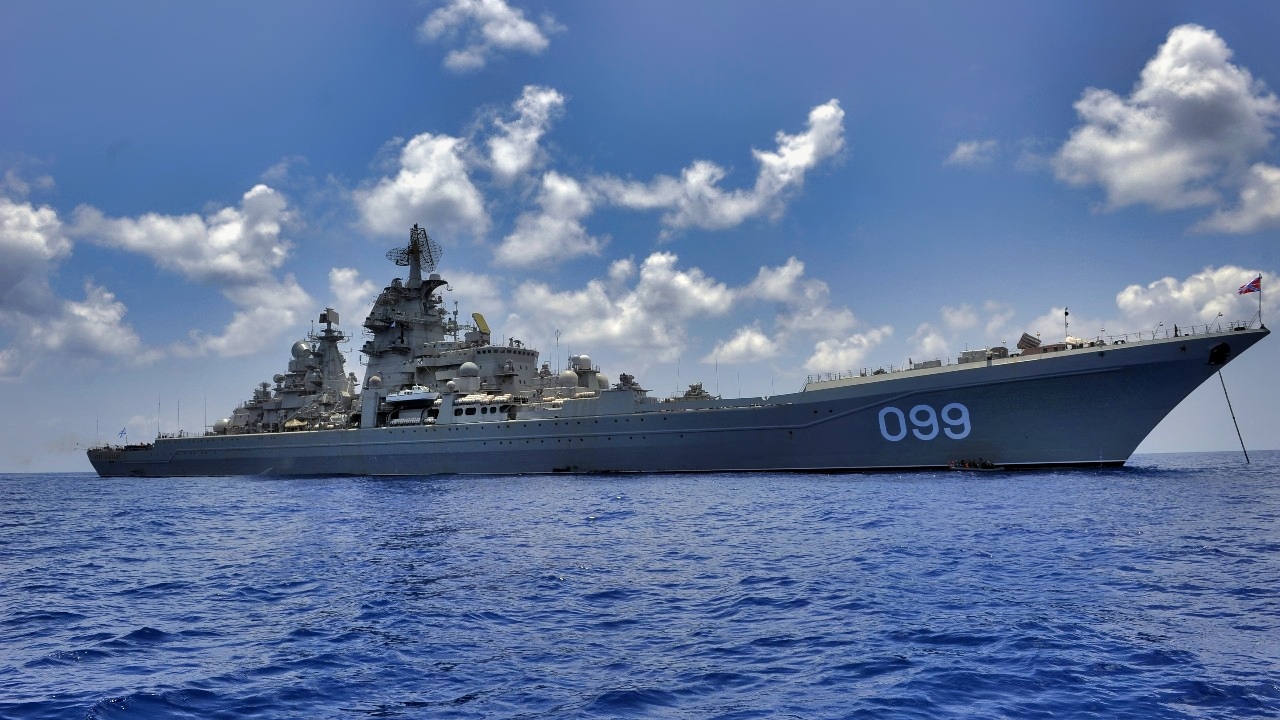
Kirov-Class Russian Navy. Image Credit: Creative Commons.
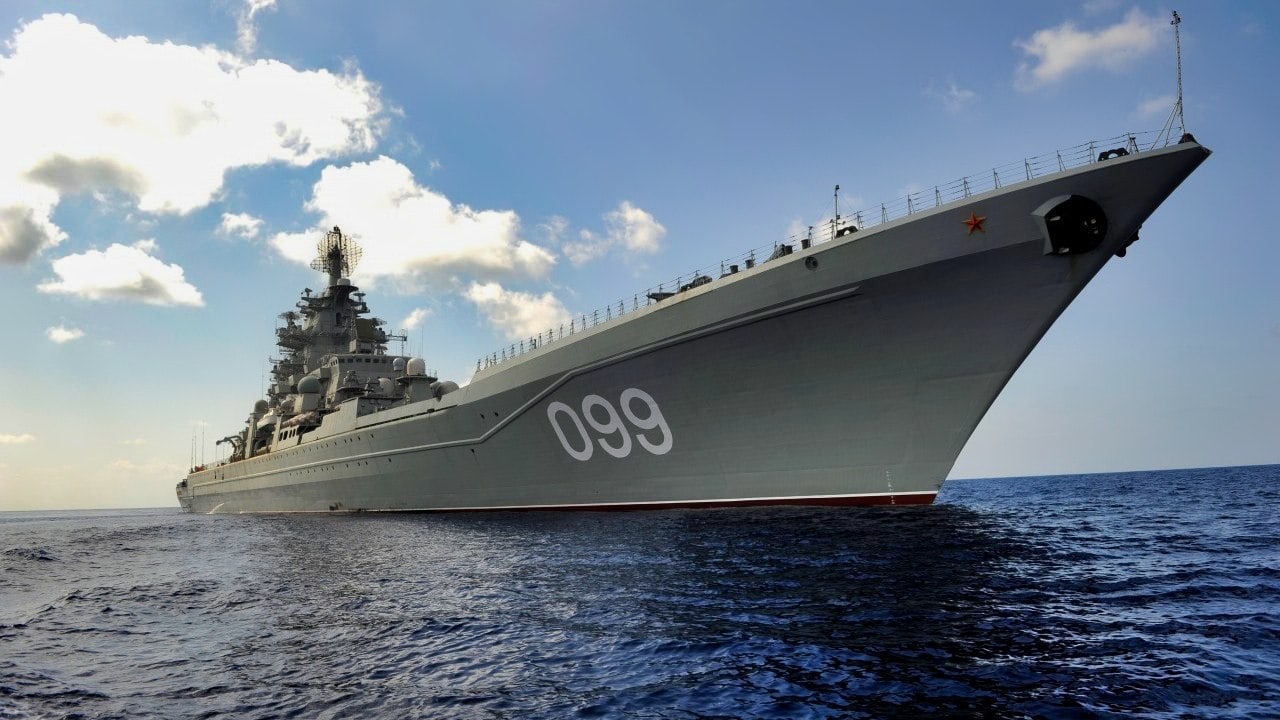
Kirov-Class Battlecruiser Russian Navy
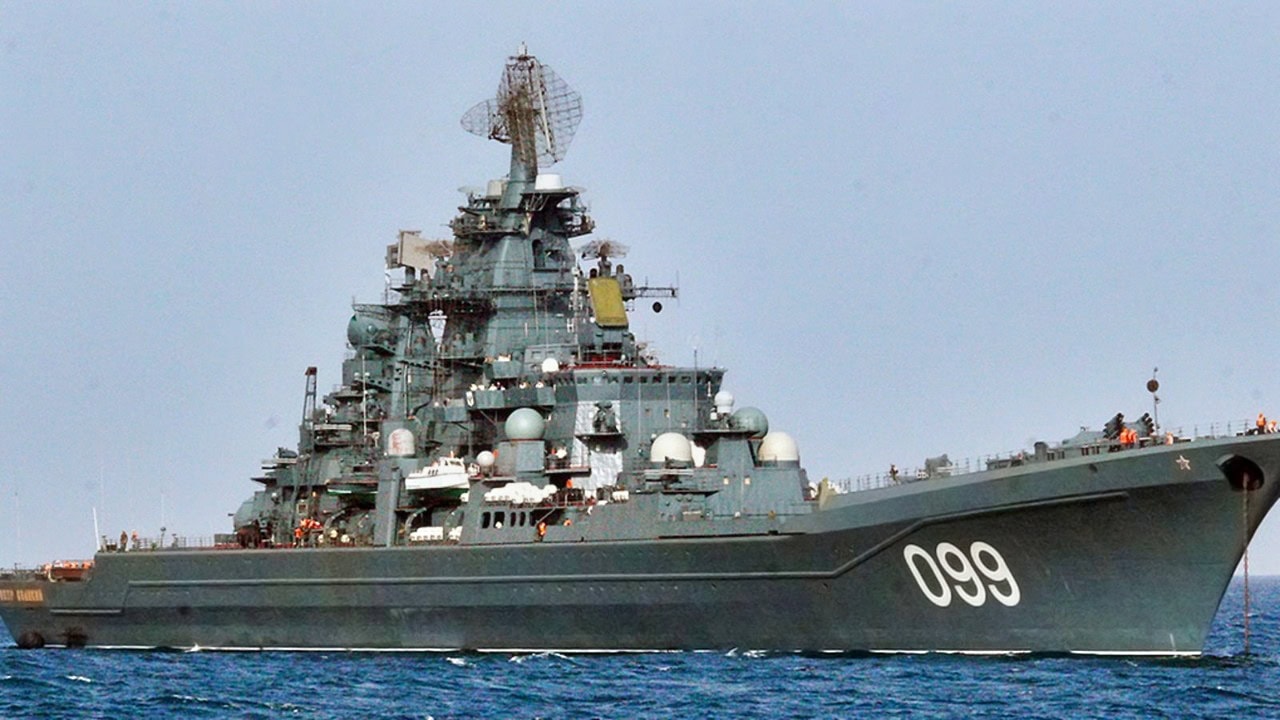
Kirov-Class Battlecruiser Russian Navy. Image Credit: Creative Commons.
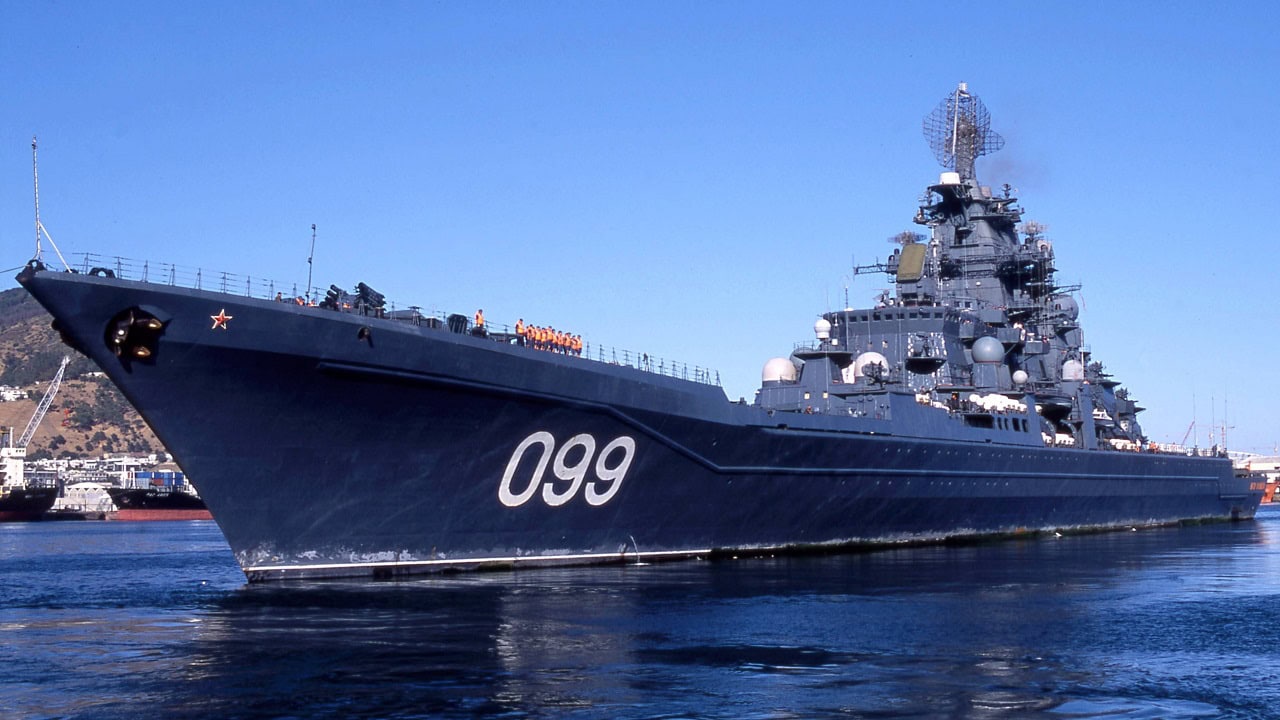
Russian Navy Kirov-Class Battlecruiser. Image Credit: Creative Commons.
About the Author: Kris Osborn
Kris Osborn is the President of Warrior Maven – Center for Military Modernization. Osborn previously served at the Pentagon as a highly qualified expert in the Office of the Assistant Secretary of the Army—Acquisition, Logistics & Technology. Osborn has also worked as an anchor and on-air military specialist at national TV networks. He has appeared as a guest military expert on Fox News, MSNBC, The Military Channel, and The History Channel. He also has a Masters Degree in Comparative Literature from Columbia University. This first appeared in Warrior Maven.