
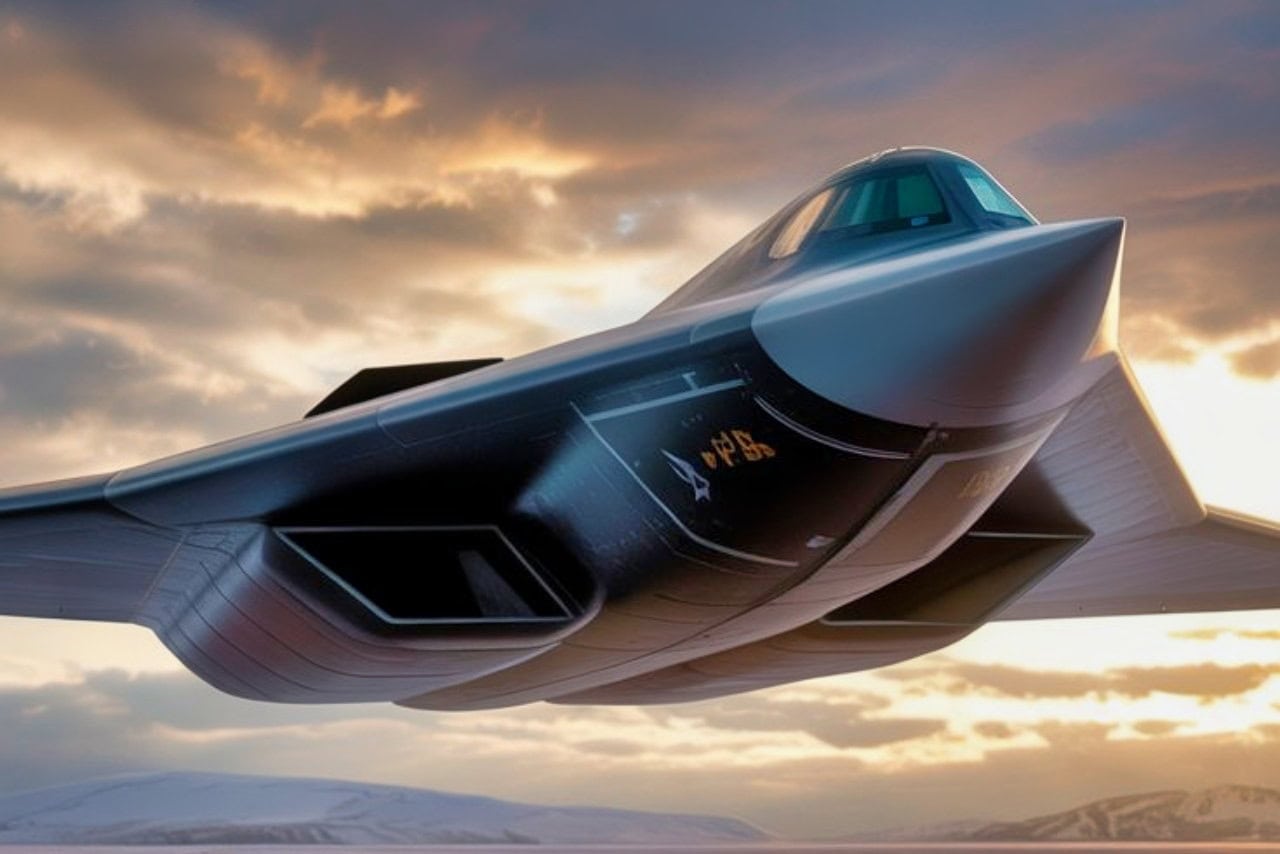
Key Points and Summary – Russia’s long-promised PAK DA stealth bomber is being marketed as Moscow’s ticket into the elite club of penetrating bomber powers.
-In practice, sanctions, brittle supply chains and a grinding missile war over Ukraine are pushing the Kremlin toward a cheaper, surer mix: upgraded Tu-95s and Tu-160s launching long-range cruise missiles from sanctuary.
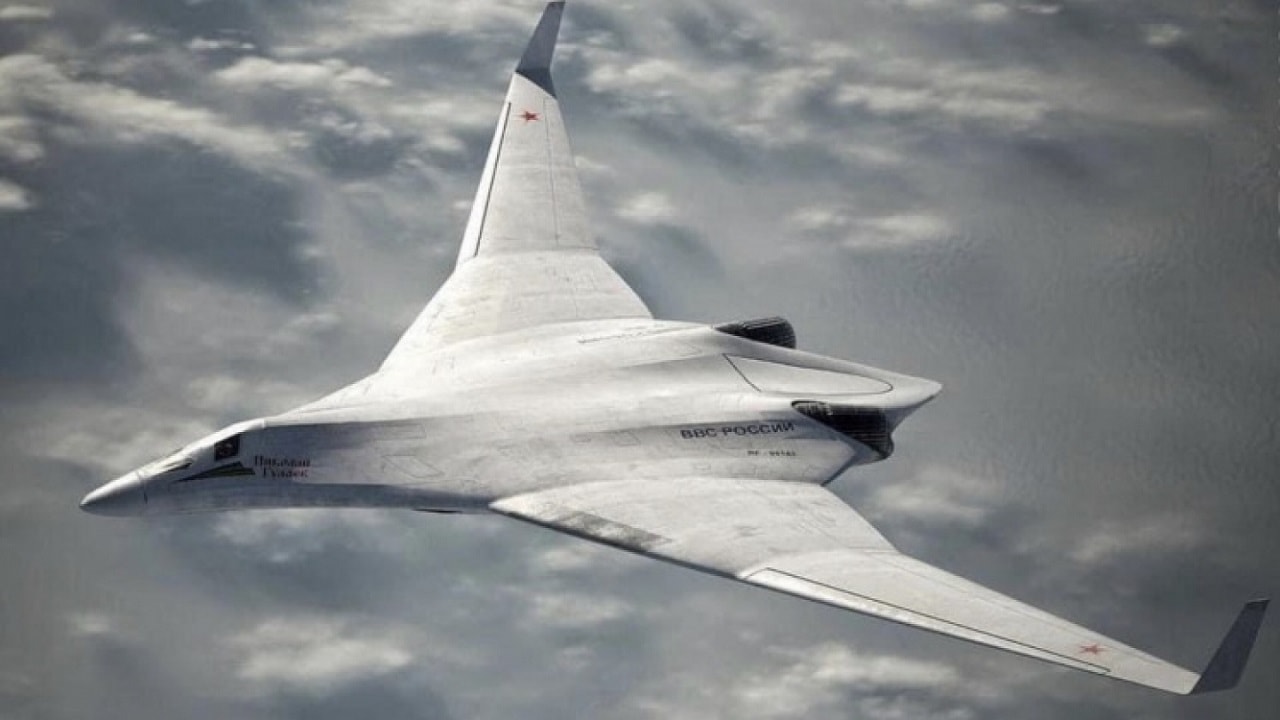
PAK DA stealth bomber. Image Credit: Creative Commons.
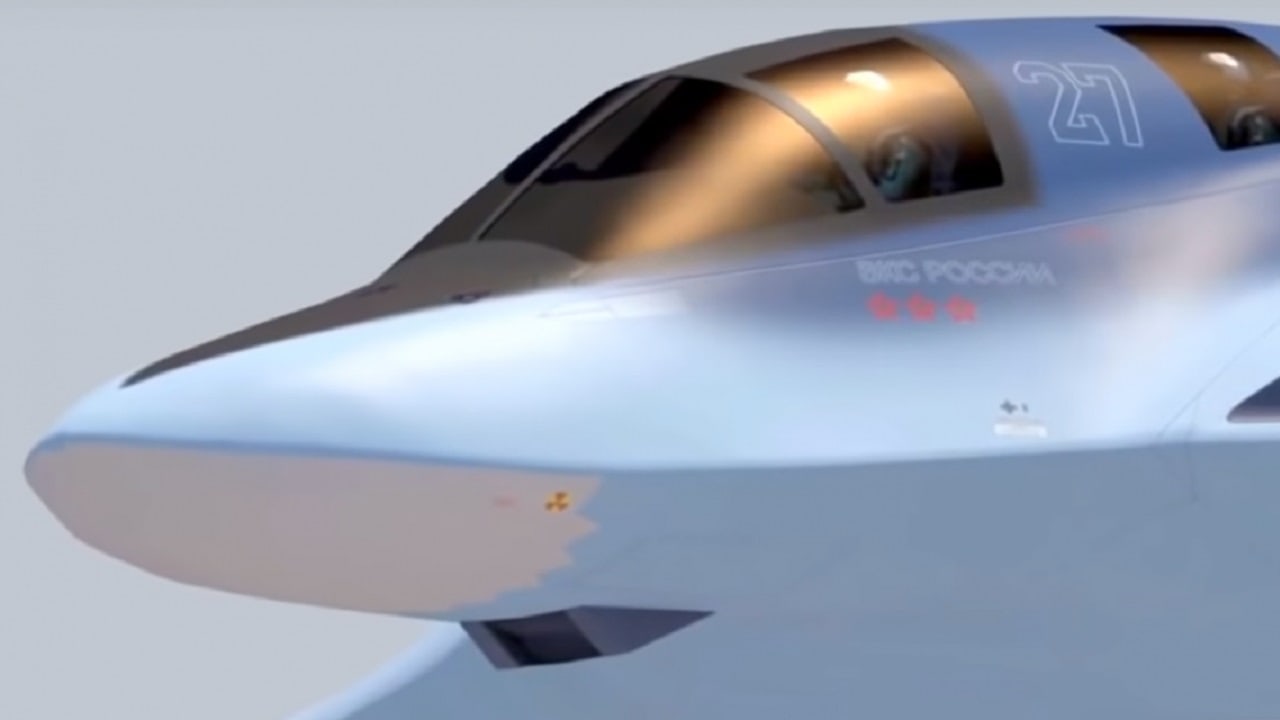
PAK DA Bomber. Image Credit: Artist Rendition/Creative Commons.
-A one-off PAK DA prototype is still plausible, but building and sustaining a real low-observable fleet this decade is unlikely.
-Russia doesn’t need it to threaten NATO; what matters is industrial capacity to keep churning out standoff weapons—not a prestige flying wing.
Russia’s PAK DA ‘Stealth Bomber’ Has One Big Problem
Russia’s stealth-bomber program—the vaunted PAK DA—appears less as a war-winning platform and more as a monument to geopolitical vanity. On paper, it’s the flying wing that would vault Moscow into the world’s few penetrating bomber clubs. In the real world—of sanctions, shallow supply chains, and a grinding war that devours munitions by the day—Russia is refurbishing Tu-95s, modernizing Tu-160s, and launching long-range cruise missiles from sanctuary. The hard conclusion follows: a PAK DA demonstrator is plausible, but a reliable, maintainable fleet in meaningful numbers this decade looks unlikely—and even if one materializes later, Russia does not need it to achieve the long-range effects it actually values.
Timelines tell the story. For years, officials and industry surrogates have dangled near-term milestones—mock-ups, bench tests for a new non-afterburning engine, “first flight soon.” Those dates keep sliding right. As of late September 2025, there has been no public roll-out, much less a verified flight. Meanwhile, the Kazan plant has coaxed a trickle of Tu-160M/M2s into service and cycled older airframes through upgrades. That is the revealed preference of a stressed industrial base: invest in platforms it can deliver and support under pressure, not exquisite prototypes it cannot.
The operational center of gravity is the missile, not the bomber. Contemporary Russian long-range strike treats aircraft as launch trucks: stay outside modern integrated air and missile defense, disgorge salvos, and force the defender to play whack-a-mole across hundreds of miles.
The Kh-101/102 family—publicly assessed in the 2,500–2,800 km range, with Russian claims sometimes higher—does the heavy lifting; the airframe simply hauls the magazines. In that logic of operations, whether those weapons come off a rattling Tu-95 or a sleek future stealth wing matters less than whether Russia can produce enough missiles, complicate routing, and sustain pressure. Marginal gains in bomber stealth buy little at premium cost when the missile is already designed to avoid the hardest airspace.
The PAK DA Mission: Take Out Hardened Defenses
The counterargument is familiar: only a low-observable airframe can penetrate hardened defenses, threaten time-sensitive nodes, and restore flexibility against NATO’s maturing IAMD. In theory, yes—a penetrating bomber broadens the playbook, especially in the opening hours of a large campaign. The problem is less concept than ecosystem.
A credible stealth bomber enterprise requires more than geometry; it demands disciplined manufacturing tolerances, durable coatings, serpentine inlets, mission systems that can be upgraded quietly, and engines that simply work—plus the depots, tooling, and skilled labor to sustain all of it for decades.
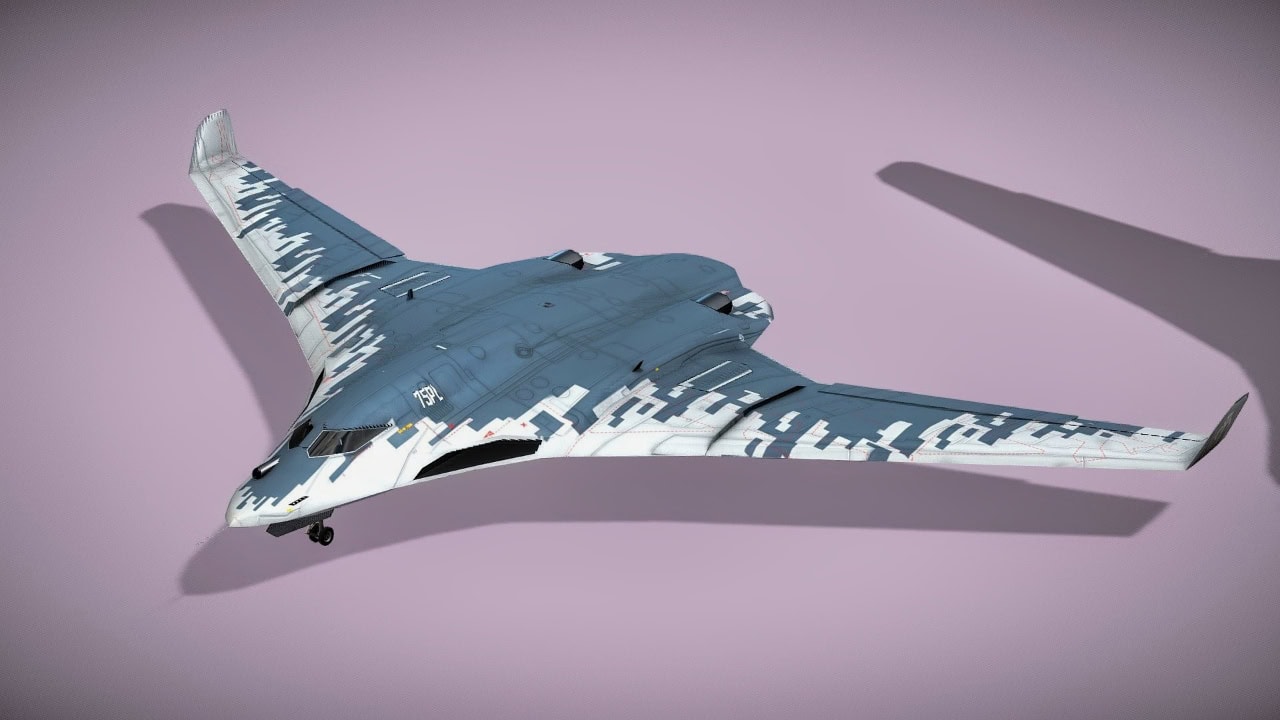
PAK DA Stealth Bomber Russia.
Russia can likely keep a handful of prototypes flying for optics. Generating a maintainable low-observable force sized for real employment is a different league.
Engines are where ambitious programs go to die. Moscow is already stretched re-engining the Tu-160M with improved NK-32-02s and keeping those complex powerplants healthy. A clean-sheet, fuel-efficient subsonic engine for a flying-wing PAK DA is another mountain entirely, demanding precision metrology, advanced materials, and supplier reliability that sanctions have eroded. Add the need to integrate electronic warfare suites, hardened communications, and weapons carriage into a tight low-observable envelope, and the odds lengthen again.
PAK DA: Too Expensive?
Then comes cost—especially opportunity cost. Every ruble and technician hour funneled into PAK DA is a ruble and hour not spent on what Russia uses nightly: air-launched cruise missiles by the hundreds, one-way attack drones by the thousands, improved seekers, better guidance packages, and hardened dispersal for launch platforms.
It is capacity not spent on the layered air defense network Russia relies upon to impose pain on Western airpower in any plausible NATO confrontation. In a world where mass and sustainment are back on center stage, a boutique stealth bomber is strategically off-trend for Moscow.
Doctrine makes this obvious. Russia’s strategic deterrent is overwhelmingly composed of ICBMs and SLBMs; the bomber leg is there for signaling and dual-capable “flexibility”. For signaling, it’s sufficient to have any large radar return.
For conventional long-range strike, it’s sufficient to have any airframe capable of lifting and launching standoff munitions at range. None of the recent trends—salvos from sanctuary, coercive pressure through attritional missile campaigns, heavy dependence on electronic warfare—necessarily requires mass penetration from a stealth bomber fleet.
A PAK DA would be a nice asset to have for niche purposes; it is not doctrinally critical.
Nor is prestige a good enough reason. The Kremlin can parade modernized Tu-160Ms, showcase new variants of long-range ALCMs, and fill television screens with busy assembly halls. That already signals technological vitality to domestic audiences. Prestige that starves the rest of the force corrodes combat power.
Wartime learning has rediscovered an old maxim: quantity has a quality all its own. Faced with a choice between one more prototype airframe or a thousand more standoff weapons plus the ISR to cue them, a rational planner chooses the magazines.
Will the PAK DA Fly?
Could Russia still fly a PAK DA prototype in the next few years? Certainly. A one-off or a handful of demonstrators remains plausible. But fielding a reliable fleet in numbers that matter—supported by coatings shops, spares pipelines, trained maintainers, and depots sized for low-observable upkeep—looks remote this decade and uncertain even into the 2030s.
The weight of evidence points instead to incremental modernization of legacy bombers, intensified missile production (including sanction-evasion workarounds), and steady investment in air defense and electronic attack. That is the force Moscow is actually building because it is the force Moscow can actually sustain.
The policy signal for Washington is not an invitation to gloat. It is a prompt to prepare for the adversary we will face, not the vanity project we might mock. A Russia that forgoes mass penetration and doubles down on missile salvos and layered air defense does not become easier to coerce from the air; it becomes harder.
The United States is right to hedge with its own penetrating bomber, but the duel that matters is industrial: who can keep the magazines full, keep the networks stitched, and keep attrition tolerable over time. On that decisive metric, Russia has already placed its bet. It is not a flying wing. It is a factory line feeding the next salvo.
About the Author: Dr. Andrew Latham
Andrew Latham is a Senior Washington Fellow with the Institute for Peace and Diplomacy, a non-resident fellow at Defense Priorities, and a professor of international relations and political theory at Macalester College in Saint Paul, MN. You can follow him on X: @aakatham.